In echtem Maßstab anzeigen
 Versenden als Grußkarte
 Teilen
 Details anzeigen
 Leitfaden öffnen

 Herunterladen
 Ähnliche Objekte
 Röntgenaufnahme
 Diashow
 Besucherstatistiken
Caritas
 Ölfarbe
- Wandkunst
- Barock
 – Frühe Neuzeit
 1054.0 x 1419.0 cm
 Dulwich Picture Gallery
 Mehr anzeigen
Handgefertigte Ölreproduktion
Handgemaltes Ölgemälde auf Leinwand in Ihrer Wunschgröße und mit Rahmen, auf Bestellung von unseren Künstlern angefertigt. ( Zum Druck wechseln Zum digitalen Bild wechseln)




P118B €10

P118H €10

P118W €10

P438Z €10

P508JH €12

P508YH €12

P805H €10

P805Z €10

P919BZ €10

P919G €10

P919XJ €10

P959ZH €10

P968JZ €12

W106C €8

W218G €10

W218JH €8

W218Y €10

W307PJ €10

W316G €10

W316PJ €8

W316Y €10

W398PJ €8

W4111J €10

W500HY €15

W500JH €15

W692G €12

W849H €8

W940BG €15

W953PJ €8




Wählen Sie aus unseren vordefinierten Formaten, die den ursprünglichen Proportionen des Kunstwerks entsprechen.

Geben Sie die Breite und die Höhe an, die Sie für Ihren Rahmen oder Ihre Wand benötigen. Da dieses Werk handgemalt ist, kann der Künstler bei einer anderen Form etwas mehr um das Bild herum malen oder etwas abschneiden – Sie entscheiden. Wir senden Ihnen ein digitales Mockup zur Freigabe, bevor mit dem Malen begonnen wird. Das auf dieser Seite gezeigte Bild stellt nicht das tatsächliche Ergebnis dar – dies tut nur das Mockup.
Nach der Bestellung wird das OriginalUniqueArt.com-Team dem Kunden Anweisungen per E-Mail zusenden und eine Mockup-Vorschau bereitstellen.
Weltweiter Versand () in nur 3 bis 4 Wochen statt der üblichen 5 Wochen. (24 Oktober). Keine Kompromisse bei der Qualität.

Kostenloser weltweiter Expressversand

Hochwertige Leinenleinwand

Vollständiger Versicherungsschutz beim Versand

Zollgebühren-Rückerstattungsgarantie

Garantie für exakte Farbtreue

100-tägiges Rückgaberecht (nur bei Mängeln)

100% Geld-zurück-Garantie

Angebot für Mengenrabatt
 Die Glasoption ist nur für Größen unter 110 cm verfügbar.

Caritas
Reproduktionsmedium
Format der Reproduktion
-


Gesamtpreis
€ 263
Ein Porträt durchdrungen von italienischem Einfluss – Eine Erkundung von Van Dycks „Caritas“
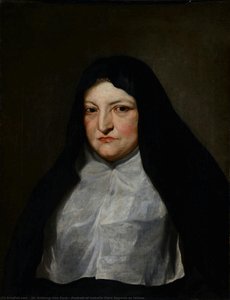
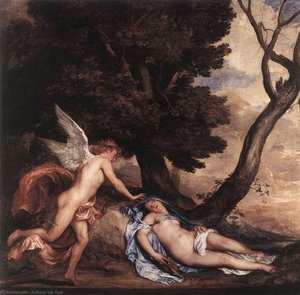
Die National Gallery beherbergt eine der mehreren Atelierkopien, die nach dem Original von Sir Anthony van Dyck gemalt wurden – ein Meisterwerk, das einen faszinierenden Einblick in die künstlerische Landschaft des Londons von 1627 und darüber hinaus bietet. „Caritas“, wie das Werk bekannt ist, ist nicht bloß eine Darstellung familiärer Zuneigung; es ist eine sorgfältig konstruierte visuelle Erzählung, welche die tiefgreifenden Auswirkungen der Ideale der italienischen Renaissance auf die flämische Barockkunst während Van Dycks prägenden Jahren im Ausland widerspiegelt. Das Gemälde fängt einen zärtlichen Moment zwischen einer Frau – vermutlich der Mutter – und ihren zwei Kindern ein, die gemeinsam in einer scheinbar behaglichen häuslichen Umgebung verweilen. Van Dycks unverwechselbarer Stil ist sofort erkennbar, geprägt von einer beispiellosen Anmut und Eleganz, die ihn von seinen Zeitgenossen abhebt. Im Gegensatz zu Rubens’ kühnen Pinselstrichen und dem dramatischen Chiaroscuro bevorzugte Van Dyck einen subtileren Ansatz, bei dem er tonale Abstufungen und eine feine Modellierung priorisierte, um einen bemerkenswerten Realismus zu erreichen. Der Künstler gab den Texturen der Stoffe – insbesondere dem Kleid der Frau – mit akribischer Sorgfalt wieder und vermittelte so ein spürbares Gefühl von Materialität. Darüber hinaus setzte er geschickt die Lasurtechnik ein – dünne Schichten aus transparentem Pigment, die über die Grundfarben aufgetragen wurden –, um dem Gemälde eine leuchtende Tiefe und Luminosität zu verleihen. Diese akribische Liebe zum Detail spricht Bände über Van Dycks Hingabe an die Meisterschaft seines Handwerks und seine Fähigkeit, die Porträtmalerei zu einer Kunstform von unvergleichlicher Raffinesse zu erheben. Van Dycks Reise nach Rom im Jahr 1627 erwies sich als entscheidend für die Formung seiner künstlerischen Vision. Er tauchte ein in die humanistischen Ideale, wie sie von Künstlern wie Raffael und Michelangelo vertreten wurden, und absorbierte Einflüsse, die seine späteren Werke durchdringen sollten. Die Betonung der idealisierten Schönheit der italienischen Renaissance – insbesondere die Feier mütterlicher Tugend – prägt „Caruchtas“ ganz deutlich. Diese stilistische Konvergenz unterstreicht die Vernetzung der europäischen Kunstgeschichte und zeigt, wie künstlerische Bewegungen geografische Grenzen überschreiten und Ideen sowie ästhetische Empfindsamkeiten über Kontinente hinweg verbreiten. Obwohl das Werk vordergründig eine herzerwärmende Familienszene darstellt, ist „Caritas“ reich an symbolischer Bedeutung. Die Haltung der Frau – die ihre Kinder eng an sich drückt – repräsentiert Fürsorge und Schutz, Werte, die tief in der Ikonografie der Renaissance verwurzelt sind. Der friedvolle Ausdruck der Figuren vermittelt inneren Frieden und Zufriedenheit und spiegelt das humanistische Streben nach moralischer Vollkommenheit wider. Zudem trägt die gedämpfte Farbpalette zur kontemplativen Stimmung des Gemäldes bei und verstärkt den thematischen Fokus auf Mitgefühl und Hingabe. Letztendlich gelingt es „Caritas“, eine kraftvolle emotionale Resonanz zu erzeugen – eine bewegende Darstellung mütterlicher Liebe, die Zeit und kulturelle Unterschiede überdauert. Die meisterhafte Ausführung des Künstlers fängt nicht nur die physische Ähnlichkeit seiner Motive ein, sondern auch deren inneren Geisteszustand, was den Betrachter dazu einlädt, über die beständige Schönheit menschlicher Verbundenheit nachzusinnen. Das Werk bleibt ein inspirierendes Zeugnis für Van Dycks künstlerisches Genie und ein fesselndes Emblem des Geistes der Renaissance – ein zeitloses Meisterwerk, das das Publikum auch Jahrhunderte nach seiner Entstehung noch immer in seinen Bann zieht.Fragen & Antworten
Welche Technik wurde für "Caritas" von Sir Anthony van Dyck verwendet?
Das Medium von "Caritas" von Sir Anthony van Dyck ist Ölfarbe. Die Reproduktionen zielen darauf ab, das Erscheinungsbild dieser Technik wiederzugeben.
Zeigt "Caritas" starke Hell-Dunkel-Kontraste?
"Caritas" von Sir Anthony van Dyck zeigt einen Kräftig Kontrast zwischen seinen hellen und dunklen Bereichen.
Welcher künstlerischen Strömung ist "Caritas" von Sir Anthony van Dyck zuzuordnen?
„Caritas“ ist ein Werk der Barock. Die Stilrichtung gibt die künstlerische Tradition an, der das Werk angehört.
Biografie des Künstlers
A Flemish Master at the Courts of Europe
Sir Anthony van Dyck, born in Antwerp in 1599, emerged as one of the most celebrated and influential portraitists of the Baroque era. His life, though tragically cut short at just forty-two years old, was a whirlwind of artistic exploration and prestigious commissions that took him from his native Flanders to Italy and ultimately to the heart of the English court. From an early age, van Dyck displayed remarkable talent, entering Hendrick van Balen’s workshop as a young apprentice and quickly absorbing the prevailing styles of the time. However, it was his association with Peter Paul Rubens – not merely as a student but as a collaborator – that truly shaped his artistic foundation. He learned from Rubens' dynamic compositions, rich color palettes, and masterful handling of light and shadow, yet van Dyck soon began to forge his own distinct path, one characterized by an elegance and refinement that would become his signature.Italian Sojourns and the Birth of a Style
The years van Dyck spent in Italy, beginning around 1621, proved pivotal in his artistic development. He resided primarily in Genoa, where he found favor among the city’s aristocratic families. It was here that he began to cultivate the sophisticated style for which he would become renowned – a style marked by graceful poses, luxurious fabrics, and an almost palpable sense of nobility. Unlike the robust energy often found in Rubens' work, van Dyck’s Italian portraits exude a refined composure, capturing not just physical likeness but also the inner character and social standing of his sitters. During this period, he embarked on his *Iconography*, a series of meticulously rendered portrait etchings featuring prominent figures of his time – artists, scholars, and rulers alike. This project showcased his exceptional technical skill and established him as a leading printmaker. These etchings weren’t simply records; they were carefully constructed images designed to immortalize the subjects and convey their status and intellect. He experimented with innovative techniques—dramatic lighting, sweeping gestures, and carefully chosen backgrounds —to create images that were both visually stunning and politically charged.The King's Painter: Van Dyck in England
In 1632, van Dyck received an invitation that would forever alter his career trajectory – a summons from Charles I of England to become the court painter. This appointment marked a turning point, not only for van Dyck but also for English portraiture. He arrived in London with a considerable reputation and quickly became indispensable to the king, tasked with creating images that projected an aura of power, majesty, and divine right. Van Dyck’s portraits of Charles I are particularly noteworthy; he moved away from the stiff, formal representations favored by earlier artists, instead portraying the king as a dynamic, charismatic leader. He employed innovative techniques – dramatic lighting, sweeping gestures, and carefully chosen backgrounds – to create images that were both visually stunning and politically charged. His influence extended beyond the royal family, shaping the visual culture of the English aristocracy for generations to come. He didn’t just paint portraits; he crafted an image of kingship, influencing how royalty was perceived for over a century.Legacy and Enduring Influence
Van Dyck's untimely death in 1641 robbed the art world of a prodigious talent, but his legacy endures to this day. His impact on English portraiture is immeasurable; he established a standard of elegance and sophistication that subsequent artists would strive to emulate. He was recognized as one of the foremost painters of his time—a true innovator who reshaped artistic conventions.- Technical Innovation: He mastered both oil painting and etching, constantly experimenting with new techniques.
- Stylistic Refinement: His portraits are characterized by their graceful poses, luxurious fabrics, and subtle psychological insights.
- Courtly Influence: He transformed the image of the English monarchy, creating a visual language of power and prestige.

Sir Anthony van Dyck
1599 - 1641 , Belgien
Eckdaten zum Künstler
- Artistic Movement Or Style: Barock
- Artists Who Influenced This Artist: ['Peter Paul Rubens']
- Date Of Birth: 22 März 1599
- Full Name: Sir Anthony van Dyck
- Nationality: Flämisch
- Notable Artworks:
- Charles I in Drei Positionen
- Rinaldo und Armida
- Portrait von Nicolaes van der Borght
- Place Of Birth: Antwerpen, Belgien
Verwandte Artikel
The Grandeur of Baroque Portraiture: Power, Emotion & Artistic Innovation
Explore the grandeur of Baroque portraiture! Discover Rubens, Van Dyck & the masters of 17th-century art. Uncover symbolism, techniques & lasting influence. Expert insights for collectors and enthusiasts.

Charles-André van Loo: A Study in Rococo Portraiture & the French Court's Artistic Dynamics
Explore the elegant world of Charles-André van Loo, a master of Rococo portraiture at the French court. Discover his life, techniques, and enduring influence on 18th-century art. Hand-painted reproductions available.

Rembrandts Meisterwerke: Die Top 25 Kunstwerke für Ihr Zuhause | OriginalUniqueArt
Entdecken Sie Rembrandts 25 berühmteste Kunstwerke! Tauchen Sie ein in die Welt des Barock, Licht und Schatten & historischer Porträts. Hochwertige Reproduktionen für Ihr Zuhause – jetzt auf OriginalUniqueArt.com!

Sir Anthony van Dyck: Hofmalerei und die Formung barocker Identität
Entdecken Sie das Werk von Sir Anthony van Dyck – Hofmaler Karls I. und Meister der Porträtkunst. Erfahren Sie mehr über seine Einflüsse, Techniken und den Wert seiner Gemälde für Sammler.

Drama and Light: A Definitive Guide to the Italian Baroque Masterpieces and the Revolution of Chiaroscuro
Explore the dramatic world of Italian Baroque art. Discover how masters like Caravaggio used chiaroscuro and tenebrism to revolutionize painting through light, shadow, and profound realism. A definitive guide for history lovers and art collectors.