
 Vorschau anzeigen
 Versenden
 Teilen
 Details anzeigen

 Herunterladen
 Ähnliche Objekte
 Röntgenaufnahme
 Diashow
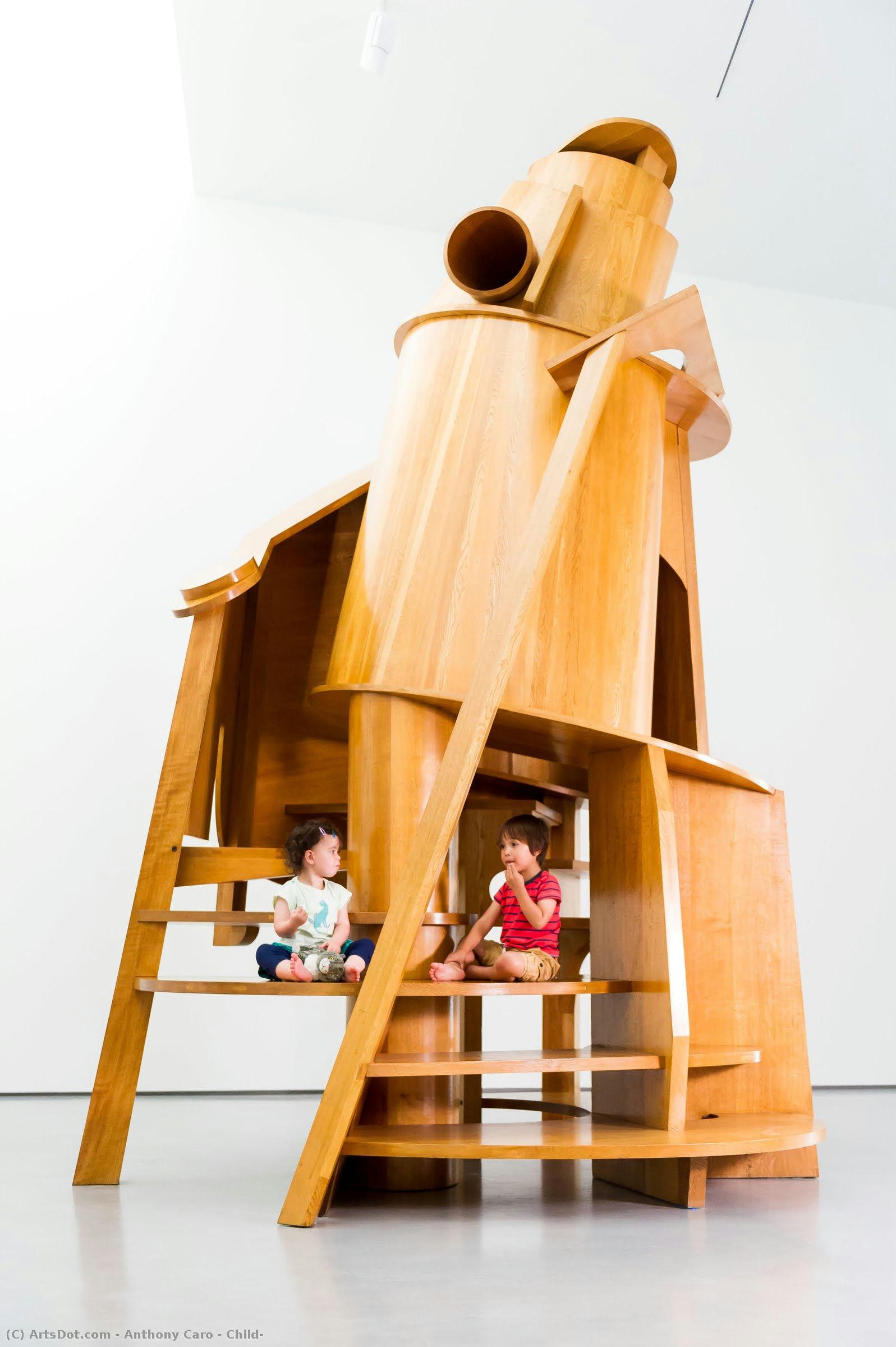
Child
 Contemporary Sculpture
 274.0 x 381.0 cm
 The Hepworth Wakefield
 Weiterlesen
Handgefertigte Ölreproduktion
Handgemaltes Ölgemälde auf Leinwand in Ihrer Wunschgröße und mit Rahmen, auf Bestellung von unseren Künstlern angefertigt. ( Druck bestellen Bild kaufen)




P118B $10

P118H $10

P118W $10

P438Z $10

P508JH $12

P508YH $12

P805H $10

P805Z $10

P919BZ $10

P919G $10

P919XJ $10

P959ZH $10

P968JZ $12

W106C $8

W218G $10

W218JH $8

W218Y $10

W307PJ $10

W316G $10

W316PJ $8

W316Y $10

W398PJ $8

W4111J $10

W500HY $15

W500JH $15

W692G $12

W849H $8

W940BG $15

W953PJ $8




Wählen Sie aus unseren vordefinierten Formaten, die den ursprünglichen Proportionen des Kunstwerks entsprechen.

Sie können Ihre eigenen Maße eingeben, um einen bestimmten Rahmen oder Platz auszufüllen. Wenn die gewählte Größe nicht den Proportionen des Originalbildes entspricht, werden wir das Kunstwerk entweder beschneiden oder das Gemälde durch zusätzliche, handgemalte Elemente erweitern. Ein digitales Mockup wird Ihnen zur Genehmigung zugesandt, bevor die Produktion beginnt.
Bitte beachten Sie, dass die Bildschirmvorschau nicht die tatsächliche Beschneidung oder Erweiterung widerspiegelt. Nur das Mockup zeigt die endgültige Komposition exakt an.
Obwohl Sondermaße verfügbar sind, empfehlen wir, eine Größe aus der vordefinierten Liste zu wählen, um die ursprünglichen Proportionen beizubehalten.
Nach der Bestellung wird das OriginalUniqueArt.com-Team dem Kunden Anweisungen per E-Mail zusenden und eine Mockup-Vorschau bereitstellen.
Weltweiter Versand () in nur 3 bis 4 Wochen statt der üblichen 5 Wochen. (20 August). Keine Kompromisse bei der Qualität.

Kostenloser weltweiter Expressversand

Hochwertige Leinenleinwand

Umfassender Versicherungsschutz beim Versand

Zollgebühren-Rückerstattungsgarantie

Garantie für exakte Farbtreue

60 Tage Rückgaberecht (nur bei Mängeln)

100% Geld-zurück-Garantie

Mengenrabatt verfügbar
 Die Glasoption ist nur für Größen unter 110 cm verfügbar.

Child
Art der Reproduktion
Format der Reproduktion
-


Gesamtpreis
$ 325
Beschreibung des Kunstwerks
A Monumental Embrace: Exploring ‘Child’ by Sir Anthony Caro
Sir Anthony Caro's “Child,” a monumental wooden sculpture measuring an impressive 274 x 381 cm, stands as a powerful meditation on childhood, architecture, and the very essence of human experience. Created in 1960, this work transcends mere representation, offering instead a deeply felt evocation of play, wonder, and the enduring spirit of youth. Situated within the starkly modern setting of a gallery space dominated by polished concrete floors – a deliberate contrast that amplifies the sculpture’s inherent drama – “Child” immediately commands attention with its scale and intricate construction.
The sculpture itself is a masterful assemblage of warm-toned wood, meticulously layered and geometrically arranged to create a towering vertical form. Two diminutive figures are nestled within this expansive structure, suggesting an intimate space for imaginative play. The deliberate use of interlocking platforms, ramps, and enclosed areas invites interaction, prompting viewers to consider the sculpture as more than just an object – it’s a constructed environment designed to be explored and inhabited. Caro's genius lies in his ability to transform industrial materials into objects of profound beauty and emotional resonance; here, he employs wood, a material traditionally associated with domesticity and nurturing, to create something both monumental and profoundly human.
The Seeds of Abstraction: Influences and Artistic Evolution
Caro’s journey as an artist was marked by a radical transformation in his approach. Initially influenced by the pioneering work of Henry Moore – particularly Moore's exploration of organic forms and psychological depth – Caro embarked on a path that ultimately led him away from figurative representation. A pivotal moment arrived in 1959 with a scholarship to the United States, an experience that fundamentally reshaped his artistic vision. Immersed in the vibrant energy of American Abstract Expressionism, he encountered artists like David Smith, whose dynamic sculptures utilizing industrial materials ignited a revolutionary shift within Caro’s own practice.
Smith's emphasis on embracing the inherent qualities of raw materials – steel, welding techniques, and the juxtaposition of geometric forms – profoundly impacted Caro. He began to dismantle his earlier focus on detailed human figures, instead prioritizing the exploration of form, space, and material itself. This move away from traditional representation was not a rejection of art but rather an evolution towards a more direct and visceral expression of ideas.
A Dialogue Between Scale and Intimacy
The sheer scale of “Child” is immediately arresting, creating a sense of both awe and vulnerability. The towering vertical form dwarfs the two small figures nestled within its structure, highlighting the contrast between the monumental and the intimate. This deliberate juxtaposition speaks to the inherent tension between childhood dreams and adult realities – the boundless possibilities of imagination versus the constraints of experience. The sculpture’s placement within a minimalist gallery space further emphasizes this dynamic, creating a visual dialogue between the organic forms of Caro's creation and the stark geometry of its surroundings.
Furthermore, the open-ended nature of the structure encourages interaction. Viewers are invited to approach the sculpture from all angles, stepping into the enclosed spaces and experiencing it as a living, breathing environment. This participatory element transforms “Child” from a static object into a dynamic space for contemplation and imaginative play – a testament to Caro’s belief that art should engage with its audience on a deeply emotional level.
Symbolism and Emotional Resonance
Beyond its formal qualities, “Child” is rich in symbolic meaning. The sculpture can be interpreted as an exploration of the human condition, capturing the essence of childhood innocence, curiosity, and wonder. The enclosed spaces evoke a sense of security and refuge, while the towering form suggests both protection and aspiration. Caro’s masterful use of wood – a material associated with warmth, nurturing, and domesticity – further reinforces this emotional resonance.
Ultimately, “Child” is not simply a depiction of children playing; it's an embodiment of the spirit of childhood itself—a celebration of imagination, exploration, and the enduring power of human connection. It’s a work that invites viewers to reconnect with their own inner child, prompting reflection on the joys and challenges of growing up and the importance of preserving the wonder and innocence of youth.
Über den Künstler
Sir Anthony Caro: Ein Pionier der modernen Bildhauerei
Frühes Leben und Ausbildung
- Geboren: 8. März 1924, in New Malden, Surrey, England.
- Familienhintergrund: Caro war das jüngste von drei Kindern einer jüdischen Familie.
- Ausbildung: Er besuchte die Charterhouse School, wo er durch seinen Hausmeister und Charles Wheeler mit Bildhauerei in Berührung kam. Weiteres Studium umfasste die Farnham School of Art, Christ's College Cambridge (Ingenieurstudium), Regent Street Polytechnic und die Royal Academy Schools (1947-1952).
Künstlerische Entwicklung und Einflüsse
- Frühe Einflüsse: Anfangs beeinflusst von Henry Moore, mit dem er von 1951 bis 1953 als Studioassistent arbeitete. Diese frühe Zusammenarbeit vermittelte ihm eine Wertschätzung für die moderne Bildhauerei.
- Wendepunkt: Ein Stipendium der Ford Foundation im Jahr 1959 führte zu einer transformativen Reise in die Vereinigten Staaten, wo er den amerikanischen Abstrakten Expressionismus und Schlüsselfiguren wie Clement Greenberg, Kenneth Noland und David Smith kennenlernte. Das Werk von David Smith war ihm besonders einflussreich.
- Veränderung des Stils: Inspiriert durch seine Erfahrungen in Amerika, verabschiedete sich Caro von der figurativen Bildhauerei und begann, abstrakte Assemblagen aus geschweißtem Stahl und gefundenen Industrieobjekten zu schaffen.
Wichtige Merkmale und Stil
- Assemblage & Materialien: Caro ist bekannt für die innovative Verwendung von Materialien – oft ‘fundgrube’ oder industrielle Komponenten wie I-Träger, Stahlplatten und Maschen.
- Entfernung des Podests: Eine charakteristische Eigenschaft seiner Arbeit ist die Entfernung von Skulpturen von ihren traditionellen Podesten, wodurch Betrachter sie direkt auf dem Boden erleben können und sie auf eine immersivere Weise wahrnehmen. Dies stellte konventionelle Präsentationsweisen in Frage.
- Abstrakte Formen & räumliche Erforschung: Seine Skulpturen sind durch dynamische abstrakte Formen gekennzeichnet, die räumliche Beziehungen erforschen und ein Gefühl von Offenheit und Bewegung erzeugen.
Bekannte Werke und Ausstellungen
- Twenty Four Hours (1960): Ein frühes Beispiel seiner abstrakten Stahlskulpturen, die sich heute in der Tate Britain Collection befinden.
- Leaf Pool (1967): Präsentiert auf Paintings in Hospitals, demonstrierte er seinen einzigartigen Stil und seine Herangehensweise an Form und Material.
- After Olympia (1982-87): Ein großformatiges narratives Werk, das von dem Tempel des Zeus in Olympia inspiriert ist, zeigte seine Fähigkeit, monumentale Stücke mit komplexen Erzählungen zu schaffen.
- Ausstellungen: Caro stellte international aus, darunter Einzelshows in Mailand und New York, und nahm an wichtigen Gruppenausstellungen teil.
Auszeichnungen und Vermächtnis
- Order of the British Empire (CBE): Gewürdigt für seine Leistungen im Kunstbereich.
- Triangle Arts Trust: Co-gründete den Triangle Arts Trust im Jahr 1982, der einen Raum für Künstler zur Zusammenarbeit und zum Experimentieren bot.
- Historische Bedeutung: Caro gilt als einer der wichtigsten britischen Bildhauer seiner Generation. Seine Arbeit revolutionierte die Bildhauerei, indem sie konventionelle Normen in Frage stellte und neue Materialien und Formen erforschte. Er beeinflusste nachfolgende Generationen von Bildhauern nachhaltig und inspiriert Künstler bis heute.
Künstlerische Bewegungen
- Modernismus: Eine zentrale Einflüsse, die von traditionellen künstlerischen Normen abwich.
- Abstrakter Expressionismus: Beeinflusste seine Hinwendung zur Abstraktion und den Fokus auf Form und Material.
- Neoklassizismus: Spätere Arbeiten zeigten Einflüsse der klassischen griechischen und römischen Stile, insbesondere in narrativen Werken wie 'After Olympia'.

Sir Anthony Alfred Caro
1924 - 2013 , Vereinigtes Königreich
Kurzinfos
- Artistic Movement Or Style: Modernismus
- Artists Or Movements Influenced By This Artist: ['Abstract Expressionismus']
- Artists Who Influenced This Artist:
- Henry Moore
- David Smith
- Date Of Birth: 8 März 1924
- Date Of Death: 23 Okt. 2013
- Full Name: Sir Anthony Alfred Caro
- Nationality: Britisch
- Notable Artworks:
- Twenty Four Hours
- Leaf Pool
- After Olympia
- Place Of Birth: New Malden, Vereinigtes Königreich
Ähnliche Artikel

Bronze-Meisterwerke: Die 10 Skulpturen, die Kunstgeschichte schrieben | OriginalUniqueArt
Entdecken Sie die 10 legendärsten Bronze Skulpturen der Kunstgeschichte! Von Michelangelo bis Rodin – erfahren Sie die Geschichten hinter den Meisterwerken und lassen Sie sich von Wanddeko-Ideen inspirieren. Hochwertige Kunstdrucke auf OriginalUniqueArt.com.

Contemporary Abstract Painting: A Professional Buyer's Guide to Modern Textures and Large-Scale Styles for Hospitality Interiors
A professional procurement guide for hotel designers and architects. Discover how to integrate large-scale contemporary abstract paintings, from geometric precision to textured impasto, into hospitality projects with custom sizing, multi-panel layouts, and reliable global logistics.

Sculpture Essentials: A Professional Guide to Materials, Techniques, and 3D Art for Large-Scale Interior Projects
A professional procurement guide for hotel designers on selecting sculpture materials and techniques. Master the integration of 3D art into hospitality spaces with expert insights on durability, scale, and large-scale project sourcing.

Contemporary Abstract Art: A Professional Buyer's Guide to Large-Scale Modern Decor for Hospitality and Corporate Interiors
A professional procurement guide for hotel designers and architects. Discover how to integrate large-scale contemporary abstract art into hospitality projects through high-volume, custom-sized oil reproductions, multi-panel layouts, and reliable global logistics.

The Enduring Form: Exploring Themes & Techniques in Sculpture Across Historical Periods
Explore the rich history of sculpture from ancient masterpieces to contemporary innovations. Discover key techniques, influential artists & investment potential for discerning art collectors.


