In echtem Maßstab anzeigen
 Versenden als Grußkarte
 Teilen
 Details anzeigen
 Leitfaden öffnen

 Herunterladen
 Ähnliche Objekte
 Röntgenaufnahme
 Diashow
 Besucherstatistiken
Landscape Study


 Mehr anzeigen
Die auf dieser Seite dargestellten Kunstwerke sind urheberrechtlich geschützt, was bedeutet, dass wir keine identische Reproduktion rechtmäßig erstellen oder verkaufen dürfen. Dieser Schutz wird durch internationale Abkommen wie die Berner Übereinkunft und durch nationale Gesetze, einschließlich derer, die von den ... festgelegt wurden US-Urheberrecht – Titel 17.
Diese Methode entspricht vollumfänglich den Urheberrechtsbestimmungen, da sie keine Kopie oder Vervielfältigung des geschützten Kunstwerks darstellt. Stattdessen handelt es sich um eine kreative Neuinterpretation – ein neues Gemälde, das vom Original inspiriert, aber nicht identisch mit ihm ist.
Giclée / Kunstdruck
Giclée- oder Leinwanddruck in Museumsqualität mit schneller Produktion und flexiblen Veredelungsoptionen. ( Handgemalte Reproduktion kaufen Zum digitalen Bild wechseln)




P118B €10

P118H €10

P118W €10

P438Z €10

P508JH €12

P508YH €12

P805H €10

P805Z €10

P919BZ €10

P919G €10

P919XJ €10

P959ZH €10

P968JZ €12

W106C €8

W218G €10

W218JH €8

W218Y €10

W307PJ €10

W316G €10

W316PJ €8

W316Y €10

W398PJ €8

W4111J €10

W500HY €15

W500JH €15

W692G €12

W849H €8

W940BG €15

W953PJ €8




Wählen Sie aus unseren vordefinierten Formaten, die den ursprünglichen Proportionen des Kunstwerks entsprechen.

Geben Sie die Breite und die Höhe an, die Sie benötigen, damit der Druck perfekt in Ihren Rahmen oder an Ihre Wand passt. Ein Druck kann nur beschnitten werden und niemals größer als das Originalbild gemacht werden; daher verliert ein Format mit einer anderen Proportion einen Teil des Bildes. Wir senden Ihnen ein digitales Mockup zur Freigabe, bevor wir den Druck ausführen. Das auf dieser Seite gezeigte Bild zeigt nicht den tatsächlichen Beschnitt – dies ist nur im Mockup ersichtlich.
Weltweiter Versand () innerhalb von 2 Wochen statt der üblichen 4/5 Wochen. (23 Oktober)

Kostenloser weltweiter Expressversand

Hochwertige Leinenleinwand

Vollständiger Versicherungsschutz beim Versand

Zollgebühren-Rückerstattungsgarantie

Garantie für exakte Farbtreue

100-tägiges Rückgaberecht (nur bei Mängeln)

100% Geld-zurück-Garantie

Angebot für Mengenrabatt
 Die Glasoption ist nur für Größen unter 110 cm verfügbar.

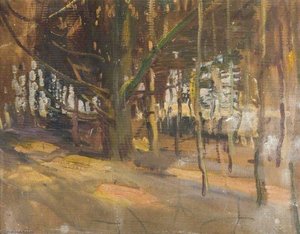
Landscape Study
Giclée / Kunstdruck
Format der Reproduktion
-


Gesamtpreis
€ 70
An Impressionistic Whisper of the English Countryside
In this evocative Landscape Study, Sir Alfred James Munnings invites the viewer into a world where the boundaries between earth and sky dissolve into a poetic haze. The painting captures a moment of profound atmospheric stillness, presenting a rolling landscape that feels less like a literal depiction and more like a captured memory. Through loose, expressive brushstrokes, Munnings masterfully renders a scene dominated by horizontal bands of landforms that suggest the undulating rhythm of hills or mountains under an expansive, heavy sky. The composition possesses a beautiful, flattened perspective characteristic of the Impressionist tradition, prioritizing the emotional weight of the atmosphere over the rigid precision of topographical realism. It is a piece that does not merely show a place, but rather communicates the very breath of the landscape.
The technical execution of this study reveals the artist's profound command over light and texture. Utilizing what appears to be the rich, tactile medium of oil on a wooden panel, Munnings employs a palette that balances warmth with cool serenity. Deep oranges, burnt reds, and earthy browns define the contours of the terrain, creating a sense of groundedness and warmth, while these tones are brilliantly contrasted by the ethereal whites and soft blues of the sky and water. The visible, almost rugged texture of the paint adds a physical dimension to the work, where every stroke contributes to the movement within the scene—suggesting the gentle flow of water or the shifting of clouds. This tactile quality makes the artwork particularly captivating for collectors who appreciate the raw, energetic hand of the master artist.
Symbolism and the Spirit of Solitude
Beyond its aesthetic beauty, this landscape serves as a window into the contemplative spirit of the British countryside. Symbolically, the vastness of the composition evokes a sense of profound solitude and the sublime power of nature. There is a quiet dignity in the way the land sits beneath the weight of the overcast sky, suggesting a world that exists independently of human presence—a theme deeply resonant with Munnings's own connection to the rural rhythms of life. The painting captures a sense of tranquility that is both melancholic and comforting, making it an ideal centerpiece for spaces designed for reflection and peace.
For the discerning interior designer or art enthusiast, this reproduction offers more than just decoration; it provides an emotional anchor. Whether placed in a sunlit gallery or a moody, sophisticated study, the Landscape Study brings with it an aura of timelessness and historical depth. It is a work that speaks to the soul, offering a window into the vanishing, romanticized world of early 20th-century Britain, preserved forever through the expressive genius of Sir Alfred James Munnings.
Fragen & Antworten
Welche Farbintensität weist "Landscape Study" von Sir Alfred James Munnings auf?
Die Farbsättigung von „Landscape Study“ ist Vivid. Die Intensität beschreibt, wie kräftig die Farben wirken.
Aus welcher Epoche stammt "Landscape Study" von Sir Alfred James Munnings?
"Landscape Study" von Sir Alfred James Munnings stammt aus der Epoche der Modern. Diese Zeitspanne liefert den historischen Kontext des Werkes.
Wer ist der Künstler hinter "Landscape Study"?
"Landscape Study" wird Sir Alfred James Munnings zugeschrieben.
Biografie des Künstlers
Sir Alfred James Munnings: Ein Leben in Farbe
Sir Alfred James Munnings (1878-1959), bekannt als AJ Munnings, war einer der herausragendsten Pferde-Maler Englands und ein überzeugter Traditionalist, der den Aufstieg des Modernismus entschieden ablehnte. Seine lebendigen Darstellungen des Landlebens, Jagdszenen und Rennpferde festigten seinen Platz als führende Figur in der britischen Kunst im ersten Halbach des 20. Jahrhunderts.
Frühes Leben und künstlerische Anfänge
Geboren am 8. Oktober 1878 in Mendham Mill, Suffolk, war Munnings’ frühes Leben eng mit dem Land verbunden. Sein Vater war Müller, und er wuchs umgeben von Pferden auf – ein Einfluss, der seine künstlerische Karriere dominieren sollte. Nach seinem Abschluss an der Framlingham College im Alter von vierzehn Jahren absolvierte er eine sechsjährige Lehre bei einem Drucker in Norwich und entwarf gleichzeitig Werbeplakate und studierte an der Norwich School of Art.
Künstlerische Entwicklung & Einflüsse
Munnings’ formale Ausbildung war begrenzt, aber er verfeinerte seine Fähigkeiten durch Beobachtung und Übung. Er wurde mit der Newlyn School der Maler in Cornwall verbunden, einer Gruppe, die für ihre Plein-Air-Malerei und realistische Darstellungen des Landlebens bekannt war. Dort lernte er Florence Carter-Wood kennen, die er 1912 heiratete. Seine frühen Arbeiten konzentrierten sich auf ländliche Szenen, oft mit Zigeunern und Pferden. Er entwickelte einen Impressionistischen Stil, der durch lockere Pinselstriche und den Fokus auf das Einfangen von Licht und Atmosphäre gekennzeichnet war.
Kriegsjahre & Aufträge
Während des Ersten Weltkriegs meldete sich Munnings freiwillig zum Dienst, wurde aber für den Kampf als ungeeignet befunden. Stattdessen diente er mit der kanadischen Kavallerie-Brigade als offizieller Kriegskünstler und dokumentierte die Rolle der Pferde im Konflikt. Diese Erfahrung beeinflusste ihn zutiefst; er war Zeuge des Leidens und Verlusts von Mensch und Tier. Er malte Szenen nahe der Front, darunter ein Porträt von General Jack Seely auf seinem Pferd Warrior. Nach dem Krieg erhielt Munnings zahlreiche prestigeträchtige Aufträge, die seine finanzielle Sicherheit sicherten.
Wichtige Leistungen & Anerkennung
- Präsident der Royal Academy: 1944 zum Präsidenten der Royal Academy gewählt, hatte er diese Position bis 1949 inne.
- Ritterwürde: 1944 zum Knight Bachelor geschlagen und 1947 zum Knight Commander des Royal Victorian Order ernannt.
- Kriegskünstler-Aufträge: Seine Arbeit zur Dokumentation der kanadischen Kavallerie im Ersten Weltkrieg brachte ihm bedeutende Anerkennung ein.
- Skulpturale Arbeiten: Er schuf auch Skulpturen, darunter eine Reiterskulptur von Edward Horner.
Ein Kritiker des Modernismus
Munnings wird vielleicht ebenso in Erinnerung behalten für seine entschiedene Kritik an modernen Kunstströmungen wie dem Kubismus und Surrealismus. In einer berühmten – und angeblich betrunkenen – Sendung im BBC-Radio im Jahr 1949 hielt er eine vernichtende Kritik an der zeitgenössischen Kunst, wobei er berühmt sagte, er würde sich gerne mit Winston Churchill zusammentun, um Picassos… irgendetwas zu treten. Diese Rede festigte sein Bild als Verteidiger traditioneller künstlerischer Werte.
Späteres Leben & Vermächtnis
Munnings kaufte 1919 Castle House in Dedham, Essex, das sowohl sein Zuhause als auch sein Atelier für den Rest seines Lebens wurde. Nach seinem Tod am 17. Juli 1959 verwandelte seine Frau Violet Castle House in das Munnings Art Museum, um seine Arbeit und sein Vermächtnis zu bewahren. Heute wird Munnings als Meister der Pferdekunst und eine bedeutende Figur der britischen Kunstgeschichte gefeiert.
Historische Bedeutung
Munnings’ Gemälde bieten einen wertvollen Einblick in eine vergangene Ära – eine Welt von Pferden, Jagd und Landleben, die während seines Lebens rasch verschwand. Seine Arbeit findet bis heute Anklang beim Publikum, nicht nur wegen seiner technischen Fähigkeiten, sondern auch wegen seiner ergreifenden Darstellung einer geschätzten Lebensweise. Er bleibt ein Symbol für künstlerische Traditionen und eine Erinnerung an die anhaltende Kraft der repräsentativen Malerei.
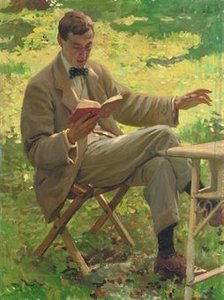
Sir Alfred James Munnings
1878 - 1959 , Vereinigtes Königreich
Eckdaten zum Künstler
- Bemerkenswerte Werke:
- Charge of Flowerdew's Squadron
- My Grey Mare
- Geburtsdatum: 8. Oktober 1878
- Geburtsort: Mendham, Vereinigtes Königreich
- Künstlerische Richtung: Englischer Impressionismus
- Nationalität: Britisch
- Todatum: 17. Juli 1959
- Vollständiger Name: Sir Alfred James Munnings
- Von Künstlern Beeinflusst: ['Newlyn School']
Verwandte Artikel

Impressionistische Landschaften: Die 10 Meisterwerke, die eine Epoche prägten | OriginalUniqueArt
Entdecken Sie die 10 Meisterwerke des Impressionismus! Von Monet bis Renoir – erleben Sie die Geschichte, Technik und zeitlose Schönheit ikonischer Landschaftsbilder. Hochwertige Kunstdrucke auf OriginalUniqueArt.com. Jetzt entdecken!
Golden Fields & Sun-Drenched Meadows: Capturing the Soul of Impressionist Landscapes
Immerse yourself in the luminous world of Impressionist landscapes. Discover how masters like Monet and Gauguin captured ephemeral light through plein air painting, and learn to bring the soul of sun-drenched meadows into your home with exquisite, hand-painted oil reproductions.

Beyond the Horizon: A Curated Guide to Integrating Post-Impressionist Landscapes into Modern Interiors
Transform your home with the emotive power of Post-Impressionist landscapes. Discover expert tips on selecting hand-painted oil reproductions to create a soulful, vibrant interior that reflects your unique style and connection to nature.

Impressionistische Landschaften: Die 10 Meisterwerke, die eine Kunstrichtung prägten | OriginalUniqueArt
Entdecken Sie die 10 Meisterwerke des Impressionismus! Von Monet bis Van Gogh – erleben Sie die Geschichten hinter berühmten Landschaftsbildern. Hochwertige Kunst Reproduktionen für Ihr Zuhause auf OriginalUniqueArt.com.

Sir Alfred James Munnings: Die 25 Meisterwerke des Pferdebildes | OriginalUniqueArt
Entdecken Sie die 25 Meisterwerke von Sir Alfred James Munnings! Erleben Sie seine beeindruckenden Pferdebilder, geprägt vom Impressionismus und Realismus. Hochwertige Kunstdrucke & Reproduktionen auf OriginalUniqueArt.com – für elegante Wandkunst & stilvolles Interieurdesign.