Vorschau anzeigen
 Versenden
 Teilen
 Details anzeigen
 Leitfaden

 Herunterladen
 Ähnliche Objekte
 Röntgenaufnahme
 Diashow
 Q&A
Q&A Statistiken
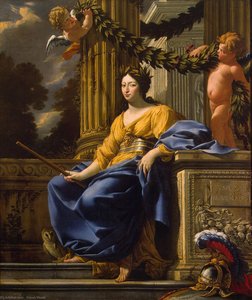
Sophonisba Empfangt den Vergifteten Kelch

- 126.0 x 157.0 cm


 Weiterlesen
Giclée / Kunstdruck
Giclée- oder Leinwanddruck in Museumsqualität mit schneller Produktion und flexiblen Veredelungsoptionen. ( Handgemalte Reproduktion bestellen Zum digitalen Bild wechseln)




P118B €10

P118H €10

P118W €10

P438Z €10

P508JH €12

P508YH €12

P805H €10

P805Z €10

P919BZ €10

P919G €10

P919XJ €10

P959ZH €10

P968JZ €12

W106C €8

W218G €10

W218JH €8

W218Y €10

W307PJ €10

W316G €10

W316PJ €8

W316Y €10

W398PJ €8

W4111J €10

W500HY €15

W500JH €15

W692G €12

W849H €8

W940BG €15

W953PJ €8




Wählen Sie aus unseren vordefinierten Formaten, die den ursprünglichen Proportionen des Kunstwerks entsprechen.

Geben Sie die benötigte Breite und Höhe an, damit der Druck perfekt in Ihren Rahmen oder an Ihre Wand passt. Ein Druck kann nur beschnitten, aber niemals größer als das Originalbild angefertigt werden; daher verliert ein Format mit anderen Proportionen einen Teil des Bildes. Wir senden Ihnen ein digitales Mockup zur Freigabe, bevor wir den Druck ausführen. Das auf dieser Seite gezeigte Bild zeigt nicht den tatsächlichen Beschnitt – dies ist nur im Mockup ersichtlich.
Weltweiter Versand () innerhalb von 2 Wochen statt der üblichen 4/5 Wochen. (1 November)

Kostenloser weltweiter Expressversand

Hochwertige Leinenleinwand

Umfassender Versicherungsschutz beim Versand

Zollgebühren-Rückerstattungsgarantie

Garantie für exakte Farbtreue

100 Tage Rückgaberecht (nur bei Mängeln)

100% Geld-zurück-Garantie

Mengenrabatt verfügbar
 Die Glasoption ist nur für Größen unter 110 cm verfügbar.

Sophonisba Empfangt den Vergifteten Kelch
Giclée / Kunstdruck
Format der Reproduktion
-


Endpreis
€ 71
A Tragedy in Gold and Shadow
In the grand theater of the French Baroque, few moments resonate with as much harrowing intensity as Simon Vouet’s “Sophonisba Receiving the Poisoned Chalice.” Painted around 1623, this masterpiece serves as a profound window into an era where art was used to capture the very essence of human tragedy and political defiance. The scene is drawn from the classical chronicles of Livy, recounting the heartbreaking fate of Sophonisba, a Carthaginian noblewoman caught in the violent gears of the Second Punic War. As she receives the cup containing her own demise, the viewer is not merely observing a historical event but is thrust into a psychological landscape of betrayal and doomed nobility. It is a painting that demands attention, making it an unparalleled centerpiece for any collection dedicated to the dramatic power of the seventeenth century.
The composition is a masterclass in Baroque tension, utilizing a sophisticated arrangement of figures to guide the eye through a narrative of mounting dread. Vouet places Sophonisba and her husband at the heart of the drama, their interaction defined by a heavy, palpable stillness. The diagonal lines created by the reaching hand of the man and the receptive posture of the woman create a sense of movement that pulls the observer into the exchange. This central tension is subtly bolstered by the presence of secondary figures in the background, whose shadowed expressions add layers of communal grief to the personal tragedy. Even the small, delicate detail of a bird perched upon the left side of the frame serves as a silent, symbolic witness—a quiet omen of the impending death that hangs over the scene like a shroud.
The Mastery of Light and Texture
Technically, the work is a triumph of chiaroscuro, the dramatic interplay of light and dark that defines the Baroque spirit. Vouet employs this technique to sculpt the figures out of the surrounding gloom, bathing Sophonisba’s face and torso in a radiant, warm glow. This luminosity does more than just provide visibility; it elevates her character, imbuing her with a regal, almost divine dignity even in the face of certain death. The light catches the shimmering textures of her attire—the heavy, opulent ermine robe and the glint of her crown—demonstrating Vouet’s extraordinary ability to render tactile reality within a highly stylized, theatrical framework.
For the discerning collector or interior designer, this painting offers much more than historical interest; it provides a profound emotional anchor for a room. The rich palette and the meticulous attention to detail—from the despairing gaze of a maid to the cold metallic sheen of the chalice—create an atmosphere of sophisticated melancholy. A high-quality reproduction of this work allows one to bring the grandeur of the French court and the intellectual depth of classical history into a modern space, offering a conversation piece that is as much about the beauty of human resilience as it is about the mastery of oil on canvas.
Fragen & Antworten
Welche Technik und welcher Stil charakterisieren "Sophonisba Empfangt den Vergifteten Kelch" von Simon Vouet?
"Sophonisba Empfangt den Vergifteten Kelch" ist in Ölfarbe im Stil der Baroque Classicism-Epoche gefertigt.
Befindet sich "Sophonisba Empfangt den Vergifteten Kelch" im Land seines Schöpfers?
Nein – das Kunstwerk wird im Ausland aufbewahrt. „Sophonisba Empfangt den Vergifteten Kelch“ befindet sich in Deutschland, während Simon Vouet in Frankreich geboren wurde.
Welche Maße hat das Originalwerk "Sophonisba Empfangt den Vergifteten Kelch"?
Das Originalwerk "Sophonisba Empfangt den Vergifteten Kelch" hat die Maße 126 x 157 cm. Die Originalmaße dienen als hilfreiche Orientierungshilfe bei der Wahl der Reproduktionsgröße.
Künstlerbiografie
Simon Vouet: Ein Pionier der französischen Barockmalerei
- Geboren: 9. Januar 1590, Paris, Frankreich
- Gestorben: 30. Juni 1649, Paris, Frankreich
Simon Vouet war eine zentrale Figur im Übergang der französischen Malerei vom Manierismus zum Barockstil. Geboren in einer künstlerischen Familie – sein Vater Laurent war Maler und sein Bruder Aubin widmete sich ebenfalls der Kunst –, erhielt Vouet eine frühe Ausbildung, die den Grundstein für seinen späteren Erfolg legte. Sein Enkel Ludovico Dorigny würde das künstlerische Erbe der Familie fortsetzen.
Frühe Karriere und italienische Einflüsse (1608-1627)
- Frühe Porträtmalerei: Vouet begann seine Karriere als Porträtist und zeigte früh sein Talent.
- Reise nach England (1608): Schon im Alter von 14 Jahren reiste er nach England, um ein beauftragtes Porträt zu malen, was seinen wachsenden Ruf unterstrich.
- Osmanisches Reich und Venedig: Im Jahr 1611 trat Vouet der Entourage des Baron de Sancy, des französischen Botschafters im Osmanischen Reich, erneut für Porträtarbeiten bei. Diese Reise führte ihn durch Konstantinopel und anschließend nach Venedig im Jahr 1612.
- Rom (1614-1627): Seine Zeit in Rom erwies sich als transformativ. Er blieb dort dreizehn Jahre lang und tauchte ein in die lebendige Kunstszene der aufstrebenden Barockzeit.
Während seines italienischen Aufenthalts absorbierte Vouet eine Vielzahl von Einflüssen. Er studierte die dramatischen Lichtführungstechniken, die Caravaggio begründete, übernahm Elemente des italienischen Manierismus und analysierte akribisch die Farbpaletten und die di sotto in su (Unter-von-oben-Perspektive), die Paolo Veronese verwendete. Er ließ sich auch von den Werken von Carracci, Guercino, Lanfranco und Guido Reni inspirieren und synthetisierte diese vielfältigen Stile zu einer einzigartigen künstlerischen Vision.
Entwicklung des charakteristischen Stils Vouets
- Wahl in die Accademia di San Luca (1624): Sein Erfolg in Rom gipfelte in seiner Wahl zum Präsidenten der angesehenen Accademia di San Luca, ein Beweis für seine Fähigkeiten und Anerkennung innerhalb der italienischen Kunstwelt.
- Synthese von Einflüssen: Vouets Stil zeichnete sich durch seine Fähigkeit aus, verschiedene künstlerische Einflüsse aufzunehmen und zu destillieren. Er kopierte nicht einfach; er integrierte diese Elemente in eine kohärente und ausgesprochen italienisch geprägte Barockästhetik.
- Einführung des Barocks nach Frankreich: Nach seiner Rückkehr nach Frankreich im Jahr 1627 spielte Vouet eine entscheidende Rolle bei der Einführung des italienischen Barockstils in die französische Malerei und beeinflusste damit maßgeblich die künstlerische Landschaft des Landes.
Wichtige Errungenschaften und Vermächtnis
- Premier peintre du Roi: Vouet wurde zum Premier peintre du Roi (Erster Maler des Königs) ernannt – eine Position von beträchtlichem Prestige und Einfluss.
- Produktiv Werkstatt: Er unterhielt eine große und aktive Werkstatt, in der zahlreiche Künstler ausgebildet wurden, die die nächste Generation französischer Maler prägen sollten.
- Bemerkenswerte Schüler: Zu seinen einflussreichsten Schülern gehörten Charles Le Brun (der später alle dekorativen Arbeiten in Versailles organisierte), Valentin de Boulogne, Charles Alphonse du Fresnoy, Pierre Mignard, Eustache Le Sueur und Claude Mellan.
- Einfluss auf die französische Kunst: Vouets Einfluss erstreckte sich über seine eigenen Werke hinaus; seine Schüler trugen seinen Stil und seine Techniken in ganz Frankreich fort und etablierten eine unverwechselbare Barockschule der Malerei. Sein Einfluss ist besonders deutlich in den prunkvollen dekorativen Gestaltungskonzepten zu erkennen, die von Ludwig XIV. in Auftrag gegeben wurden.
Historische Bedeutung
Simon Vouets Vermächtnis beruht auf seiner entscheidenden Rolle als Brücke zwischen italienischer und französischer Kunst. Er importierte erfolgreich den Dynamismus und die Pracht des italienischen Barocks und verwandelte ihn in einen Stil, der bei dem französischen Hofstaat und Adel Anklang fand. Sein Einfluss ist unbestreitbar in der Entwicklung der französischen Malerei im 17. Jahrhundert, und seine Beiträge werden von Kunsthistorikern bis heute anerkannt.

Simon Vouet
1590 - 1649 , Frankreich
Kurzinfos
- Beeinflusste Künstler:
- Charles Le Brun
- Valentin de Boulogne
- Eustache Le Sueur
- Bemerkenswerte Werke:
- Der Reichtum
- Gaucher de Châtillon
- Venus und Adonis
- Apotheose des Hl. Louis
- Geburtsdatum: 9. Januar 1590
- Geburtsort: Paris, Frankreich
- Künstlerische Einflüsse:
- Caravaggio
- Paolo Veronese
- Carracci
- Guercino
- Lanfranco
- Guido Reni
- Künstlerische Richtung: Barockmalerei
- Nationalität: Französisch
- Todatum: 30. Juni 1649
- Vollständiger Name: Simon Vouet
Ähnliche Artikel
Simon Vouet: Vom italienischen Barock zum französischen Klassizismus – Eine künstlerische Reise
Entdecken Sie das Leben und Werk von Simon Vouet, dem Pionier des italienischen Barock in Frankreich! Erfahren Sie mehr über seinen künstlerischen Werdegang, seine wichtigsten Gemälde und seinen nachhaltigen Einfluss auf die französische Malerei. Jetzt lesen!

Barocke Pracht entschlüsselt: Licht, Drama und Emotion im 17. Jahrhundert
Entdecken Sie die Dramatik des Barock von Caravaggio bis Rubens. Erleben Sie meisterhafte Lichtführung und Emotionen jetzt online.

Barocke Pracht: Wie Sie Opulenz und Emotionen in zeitgenössische Innenräume bringen
Entdecken Sie die Pracht des Barock! Expertenratgeber für luxuriöse Innenräume mit barocken Elementen. Inspiration, Tipps & hochwertige Kunst bei .

Baroque Classicism: The Grandeur of Order and Drama in 17th-Century Art History
Explore the profound elegance of Baroque Classicism. Discover how 17th-century masters synthesized dramatic emotion with classical order through the lens of the Counter-Reformation and the works of legends like Carlo Maratta and Andrea Sacchi.

Baroque Classicism: Reconciling Drama & Order in 17th-Century Art
Explore the captivating world of Baroque Classicism! Discover its history, key artists like Caravaggio & Rubens, and defining characteristics. Expert insights & high-quality reproductions at OriginalUniqueArt.