In echtem Maßstab anzeigen
 Versenden als Grußkarte
 Teilen
 Details anzeigen

 Herunterladen
 Ähnliche Objekte
 Röntgenaufnahme
 Diashow
 Besucherstatistiken
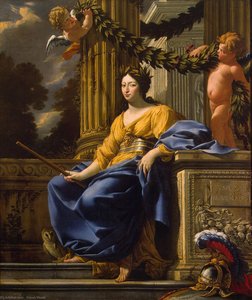
Allegory of Wealth
 Acryl auf Leinwand
- Wandkunst
- French Baroque
 1630
1630- – Frühe Neuzeit
 170.0 x 124.0 cm
 Louvre
 Mehr anzeigen
Handgefertigte Ölreproduktion
Handgemaltes Ölgemälde auf Leinwand in Ihrer Wunschgröße und mit Rahmen, auf Bestellung von unseren Künstlern angefertigt. ( Zum Druck wechseln Zum digitalen Bild wechseln)




P118B $10

P118H $10

P118W $10

P438Z $10

P508JH $12

P508YH $12

P805H $10

P805Z $10

P919BZ $10

P919G $10

P919XJ $10

P959ZH $10

P968JZ $12

W106C $8

W218G $10

W218JH $8

W218Y $10

W307PJ $10

W316G $10

W316PJ $8

W316Y $10

W398PJ $8

W4111J $10

W500HY $15

W500JH $15

W692G $12

W849H $8

W940BG $15

W953PJ $8




Wählen Sie aus unseren vordefinierten Formaten, die den ursprünglichen Proportionen des Kunstwerks entsprechen.

Sie können Ihre eigenen Maße eingeben, um einen bestimmten Rahmen oder Platz auszufüllen. Wenn die gewählte Größe nicht den Proportionen des Originalbildes entspricht, werden wir das Kunstwerk entweder beschneiden oder das Gemälde durch zusätzliche, handgemalte Elemente erweitern. Ein digitales Mockup wird Ihnen zur Genehmigung zugesandt, bevor die Produktion beginnt.
Bitte beachten Sie, dass die Bildschirmvorschau nicht die tatsächliche Beschneidung oder Erweiterung widerspiegelt. Nur das Mockup zeigt die endgültige Komposition exakt an.
Obwohl Sondermaße verfügbar sind, empfehlen wir, eine Größe aus der vordefinierten Liste zu wählen, um die ursprünglichen Proportionen beizubehalten.
Nach der Bestellung wird das OriginalUniqueArt.com-Team dem Kunden Anweisungen per E-Mail zusenden und eine Mockup-Vorschau bereitstellen.
Weltweiter Versand () in nur 3 bis 4 Wochen statt der üblichen 5 Wochen. (18 September). Keine Kompromisse bei der Qualität.

Kostenloser weltweiter Expressversand

Hochwertige Leinenleinwand

Vollständiger Versicherungsschutz beim Versand

Zollgebühren-Rückerstattungsgarantie

Garantie für exakte Farbtreue

100-tägiges Rückgaberecht (nur bei Mängeln)

100% Geld-zurück-Garantie

Angebot für Mengenrabatt
 Die Glasoption ist nur für Größen unter 110 cm verfügbar.

Allegory of Wealth
Reproduktionsmedium
Format der Reproduktion
-


Gesamtpreis
$ 300
Simon Vouet’s *Allegory of Wealth*: A Baroque Tapestry of Fortune
Simon Vouet's 1630 *Allegory of Wealth* is not merely a painting; it’s an immersive experience, a meticulously crafted tableau that speaks volumes about the values and aspirations of 17th-century France. Commissioned during a period of burgeoning royal power and opulent patronage, this work embodies the Baroque aesthetic's dramatic use of light, color, and symbolism to convey complex ideas – in this case, the multifaceted nature of prosperity. Vouet, a pivotal figure bridging the gap between Mannerism and the full force of the Baroque, masterfully employs his Italian training to create a scene that is both visually stunning and intellectually stimulating.
The painting depicts a serene yet undeniably lavish interior setting, dominated by a woman – clearly representing wealth itself – seated amidst an abundance of symbolic objects. She’s enveloped in a flowing gown of rich gold fabric, immediately establishing the central theme. Her gaze is fixed on two cherubic children, one reaching for her hand and the other presenting her with a small, ornate box—a potent symbol of inheritance and future prosperity. The composition isn't chaotic; rather, it’s carefully balanced, drawing the eye through a series of interconnected elements that reinforce the central message: wealth is not simply material possessions but also encompasses familial bonds and the promise of continuation.
The Language of Baroque Symbolism
Vouet’s genius lies in his ability to infuse everyday objects with profound meaning. Observe, for instance, the urns scattered across the floor – emblems of luxury and refinement. A partially open book suggests knowledge and wisdom, implying that true wealth extends beyond mere material gain. The laurel wreath adorning the woman's head signifies victory and honor, associating prosperity with achievement and status. Even the positioning of the cherubs is deliberate; their gestures and expressions subtly guide the viewer’s interpretation, reinforcing the painting’s allegorical narrative.
The use of light is particularly noteworthy. Vouet skillfully employs chiaroscuro – a dramatic contrast between light and shadow – to highlight key elements within the composition. The woman in gold is bathed in a warm, inviting glow, drawing attention to her as the focal point. Shadows subtly delineate the background, creating depth and enhancing the sense of grandeur. This masterful manipulation of light not only adds visual drama but also serves to elevate the subject matter, imbuing it with an aura of importance and timelessness.
A Window into 17th-Century France
*Allegory of Wealth* offers a fascinating glimpse into the social and cultural landscape of 17th-century France. During this era, the monarchy was actively promoting art as a means of projecting power and reinforcing its authority. Royal commissions like this one were intended to showcase the nation’s wealth, sophistication, and artistic prowess. Vouet's work reflects these ambitions, presenting an idealized vision of prosperity that resonated with the values of the court.
Furthermore, the painting speaks to a broader philosophical debate about the nature of wealth – its pursuit, its consequences, and its relationship to virtue. While material possessions are undeniably present, they’re presented within a context of familial love and intellectual pursuits, suggesting that true fulfillment lies not merely in accumulating riches but also in cultivating meaningful relationships and engaging with the world around us. It's a timeless message rendered with exquisite artistry.
Bringing *Allegory of Wealth* Home
OriginalUniqueArt offers meticulously crafted hand-painted reproductions of Simon Vouet’s *Allegory of Wealth*, allowing you to experience this Baroque masterpiece in stunning detail and vibrant color. Whether displayed in a grand salon or a cozy study, our reproductions capture the painting's dramatic atmosphere and profound symbolism with remarkable accuracy. Invest in a piece of art history – order your reproduction today and bring the elegance and wisdom of *Allegory of Wealth* into your home.
Biografie des Künstlers
Simon Vouet: Ein Pionier der französischen Barockmalerei
- Geboren: 9. Januar 1590, Paris, Frankreich
- Gestorben: 30. Juni 1649, Paris, Frankreich
Simon Vouet war eine zentrale Figur im Übergang der französischen Malerei vom Manierismus zum Barockstil. Geboren in einer künstlerischen Familie – sein Vater Laurent war Maler und sein Bruder Aubin widmete sich ebenfalls der Kunst –, erhielt Vouet eine frühe Ausbildung, die den Grundstein für seinen späteren Erfolg legte. Sein Enkel Ludovico Dorigny würde das künstlerische Erbe der Familie fortsetzen.
Frühe Karriere und italienische Einflüsse (1608-1627)
- Frühe Porträtmalerei: Vouet begann seine Karriere als Porträtist und zeigte früh sein Talent.
- Reise nach England (1608): Schon im Alter von 14 Jahren reiste er nach England, um ein beauftragtes Porträt zu malen, was seinen wachsenden Ruf unterstrich.
- Osmanisches Reich und Venedig: Im Jahr 1611 trat Vouet der Entourage des Baron de Sancy, des französischen Botschafters im Osmanischen Reich, erneut für Porträtarbeiten bei. Diese Reise führte ihn durch Konstantinopel und anschließend nach Venedig im Jahr 1612.
- Rom (1614-1627): Seine Zeit in Rom erwies sich als transformativ. Er blieb dort dreizehn Jahre lang und tauchte ein in die lebendige Kunstszene der aufstrebenden Barockzeit.
Während seines italienischen Aufenthalts absorbierte Vouet eine Vielzahl von Einflüssen. Er studierte die dramatischen Lichtführungstechniken, die Caravaggio begründete, übernahm Elemente des italienischen Manierismus und analysierte akribisch die Farbpaletten und die di sotto in su (Unter-von-oben-Perspektive), die Paolo Veronese verwendete. Er ließ sich auch von den Werken von Carracci, Guercino, Lanfranco und Guido Reni inspirieren und synthetisierte diese vielfältigen Stile zu einer einzigartigen künstlerischen Vision.
Entwicklung des charakteristischen Stils Vouets
- Wahl in die Accademia di San Luca (1624): Sein Erfolg in Rom gipfelte in seiner Wahl zum Präsidenten der angesehenen Accademia di San Luca, ein Beweis für seine Fähigkeiten und Anerkennung innerhalb der italienischen Kunstwelt.
- Synthese von Einflüssen: Vouets Stil zeichnete sich durch seine Fähigkeit aus, verschiedene künstlerische Einflüsse aufzunehmen und zu destillieren. Er kopierte nicht einfach; er integrierte diese Elemente in eine kohärente und ausgesprochen italienisch geprägte Barockästhetik.
- Einführung des Barocks nach Frankreich: Nach seiner Rückkehr nach Frankreich im Jahr 1627 spielte Vouet eine entscheidende Rolle bei der Einführung des italienischen Barockstils in die französische Malerei und beeinflusste damit maßgeblich die künstlerische Landschaft des Landes.
Wichtige Errungenschaften und Vermächtnis
- Premier peintre du Roi: Vouet wurde zum Premier peintre du Roi (Erster Maler des Königs) ernannt – eine Position von beträchtlichem Prestige und Einfluss.
- Produktiv Werkstatt: Er unterhielt eine große und aktive Werkstatt, in der zahlreiche Künstler ausgebildet wurden, die die nächste Generation französischer Maler prägen sollten.
- Bemerkenswerte Schüler: Zu seinen einflussreichsten Schülern gehörten Charles Le Brun (der später alle dekorativen Arbeiten in Versailles organisierte), Valentin de Boulogne, Charles Alphonse du Fresnoy, Pierre Mignard, Eustache Le Sueur und Claude Mellan.
- Einfluss auf die französische Kunst: Vouets Einfluss erstreckte sich über seine eigenen Werke hinaus; seine Schüler trugen seinen Stil und seine Techniken in ganz Frankreich fort und etablierten eine unverwechselbare Barockschule der Malerei. Sein Einfluss ist besonders deutlich in den prunkvollen dekorativen Gestaltungskonzepten zu erkennen, die von Ludwig XIV. in Auftrag gegeben wurden.
Historische Bedeutung
Simon Vouets Vermächtnis beruht auf seiner entscheidenden Rolle als Brücke zwischen italienischer und französischer Kunst. Er importierte erfolgreich den Dynamismus und die Pracht des italienischen Barocks und verwandelte ihn in einen Stil, der bei dem französischen Hofstaat und Adel Anklang fand. Sein Einfluss ist unbestreitbar in der Entwicklung der französischen Malerei im 17. Jahrhundert, und seine Beiträge werden von Kunsthistorikern bis heute anerkannt.

Simon Vouet
1590 - 1649 , Frankreich
Eckdaten zum Künstler
- Beeinflusste Künstler:
- Charles Le Brun
- Valentin de Boulogne
- Eustache Le Sueur
- Bemerkenswerte Werke:
- Der Reichtum
- Gaucher de Châtillon
- Venus und Adonis
- Apotheose des Hl. Louis
- Geburtsdatum: 9. Januar 1590
- Geburtsort: Paris, Frankreich
- Künstlerische Einflüsse:
- Caravaggio
- Paolo Veronese
- Carracci
- Guercino
- Lanfranco
- Guido Reni
- Künstlerische Richtung: Barockmalerei
- Nationalität: Französisch
- Todatum: 30. Juni 1649
- Vollständiger Name: Simon Vouet
Verwandte Artikel
Charles Le Brun: Master of French Baroque Classicism & His Enduring Legacy
Explore the life & art of Charles Le Brun, master of French Baroque Classicism. Discover his royal commissions, influence on Versailles, and enduring legacy through detailed analysis & stunning artworks.

The Dramatic Flourish: Exploring the Baroque Movement's Enduring Legacy in Art History
Explore the dramatic world of Baroque art! Discover iconic artists like Caravaggio & Rubens, defining techniques, and its lasting impact on art history. Expert insights for collectors & enthusiasts at OriginalUniqueArt.
Simon Vouet: Vom italienischen Barock zum französischen Klassizismus – Eine künstlerische Reise
Entdecken Sie das Leben und Werk von Simon Vouet, dem Pionier des italienischen Barock in Frankreich! Erfahren Sie mehr über seinen künstlerischen Werdegang, seine wichtigsten Gemälde und seinen nachhaltigen Einfluss auf die französische Malerei. Jetzt lesen!

Barocke Pracht: Wie Sie Opulenz und Emotionen in zeitgenössische Innenräume bringen
Entdecken Sie die Pracht des Barock! Expertenratgeber für luxuriöse Innenräume mit barocken Elementen. Inspiration, Tipps & hochwertige Kunst bei .

Barock Meisterwerke: Die 10 prägendsten Kunstwerke für Ihr Zuhause |
Entdecken Sie die 10 prägendsten Meisterwerke des Barock! Caravaggio, Rembrandt & Co. – Erfahren Sie die Geschichten hinter ikonischen Gemälde und finden Sie hochwertige Kunst Reproduktionen für Ihr Zuhause auf .