

 Vorschau anzeigen
 Versenden
 Teilen
 Details anzeigen
 Leitfaden

 Herunterladen
 Ähnliche Objekte
 Röntgenaufnahme
 Diashow
 Statistiken
Grass and Insects


 Weiterlesen
Handgefertigte Ölreproduktion
Handgemaltes Ölgemälde auf Leinwand in Ihrer Wunschgröße und mit Rahmen, auf Bestellung von unseren Künstlern angefertigt. ( Zum Druck wechseln Zum digitalen Bild wechseln)




P118B €10

P118H €10

P118W €10

P438Z €10

P508JH €12

P508YH €12

P805H €10

P805Z €10

P919BZ €10

P919G €10

P919XJ €10

P959ZH €10

P968JZ €12

W106C €8

W218G €10

W218JH €8

W218Y €10

W307PJ €10

W316G €10

W316PJ €8

W316Y €10

W398PJ €8

W4111J €10

W500HY €15

W500JH €15

W692G €12

W849H €8

W940BG €15

W953PJ €8




Wählen Sie aus unseren vordefinierten Formaten, die den ursprünglichen Proportionen des Kunstwerks entsprechen.

Geben Sie die Breite und die Höhe an, die Sie für Ihren Rahmen oder Ihre Wand benötigen. Da dieses Werk handgemalt ist, kann der Künstler bei einer anderen Form etwas mehr um das Bild herum malen oder etwas abschneiden – Sie entscheiden. Wir senden Ihnen ein digitales Mockup zur Freigabe, bevor mit dem Malen begonnen wird. Das auf dieser Seite gezeigte Bild stellt nicht das tatsächliche Ergebnis dar – dies tut nur das Mockup.
Nach der Bestellung wird das OriginalUniqueArt.com-Team dem Kunden Anweisungen per E-Mail zusenden und eine Mockup-Vorschau bereitstellen.
Weltweiter Versand () in nur 3 bis 4 Wochen statt der üblichen 5 Wochen. (25 Oktober). Keine Kompromisse bei der Qualität.

Kostenloser weltweiter Expressversand

Hochwertige Leinenleinwand

Umfassender Versicherungsschutz beim Versand

Zollgebühren-Rückerstattungsgarantie

Garantie für exakte Farbtreue

100 Tage Rückgaberecht (nur bei Mängeln)

100% Geld-zurück-Garantie

Mengenrabatt verfügbar
 Die Glasoption ist nur für Größen unter 110 cm verfügbar.

Grass and Insects
Art der Reproduktion
Format der Reproduktion
-


Endpreis
€ 263
Sin Saimdang's "Grass and Insects": A Window into Joseon Dynasty Korea
“Grass and Insects,” painted in 1500 by the remarkable Sin Saimdang, offers a captivating glimpse into the artistic sensibilities of the Joseon dynasty. This exquisite piece, part of a ten-panel folding screen, transcends mere botanical illustration; it’s a vibrant testament to a woman's creative genius within a rigidly structured society. Born in Gangneung in 1504, Saimdang was far more than just a painter – she was a poet, calligrapher, and writer, deeply connected to her family’s legacy at Ojukheon, a site still preserved as a cultural treasure today. The painting's meticulous detail and luminous colors speak volumes about the artistic traditions of the time, reflecting a profound appreciation for nature’s beauty and a mastery of brushwork that would influence generations of Korean artists.
A Symphony of Natural Detail
The scene depicted is a meticulously rendered garden teeming with life. Saimdang's skill lies in her ability to capture the essence of each element – from the plump watermelons and vibrant eggplants to the delicate poppies, hibiscus, and intricate patterns of cockscomb feathers and princess flowers. A remarkable array of insects populate the composition: long-headed grasshoppers, frogs, lizards, dragonflies, dung beetles, mantises, and cicadas, each rendered with astonishing precision. The inclusion of bees flitting around a purple flower highlights the artist's keen observation of the natural world and her ability to translate it onto silk. This isn’t simply a representation; it’s an immersive experience of a Korean garden at its most vibrant.
Technique and Symbolism
The painting is executed with characteristic fine brushstrokes, a hallmark of Saimdang's style, and employs vivid colors achieved through mineral pigments – a testament to the sophisticated techniques employed during the Joseon period. The tenth panel adds another layer of meaning, featuring a critique by O Sechang, a prominent art critic of the time. This suggests that Saimdang’s work was not only admired for its aesthetic qualities but also subjected to rigorous artistic evaluation, reflecting the importance placed on scholarly discourse within Korean art circles. The selection of specific plants and insects likely held symbolic significance, though interpretations vary; watermelons often represented prosperity, while certain flowers were associated with particular virtues or seasons.
Historical Context and Legacy
Created in 1500, “Grass and Insects” provides a valuable window into the artistic landscape of the Joseon dynasty. Saimdang’s work stands as a remarkable achievement for a woman operating within a patriarchal society where artistic pursuits were often considered secondary to domestic duties. Her influence extended beyond her own creations; she mentored younger artists and contributed significantly to the development of Korean painting techniques. Today, reproductions of this stunning artwork offer an opportunity to appreciate not only Saimdang’s exceptional talent but also the rich cultural heritage of Korea – a legacy that continues to inspire awe and admiration.
Fragen & Antworten
Welche Farbe dominiert in "Grass and Insects" von Shin Saimdang?
Driftwood (#c99865) ist die dominierende Farbe von "Grass and Insects" von Shin Saimdang.
Wo kann ich einen Druck von "Grass and Insects" von Shin Saimdang kaufen?
Einen Druck von "Grass and Insects" von Shin Saimdang können Sie direkt auf der entsprechenden Kunstdruck in Premiumqualität-Seite bestellen: ein Fine Art Print auf Baumwollkanvas oder Archiv-Leinwandpapier.
Welche Stellung nimmt „Grass and Insects“ unter den wiederkehrenden Motiven von Shin Saimdang ein?
Unter den dokumentierten Themen von Shin Saimdang – an gyeon influence, korean court culture, female artistic legacy, ten-panel screen format, o sechang critique – setzt „Grass and Insects“ einen ganz eigenen Fokus auf korean painting, shin saimdang, folding screen, plants & insects, joseon dynasty, calligraphy critique, garden scene.
Künstlerbiografie
Eine wegweisende Künstlerin der Joseon-Dynastie in Korea
Shin Saimdang, eine vielseitige Künstlerin aus Südkorea, lebte während der Joseon-Zeit und hinterließ eine unauslöschliche Spur in der koreanischen Kunstgeschichte. Geboren am 29. Oktober 1504 in Gangneung, Provinz Gangwon, war sie nicht nur Malerin, sondern auch Schriftstellerin, Kalligraphin und Dichterin.Frühes Leben und künstlerische Anfänge
Die künstlerischen Talente von Shin Saimdang zeigten sich bereits in jungen Jahren. Schon im Alter von sieben Jahren imitierte sie den Malstil von An Gyeon, einem weiteren bedeutenden koreanischen Künstler. Ihr Geburtsort, Ojukheon, der auch das Haus ihrer mütterlichen Familie ist, ist bis heute wunderbar erhalten geblieben.Künstlerische Beiträge und Stil
Die Gemälde von Shin Saimdang, die durch feine Pinselstriche und lebendige Farben bestechen, sind Teil eines zehnteiligen Faltbildschirms. Ihre Werke, wie etwa Gräser und Insekten, zeigen eine Vielfalt an Motiven, darunter Wassermelonen, Auberginen, Mohnblumen, Hibiskus und verschiedene Insekten. Diese Gemälde können im Nationalmuseum Korea (Seoul, Südkorea) bewundert werden, wo sie nach wie vor Kunstliebhaber inspirieren.- Betrachten Sie die Kunstwerke von Shin Saimdang auf OriginalUniqueArt: https://OriginalUniqueArt.com/@/shin-saimdang
- Erkunden Sie die Sammlung des Nationalmuseums Korea: /de/art/show/national-museum-of-korea-seoul/
- Entdecken Sie mehr über die Kunstbewegung der Joseon-Dynastie: die Kunstbewegung der Joseon-Dynastie
Vermächtnis und Wirkung
Das Vermächtnis von Shin Saimdang reicht weit über ihr künstlerisches Schaffen hinaus, da sie auch als Mutter von Yi I bekannt ist, einem angesehenen Gelehrten und Politiker der Joseon-Dynastie. Ihr Leben und ihr Werk dienen als Inspiration für viele und verkörpern die Essenz der koreanischen Kunst während der Joseon-Ära. Wichtige Kunstwerke von Shin Saimdang:- Gräser und Insekten (Nationalmuseum Korea, Seoul, Südkorea)
- Weitere bedeutende Werke mit feinen Pinselstrichen und klaren, lebendigen Farben, Teil eines zehnteiligen Faltbildschirms.
- An Gyeon, ein weiterer prominenter koreanischer Maler der frühen Joseon-Zeit.

Shin Saimdang
1504 - 1551 , Südkorea
Kurzinfos
- Artistic Movement Or Style: Joseon Dynastie Kunst
- Artists Who Influenced This Artist: ['An Gyeon']
- Date Of Birth: October 29, 1504
- Date Of Death: June 20, 1551
- Full Name: Shin Saimdang
- Nationality: Korean
- Notable Artworks: ['Grass and Insects']
- Place Of Birth: Gangneung, Südkorea
Ähnliche Artikel
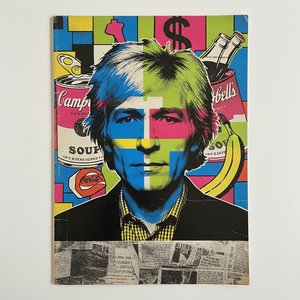
Andy Warhol: Dekonstruktion der Popkultur und Neudefinition künstlerischen Ausdrucks
Entdecken Sie Andy Warhols revolutionäre Pop Art! Analysen ikonischer Werke, Einblicke in seine künstlerischen Techniken und die Bedeutung für die moderne Kunst. Expertenwissen für Sammler & Kenner.

Industrielle Ästhetik: Wie Siebdruck und Ben-Day-Dots die visuelle Sprache der Pop Art revolutionierten
Erfahren Sie alles über Lichtensteins Technik und die Revolution der Pop Art durch Ben-Day-Dots. Jetzt Kunstgeschichte tiefgreifend verstehen!

Deine Fotos als Anime-Meisterwerk: Verwandle flüchtige Erinnerungen in zeitlose, handgemalte Kunstwerke für dein Zuhause
Verwandle deine liebsten Fotos in exklusive Anime-Meisterwerke. Unsere professionellen Künstler erschaffen handgemalte Ölgemälde auf Leinwand, die digitale Momente in zeitlose Kunst verwandeln. Erlebe höchste Qualität und emotionale Tiefe für dein Zuhause. Jetzt entdecken!
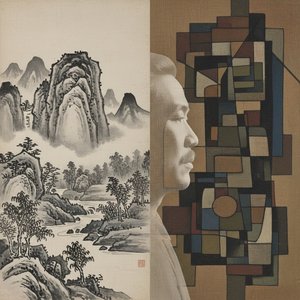
Yi Eungro: Bridging East & West in the Landscape of Korean Modernism
Explore the captivating world of Yi Eungro (Lee Ungno), a pivotal figure in Korean modernism. Discover his unique fusion of Eastern and Western artistic traditions, abstract masterpieces, and lasting legacy. A must-read for discerning art collectors.
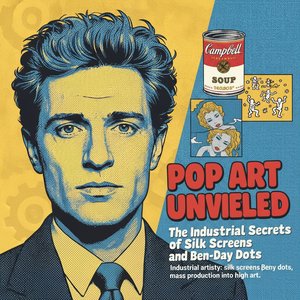
Mechanische Präzision: Die industrielle Ästhetik von Siebdruck und Ben-Day-Dots in der Pop Art
Erfahren Sie alles über Lichtensteins Technik und die Ästhetik der Pop Art. Entdecken Sie die Welt der Ben-Day-Dots jetzt!
