- Startseite

- Auf Leinwand drucken
- Sébastien Bourdon
- Abraham et les anges
 Gemälde kaufen Bild kaufen
 Versenden
 Teilen
 Details anzeigen
 Zu Favoriten hinzufügen

 Herunterladen
 Ähnliche Objekte
 Röntgenaufnahme
 Diashow anzeigen
Abraham et les anges


 Weiterlesen
Giclée / Kunstdruck
Giclée- oder Leinwanddruck in Museumsqualität mit schneller Produktion und flexiblen Veredelungsoptionen.




P118B $10

P118H $10

P118W $10

P438Z $10

P508JH $12

P508YH $12

P805H $10

P805Z $10

P919BZ $10

P919G $10

P919XJ $10

P959ZH $10

P968JZ $12

W106C $8

W218G $10

W218JH $8

W218Y $10

W307PJ $10

W316G $10

W316PJ $8

W316Y $10

W398PJ $8

W4111J $10

W500HY $15

W500JH $15

W692G $12

W849H $8

W940BG $15

W953PJ $8




Wählen Sie aus unseren vordefinierten Größen, die den ursprünglichen Proportionen des Kunstwerks entsprechen.

Sie können Ihre eigenen Maße eingeben, um ein bestimmtes Format oder einen speziellen Platz einzupassen. Wenn das von Ihnen gewählte Format nicht den Proportionen des Originalbildes entspricht, werden wir das Kunstwerk entweder beschneiden oder das Bild mit einem gespiegelten oder einfarbigen Rand erweitern. Ein digitaler Entwurf wird Ihnen zur Genehmigung zugesandt, bevor die Produktion beginnt.
Bitte beachten Sie, dass die Vorschau auf dem Bildschirm nicht den tatsächlichen Zuschnitt oder die Erweiterung widerspiegelt. Nur der Entwurf zeigt die endgültige Komposition präzise an.
Obwohl Sondermaße verfügbar sind, empfehlen wir die Auswahl eines Maßes aus der vordefinierten Liste, um die ursprünglichen Proportionen zu bewahren.
Weltweiter Versand () innerhalb von 2 Wochen statt der üblichen 4/5 Wochen. (21 Juli)

Kostenloser weltweiter Expressversand

Hochwertige Leinenleinwand

Umfassender Versicherungsschutz beim Versand

Zollsteuer-Rückerstattungsgarantie

Garantie für echte Farbtreue

60-Tage-Rückgaberecht (nur bei Mängeln)

100% Geld-zurück-Garantie

Mengenrabatt verfügbar
 Die Glasoption ist nur in Größen unter 110 cm verfügbar.

Abraham et les anges
Giclée / Kunstdruck
Größe der Reproduktion
-


Endpreis aller Optionen
-
Beschreibung des Sammlerstücks
Abraham et les anges: A Baroque Tapestry of Faith and Hospitality
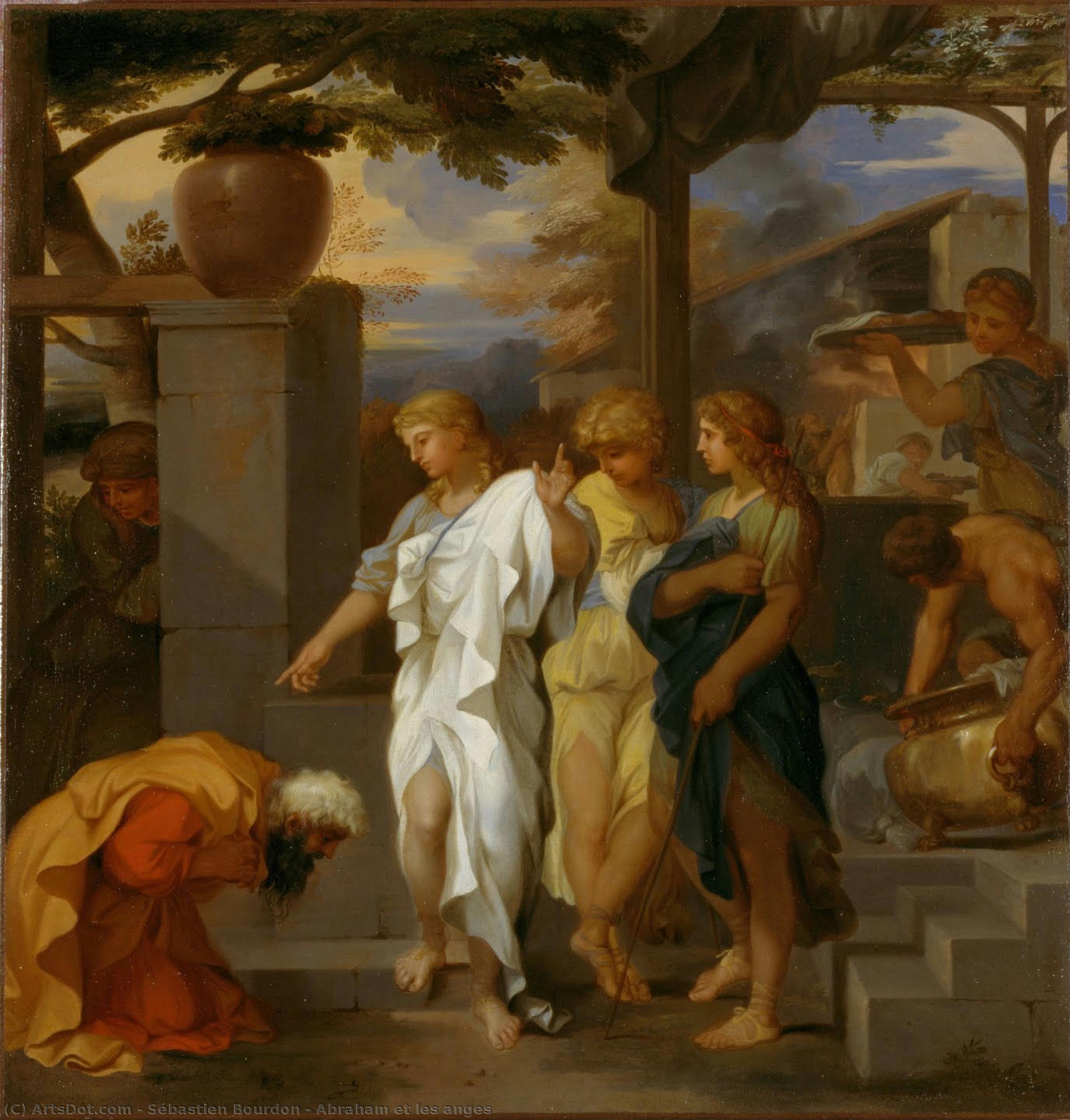
Sébastien Bourdon’s “Abraham et les anges” (Abraham and the Angels) is not merely a biblical depiction; it's a profound meditation on faith, generosity, and divine intervention rendered with the dramatic intensity characteristic of the late 17th-century Baroque. Painted between 1653 and 1657 during Bourdon’s Parisian period – a time when he was working for the influential Duke de Chevreuse – this small-scale oil painting offers a glimpse into a world where religious narrative intertwined seamlessly with aristocratic patronage. The scene, drawn from Genesis chapter 18, captures a pivotal moment: Abraham's extraordinary hospitality to three angelic visitors who announce the imminent birth of his son Isaac. It’s a tableau brimming with layered symbolism and executed with a masterful command of light, shadow, and human form.
Bourdon’s artistic lineage is immediately apparent. He was deeply influenced by the Roman Baroque masters – particularly Caravaggio – and this influence manifests in the painting's stark contrasts and dramatic use of chiaroscuro. The composition is carefully constructed to draw the viewer’s eye towards Abraham, a figure kneeling in humble deference before the radiant angels. Their forms are sculpted with meticulous detail, each fold of drapery rendered with an almost sculptural quality. Notice how Bourdon uses light not just to illuminate figures but also to create a sense of depth and atmosphere – the warm glow emanating from the angels contrasts sharply with the darker recesses of the courtyard setting, emphasizing the sacredness of the encounter.
The Courtyard of Mambré: Setting and Symbolism
The painting’s setting—a courtyard or porch, likely inspired by classical Roman architecture—is crucial to its meaning. The reference to “Mambré” (a biblical figure associated with a sacred oak) immediately anchors the scene in the Old Testament narrative. This architectural detail subtly elevates the earthly realm of Abraham's home into something imbued with divine significance. The arrangement of figures within this space is deliberate; Abraham, at the center, represents humanity’s capacity for faith and obedience. The angels, messengers of God, embody divine grace and intervention. And Sarah, though unseen, is the silent recipient of this miraculous promise – a symbol of hope and future fertility.
Beyond the immediate narrative, the scene resonates with broader themes of hospitality and welcoming the stranger. Abraham’s willingness to offer food and shelter to uninvited guests reflects a core tenet of Jewish faith: treating all people with kindness and compassion, regardless of their background or status. This act of generosity is not simply an earthly gesture; it's presented as a demonstration of Abraham’s unwavering loyalty to God.
Bourdon’s Technique and the Parisian Baroque
Bourdon’s skill lies in his ability to synthesize diverse influences into a distinctly personal style. While he clearly admired Caravaggio’s dramatic lighting, he also incorporated elements of the French courtly tradition – evident in the refined drapery and the elegant poses of the figures. His brushwork is remarkably controlled, creating a surface that is both luminous and textured. The use of rich pigments—particularly golds and reds—contributes to the painting's overall sense of opulence and grandeur.
Furthermore, “Abraham et les anges” provides valuable insight into the artistic climate of Paris during Bourdon’s time. It exemplifies the flourishing Baroque movement that was transforming the city’s art scene. Bourdon’s work reflects a shift away from the more restrained Mannerism of earlier periods and towards a greater emphasis on emotional expression, dramatic composition, and dynamic movement – characteristics that would define the French Baroque for decades to come.
A Timeless Reflection: The Emotional Resonance
Despite its historical context, “Abraham et les anges” continues to resonate with viewers today. The painting’s depiction of faith, generosity, and divine grace transcends time and culture. It invites us to contemplate the meaning of hospitality, the importance of compassion, and the enduring power of belief. The subtle expressions on Abraham's face—a mixture of humility, wonder, and anticipation—capture a profound human experience: the recognition of something greater than oneself. It’s a work that speaks not only to the eye but also to the heart, offering a timeless meditation on the mysteries of faith and the enduring values of humanity.
Biografie des Künstlers
Sébastien Bourdon: Ein Meister des dramatischen Lichts und der Emotion
Sébastien Bourdon (1616 – 1671) steht als zentrale Figur im aufblühenden künstlerischen Gefüge des XVII. Jahrhunderts Frankreichs und verkörpert die Pracht und emotionale Intensität, die für das Barocktypisch sind. Geboren in Montpellier, Frankreich, stammt er aus einer Familie, die tief verwurzelt ist in künstlerischer Tradition – sein Vater war Glasmaler –, und erhielt eine frühe Bildung, die ihm eine ausgeprägte Wertschätzung für Erzählkunst vermittelte. Bourdons frühe Jahre waren geprägt von Ausbildungszeit unter Jean Baptiste Tourneyn, einem Pariser Maler, der ihn mit den stilistischen Konventionen seiner Zeit konfrontierte. Entscheidend dafür war diese Ausbildung, die eine Verbindung zum künstlerischen Strom aus Rom förderte, wo er 1636 eine transformative Reise machte. Inspiriert von Persönlichkeiten wie Nicolas Poussin, Claude Lorrain und Caravaggio – Künstlern, deren Meisterhaftigkeit Bourdons Vorstellungskraft fesselte –, perfektionierte er seine Fähigkeiten inmitten des intellektuellen Enthusiasmus des päpstlichen Hofes. Bourdons künstlerischer Stil zeichnet sich durch außergewöhnliche Vielseitigkeit und Anpassungsfähigkeit aus. Während er sich hervorragend in der Porträtkunst zeigte, indem er Figuren mit Sensibilität und Nuancen einfing – oft unter Verwendung eines Rubensschen Ansatzes oder indem er eine intime Brustbildhaltung gegen gedämpfte Hintergründe bevorzugte –, bewies er ebenso Können in monumentalen Leinwänden, die mit Barockdrama durchdrungen waren. Sein berühmtester Erfolg blieb „Die Kreuzigung des Apostel Petrus“, eine Auftragsarbeit für den Dom von Notre Dame und ein Meisterwerk, das Bourdons meisterhafte Beherrschung von Chiaroscuro und seine Fähigkeit zur Übertragung tief empfundener religiöser Emotionen demonstrierte. Weitere bedeutende Werke sind „Die Absetzung“, die Bourdons sorgfältige Aufmerksamkeit zum Detail und seine Fähigkeit zeigt, Szenen darzustellen, die mit deutlicher Trauer erfüllt sind. Sein künstlerisches Werk erstreckte sich über religiöse Aufträge hinaus; Er schuf beeindruckende Landschaften, die den Glanz der italienischen Landschaft widerspiegelten und damit eine umfassendere Beschäftigung mit humanistischen Idealen zum Ausdruck brachte. Bourdon wurde von Jean Baptiste Tourneyn ausgebildet und arbeitete später für einen Maler in Paris. Sein Einfluss erstreckte sich über Frankreich hinaus und etablierte ihn als Gründer der Académie royale de peinture et de sculpture in Paris und wurde damit zu einem wichtigen Vertreter seiner Zeit. Er förderte eine umfangreiche Werkstatt und unterstützte die Karriere zahlreicher Schüler, die sein künstlerisches Erbe weitergetragen haben. Bourdons Hingabe an Handwerk und unerschütterliche Suche nach Exzellenz sicherten ihm einen Platz als einer der bedeutendsten Maler seiner Epoche. Seine Gemälde inspirieren bis heute Bewunderung für ihre technische Brillanz und emotionale Tiefe und bestätigen Bourdon's Stellung als Eckpfeiler der französischen Kunstgeschichte.
Sébastien Bourdon
1616 - 1671 , Frankreich
Kurzinfos
- Artistic Movement Or Style: Barock
- Artists Or Movements Influenced By This Artist: ['Französische Barockkunst']
- Artists Who Influenced This Artist:
- Nicolas Poussin
- Claude Lorrain
- Caravaggio
- Date Of Birth: 2 Februar 1616
- Date Of Death: 8 Mai 1671
- Full Name: Sébastien Bourdon
- Nationality: Französisch
- Notable Artworks: ['Die Kreuzigung des Petrus']
- Place Of Birth: Montpellier, Frankreich
Ähnliche Artikel

Abraham Hulk Senior und die maritime Topographie des niederländischen Goldenen Zeitalters: Eine Pionierleistung
Entdecken Sie das Werk von Abraham Hulk Senior, einem Pionier der niederländischen Marinemalerei des Goldenen Zeitalters. Erfahren Sie mehr über seine einzigartige Topographie und seinen Einfluss auf nachfolgende Künstler – mit Expertenwissen von OriginalUniqueArt.
Illuminating Faith: Biblical Narrative & Artistic Expression Through the Ages
Explore the rich history of biblical art from Giotto to the Renaissance masters with OriginalUniqueArt. Discover symbolism, techniques & enduring legacies. Museum-quality reproductions & expert insights.
Illuminating Faith: Biblical Scenes & Their Enduring Legacy in Art History
Explore the profound history of biblical art! Discover Renaissance masterpieces by Giotto & more. Uncover symbolism, artistic techniques, and lasting influence. Expert insights at OriginalUniqueArt.
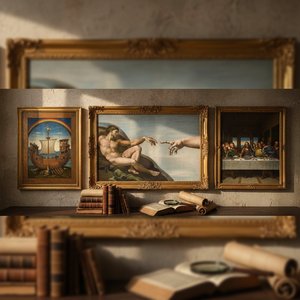
Sacred Narratives on Canvas: Exploring Biblical Art Across Centuries
Explore the rich history of biblical art from Giotto to the Renaissance masters. Discover symbolism, techniques & enduring legacies with OriginalUniqueArt – your source for museum-quality reproductions and expert art insights.
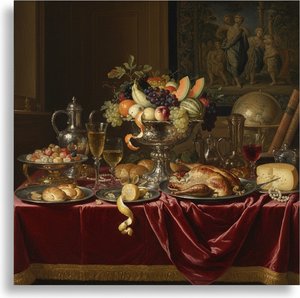
Abraham Hendricksz van Beyeren: Pioneering Dutch Still Life & the Banquet Tradition
Explore the captivating world of Dutch Golden Age still life with Abraham van Beyeren. Discover his innovative techniques, symbolic banquet scenes & lasting influence on art history. Learn about collecting these masterpieces.