

 In echtem Maßstab anzeigen
 Versenden als Grußkarte
 Teilen
 Details anzeigen
 Leitfaden öffnen

 Herunterladen
 Ähnliche Objekte
 Röntgenaufnahme
 Diashow
 Besucherstatistiken
Esquisse pour les sépulchres


 Mehr anzeigen
Giclée / Kunstdruck
Giclée- oder Leinwanddruck in Museumsqualität mit schneller Produktion und flexiblen Veredelungsoptionen. ( Handgemalte Reproduktion kaufen Zum digitalen Bild wechseln)




P118B $10

P118H $10

P118W $10

P438Z $10

P508JH $12

P508YH $12

P805H $10

P805Z $10

P919BZ $10

P919G $10

P919XJ $10

P959ZH $10

P968JZ $12

W106C $8

W218G $10

W218JH $8

W218Y $10

W307PJ $10

W316G $10

W316PJ $8

W316Y $10

W398PJ $8

W4111J $10

W500HY $15

W500JH $15

W692G $12

W849H $8

W940BG $15

W953PJ $8




Wählen Sie aus unseren vordefinierten Formaten, die den ursprünglichen Proportionen des Kunstwerks entsprechen.

Sie können Ihre eigenen Maße eingeben, um ein bestimmtes Format oder einen speziellen Platz einzupassen. Wenn das von Ihnen gewählte Format nicht den Proportionen des Originalbildes entspricht, werden wir das Kunstwerk entweder beschneiden oder das Bild mit einem gespiegelten oder einfarbigen Rand erweitern. Ein digitaler Entwurf wird Ihnen zur Genehmigung zugesandt, bevor die Produktion beginnt.
Bitte beachten Sie, dass die Vorschau auf dem Bildschirm nicht den tatsächlichen Zuschnitt oder die Erweiterung widerspiegelt. Nur der Entwurf zeigt die endgültige Komposition präzise an.
Obwohl Sondermaße verfügbar sind, empfehlen wir die Auswahl eines Maßes aus der vordefinierten Liste, um die ursprünglichen Proportionen zu bewahren.
Weltweiter Versand () innerhalb von 2 Wochen statt der üblichen 4/5 Wochen. (26 September)

Kostenloser weltweiter Expressversand

Hochwertige Leinenleinwand

Vollständiger Versicherungsschutz beim Versand

Zollgebühren-Rückerstattungsgarantie

Garantie für exakte Farbtreue

100-tägiges Rückgaberecht (nur bei Mängeln)

100% Geld-zurück-Garantie

Angebot für Mengenrabatt
 Die Glasoption ist nur für Größen unter 110 cm verfügbar.

Esquisse pour les sépulchres
Giclée / Kunstdruck
Format der Reproduktion
-


Gesamtpreis
$ 80
A Sketch for Sepulchers: Conca’s Baroque Vision of Mortality
Sebastiano Conca's "Esquisse pour les sépulchres" – a preliminary study for funerary monuments – offers a captivating glimpse into the artist’s meticulous process and profound engagement with themes of death, faith, and the passage of time. Born in Gaeta in 1680, Conca emerged from the fertile artistic environment of Naples, deeply influenced by the masterful techniques of Francesco Solimena, a leading figure of Neapolitan Baroque painting. This formative period instilled within him an understanding of dramatic composition, dynamic movement, and rich color palettes – elements that would become cornerstones of his distinctive style. The sketch itself isn’t merely a preparatory drawing; it's a fully realized miniature world brimming with symbolic weight and technical brilliance, hinting at the grandeur of the final work it intended to inform.
The composition immediately draws the eye towards a central arched structure, reminiscent of a niche or doorway, within which a prominent cross dominates. This vertical axis anchors the scene, drawing the viewer’s gaze upwards toward a celestial realm suggested by the arrangement of angels flanking the archway. Below the cross, a carefully orchestrated group of figures – likely representing mourners or perhaps symbolic representations of souls – cluster around a draped form, its details obscured yet undeniably evocative of mortality. The overall effect is one of restrained drama, characteristic of Conca’s approach to depicting religious subjects. The loose, expressive lines and washes of diluted paint—likely watercolor or oil—suggest an immediacy and spontaneity that belies the sketch's status as a foundational study.
Color, Line, and Light: A Baroque Draftsmanship
Conca’s palette is deliberately muted, dominated by earthy tones – ochre, brown, and reddish-pink – creating a sense of solemnity and gravitas. The limited use of vibrant colors reinforces the sketch's preliminary nature, emphasizing its role as a study for a more fully realized painting. The artist skillfully employs washes to build depth and volume, particularly in the rendering of the angels’ wings and halos, which appear almost luminous against the darker background. Lines are loose and expressive, capturing movement and gesture with remarkable fluidity. The archway itself provides a strong vertical element, contrasting with the flowing lines of the figures below. Circular shapes—a recurring motif in Baroque art—are prominently featured in the depiction of angels’ wings and halos, adding to the composition's dynamic energy.
Symbolism and Spiritual Depth
“Esquisse pour les sépulchres” is rich with religious symbolism. The cross, of course, represents Christ’s sacrifice and offers a pathway to salvation. The angels, positioned as guides and messengers, embody divine presence and offer solace in the face of death. The draped form below the cross likely symbolizes mortality itself – a poignant reminder of human vulnerability and the inevitability of passing. The overall scene speaks to the Baroque fascination with both earthly suffering and spiritual transcendence, inviting contemplation on themes of faith, hope, and the afterlife. Conca’s ability to distill these complex ideas into a single, evocative sketch is a testament to his artistic skill and profound understanding of religious iconography.
A Window into an Artist's Process
This sketch offers a rare opportunity to witness Sebastiano Conca at work – a master craftsman meticulously planning a monumental composition. The unfinished quality of the drawing—the visible brushstrokes, the areas of diluted paint—reveals the artist’s process and invites us to imagine the final painting taking shape. The piece exemplifies the Baroque tradition of preparatory studies, which were often considered as important as the finished artwork itself. Conca's "Esquisse pour les sépulchres" is not simply a sketch; it’s a miniature masterpiece in its own right, offering a compelling glimpse into the mind and hand of one of Italy’s most celebrated Baroque painters.
Biografie des Künstlers
Frühes Leben und Ausbildung
- Geboren: Gaeta, Italien (1680)
- Gestorben: 1764
- Sebastiano Conca wurde in Gaeta geboren, das damals zum Königreich Neapel gehörte.
- Er erhielt seine anfängliche künstlerische Ausbildung unter Francesco Solimena, einem bedeutenden neapolitanischen Maler. Diese grundlegende Periode vermittelte ihm ein starkes Verständnis für Barocktechniken und -ästhetik.
Karriereentwicklung und Römische Zeit
- Im Jahr 1706 zog Conca mit seinem Bruder Giovanni, der ihn unterstützte, nach Rom.
- Die frühen Jahre in Rom waren der Verbesserung seiner Zeichenkünste gewidmet, wobei er hauptsächlich Kreide verwendete.
- Er gewann die Gunst von Kardinal Ottoboni, was zu Aufträgen durch Papst Clemens XI führte. Bemerkenswerte frühe Werke sind ein viel beachtetes "Jeremia" und eine "Assunta".
- Concas Talent wurde erkannt, was zu seiner Ritterschlagung durch den Papst führte.
- Die Zusammenarbeit mit Carlo Maratta an der "Krönung der Santa Cecilia" (1721–24) markierte einen bedeutenden Meilenstein in seiner Karriere.
- Er war mehrfach Direktor der Accademia di San Luca (1729–1731 und 1739–1741), was seinen Stellenwert innerhalb der römischen Kunstgemeinschaft demonstrierte.
Künstlerischer Stil und Einflüsse
- Concas Stil wurde stark von dem Barockmaler Luca Giordano beeinflusst, was sich in seinen dramatischen Kompositionen und lebhaften Farbpaletten zeigt.
- Seine Arbeit entwickelte sich hin zu einem eleganteren Rokoko-Stil, der durch hellere Töne, anmutige Figuren und dekorative Details gekennzeichnet ist.
- Ein wiederkehrendes Motiv in seinen Gemälden ist die Verwendung allegorischer Figuren, wie z. B. Putten (cherubische Figuren), um tiefere Bedeutungen zu vermitteln.
- Kritiker haben eine Tendenz zu elaborierten Details und manchmal überladenen Allegorien selbst in intimeren Szenen festgestellt.
Wichtige Leistungen und Förderung
- Conca genoss während seiner gesamten Karriere weitreichenden offiziellen Beifall und Förderung.
- Er arbeitete für die Savoyer Familie in Turin an Projekten, darunter das Oratorium von San Filippo und Santa Teresa in Venaria (1721–1725) und die Basilika di Superga (1726).
- Er malte Fresken im Ospedale di Santa Maria della Scala in Siena und stellte "Probatica" (das Becken von Siloam) dar.
- In Genua schuf er große allegorische Leinwände für Palazzo Lomellini-Doria (1738–1740).
- Nach seiner Rückkehr 1752 unter der Schirmherrschaft von Karl III. produzierte er bedeutende Werke wie Fresken in der Kirche Santa Chiara (1752–1754) und Leinwände für den Palazzo Caserta.
Vermächtnis und Historische Bedeutung
- Sebastiano Conca war ein produktiver und einflussreicher Maler, der die späte Barock- und Rokoko-Periode überbrückte.
- Er betreute zahlreiche Künstler, darunter Pompeo Battoni, Andrea Casali und Corrado Giaquinto, und trug so zur Entwicklung der italienischen Kunst bei.
- Seine "Ammonimenti" (Ermahnungen), veröffentlicht 1739, lieferten wertvolle Einblicke in seine künstlerische Philosophie und Techniken.
- Concas Fähigkeit, prestigeträchtige Aufträge von Päpsten, Königen und prominenten Förderern zu erhalten, festigte seinen Ruf als einer der führenden Künstler seiner Zeit.
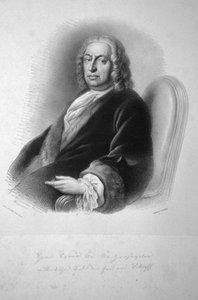
Sebastiano Conca
1680 - 1764 , Italien
Eckdaten zum Künstler
- Beeinflusste Künstler:
- Luca Giordano
- Francesco Solimena
- Bemerkenswerte Werke:
- Jeremiah
- Assunta
- Coronation of Santa Cecilia
- Geburtsdatum: 8. Januar 1680
- Geburtsort: Gaeta, Italien
- Künstlerischer Stil: Spätbarock, Rokoko
- Nationalität: Italiener
- Todatum: 1. September 1764
- Vollständiger Name: Sebastiano Conca
- Von Künstlern Beeinflusst:
- Pompeo Battoni
- Andrea Casali
- Corrado Giaquinto
Verwandte Artikel

Barock Meisterwerke: Die 10 prägendsten Kunstwerke für Ihr Zuhause |
Entdecken Sie die 10 prägendsten Meisterwerke des Barock! Caravaggio, Rembrandt & Co. – Erfahren Sie die Geschichten hinter ikonischen Gemälde und finden Sie hochwertige Kunst Reproduktionen für Ihr Zuhause auf .

The Visceral Stage: Exploring Dramatic Narratives & Emotional Intensity in Baroque Art
Explore the dramatic world of Baroque art! Discover iconic masters like Caravaggio & Rembrandt, their techniques, and the movement's lasting impact. Expert insights for collectors & enthusiasts at OriginalUniqueArt.

The Dramatic Flourish: Exploring the Baroque Movement's Enduring Legacy in Art History
Explore the dramatic world of Baroque art! Discover iconic artists like Caravaggio & Rubens, defining techniques, and its lasting impact on art history. Expert insights for collectors & enthusiasts at OriginalUniqueArt.

Celestial Messengers: A Comprehensive Exploration of Angelic Representation in Art History
Explore the captivating history of angels in art! Discover symbolism, iconic Renaissance masterpieces & renowned artists. Expert insights for art lovers & collectors at OriginalUniqueArt.

Celestial Messengers: Angels in Painting – A Historical & Artistic Exploration
Explore the captivating history of angels in painting! Discover symbolism, iconic Renaissance & Byzantine masterpieces, and renowned artists. Expert insights for art lovers & collectors at OriginalUniqueArt.
