

 Vorschau anzeigen
 Versenden
 Teilen
 Details anzeigen

 Herunterladen
 Ähnliche Objekte
 Röntgenaufnahme
 Diashow
ALLEGORIE DE LA RENOMMEE


 Weiterlesen
Handgefertigte Ölreproduktion
Handgemaltes Ölgemälde auf Leinwand in Ihrer Wunschgröße und mit Rahmen, auf Bestellung von unseren Künstlern angefertigt. ( Druck bestellen Bild kaufen)




P118B $10

P118H $10

P118W $10

P438Z $10

P508JH $12

P508YH $12

P805H $10

P805Z $10

P919BZ $10

P919G $10

P919XJ $10

P959ZH $10

P968JZ $12

W106C $8

W218G $10

W218JH $8

W218Y $10

W307PJ $10

W316G $10

W316PJ $8

W316Y $10

W398PJ $8

W4111J $10

W500HY $15

W500JH $15

W692G $12

W849H $8

W940BG $15

W953PJ $8




Wählen Sie aus unseren vordefinierten Formaten, die den ursprünglichen Proportionen des Kunstwerks entsprechen.

Sie können Ihre eigenen Maße eingeben, um einen bestimmten Rahmen oder Platz auszufüllen. Wenn die gewählte Größe nicht den Proportionen des Originalbildes entspricht, werden wir das Kunstwerk entweder beschneiden oder das Gemälde durch zusätzliche, handgemalte Elemente erweitern. Ein digitales Mockup wird Ihnen zur Genehmigung zugesandt, bevor die Produktion beginnt.
Bitte beachten Sie, dass die Bildschirmvorschau nicht die tatsächliche Beschneidung oder Erweiterung widerspiegelt. Nur das Mockup zeigt die endgültige Komposition exakt an.
Obwohl Sondermaße verfügbar sind, empfehlen wir, eine Größe aus der vordefinierten Liste zu wählen, um die ursprünglichen Proportionen beizubehalten.
Nach der Bestellung wird das OriginalUniqueArt.com-Team dem Kunden Anweisungen per E-Mail zusenden und eine Mockup-Vorschau bereitstellen.
Weltweiter Versand () in nur 3 bis 4 Wochen statt der üblichen 5 Wochen. (22 August). Keine Kompromisse bei der Qualität.

Kostenloser weltweiter Expressversand

Hochwertige Leinenleinwand

Umfassender Versicherungsschutz beim Versand

Zollgebühren-Rückerstattungsgarantie

Garantie für exakte Farbtreue

60 Tage Rückgaberecht (nur bei Mängeln)

100% Geld-zurück-Garantie

Mengenrabatt verfügbar
 Die Glasoption ist nur für Größen unter 110 cm verfügbar.

ALLEGORIE DE LA RENOMMEE
Art der Reproduktion
Format der Reproduktion
-


Gesamtpreis
$ 325
Beschreibung des Kunstwerks
Allegoria della Renommee – A Baroque Vision of Fame
Sebastiano Conca’s “Allegoria della Renommee,” painted circa 1730-1740, is more than just a depiction of renown; it's a vibrant, theatrical embodiment of artistic achievement and the intoxicating allure of recognition. Born in Gaeta, Italy, in 1680, Conca’s early apprenticeship with Francesco Solimena instilled within him the dramatic flair and opulent color palettes characteristic of Neapolitan Baroque painting – qualities that he masterfully translates into this arresting work. The canvas unfolds as a meticulously constructed allegory, drawing upon classical mythology and Renaissance ideals to explore the complex nature of fame and its pursuit.
At the heart of the composition stands a magnificent female figure, radiating an almost divine presence. Draped in sumptuous fabrics – reds, creams, and golds dominate her attire – she embodies Renommee herself. Her outstretched arms gesture towards a richly bound book, symbolizing knowledge and wisdom, while a delicate, winged putto (a cherubic male figure) flutes at her side, suggesting the inspiration that fuels creative endeavors. This central tableau is framed by a carefully orchestrated series of symbolic elements: a small, attentive audience of figures in the foreground represents the public’s gaze; a partially obscured landscape hints at the vastness of artistic endeavor; and a subtle architectural backdrop adds depth and grandeur to the scene.
A Symphony of Color and Light
Conca's masterful command of color is immediately apparent. The palette leans heavily into warm, saturated tones – deep reds, shimmering golds, and creamy whites – creating an atmosphere of richness and opulence that’s quintessential Baroque. These vibrant hues are expertly layered with cooler blues in the background and drapery, providing a crucial sense of depth and visual contrast. The lighting is dramatic and directional, originating from a source slightly to the left of the central figure, casting strong highlights on her face, wings, and the book she holds. This chiaroscuro effect – the interplay of light and shadow – not only sculpts the forms but also imbues the scene with an emotional intensity, drawing the viewer’s eye directly to the focal point.
The artist's technique reveals a sophisticated understanding of oil paint on canvas or panel. Brushstrokes are visible yet skillfully blended, creating smooth transitions and luminous surfaces. Glazes – thin layers of translucent paint – have likely been employed to achieve depth and luminosity, particularly in the drapery and the central figure’s robes. The overall effect is one of polished refinement, reflecting Conca's dedication to achieving a highly realistic and visually captivating representation.
Symbolism and Emotional Resonance
Beyond its aesthetic beauty, “Allegoria della Renommee” is rich in symbolic meaning. The wings adorning the central figure are not merely decorative; they represent divine qualities or transcendence – suggesting that fame is ultimately linked to a higher purpose. The book symbolizes knowledge, wisdom, and the intellectual foundation upon which artistic achievement rests. The putto’s presence underscores the role of inspiration in the creative process, hinting at the spark that ignites genius. The entire composition evokes a sense of aspiration, grace, and perhaps even triumph – capturing the intoxicating allure of recognition and the dedication required to achieve it.
Historical Context and Artistic Influence
Painted during the height of the Baroque era, “Allegoria della Renommee” reflects both its classical influences and its distinctive Neapolitan style. Conca’s work draws upon the grandeur of Renaissance allegories while retaining a distinctly dramatic and theatrical quality – hallmarks of the Baroque movement. His apprenticeship with Francesco Solimena provided him with a solid foundation in Baroque principles, which he skillfully adapted to his own artistic vision. The painting's subject matter—the pursuit of fame—resonates deeply within the context of 18th-century Italy, where patronage and recognition were crucial factors for artists seeking success and advancement.
This artwork stands as a testament to Conca’s skill and artistry, offering a captivating glimpse into the world of Baroque painting and the enduring fascination with the concept of fame. A reproduction of “Allegoria della Renommee” would bring a touch of timeless elegance and intellectual depth to any interior space.
Über den Künstler
Frühes Leben und Ausbildung
- Geboren: Gaeta, Italien (1680)
- Gestorben: 1764
- Sebastiano Conca wurde in Gaeta geboren, das damals zum Königreich Neapel gehörte.
- Er erhielt seine anfängliche künstlerische Ausbildung unter Francesco Solimena, einem bedeutenden neapolitanischen Maler. Diese grundlegende Periode vermittelte ihm ein starkes Verständnis für Barocktechniken und -ästhetik.
Karriereentwicklung und Römische Zeit
- Im Jahr 1706 zog Conca mit seinem Bruder Giovanni, der ihn unterstützte, nach Rom.
- Die frühen Jahre in Rom waren der Verbesserung seiner Zeichenkünste gewidmet, wobei er hauptsächlich Kreide verwendete.
- Er gewann die Gunst von Kardinal Ottoboni, was zu Aufträgen durch Papst Clemens XI führte. Bemerkenswerte frühe Werke sind ein viel beachtetes "Jeremia" und eine "Assunta".
- Concas Talent wurde erkannt, was zu seiner Ritterschlagung durch den Papst führte.
- Die Zusammenarbeit mit Carlo Maratta an der "Krönung der Santa Cecilia" (1721–24) markierte einen bedeutenden Meilenstein in seiner Karriere.
- Er war mehrfach Direktor der Accademia di San Luca (1729–1731 und 1739–1741), was seinen Stellenwert innerhalb der römischen Kunstgemeinschaft demonstrierte.
Künstlerischer Stil und Einflüsse
- Concas Stil wurde stark von dem Barockmaler Luca Giordano beeinflusst, was sich in seinen dramatischen Kompositionen und lebhaften Farbpaletten zeigt.
- Seine Arbeit entwickelte sich hin zu einem eleganteren Rokoko-Stil, der durch hellere Töne, anmutige Figuren und dekorative Details gekennzeichnet ist.
- Ein wiederkehrendes Motiv in seinen Gemälden ist die Verwendung allegorischer Figuren, wie z. B. Putten (cherubische Figuren), um tiefere Bedeutungen zu vermitteln.
- Kritiker haben eine Tendenz zu elaborierten Details und manchmal überladenen Allegorien selbst in intimeren Szenen festgestellt.
Wichtige Leistungen und Förderung
- Conca genoss während seiner gesamten Karriere weitreichenden offiziellen Beifall und Förderung.
- Er arbeitete für die Savoyer Familie in Turin an Projekten, darunter das Oratorium von San Filippo und Santa Teresa in Venaria (1721–1725) und die Basilika di Superga (1726).
- Er malte Fresken im Ospedale di Santa Maria della Scala in Siena und stellte "Probatica" (das Becken von Siloam) dar.
- In Genua schuf er große allegorische Leinwände für Palazzo Lomellini-Doria (1738–1740).
- Nach seiner Rückkehr 1752 unter der Schirmherrschaft von Karl III. produzierte er bedeutende Werke wie Fresken in der Kirche Santa Chiara (1752–1754) und Leinwände für den Palazzo Caserta.
Vermächtnis und Historische Bedeutung
- Sebastiano Conca war ein produktiver und einflussreicher Maler, der die späte Barock- und Rokoko-Periode überbrückte.
- Er betreute zahlreiche Künstler, darunter Pompeo Battoni, Andrea Casali und Corrado Giaquinto, und trug so zur Entwicklung der italienischen Kunst bei.
- Seine "Ammonimenti" (Ermahnungen), veröffentlicht 1739, lieferten wertvolle Einblicke in seine künstlerische Philosophie und Techniken.
- Concas Fähigkeit, prestigeträchtige Aufträge von Päpsten, Königen und prominenten Förderern zu erhalten, festigte seinen Ruf als einer der führenden Künstler seiner Zeit.
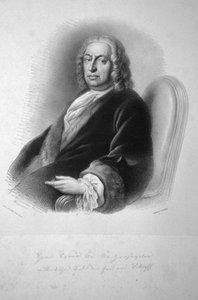
Sebastiano Conca
1680 - 1764 , Italien
Kurzinfos
- Beeinflusste Künstler:
- Luca Giordano
- Francesco Solimena
- Bemerkenswerte Werke:
- Jeremiah
- Assunta
- Coronation of Santa Cecilia
- Geburtsdatum: 8. Januar 1680
- Geburtsort: Gaeta, Italien
- Künstlerischer Stil: Spätbarock, Rokoko
- Nationalität: Italiener
- Todatum: 1. September 1764
- Vollständiger Name: Sebastiano Conca
- Von Künstlern Beeinflusst:
- Pompeo Battoni
- Andrea Casali
- Corrado Giaquinto
Ähnliche Artikel

Drama and Light: A Definitive Guide to the Italian Baroque Masterpieces and the Revolution of Chiaroscuro
Explore the dramatic world of Italian Baroque art. Discover how masters like Caravaggio used chiaroscuro and tenebrism to revolutionize painting through light, shadow, and profound realism. A definitive guide for history lovers and art collectors.

Barocke Pracht: Wie Sie Opulenz und Emotionen in zeitgenössische Innenräume bringen
Entdecken Sie die Pracht des Barock! Expertenratgeber für luxuriöse Innenräume mit barocken Elementen. Inspiration, Tipps & hochwertige Kunst bei .

Italian Baroque Unlocked: High-Drama Art That Hits Hard
Dive into the high-drama world of Italian Baroque art. Discover how chiaroscuro, intense emotion, and theatrical lighting redefined aesthetics. Explore the visceral power of the Counter-Reformation through a modern lens with expert insights from OriginalUniqueArt.com.

Barock Meisterwerke: Die 10 prägendsten Kunstwerke für Ihr Zuhause |
Entdecken Sie die 10 prägendsten Meisterwerke des Barock! Caravaggio, Rembrandt & Co. – Erfahren Sie die Geschichten hinter ikonischen Gemälde und finden Sie hochwertige Kunst Reproduktionen für Ihr Zuhause auf .

The Visceral Stage: Exploring Dramatic Narratives & Emotional Intensity in Baroque Art
Explore the dramatic world of Baroque art! Discover iconic masters like Caravaggio & Rembrandt, their techniques, and the movement's lasting impact. Expert insights for collectors & enthusiasts at OriginalUniqueArt.


