In echtem Maßstab anzeigen
 Versenden als Grußkarte
 Teilen
 Details anzeigen

 Herunterladen
 Ähnliche Objekte
 Röntgenaufnahme
 Diashow
 Besucherstatistiken
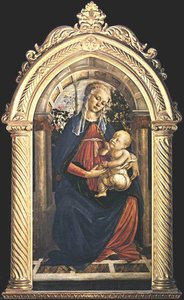
The Madonna And Child

 Mehr anzeigen
Giclée / Kunstdruck
Giclée- oder Leinwanddruck in Museumsqualität mit schneller Produktion und flexiblen Veredelungsoptionen. ( Handgemalte Reproduktion kaufen Zum digitalen Bild wechseln)




P118B $10

P118H $10

P118W $10

P438Z $10

P508JH $12

P508YH $12

P805H $10

P805Z $10

P919BZ $10

P919G $10

P919XJ $10

P959ZH $10

P968JZ $12

W106C $8

W218G $10

W218JH $8

W218Y $10

W307PJ $10

W316G $10

W316PJ $8

W316Y $10

W398PJ $8

W4111J $10

W500HY $15

W500JH $15

W692G $12

W849H $8

W940BG $15

W953PJ $8




Wählen Sie aus unseren vordefinierten Formaten, die den ursprünglichen Proportionen des Kunstwerks entsprechen.

Sie können Ihre eigenen Maße eingeben, um ein bestimmtes Format oder einen speziellen Platz einzupassen. Wenn das von Ihnen gewählte Format nicht den Proportionen des Originalbildes entspricht, werden wir das Kunstwerk entweder beschneiden oder das Bild mit einem gespiegelten oder einfarbigen Rand erweitern. Ein digitaler Entwurf wird Ihnen zur Genehmigung zugesandt, bevor die Produktion beginnt.
Bitte beachten Sie, dass die Vorschau auf dem Bildschirm nicht den tatsächlichen Zuschnitt oder die Erweiterung widerspiegelt. Nur der Entwurf zeigt die endgültige Komposition präzise an.
Obwohl Sondermaße verfügbar sind, empfehlen wir die Auswahl eines Maßes aus der vordefinierten Liste, um die ursprünglichen Proportionen zu bewahren.
Weltweiter Versand () innerhalb von 2 Wochen statt der üblichen 4/5 Wochen. (20 September)

Kostenloser weltweiter Expressversand

Hochwertige Leinenleinwand

Vollständiger Versicherungsschutz beim Versand

Zollgebühren-Rückerstattungsgarantie

Garantie für exakte Farbtreue

100-tägiges Rückgaberecht (nur bei Mängeln)

100% Geld-zurück-Garantie

Angebot für Mengenrabatt
 Die Glasoption ist nur für Größen unter 110 cm verfügbar.

The Madonna And Child
Giclée / Kunstdruck
Format der Reproduktion
-


Gesamtpreis
$ 80
A Timeless Reverie: Botticelli’s The Madonna And Child
Sandro Botticelli's "The Madonna And Child" stands as an enduring emblem of Renaissance piety and artistic grace, a work that transcends mere representation to embody the profound spiritual connection between mother and child. Painted during the height of Florence’s cultural blossoming – roughly around 1480 – this masterpiece reflects the era’s fascination with classical ideals while firmly rooted in Christian iconography. Botticelli, deeply influenced by his apprenticeship under Fra Filippo Lippi and later patronized by the powerful Medici family, masterfully blends technical skill with a distinctly lyrical style that would come to define his legacy.
- Subject Matter: The painting’s central focus is undeniably Mary, depicted in flowing robes of deep blue – a color historically associated with royalty and divinity – holding the infant Jesus. Her serene expression and gentle posture radiate an unparalleled sense of maternal love and protection.
- Composition & Technique: Botticelli's signature style is immediately apparent in the painting’s elongated figures, delicate lines, and ethereal atmosphere. He employs tempera on panel, a technique favored during this period, which allows for vibrant colors and subtle gradations. The use of gold leaf adds to the overall luminosity and reinforces the sacred nature of the scene.
- Angelic Presence: Three angels flank Mary, their presence adding layers of spiritual significance. These celestial beings are not merely decorative elements; they represent divine assistance and the eternal guardianship surrounding the Madonna and Child. The angel above them further emphasizes this protective aura.
Symbolism Woven into Sacred Space
Beyond its immediate beauty, "The Madonna And Child" is rich in symbolic meaning, reflecting the complex theological beliefs of the time. The blue robe, as mentioned previously, symbolizes Mary’s purity and divine status. The inclusion of the clock in the background – a relatively rare element in early Renaissance depictions of the Virgin – introduces a subtle meditation on mortality and the passage of time, reminding viewers of the eternal nature of Christ's sacrifice. The positioning of the figures also holds significance; the pyramidal composition creates stability and harmony, reflecting the desire for order and balance prevalent in Renaissance art.
Historical Context & Botticelli’s Florentine World
Botticelli painted this work during a period of immense political and artistic change in Florence. The rise of the Medici family as powerful patrons fueled an unprecedented flourishing of creativity, attracting artists from across Italy and Europe. Botticelli himself was deeply embedded within this vibrant cultural landscape, working not just for private commissions but also contributing to public celebrations and religious festivals. His connection to the humanist movement, which emphasized classical learning and human potential, is evident in his idealized depictions of figures – particularly Mary – reflecting a renewed interest in ancient Greek and Roman art.
Emotional Impact & Artistic Legacy
"The Madonna And Child" continues to captivate viewers centuries after its creation. Its serene beauty, coupled with the profound emotional resonance of the subject matter, evokes feelings of peace, reverence, and spiritual connection. Botticelli’s masterpiece remains a cornerstone of Western art history, influencing generations of artists and solidifying his place as one of the most celebrated figures of the Early Renaissance. A hand-painted reproduction offers an unparalleled opportunity to experience this timeless work of art in exquisite detail.
Biografie des Künstlers
frühes Leben und Ausbildung
Sandro Botticelli, geboren Alessandro di Mariano di Vanni Filipepi um 1445, war eine zentrale Figur im frühen italienischen Frührenaissance der Malerei. Zunächst posthumig vernachlässigt, wurde Botticellis Werk im späten 19. Jahrhundert von den Präraffaeliten revitalisiert und führte zu einer Neubewertung seiner künstlerischen Beiträge. Botticelli wurde in Florenz, Italien, geboren und lebte sein ganzes Leben im selben Viertel. Seine Familie, darunter sein Vater Mariano di Vanni d’Amedeo Filipepi, war in verschiedene Berufe involviert, was sie mit Künstlern in Kontakt brachte. Giorgio Vasari berichtete, dass Botticelli zunächst als Goldschmied ausgebildet wurde.Künstlerischer Stil und bemerkenswerte Werke
Botticellis Werk ist durch elegante Linearität gekennzeichnet, die die Lücke zwischen der späten italienischen Gotik und dem frühen Frührenaissance schließt. Seine berühmtesten Werke, die Geburt des Venus und Primavera, werden in der Uffizialleerie in Florenz ausgestellt, die eine bedeutende Sammlung seiner Kunst beherbergt. * die Geburt des Venus (ansicht auf OriginalUniqueArt) * Primavera (Sandro Botticellis Kunst erkunden auf OriginalUniqueArt) * Mystische Geburt (Nationalgalerie, London), datiert 1501, ist das einzige Werk von Botticelli mit einem klaren Datum.Vermächtnis und Einfluss
Botticellis Stil entwickelte sich in den 1490er Jahren zu einem persönlicheren Ansatz und unterschied sich von Zeitgenossen wie Leonardo da Vinci und dem aufkommenden Hochrenaissance-Stil. Sein Werk wurde als bedeutende Beiträge zur italienischen Renaissance Kunstbewegung anerkannt. * Die italienische Renaissance Kunstbewegung * Sandro Botticelli auf Wikipedia- Bekannte Künstler der italienischen Renaissance umfassen Sandro Botticelli, Leonardo da Vinci, Michelangelo und Tizian.
- Die Uffizialleerie in Florenz beherbergt eine bedeutende Sammlung von Botticellis Kunst.
- Botticellis Werk wurde als eine zentrale Figur im frühen italienischen Frührenaissance der Malerei anerkannt.
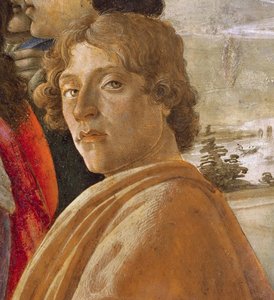
Sandro Botticelli
1445 - 1510 , Italien
Eckdaten zum Künstler
- Beeinflusste Künstler: ['Präraffaeliten']
- Bemerkenswerte Werke:
- Die Geburt der Venus
- Primavera
- Mystische Geburt
- Einflussreiche Künstler:
- Fra Angelico
- Paolo Uccello
- Geburtsdatum: ca. 1445
- Geburtsort: Florenz, Italien
- Künstlerische Bewegung: Frührenaissance
- Nationalität: Italienisch
- Sterbedatum: 1510
- Vollständiger Name: Sandro Botticelli
Verwandte Artikel
Raphael: Die 25 Meisterwerke des Renaissance-Genies – Kunst für Ihr Zuhause
Entdecken Sie die 25 schönsten Meisterwerke von Raphael! Tauchen Sie ein in die Welt der Renaissance-Kunst, erfahren Sie faszinierende Geschichten und lassen Sie sich von den Farben und Kompositionen inspirieren. Hochwertige Reproduktionen auf OriginalUniqueArt.com.
Frührenaissance: Die 10 Meisterwerke, die eine Epoche prägten – Kunst für Ihr Zuhause
Entdecken Sie die 10 prägendsten Meisterwerke der Frührenaissance! Von Giotto bis Botticelli – erleben Sie Kunstgeschichte hautnah. Hochwertige Reproduktionen für Ihr Zuhause auf .
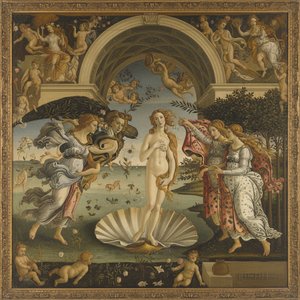
Sandro Botticelli: Die 25 Meisterwerke des Renaissance-Genies – Kunst für Ihr Zuhause
Entdecken Sie die 25 schönsten Meisterwerke von Sandro Botticelli! Erleben Sie die Renaissance-Kunst mit 'Geburt der Venus', 'Primavera' & mehr. Hochwertige Reproduktionen für Ihr Zuhause – jetzt auf OriginalUniqueArt.com!
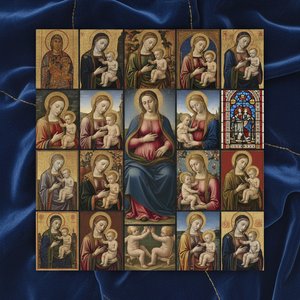
Divine Love: A Curated Guide to the Most Iconic Madonna and Child Masterpieces in Art History
Embark on a sophisticated journey through art history with our curated guide to the most iconic Madonna and Child masterpieces. Discover the profound beauty, theological depth, and enduring legacy of these sacred Renaissance treasures.
Die 25 Meisterwerke der Uffizien: Kunstgeschichte für Ihr Zuhause | OriginalUniqueArt
Entdecken Sie die 25 berühmtesten Meisterwerke der Uffizien, Florenz! Von Botticelli bis Leonardo da Vinci – Kunstgeschichte erleben. Hochwertige Reproduktionen & Inspiration für Ihr Zuhause auf OriginalUniqueArt.com.