Vorschau anzeigen
 Versenden
 Teilen
 Details anzeigen

 Herunterladen
 Ähnliche Objekte
 Röntgenaufnahme
 Diashow
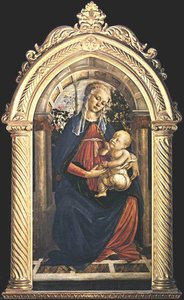
Madonna in Glory


 Weiterlesen
Handgefertigte Ölreproduktion
Handgemaltes Ölgemälde auf Leinwand in Ihrer Wunschgröße und mit Rahmen, auf Bestellung von unseren Künstlern angefertigt. ( Druck bestellen Bild kaufen)




P118B $10

P118H $10

P118W $10

P438Z $10

P508JH $12

P508YH $12

P805H $10

P805Z $10

P919BZ $10

P919G $10

P919XJ $10

P959ZH $10

P968JZ $12

W106C $8

W218G $10

W218JH $8

W218Y $10

W307PJ $10

W316G $10

W316PJ $8

W316Y $10

W398PJ $8

W4111J $10

W500HY $15

W500JH $15

W692G $12

W849H $8

W940BG $15

W953PJ $8




Wählen Sie aus unseren vordefinierten Formaten, die den ursprünglichen Proportionen des Kunstwerks entsprechen.

Sie können Ihre eigenen Maße eingeben, um einen bestimmten Rahmen oder Platz auszufüllen. Wenn die gewählte Größe nicht den Proportionen des Originalbildes entspricht, werden wir das Kunstwerk entweder beschneiden oder das Gemälde durch zusätzliche, handgemalte Elemente erweitern. Ein digitales Mockup wird Ihnen zur Genehmigung zugesandt, bevor die Produktion beginnt.
Bitte beachten Sie, dass die Bildschirmvorschau nicht die tatsächliche Beschneidung oder Erweiterung widerspiegelt. Nur das Mockup zeigt die endgültige Komposition exakt an.
Obwohl Sondermaße verfügbar sind, empfehlen wir, eine Größe aus der vordefinierten Liste zu wählen, um die ursprünglichen Proportionen beizubehalten.
Nach der Bestellung wird das OriginalUniqueArt.com-Team dem Kunden Anweisungen per E-Mail zusenden und eine Mockup-Vorschau bereitstellen.
Weltweiter Versand () in nur 3 bis 4 Wochen statt der üblichen 5 Wochen. (25 August). Keine Kompromisse bei der Qualität.

Kostenloser weltweiter Expressversand

Hochwertige Leinenleinwand

Umfassender Versicherungsschutz beim Versand

Zollgebühren-Rückerstattungsgarantie

Garantie für exakte Farbtreue

60 Tage Rückgaberecht (nur bei Mängeln)

100% Geld-zurück-Garantie

Mengenrabatt verfügbar
 Die Glasoption ist nur für Größen unter 110 cm verfügbar.

Madonna in Glory
Art der Reproduktion
Format der Reproduktion
-


Gesamtpreis
$ 300
Beschreibung des Kunstwerks
Sandro Botticelli’s *Madonna in Glory*: A Symphony of Grace and Renaissance Ideal
Sandro Botticelli's *Madonna in Glory*, painted circa 1480, stands as a quintessential example of the Florentine artist’s mastery of line, color, and humanist ideals. This captivating portrait of the Virgin Mary and Child transcends mere religious iconography; it embodies a profound sense of serenity and spiritual grace that continues to resonate with viewers centuries later. The painting's meticulous detail, combined with its subtly expressive figures, reveals Botticelli’s deep understanding of both classical aesthetics and Christian devotion.
- Subject Matter: At the heart of the composition lies the Virgin Mary, presented in a pose of serene contemplation as she cradles her infant son. The intimate portrayal emphasizes the maternal bond and the divine nature of Jesus Christ.
- Compositional Harmony: Botticelli skillfully employs pyramidal composition, a technique borrowed from classical art, to create a sense of balance and stability. The figures are arranged with careful consideration for their relationship to one another and to the surrounding space.
Technique and Materials: A Window into Renaissance Painting
Botticelli’s distinctive style is immediately recognizable through his masterful use of tempera paint on wood panel. Tempera, a fast-drying medium composed of pigments suspended in egg yolk, allowed for precise detailing and luminous colors – qualities that were highly valued during the Renaissance. Note the delicate rendering of Mary's drapery, achieved through layered washes of color and subtle gradations of tone. The artist’s attention to texture is evident in the smooth surface of the baby Jesus’ swaddling clothes and the rich velvet of Mary’s robe.
- Line as Form: Botticelli's emphasis on linear definition—a hallmark of his style—is particularly striking in the contours of the figures. These flowing lines not only define their forms but also imbue them with a sense of movement and dynamism.
- Color Palette: The painting’s palette is dominated by rich, jewel-toned hues – deep reds, blues, and golds – reflecting the wealth and prestige associated with the Medici family, a significant patron of Botticelli's work.
Symbolism and Context: Echoes of Florentine Humanism
*Madonna in Glory* is deeply rooted within the intellectual and artistic currents of Renaissance Florence. The painting reflects the humanist movement’s emphasis on human dignity and beauty, portraying Mary not merely as a religious figure but as an idealized woman embodying grace and virtue. The presence of the two additional figures – a standing attendant and a seated observer – adds to the narrative complexity, suggesting a scene of reverence and devotion within a sacred space. The chair itself is a symbol of authority and dignity, further elevating the status of the Virgin Mary.
- Seraphim Imagery: The inclusion of Seraphim (angelic beings with six wings) – as seen in the referenced WGA image – reinforces the divine nature of the scene and elevates Mary to a position of celestial grace.
- Medici Patronage: It’s highly probable that this painting was commissioned by members of the Medici family, reflecting their support for artistic endeavors and their desire to associate themselves with religious piety.
Emotional Impact and Legacy
*Madonna in Glory* continues to captivate viewers with its serene beauty and profound spiritual message. Botticelli’s ability to convey a sense of quiet contemplation and reverence is timeless, making this painting a cherished masterpiece of the Early Renaissance. Its delicate colors, graceful lines, and evocative composition create an atmosphere of peace and tranquility – qualities that make it a perfect addition to any discerning collection or interior space.
Über den Künstler
frühes Leben und Ausbildung
Sandro Botticelli, geboren Alessandro di Mariano di Vanni Filipepi um 1445, war eine zentrale Figur im frühen italienischen Frührenaissance der Malerei. Zunächst posthumig vernachlässigt, wurde Botticellis Werk im späten 19. Jahrhundert von den Präraffaeliten revitalisiert und führte zu einer Neubewertung seiner künstlerischen Beiträge. Botticelli wurde in Florenz, Italien, geboren und lebte sein ganzes Leben im selben Viertel. Seine Familie, darunter sein Vater Mariano di Vanni d’Amedeo Filipepi, war in verschiedene Berufe involviert, was sie mit Künstlern in Kontakt brachte. Giorgio Vasari berichtete, dass Botticelli zunächst als Goldschmied ausgebildet wurde.Künstlerischer Stil und bemerkenswerte Werke
Botticellis Werk ist durch elegante Linearität gekennzeichnet, die die Lücke zwischen der späten italienischen Gotik und dem frühen Frührenaissance schließt. Seine berühmtesten Werke, die Geburt des Venus und Primavera, werden in der Uffizialleerie in Florenz ausgestellt, die eine bedeutende Sammlung seiner Kunst beherbergt. * die Geburt des Venus (ansicht auf OriginalUniqueArt) * Primavera (Sandro Botticellis Kunst erkunden auf OriginalUniqueArt) * Mystische Geburt (Nationalgalerie, London), datiert 1501, ist das einzige Werk von Botticelli mit einem klaren Datum.Vermächtnis und Einfluss
Botticellis Stil entwickelte sich in den 1490er Jahren zu einem persönlicheren Ansatz und unterschied sich von Zeitgenossen wie Leonardo da Vinci und dem aufkommenden Hochrenaissance-Stil. Sein Werk wurde als bedeutende Beiträge zur italienischen Renaissance Kunstbewegung anerkannt. * Die italienische Renaissance Kunstbewegung * Sandro Botticelli auf Wikipedia- Bekannte Künstler der italienischen Renaissance umfassen Sandro Botticelli, Leonardo da Vinci, Michelangelo und Tizian.
- Die Uffizialleerie in Florenz beherbergt eine bedeutende Sammlung von Botticellis Kunst.
- Botticellis Werk wurde als eine zentrale Figur im frühen italienischen Frührenaissance der Malerei anerkannt.
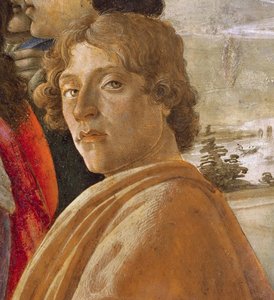
Sandro Botticelli
1445 - 1510 , Italien
Kurzinfos
- Beeinflusste Künstler: ['Präraffaeliten']
- Bemerkenswerte Werke:
- Die Geburt der Venus
- Primavera
- Mystische Geburt
- Einflussreiche Künstler:
- Fra Angelico
- Paolo Uccello
- Geburtsdatum: ca. 1445
- Geburtsort: Florenz, Italien
- Künstlerische Bewegung: Frührenaissance
- Nationalität: Italienisch
- Sterbedatum: 1510
- Vollständiger Name: Sandro Botticelli
Ähnliche Artikel
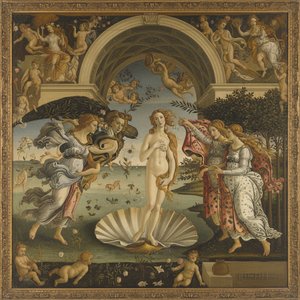
Sandro Botticelli: Die 25 Meisterwerke des Renaissance-Genies – Kunst für Ihr Zuhause
Entdecken Sie die 25 schönsten Meisterwerke von Sandro Botticelli! Erleben Sie die Renaissance-Kunst mit 'Geburt der Venus', 'Primavera' & mehr. Hochwertige Reproduktionen für Ihr Zuhause – jetzt auf OriginalUniqueArt.com!
Die 25 Meisterwerke der Uffizien: Kunstgeschichte für Ihr Zuhause | OriginalUniqueArt
Entdecken Sie die 25 berühmtesten Meisterwerke der Uffizien, Florenz! Von Botticelli bis Leonardo da Vinci – Kunstgeschichte erleben. Hochwertige Reproduktionen & Inspiration für Ihr Zuhause auf OriginalUniqueArt.com.

Giclée Prints: Archival Quality & Aesthetic Nuances for the Discerning Collector
Explore the world of giclée prints with OriginalUniqueArt. Learn about archival quality, aesthetic nuances & investment potential. Expert guidance for discerning art collectors seeking museum-quality reproductions and lasting value.
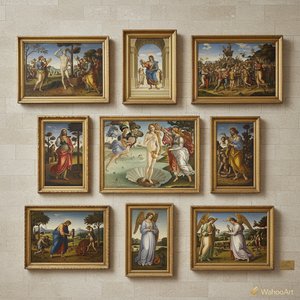
Frührenaissance: Die 10 Meisterwerke, die eine Epoche prägten – Kunst für Ihr Zuhause
Entdecken Sie die 10 prägendsten Meisterwerke der Frührenaissance! Von Giotto bis Botticelli – erleben Sie Kunstgeschichte hautnah. Hochwertige Reproduktionen für Ihr Zuhause auf .

The Enduring Legacy of Fine Art Prints: Technique, History & Aesthetic Impact
Explore the rich history & techniques of fine art prints. Discover investment potential, assess authenticity, and learn how to preserve your collection with expert guidance. Trusted insights for discerning collectors.