

 In echtem Maßstab anzeigen
 Versenden als Grußkarte
 Teilen
 Details anzeigen

 Herunterladen
 Ähnliche Objekte
 Röntgenaufnahme
 Diashow
 Besucherstatistiken
Sketchbook, folio 5 verso
 Pencil
- WallArt
- Romanticism
 1824
1824- 19th Century
 116.0 x 189.0 cm
 Victoria and Albert Museum
 Mehr anzeigen
Giclée / Kunstdruck
Giclée- oder Leinwanddruck in Museumsqualität mit schneller Produktion und flexiblen Veredelungsoptionen. ( Handgemalte Reproduktion kaufen Zum digitalen Bild wechseln)




P118B $10

P118H $10

P118W $10

P438Z $10

P508JH $12

P508YH $12

P805H $10

P805Z $10

P919BZ $10

P919G $10

P919XJ $10

P959ZH $10

P968JZ $12

W106C $8

W218G $10

W218JH $8

W218Y $10

W307PJ $10

W316G $10

W316PJ $8

W316Y $10

W398PJ $8

W4111J $10

W500HY $15

W500JH $15

W692G $12

W849H $8

W940BG $15

W953PJ $8




Wählen Sie aus unseren vordefinierten Formaten, die den ursprünglichen Proportionen des Kunstwerks entsprechen.

Sie können Ihre eigenen Maße eingeben, um ein bestimmtes Format oder einen speziellen Platz einzupassen. Wenn das von Ihnen gewählte Format nicht den Proportionen des Originalbildes entspricht, werden wir das Kunstwerk entweder beschneiden oder das Bild mit einem gespiegelten oder einfarbigen Rand erweitern. Ein digitaler Entwurf wird Ihnen zur Genehmigung zugesandt, bevor die Produktion beginnt.
Bitte beachten Sie, dass die Vorschau auf dem Bildschirm nicht den tatsächlichen Zuschnitt oder die Erweiterung widerspiegelt. Nur der Entwurf zeigt die endgültige Komposition präzise an.
Obwohl Sondermaße verfügbar sind, empfehlen wir die Auswahl eines Maßes aus der vordefinierten Liste, um die ursprünglichen Proportionen zu bewahren.
Weltweiter Versand () innerhalb von 2 Wochen statt der üblichen 4/5 Wochen. (19 September)

Kostenloser weltweiter Expressversand

Hochwertige Leinenleinwand

Vollständiger Versicherungsschutz beim Versand

Zollgebühren-Rückerstattungsgarantie

Garantie für exakte Farbtreue

100-tägiges Rückgaberecht (nur bei Mängeln)

100% Geld-zurück-Garantie

Angebot für Mengenrabatt
 Die Glasoption ist nur für Größen unter 110 cm verfügbar.

Sketchbook, folio 5 verso
Giclée / Kunstdruck
Format der Reproduktion
-


Gesamtpreis
$ 80
A Window into the Romantic Soul
In the quiet intimacy of Sketchbook, folio 5 verso, we are invited to witness the raw, unmediated pulse of a creative mind at work. Created in 1824 by the visionary British Romantic painter Samuel Palmer, this sketchbook page serves as a profound temporal bridge, transporting the viewer back to an era of intense spiritual and natural inquiry. Rather than a polished, finished masterpiece intended for a gallery wall, this folio offers something far more precious: a glimpse into the artist's private laboratory of thought. The aged paper, bearing the gentle patina of nearly two centuries, cradles a dense tapestry of pencil sketches, notes, and fleeting observations that reveal how Palmer perceived the world—not merely as a collection of objects, but as a living, breathing entity imbued with divine presence.
The composition is a captivating dance of organized chaos. At first glance, the eye wanders through a labyrinth of landscapes, architectural fragments, and delicate annotations. A central figure, seated upon a low wall or bench, gazes away from the viewer toward an unfolding horizon, embodying a sense of profound introspection. This figure acts as our surrogate, inviting us to share in their silent contemplation of the natural world. Surrounding this focal point are various vignettes of trees, foliage, and structural elements like arches and columns, all rendered with a rhythmic vitality. The arrangement suggests a mind constantly scanning, capturing, and recording the ephemeral beauty of the English landscape through a lens of Romantic sensibility.
The Mastery of Line and Light
Technically, the work is a masterclass in the expressive potential of a single medium: pencil on paper. Without the luxury of color, Palmer relies entirely on the nuance of pressure, hatching, and line weight to breathe life into his subjects. The palette is a sophisticated study in monochrome, utilizing the natural cream and beige tones of the antique paper to provide a warm, luminous backdrop. Through delicate shading and varying densities of graphite, he creates a sense of atmospheric depth; certain areas feel shrouded in the soft mist of a morning dawn, while others possess a crisp, structural clarity. The organic shapes of the trees and undulating landscapes are defined by loose, gestural strokes that convey movement and growth, contrasted beautifully against the more precise, disciplined lines used for architectural details.
For the discerning collector or interior designer, this piece offers an unparalleled sense of texture and historical weight. The visible grain of the paper and the delicate interplay of light and shadow within the sketches provide a tactile quality that is rare in modern prints. It is a work that does not demand attention through loud colors, but rather commands it through its quiet, sophisticated complexity. Incorporating a high-quality reproduction of this folio into a curated space can introduce an element of intellectual depth and serene tranquility, making it an ideal centerpiece for a study, a library, or a room designed for reflection.
A Legacy of Visionary Inspiration
To understand the emotional resonance of this sketchbook page, one must consider Palmer’s place in art history. This was the era of his transformative encounter with William Blake, a meeting that would forever alter the trajectory of his work, infusing it with a mystical, almost prophetic quality. The sketches in folio 5 verso reflect this burgeoning spiritual depth; the landscapes are not merely topographical studies but are charged with an emotional intensity that seeks to find the infinite within the finite. There is a palpable sense of connection to the environment—a belief that the rustle of leaves or the curve of a hill holds a sacred significance.
Owning or displaying a reproduction of this work is more than an aesthetic choice; it is an engagement with the very essence of the Romantic movement. It celebrates the beauty of the process, the importance of observation, and the enduring power of the human spirit to find wonder in the smallest details. Whether viewed as a historical document or a piece of fine art, Sketchbook, folio 5 verso remains a timeless testament to the magic found in the quiet moments of artistic discovery.
Biografie des Künstlers
Frühes Leben und Einflüsse
- Geboren: London, Vereinigtes Königreich (1805)
- Gestorben: 1881
- Samuel Palmer war der Sohn eines Buchhändlers und zeitweiligen Baptistenpredigers. Er erhielt eine begrenzte formale Schulbildung, zeigte aber schon in jungen Jahren künstlerisches Talent und malte mit zwölf Jahren Kirchen.
- Die frühe Begegnung mit William Blake im Jahr 1824 erwies sich als äußerst einflussreich. Brakes visionärer Stil prägte Palmers künstlerische Entwicklung maßgeblich.
- Er stellte bereits im Alter von vierzehn Jahren Arbeiten aus, die von Turner inspiriert waren, an der Royal Academy.
Die Shoreham-Zeit und "Rat Abbey"
- Von 1826 bis 1835 lebte Palmer in Shoreham, Kent, in einer Hütte mit dem Spitznamen “Rat Abbey”. Diese Zeit gilt als entscheidend für seinen künstlerischen Output.
- In dieser Zeit schuf er visionäre Pastoralbilder, die das Gebiet als mystische Landschaft darstellten und oft Sepiatöne und stimmungsvolle Mondlichtszenen verwendeten.
- Er verband sich mit einer Gruppe von Künstlern, die als "The Ancients" bekannt waren, die Brakes Einfluss teilten und Palmers einzigartigen Stil schätzten.
- Sein Familienleben in dieser Zeit war komplex, da sein Vater und eine Amme in der Nähe wohnten, was zur Atmosphäre um seine Arbeit beitrug.
Reife Werke und sich ändernde Stile
- Nach 1835 zog Palmer zurück nach London und wandte sich konventionelleren Landschaften und Aquarellmalerei zu.
- Er arbeitete über zwei Jahrzehnte lang als Privatlehrer für Zeichnen, was seine Fähigkeit beeinträchtigte, Zeit für seine eigene Kunst aufzuwenden.
- Seine Palette wurde in den 1830er Jahren nach einer Reise nach Italien heller, manchmal jedoch auf Kosten der Subtilität.
- Trotz finanzieller Schwierigkeiten und persönlicher Verluste (dem Tod seines Sohnes Thomas) schuf Palmer weiterhin bedeutende Werke, darunter Illustrationen für Miltons Gedichte und Radierungen, die von Virgil inspiriert waren.
Künstlerischer Stil und Vermächtnis
- Stil: Palmers Werk ist durch eine Mischung aus Romantik und visionären Elementen gekennzeichnet. Seine frühen Shoreham-Bilder sind bekannt für ihre mystische Atmosphäre, Sepiatöne und Darstellungen des ländlichen Englands als idealisierte Paradies. Spätere Werke integrierten hellere Farben, behielten aber ein Gefühl der Ruhe und Beobachtung bei.
- Einflüsse: William Blake war der bedeutendste Einfluss auf Palmers künstlerische Vision. Turners Landschaftsmalerei spielte ebenfalls eine Rolle in seiner frühen Entwicklung.
- Technik: Er arbeitete hauptsächlich mit Aquarell und Radierung und demonstrierte Geschicklichkeit in beiden Medien. Seine Verwendung von Licht und Schatten schuf stimmungsvolle Stimmungen in seinen Gemälden.
- Historische Bedeutung: Palmer gilt als eine wichtige Figur des britischen Romantismus, der die Brücke zwischen Brakes visionärer Kunst und späteren Landschaftsmalern schlägt. Sein einzigartiger Stil und sein Fokus auf pastorale Themen haben ihm einen Platz in der Kunstgeschichte gesichert.
Wichtige Werke
- Cornfield by Moonlight (Kornfeld im Mondschein)
- Harvesting (Ernte)
- The Timber Wain (Der Holztransportwagen)
- Pele Point, Land (Pele Point, Land)
- Zahlreiche Radierungen, die Werke von Virgil und Milton illustrieren.

Samuel Palmer
1805 - 1881 , Vereinigtes Königreich
Eckdaten zum Künstler
- Beeinflusste Künstler:
- William Blake
- J.M.W. Turner
- Bemerkenswerte Werke:
- Cornfield by Moonlight
- Harvesting
- The Timber Wain
- Pele Point, Land
- Geburtsdatum: 1805
- Geburtsort: London, Vereinigtes Königreich
- Künstlerische Richtung: Romantik
- Nationalität: Britisch
- Sterbedatum: 1881
- Vollständiger Name: Samuel Palmer
- Von Ihm Beeinflusste Künstler:
- Paul Nash
- Graham Sutherland
Verwandte Artikel

Romantische Landschaften: Die 10 Meisterwerke, die eine Epoche prägten | OriginalUniqueArt
Entdecken Sie die 10 Meisterwerke der Romantischen Landschaftsmalerei! Von Caspar David Friedrich bis Turner – erleben Sie die Kunst, Emotion & Natur. Hochwertige Reproduktionen auf OriginalUniqueArt.com

John Constable: Die 25 Meisterwerke des englischen Landschaftsgenies – OriginalUniqueArt
Entdecken Sie die 25 Meisterwerke von John Constable! Erleben Sie englische Landschaftsmalerei vom Hay Wain bis zur Stour Valley. Hochwertige Reproduktionen & Kunst für Ihr Zuhause auf OriginalUniqueArt.com.

Evocations of Place: A Historical Journey Through Landscape Art
Explore the rich history of landscape art with OriginalUniqueArt. Discover renowned artists, movements like Impressionism & Romanticism, and expert guidance for collecting timeless pieces. Find your perfect serene escape today!

Evoking Nature's Sublime: A Comprehensive Exploration of 19th-Century Landscape Painting
Explore the captivating world of 19th-century landscape painting! Discover renowned artists like Friedrich & Monet, key movements, and find the perfect artwork to bring nature's serenity into your home. Expert insights at OriginalUniqueArt.
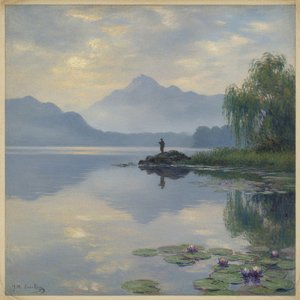
Capturing Stillness: A Curated Exploration of the Most Iconic Lake Landscapes in Art History
Journey through art history's most serene lake landscapes. From Romantic vistas to light-drenched Impressionist waters, discover the stories behind these iconic masterpieces and find museum-quality, hand-painted oil reproductions for your private collection.