

 Vorschau anzeigen
 Versenden
 Teilen
 Details anzeigen

 Herunterladen
 Ähnliche Objekte
 Röntgenaufnahme
 Diashow
Der Schlafender Raucher


 Weiterlesen
Giclée / Kunstdruck
Giclée- oder Leinwanddruck in Museumsqualität mit schneller Produktion und flexiblen Veredelungsoptionen. ( Handgemalte Reproduktion bestellen Bild kaufen)




P118B $10

P118H $10

P118W $10

P438Z $10

P508JH $12

P508YH $12

P805H $10

P805Z $10

P919BZ $10

P919G $10

P919XJ $10

P959ZH $10

P968JZ $12

W106C $8

W218G $10

W218JH $8

W218Y $10

W307PJ $10

W316G $10

W316PJ $8

W316Y $10

W398PJ $8

W4111J $10

W500HY $15

W500JH $15

W692G $12

W849H $8

W940BG $15

W953PJ $8




Wählen Sie aus unseren vordefinierten Formaten, die den ursprünglichen Proportionen des Kunstwerks entsprechen.

Sie können Ihre eigenen Maße eingeben, um ein bestimmtes Format oder einen speziellen Platz einzupassen. Wenn das von Ihnen gewählte Format nicht den Proportionen des Originalbildes entspricht, werden wir das Kunstwerk entweder beschneiden oder das Bild mit einem gespiegelten oder einfarbigen Rand erweitern. Ein digitaler Entwurf wird Ihnen zur Genehmigung zugesandt, bevor die Produktion beginnt.
Bitte beachten Sie, dass die Vorschau auf dem Bildschirm nicht den tatsächlichen Zuschnitt oder die Erweiterung widerspiegelt. Nur der Entwurf zeigt die endgültige Komposition präzise an.
Obwohl Sondermaße verfügbar sind, empfehlen wir die Auswahl eines Maßes aus der vordefinierten Liste, um die ursprünglichen Proportionen zu bewahren.
Weltweiter Versand () innerhalb von 2 Wochen statt der üblichen 4/5 Wochen. (21 August)

Kostenloser weltweiter Expressversand

Hochwertige Leinenleinwand

Umfassender Versicherungsschutz beim Versand

Zollgebühren-Rückerstattungsgarantie

Garantie für exakte Farbtreue

60 Tage Rückgaberecht (nur bei Mängeln)

100% Geld-zurück-Garantie

Mengenrabatt verfügbar
 Die Glasoption ist nur für Größen unter 110 cm verfügbar.

Der Schlafender Raucher
Giclée / Kunstdruck
Format der Reproduktion
-


Gesamtpreis
$ 80
Sammlerstück-Beschreibung
A Dreamscape of Desire and Decay: Unveiling Salvador Dalí’s *The Sleeping Smoker* (1973)
Salvador Dalí's *The Sleeping Smoker*, painted in 1973, is a cornerstone of Surrealist art – a world where logic dissolves and the subconscious reigns supreme. This isn’t merely a depiction of repose; it’s an ambitious exploration of yearning, mortality, and the fractured nature of reality itself. The painting invites us into a profoundly personal realm brimming with unsettling imagery, characteristic of Dalí's singular artistic voice. It stands as a testament to his unwavering commitment to challenging conventional perceptions and delving into the depths of human psychology.Subject & Composition: A Fragmented Narrative
The artwork’s central focus is a reclining male figure enveloped in drapery that obscures his face entirely, conveying an aura of profound stillness yet hinting at hidden anxieties. However, this seemingly tranquil posture belies a complex arrangement of elements—a deliberate disruption of spatial coherence designed to unsettle the viewer. Around him swirl amorphous shapes and figures: distorted limbs, geometric planes, and shadowy presences – all contributing to a palpable sense of disorientation. Dominating the composition is a dramatically foreshortened hand reaching towards an object resembling a golden scepter or wand, partially concealed by a face in shadow. This gesture embodies both offering and concealment, symbolizing aspiration intertwined with uncertainty. The background depicts a distant seascape punctuated by two seated figures, reinforcing the impression of isolation and detachment from familiar surroundings. These elements coalesce into a narrative that defies straightforward interpretation, prompting contemplation on themes of identity and existential questioning.Style & Technique: Masterful Surrealism
Dalí’s *The Sleeping Smoker* exemplifies his meticulous technique and mastery of illusionistic painting—a hallmark of Surrealist art. He employs a smooth, almost hyperrealistic style to render the bizarre imagery with startling clarity, juxtaposed against the illogical positioning of forms. The deliberate use of precise detail amplifies the surreal effect, highlighting the artist’s ability to fuse traditional artistic methods with radical departures from representational norms. Color plays a crucial role in establishing mood; the palette is dominated by muted greens, yellows, and ochres—creating an atmosphere simultaneously tranquil and subtly decaying. Dalí skillfully manipulates light and shadow, drawing the eye through the intricate composition and enhancing dramatic impact. The painting showcases his unparalleled skill in blending meticulous observation with imaginative abstraction – a technique that elevates it beyond mere visual representation.Symbolism & Interpretation: Decoding the Dream
Dalí’s oeuvre is replete with symbolic references, and *The Sleeping Smoker* is no exception. The pipe itself—a recurring motif in Dalí’s work—represents the subconscious mind – a conduit to repressed desires and anxieties. Smoke symbolizes the ephemeral nature of thought and memory, mirroring the fleeting quality of dreams. The fragmented figures embody themes of psychological fragmentation and the struggle for wholeness. Notably, the golden wand-like object suggests power—perhaps illusory or unattainable—representing ambition tempered by apprehension. Collectively, these symbols invite viewers to engage in a personal dialogue with the artwork’s underlying meanings. Dalí deliberately resisted definitive interpretations, encouraging contemplation on universal human experiences.Historical Context & Influences
Created in 1973, *The Sleeping Smoker* reflects Dalí's continued exploration of Surrealist principles throughout his illustrious career—influenced by artists like Pablo Picasso and Frida Kahlo. The movement itself sought to liberate art from rational constraints, prioritizing emotion and imagination over factual accuracy. Dalí’s artistic vision was profoundly shaped by psychoanalytic theories championed by Sigmund Freud, which emphasized the significance of dreams as windows into the unconscious. This intellectual lineage underscores the artwork's engagement with fundamental questions concerning human consciousness and perception—solidifying its place within the broader context of avant-garde art history.- Explore more works by Salvador Dalí and discover the captivating world of Surrealism.
- Consider a handmade oil reproduction of *The Sleeping Smoker* to bring this iconic masterpiece into your home or office.
- Delve deeper into the artist’s life and influences through scholarly articles and museum collections.
A Life Submerged in Dreams: The World of Salvador Dalí
Salvador Domingo Felipe Jacinto Dalí i Domènech, a name synonymous with surrealism, was born on May 11, 1904, in the sun-drenched town of Figueres, Spain. His existence was destined to be anything but ordinary, a life meticulously crafted as a performance, an exploration of the subconscious rendered visible through startling imagery and technical brilliance. The shadow of loss loomed early; his older brother, also named Salvador, had died just nine months before Dalí’s birth, a trauma that would permeate his art with themes of duality and replacement. This formative experience, coupled with a complex relationship with his stern yet pragmatic father and the indulgent affection of his mother, shaped a personality both flamboyant and deeply introspective. From a young age, Dalí demonstrated an exceptional artistic talent, nurtured through formal training at the San Fernando Academy of Art in Madrid—a crucial step in honing his skills and establishing himself as a respected artist within the academic milieu. Despite facing initial resistance from instructors who deemed his style unorthodox, Dalí persevered, developing his distinctive visual language that would soon propel him to international acclaim. He continued his artistic pursuits while simultaneously cultivating an intellectual curiosity encompassing philosophy, science, and mythology—influences that profoundly shaped his worldview and informed his creative endeavors. Throughout his life, Dalí maintained a fascination with the esoteric and occult, exploring symbolism and ritualistic practices as sources of inspiration for his artwork. His unconventional lifestyle—characterized by eccentric habits and provocative pronouncements—further cemented his reputation as an iconoclastic figure who challenged societal norms and defied artistic conventions. Ultimately, Salvador Dalí died peacefully in Figueres on January 23, 1989, leaving behind a legacy of unparalleled creativity and enduring fascination—a testament to the transformative power of imagination and the indelible mark he left upon the history of art.Über den Künstler
Salvador Dalí: Ein Leben im Surrealismus
Salvador Domingo Felipe Jacinto Dalí i Domènech, Marquis de Dalí de Púbol, bekannt weltweit als Salvador Dalí, war ein spanischer surrealistischer Maler, der am 11. Mai 1904 in Figueres, Spanien, geboren wurde. Er starb am 23. Januar 1989 und hinterließ ein Vermächtnis, das weiterhin die Aufmerksamkeit und Herausforderung von Publikum auf der ganzen Welt erregt.
Frühes Leben und Ausbildung
Dalís frühes Leben war durch eine komplexe Beziehung zu seinem Vater geprägt, die seine künstlerischen Themen und sein Persona maßgeblich beeinflusste. Er zeigte bereits in jungen Jahren künstlerisches Talent und erhielt eine formale Ausbildung an der San Fernando Academy of Fine Arts in Madrid. Ein entscheidender Moment ereignete sich im Alter von 16 Jahren, als er moderne Malerei entdeckte, was ein intensives Interesse auslöste, das zu seiner ersten öffentlichen Ausstellung im Jahr 1919 führte.
Künstlerische Entwicklung und Einflüsse
Dalís künstlerischer Weg war eine dynamische Entwicklung, die von mehreren Schlüsselinflüssen geprägt war:
- Kubismus: Lieferte eine Grundlage für die Dekonstruktion von Formen und Perspektiven.
- Dada: Einführung in die Prinzipien der Anti-Kunst und die Herausforderung konventioneller Ästhetik.
- Pablo Picasso: Eine verehrte Persönlichkeit, mit der er in Paris traf und die seine künstlerische Richtung maßgeblich beeinflusste.
Seine Reise nach Paris im Jahr 1926 erwies sich als entscheidend und tauchte ihn ein in den aufkeimenden Surrealismus und verband ihn mit führenden Künstlern seiner Zeit. Er wurde schnell zu einer zentralen Figur innerhalb der Gruppe.
Der Aufstieg des Surrealismus und Dalís einzigartiger Stil
Dalís Beitrag zum Surrealismus war nicht nur Teilnahme, sondern eine radikale Neudefinition seiner Möglichkeiten. Er entwickelte seine Signaturmethode „paranoïa-kritische Methode“, die das selbstinduzierte Erleben von Paranoia beinhaltete, um unbewusste Bilder freizusetzen und sie in Kunst zu übersetzen. Dieser Ansatz ermöglichte es ihm, bizarre, traumartige Landschaften zu schaffen, die von schmelzenden Uhren, verzerrten Figuren und symbolischen Objekten bevölkert sind – Markenzeichen seines sofort erkennbaren Stils.
Die Persistenz der Erinnerung (1931) ist wahrscheinlich Dalís berühmtestes Werk, das die surrealistische Erforschung von Zeit, Gedächtnis und Verfall durch seine ikonischen Bilder verkörpert.
Wichtige Werke und künstlerische Themen
Dalís produktives Leben produzierte einen umfangreichen Werkschatz, der Malerei, Skulptur, Film (Zusammenarbeit mit Alfred Hitchcock und Walt Disney) und Design umfasst. Einige bemerkenswerte Werke sind:
- Juliet's Tomb – Eine tiefgreifende persönliche Auseinandersetzung mit Verlust und Erinnerung.
- Mannequin (Barcelona Mannequin) - Reflektiert seine Faszination für Künstlichkeit und Identität.
- Landschaft mit Fliegen – Eine beunruhigende Darstellung von Verfall und Sterblichkeit.
- Studie für 'Woman Undressing' – Erkundet Themen der Sexualität und Wahrnehmung.
- Der Engelschor von Gala - Zeigt meisterhafte Technik und symbolische Sprache.
Wiederkehrende Themen in Dalís Kunst sind: Zeit, Gedächtnis, Verfall, Sexualität, Religion, Wissenschaft und der Unterbewusstsein. Seine Werke zeigen oft Ameisen, Eier, Krücken, Schubladen und schmelzende Objekte – alles mit persönlicher und symbolischer Bedeutung versehen.
Spätere Jahre und Vermächtnis
Dalí setzte seine Schaffenskraft und Ausstellungen sein Leben lang fort, doch seine späteren Jahre waren von zunehmender Exzentrik und kommerziellen Unternehmungen geprägt. Er heiratete Gala Éluard im Jahr 1934, eine Beziehung, die seinen Kunstschaffen tiefgreifend beeinflusste und ihm unerschütterliche Unterstützung bot. Gala diente als Muse und Geschäftsmanagerin.
Dalí starb 1989 im Alter von 84 Jahren. Sein Vermächtnis ist immens. Er gilt weiterhin als einer der bekanntesten und einflussreichsten Künstler des 20. Jahrhunderts und hat Mode, Film, Werbung und Populärkultur beeinflusst. Das Salvador Dalí Museum in St. Petersburg, Florida, beherbergt eine umfangreiche Sammlung, die sein dauerhaftes Ansehen widerspiegelt.
Historische Bedeutung
Salvador Dalí überstieg die Grenzen der Kunst und wurde zu einem kulturellen Idol. Seine Erforschung des Unterbewusstseins, kombiniert mit seiner technischen Meisterschaft und seiner auffälligen Persönlichkeit, festigte seinen Platz als wahrer Visionär und Meister des Surrealismus. Er inspiriert weiterhin Künstler und fesselt das Publikum auf der ganzen Welt.
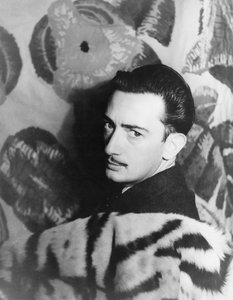
Salvador Dalí
1904 - 1989 , Spanien
Kurzinfos
- Bemerkenswerte Werke:
- Die Beständigkeit der Erinnerung
- Juliet's Tomb
- Mannequin (Barcelona Mannequin)
- Landschaft mit Fliegen
- Engelus von Gala
- Einflüsse:
- Kubismus
- Dada
- Pablo Picasso
- Geburtsdatum: 1904-05-11
- Geburtsort: Figueres, Spanien
- Künstlerische Richtung: Surrealismus
- Nationalität: Spanisch
- Todatum: 1989-01-23
- Vollständiger Name: Salvador Domingo Dalí
Ähnliche Artikel
Salvador Dalís Meisterwerke: Die 25 ikonischsten Kunstwerke für Ihr Zuhause | OriginalUniqueArt
Tauchen Sie ein in die faszinierende Welt von Salvador Dalí! Entdecken Sie die 25 ikonischsten Gemälde des Surrealismus, ihre Geschichten und Techniken. Finden Sie hochwertige Reproduktionen & Inspiration für Ihr Zuhause auf OriginalUniqueArt.com.
Surrealismus: Die 10 Meisterwerke, die eine Kunstbewegung prägten | OriginalUniqueArt
Entdecken Sie die 10 Meisterwerke des Surrealismus! Von Dalí bis Magritte – erfahren Sie die Geschichten hinter ikonischen Gemälde und lassen Sie sich von traumartigen Bildern inspirieren. Hochwertige Art Reproduktionen auf OriginalUniqueArt.com.
Surrealismus: Die 10 Meisterwerke, die eine Kunstbewegung prägten | OriginalUniqueArt
Entdecken Sie die 10 prägendsten Meisterwerke des Surrealismus! Von Dalí bis Magritte – erfahren Sie die Geschichten hinter ikonischen Gemälden und lassen Sie sich von Traumlandschaften & abstrakter Kunst inspirieren. Kunstdrucke in Museumsqualiät auf OriginalUniqueArt.com.

Decoding Dalí: The Paranoiac-Critical Method and Surrealist Symbols Explained
Master the complexities of Salvador Dalí's work. Explore the Paranoiac-Critical Method, decode iconic Surrealist symbols, and understand the psychological depth behind his technical brilliance in this expert art history guide designed for students and collectors.
Decoding Dalí: The Secrets of the Paranoiac-Critical Method and Surrealist Symbols
Unlock the mysteries of Salvador Dalí. Explore the profound secrets behind his Paranoiac-Critical Method and decode the surrealist symbols that define his legendary dreamscapes in this expert art history guide.



