

 Vorschau anzeigen
 Versenden
 Teilen
 Details anzeigen
 Leitfaden

 Herunterladen
 Ähnliche Objekte
 Röntgenaufnahme
 Diashow
 Q&A
Q&A Statistiken
Who comes?
 Oil
Oil- WallArt
 1908
1908- 19th Century
 542.0 x 810.0 cm
 National Gallery of Australia
 Weiterlesen
Giclée / Kunstdruck
Giclée- oder Leinwanddruck in Museumsqualität mit schneller Produktion und flexiblen Veredelungsoptionen. ( Handgemalte Reproduktion bestellen Zum digitalen Bild wechseln)




P118B €10

P118H €10

P118W €10

P438Z €10

P508JH €12

P508YH €12

P805H €10

P805Z €10

P919BZ €10

P919G €10

P919XJ €10

P959ZH €10

P968JZ €12

W106C €8

W218G €10

W218JH €8

W218Y €10

W307PJ €10

W316G €10

W316PJ €8

W316Y €10

W398PJ €8

W4111J €10

W500HY €15

W500JH €15

W692G €12

W849H €8

W940BG €15

W953PJ €8




Wählen Sie aus unseren vordefinierten Formaten, die den ursprünglichen Proportionen des Kunstwerks entsprechen.

Geben Sie die benötigte Breite und Höhe an, damit der Druck perfekt in Ihren Rahmen oder an Ihre Wand passt. Ein Druck kann nur beschnitten, aber niemals größer als das Originalbild angefertigt werden; daher verliert ein Format mit anderen Proportionen einen Teil des Bildes. Wir senden Ihnen ein digitales Mockup zur Freigabe, bevor wir den Druck ausführen. Das auf dieser Seite gezeigte Bild zeigt nicht den tatsächlichen Beschnitt – dies ist nur im Mockup ersichtlich.
Weltweiter Versand () innerhalb von 2 Wochen statt der üblichen 4/5 Wochen. (30 Oktober)

Kostenloser weltweiter Expressversand

Hochwertige Leinenleinwand

Umfassender Versicherungsschutz beim Versand

Zollgebühren-Rückerstattungsgarantie

Garantie für exakte Farbtreue

100 Tage Rückgaberecht (nur bei Mängeln)

100% Geld-zurück-Garantie

Mengenrabatt verfügbar
 Die Glasoption ist nur für Größen unter 110 cm verfügbar.

Who comes?
Giclée / Kunstdruck
Format der Reproduktion
-


Endpreis
€ 71
Fragen & Antworten
Ist Rupert Charles Wulsten Bunny, der Schöpfer von „Who comes?“, unter anderen Namen bekannt?
Weitere unter denen Rupert Charles Wulsten Bunny, Schöpfer von „Who comes?“, bekannt ist, umfassen Bunny, Rupert Bunny.
Wo kann ich eine Vorschau von „Who comes?“ sehen?
Auf der Vorschau im Raum-Seite von „Who comes?“ können Sie das Kunstwerk vor der Bestellung in einer Vorschau betrachten.
Kann "Who comes?" in Augmented Reality vorab betrachtet werden?
"Who comes?" von Rupert Charles Wulsten Bunny kann mithilfe der AR-Vorschau-Seite des Kunstwerks mit Augmented Reality auf einem kompatiblen Gerät direkt an Ihrer eigenen Wand vorab betrachtet werden.
Künstlerbiografie
Frühes Leben und Ausbildung
Rupert Charles Wulsten Bunny, ein australischer Maler, wurde 1864 in St Kilda, Victoria, geboren. Er erhielt eine traditionelle und akademische Ausbildung in den Künsten unter der Leitung von Calderon und Laurens. Dieses Fundament sollte ihm später in seiner erfolgreichen Karriere als Expat-Künstler im Paris des Fin de Siècle dienlich sein.Errungenschaften und Auszeichnungen
Bunnys künstlerisches Können wurde bereits früh gewürdigt, etwa durch eine ehrenvolle Erwähnung auf dem Pariser Salon von 1890 für sein Gemälde Tritons. Er festigte seinen Ruf weiter durch den Gewinn einer Bronzemedaille auf der Pariser Weltausstellung im Jahr 1900 für das Werk Begräbnis der Heiligen Katharina von Alexandria. Der französische Staat erwarb 13 seiner Werke, darunter solche, die heute im Musée du Luxembourg und in regionalen Sammlungen untergebracht sind.Künstlerischer Stil und Themen
Bunny war, wie Kunstkritiker ihn beschrieben, ein „prächtiger Farbmaler und splendidly eruditer Maler idealer Themen“. Seine Arbeiten zeigten oft Gruppen weiblicher Figuren, die an weiten Wasserflächen entspannten, träumten oder sich kleideten und entkleideten, was seine einzigartige Mischung aus Symbolismus und Ästhetizismus eindrucksvoll zur Schau stellte.- Bemerkenswerte Werke:
- Endormies (National Gallery of Victoria, Melbourne, Australien)
- Sea Idyll (National Gallery of Victoria, Melbourne, Australien)
- Pastoral (National Gallery of Australia, Canberra, Australien)
Vermächtnis und Online-Präsenz
Heute können Bunnys Werke in verschiedenen Museen und auf Online-Plattformen gefunden werden. Für diejenigen, die daran interessiert sind, mehr seiner Kunst zu entdecken, bietet [https://OriginalUniqueArt.com/@/rupert-charles-wulsten-bunny](https://OriginalUniqueArt.com/@/rupert-charles-wulsten-bunny) eine umfangreiche Sammlung seiner Gemälde, einschließlich Endormies, Sea Idyll und Pastoral. Diese Werke sind auch als hochwertige Reproduktionen in Museumsqualität über /de/art/show/art-8xyffg-de/ erhältlich.Fazit
Rupert Charles Wulsten Bunny, ein australischer Maler aus St Kilda, Victoria, hinterließ mit seinem prachtvollen und gelehrten Stil einen unauslöschlichen Eindruck in der Kunstwelt. Sein Vermächtnis inspiriert durch seine Werke, die heute bequem über [https://OriginalUniqueArt.com](https://OriginalUniqueArt.com) zugänglich sind.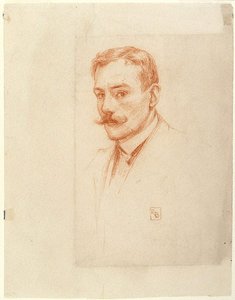
Rupert Charles Wulsten Bunny
1864 - 1947 , Australien
Kurzinfos
- Artistic Movement Or Style: Symbolismus
- Artists Who Influenced This Artist:
- Calderon
- Laurens
- Date Of Birth: 29. September 1864
- Date Of Death: 25. Mai 1947
- Full Name: Rupert Charles Wolston Bunny
- Nationality: Australien
- Notable Artworks:
- Endormies
- Sea idyll
- Pastoral
- Place Of Birth: St Kilda, Australien
Ähnliche Artikel
Eleganz in der Kunst: Die 10 schönsten Meisterwerke für Ihr Zuhause |
Entdecken Sie die 10 elegantesten Meisterwerke der Kunstgeschichte! Von Renaissance bis Impressionismus – erfahren Sie die Geschichten berühmter Künstler und lassen Sie sich von zeitloser Schönheit inspirieren. Hochwertige Kunstdrucke auf .
The Allure of Elegance: Exploring Artistic Representations of Refinement Across Movements
Explore the captivating history of elegance in art, from Rococo's grace to Romanticism’s passion. Discover investment-worthy masterpieces & expert guidance for building your collection with OriginalUniqueArt.
Sir Joshua Reynolds: Die 25 Meisterwerke des Porträtmalers | OriginalUniqueArt
Entdecken Sie die 25 Meisterwerke von Sir Joshua Reynolds! Erleben Sie Rokoko & Klassizismus durch ikonische Porträts. Hochwertige Reproduktionen für Ihr Interieur auf OriginalUniqueArt.com – jetzt entdecken!

The Allure of Elegance in Art: A Historical & Aesthetic Exploration of Refined Beauty
Explore the history of elegance in art! Discover Rococo masterpieces & key artists. Expert insights for discerning collectors seeking investment-worthy artworks and custom reproductions at OriginalUniqueArt.

The Allure of Elegance in Art: A Historical & Aesthetic Exploration of Refinement & Grace
Explore the exquisite world of Rococo art! Discover its history, masters (Watteau, Boucher & more), and defining elegance. Expert insights for collectors seeking museum-quality reproductions & custom portraits.

