- Startseite

- Auf Leinwand drucken
- Roy Lichtenstein
- Large Interior with Three Reflections
 Gemälde kaufen Bild kaufen
 Versenden
 Teilen
 Details anzeigen
 Zu Favoriten hinzufügen

 Herunterladen
 Ähnliche Objekte
 Röntgenaufnahme
 Diashow anzeigen
Large Interior with Three Reflections


 Weiterlesen
Giclée / Kunstdruck
Giclée- oder Leinwanddruck in Museumsqualität mit schneller Produktion und flexiblen Veredelungsoptionen.




P118B $10

P118H $10

P118W $10

P438Z $10

P508JH $12

P508YH $12

P805H $10

P805Z $10

P919BZ $10

P919G $10

P919XJ $10

P959ZH $10

P968JZ $12

W106C $8

W218G $10

W218JH $8

W218Y $10

W307PJ $10

W316G $10

W316PJ $8

W316Y $10

W398PJ $8

W4111J $10

W500HY $15

W500JH $15

W692G $12

W849H $8

W940BG $15

W953PJ $8




Wählen Sie aus unseren vordefinierten Größen, die den ursprünglichen Proportionen des Kunstwerks entsprechen.

Sie können Ihre eigenen Maße eingeben, um ein bestimmtes Format oder einen speziellen Platz einzupassen. Wenn das von Ihnen gewählte Format nicht den Proportionen des Originalbildes entspricht, werden wir das Kunstwerk entweder beschneiden oder das Bild mit einem gespiegelten oder einfarbigen Rand erweitern. Ein digitaler Entwurf wird Ihnen zur Genehmigung zugesandt, bevor die Produktion beginnt.
Bitte beachten Sie, dass die Vorschau auf dem Bildschirm nicht den tatsächlichen Zuschnitt oder die Erweiterung widerspiegelt. Nur der Entwurf zeigt die endgültige Komposition präzise an.
Obwohl Sondermaße verfügbar sind, empfehlen wir die Auswahl eines Maßes aus der vordefinierten Liste, um die ursprünglichen Proportionen zu bewahren.
Weltweiter Versand () innerhalb von 2 Wochen statt der üblichen 4/5 Wochen. (18 Juli)

Kostenloser weltweiter Expressversand

Hochwertige Leinenleinwand

Umfassender Versicherungsschutz beim Versand

Zollsteuer-Rückerstattungsgarantie

Garantie für echte Farbtreue

60-Tage-Rückgaberecht (nur bei Mängeln)

100% Geld-zurück-Garantie

Mengenrabatt verfügbar
 Die Glasoption ist nur in Größen unter 110 cm verfügbar.

Large Interior with Three Reflections
Giclée / Kunstdruck
Größe der Reproduktion
-


Endpreis aller Optionen
-
Beschreibung des Sammlerstücks
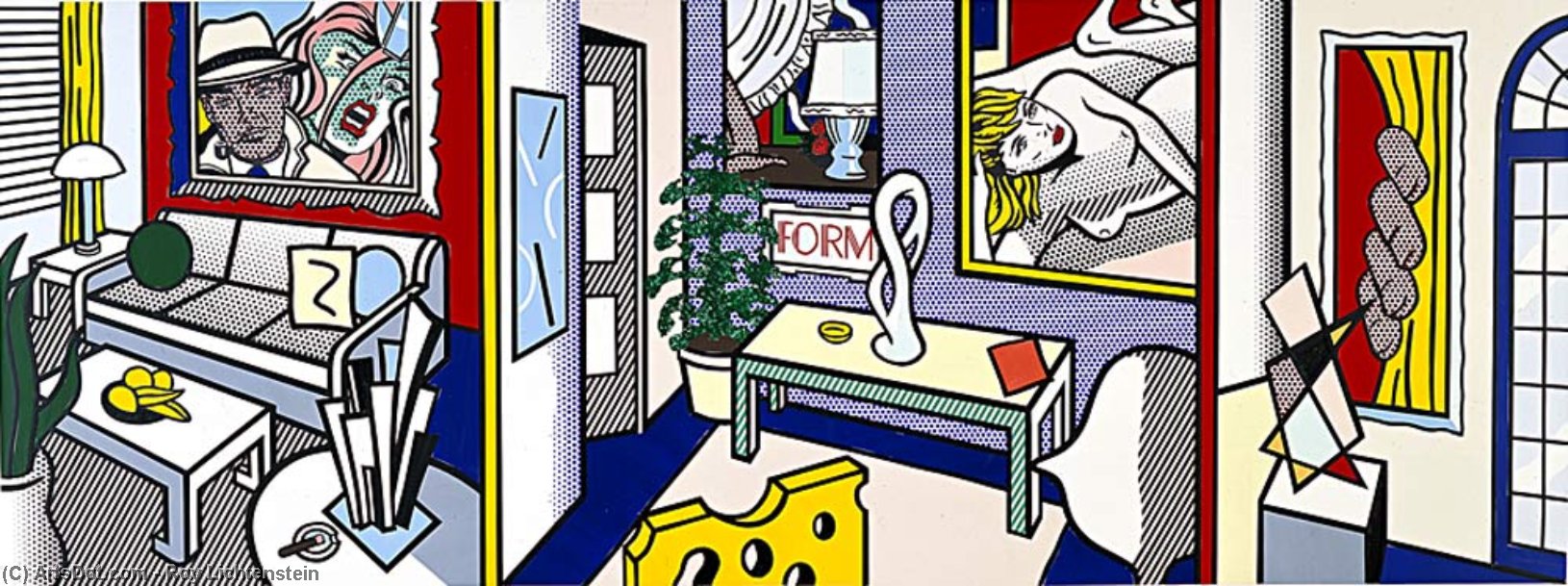
Large Interior with Three Reflections – A Bold Statement of Pop Art
Roy Lichtenstein’s “Large Interior with Three Reflections,” completed in 1993, stands as a quintessential example of the artist's signature style and his masterful manipulation of visual language. More than just a depiction of a domestic scene—a dining room bathed in light—the painting embodies Lichtenstein’s deliberate rejection of traditional artistic conventions and his embrace of the aesthetics of popular culture. It’s a piece that invites contemplation on perception, repetition, and the subtle complexities hidden beneath seemingly simple imagery.The Style: Bold Comic Influence
At first glance, “Large Interior with Three Reflections” appears remarkably straightforward. However, this apparent simplicity belies Lichtenstein's profound engagement with comic strip aesthetics. He famously adopted Ben-Day dots—a printing technique popularized in the 1930s—to create a textured surface that mimics the halftone shading found in comics. This method lends an illusion of movement and vibrancy to what would otherwise be a static composition, mirroring the dynamism inherent in sequential art. The flattened perspective and stylized depiction of figures contribute further to this stylistic echo, firmly anchoring the artwork within the Pop Art movement’s fascination with mass media.Technique: Precision and Controlled Color Palette
Lichtenstein's meticulous approach to painting is evident in every detail. He employed a technique characterized by precise lines and carefully calibrated color palettes—often utilizing vibrant reds, yellows, and blues—to achieve striking visual impact. Unlike Impressionists or Expressionists who sought to capture fleeting sensations of light and emotion, Lichtenstein prioritized clarity and accuracy. The artist meticulously rendered the reflections on the surfaces of objects within the room, demonstrating a remarkable command of perspective and shading. This meticulousness wasn’t merely about technical proficiency; it was a conscious decision to distill visual experience into its most essential components.Historical Context: Challenging Artistic Tradition
“Large Interior with Three Reflections” emerged during a period of significant artistic upheaval—the latter half of the twentieth century—when artists were actively questioning established norms and exploring new avenues for creative expression. The Pop Art movement arose in response to Abstract Expressionism’s dominance, rejecting its emotional intensity and advocating instead for engagement with everyday life and consumer culture. Lichtenstein deliberately distanced himself from the seriousness of his predecessors, using humor and irony to critique societal values. By appropriating imagery from comic books—a medium previously considered lowbrow—he elevated it to the level of fine art, sparking debate about what constituted “serious” artistic endeavor.Symbolism: Reflections on Perception and Repetition
Beyond its stylistic and technical merits, "Large Interior with Three Reflections" carries symbolic weight. The multiple reflections within the room serve as a visual metaphor for perception—how our senses interpret reality and how individual viewpoints can differ. Furthermore, the repetition of objects—the potted plants, the vase, the bowl—emphasizes the idea that appearances can be deceiving and that underlying patterns often dominate surface impressions. Lichtenstein’s deliberate use of these motifs invites viewers to consider questions about representation and the nature of visual experience.Emotional Impact: A Quiet Intensity
Despite its seemingly detached aesthetic, “Large Interior with Three Reflections” possesses a subtle emotional resonance. The carefully orchestrated color palette evokes feelings of warmth and tranquility, while the stylized figures convey a sense of understated drama. Ultimately, Lichtenstein’s artwork encourages contemplation on beauty, simplicity, and the power of visual imagery to communicate complex ideas—a testament to his enduring legacy as one of Pop Art's most influential voices.Biografie des Künstlers
frühes Leben und Ausbildung
Roy Fox Lichtenstein, ein prominenter amerikanischer Pop-Künstler, wurde am 27. Oktober 1923 in New York City geboren. Er wuchs in einer wohlhabenden jüdischen Familie auf, mit seinem Vater als Immobilienmakler und seiner Mutter als Hausfrau. Lichtensteins Interesse an Kunst und Design begann während seiner Schulzeit als Hobby.Künstlerische Karriere
Nach Abschluss seiner Schulausbildung am Dwight School im Jahr 1940 besuchte Lichtenstein die Art Students League of New York unter der Anleitung von Reginald Marsh. Er studierte anschließend einen Abschluss in Fine Arts an der Ohio State University, der durch eine dreijährige Verlegung in das Militär während des Zweiten Weltkriegs unterbrochen wurde.- Look Mickey (1961, National Gallery of Art, Washington, D.C.), eines von Lichtensteins frühesten Pop-Kunstwerke, markierte den Beginn seiner einflussreichen Karriere.
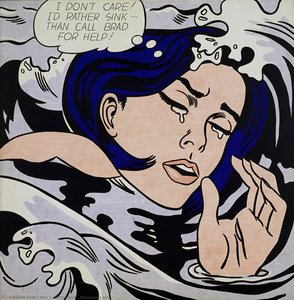
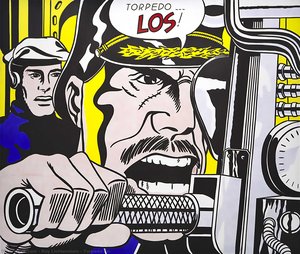
- Seine Arbeit war stark von Werbe- und Comic-Stilen beeinflusst, darunter bedeutende Werke wie Wham!, Drowning Girl und Oh, Jeff...I Love You Too...But...
- Lichtensteins teuerstes Werk, Masterpiece, wurde im Januar 2017 für 165 Millionen Dollar verkauft.
Lehre und Einflüsse
Lichtenstein lehrte an verschiedenen Institutionen, darunter die State University of New York at Oswego und die Rutgers University. Seine Arbeit war von Allan Kaprow beeinflusst, einem Kollegen an der Rutgers University, der sein Interesse an proto-Pop-Bildern wiederbelebte. Bekannte Ausstellungen:- The Museum Chambre de Commerce (Toulouse, Frankreich), das verschiedene Kunstwerke aus der Pop-Art-Bewegung zeigte.
- Lichtensteins Werk wurde in der Leo Castelli Gallery in New York City ausgestellt, wobei seine erste Einzelausstellung 1962 vor der Eröffnung vollständig von einflussreichen Sammlern gekauft wurde.
Vermächtnis und Einfluss
Roy Lichtenstein starb am 29. September 1997 und hinterließ ein Vermächtnis als eine führende Figur in der Pop-Art-Bewegung. Seine Arbeit wird weiterhin für ihre innovative Verschmelzung von Hoch- und Populärkultur gefeiert, wodurch sie einem breiteren Publikum zugänglich gemacht wird.- Entdecken Sie mehr von Lichtensteins Kunstwerke auf OriginalUniqueArt.com
- Erfahren Sie die Welt der Pop-Art und ihrer einflussreichen Künstler auf Pop Art und darüber hinaus: Navigieren Sie mit OriginalUniqueArt.com durch zeitgenössische Stile
- Wikipedia: Roy Lichtenstein
- The Museum Chambre de Commerce (Toulouse, Frankreich) auf OriginalUniqueArt.com

Roy Lichtenstein
1923 - 1997 , Vereinigte Staaten von Amerika
Kurzinfos
- Beeinflusste Künstler:
- Reginald Marsh
- Allan Kaprow
- Bemerkenswerte Werke:
- Look Mickey
- Whaam!
- Drowning Girl
- Masterpiece
- Geburtsdatum: 27. Oktober 1923
- Geburtsort: Manhattan, USA
- Künstlerische Richtung: Pop Art
- Nationalität: Amerikanisch
- Todatum: 29. September 1997
- Vollständiger Name: Roy Lichtenstein
Ähnliche Artikel
Geek-Chic Wohnräume: Stilvoll Popkultur-Kunst integrieren – Expertenratgeber für anspruchsvolle Interieurs
Entdecken Sie, wie Sie Popkultur-Kunst stilvoll in Ihr Zuhause integrieren! Expertenratgeber für Gaming-, Anime- und Comic-Ästhetik. Hochwertige Reproduktionen & Custom Art für anspruchsvolle Interieurs.
Challenging Conventions: Pop Art's Origins, Evolution & Enduring Legacy
Explore the fascinating history of Pop Art, from its rebellious origins to its enduring influence on contemporary artists. Discover key figures like Warhol & Lichtenstein and learn about collecting this iconic movement.
Vom Fan-Favoriten zum Kunstwerk: Eine umfassende Anleitung zur Beauftragung individueller Popkultur-Gemälde
Individuelle Pop Art Gemälde vom Profi! Finden Sie den perfekten Künstler & lassen Sie Ihr Lieblingsmotiv als einzigartiges Kunstwerk erstellen. Jetzt Angebot anfordern!
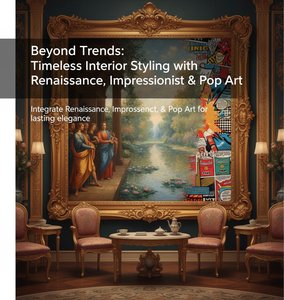
Jenseits vergänglicher Trends: Die Kultivierung zeitloser Innenästhetik durch Renaissance-Reverie, Impressionistisches Licht und Pop Art-Vibranz
Entdecken Sie, wie Renaissance-Eleganz, Impressionistisches Licht & Pop Art-Vibranz zeitlose Innenräume schaffen! Expertenrat für Luxus-Inneneinrichtung und individuelle Kunstberatung. Jetzt lesen!
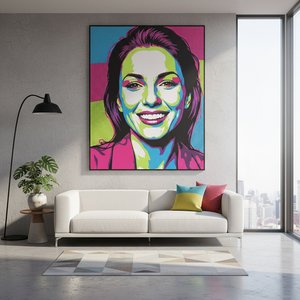
Pop Art im digitalen Zeitalter: Personalisierte Ölmalereien als Ausdruck moderner Lebensstile und zeitgenössischer Innenraumgestaltung
Handgemalte Pop Art Gemälde von OriginalUniqueArt – erschaffen Sie Ihr persönliches Meisterwerk! Individuelle Kunstwerke im Warhol-Stil, höchste Qualität & 100% Zufriedenheitsgarantie. Jetzt gestalten!