In echtem Maßstab anzeigen
 Versenden als Grußkarte
 Teilen
 Details anzeigen
 Leitfaden öffnen

 Herunterladen
 Ähnliche Objekte
 Röntgenaufnahme
 Diashow
 Besucherstatistiken
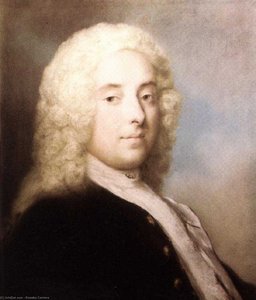
A Young Lady with a Parrot


 Mehr anzeigen
Handgefertigte Ölreproduktion
Handgemaltes Ölgemälde auf Leinwand in Ihrer Wunschgröße und mit Rahmen, auf Bestellung von unseren Künstlern angefertigt. ( Zum Druck wechseln Zum digitalen Bild wechseln)




P118B $10

P118H $10

P118W $10

P438Z $10

P508JH $12

P508YH $12

P805H $10

P805Z $10

P919BZ $10

P919G $10

P919XJ $10

P959ZH $10

P968JZ $12

W106C $8

W218G $10

W218JH $8

W218Y $10

W307PJ $10

W316G $10

W316PJ $8

W316Y $10

W398PJ $8

W4111J $10

W500HY $15

W500JH $15

W692G $12

W849H $8

W940BG $15

W953PJ $8




Wählen Sie aus unseren vordefinierten Formaten, die den ursprünglichen Proportionen des Kunstwerks entsprechen.

Sie können Ihre eigenen Maße eingeben, um einen bestimmten Rahmen oder Platz auszufüllen. Wenn die gewählte Größe nicht den Proportionen des Originalbildes entspricht, werden wir das Kunstwerk entweder beschneiden oder das Gemälde durch zusätzliche, handgemalte Elemente erweitern. Ein digitales Mockup wird Ihnen zur Genehmigung zugesandt, bevor die Produktion beginnt.
Bitte beachten Sie, dass die Bildschirmvorschau nicht die tatsächliche Beschneidung oder Erweiterung widerspiegelt. Nur das Mockup zeigt die endgültige Komposition exakt an.
Obwohl Sondermaße verfügbar sind, empfehlen wir, eine Größe aus der vordefinierten Liste zu wählen, um die ursprünglichen Proportionen beizubehalten.
Nach der Bestellung wird das OriginalUniqueArt.com-Team dem Kunden Anweisungen per E-Mail zusenden und eine Mockup-Vorschau bereitstellen.
Weltweiter Versand () in nur 3 bis 4 Wochen statt der üblichen 5 Wochen. (26 September). Keine Kompromisse bei der Qualität.

Kostenloser weltweiter Expressversand

Hochwertige Leinenleinwand

Vollständiger Versicherungsschutz beim Versand

Zollgebühren-Rückerstattungsgarantie

Garantie für exakte Farbtreue

100-tägiges Rückgaberecht (nur bei Mängeln)

100% Geld-zurück-Garantie

Angebot für Mengenrabatt
 Die Glasoption ist nur für Größen unter 110 cm verfügbar.

A Young Lady with a Parrot
Reproduktionsmedium
Format der Reproduktion
-


Gesamtpreis
$ 300
Rosalba Carriera’s Enigmatic Delight: A Young Lady with a Parrot
Rosalba Carriera's "A Young Lady with a Parrot," painted circa 1730, isn’t merely a portrait; it’s a subtle dance of gesture, color, and playful intrigue. This pastel masterpiece, now residing in the collection of The Art Institute of Chicago, offers a captivating glimpse into the Rococo era's fascination with elegance, wit, and the delicate interplay between innocence and suggestion. Carriera, a pioneering figure who defied societal constraints to establish herself as one of Venice’s most celebrated artists, masterfully employs her signature style – characterized by luminous pastels, airy brushstrokes, and an uncanny ability to capture both the physical likeness and the inner character of her subjects – to create an image that continues to hold viewers spellbound centuries later.
The painting depicts a young woman, often interpreted as a member of the English aristocracy, seated in a richly draped chair. Her posture is relaxed yet poised, her gaze direct and engaging. She holds a small bouquet of violets – a symbol of modesty and beauty – while her hand rests lightly on the wing of a vibrant African grey parrot perched gracefully upon her shoulder. This bird isn’t simply an accessory; it's a crucial element in Carriera’s carefully constructed narrative. The parrot, with its intelligent eyes and slightly mischievous expression, seems to mirror the woman’s own subtle flirtation, hinting at a hidden sensuality beneath a veneer of propriety.
The Pastel Revolution: Technique and Innovation
Carriera was a true innovator in the world of pastel painting. Unlike her contemporaries who primarily utilized oil paints, she championed the medium's unique qualities – its delicate texture, vibrant colors, and ability to capture fleeting light and shadow. “A Young Lady with a Parrot” exemplifies this mastery. The pastel application is remarkably freehand, creating a sense of movement and spontaneity that’s rarely found in more formal portraiture. Notice how the artist builds up layers of color, blending hues directly on the paper to achieve subtle gradations and luminous effects. The use of ivory as a support was also revolutionary, allowing for greater detail and luminosity than traditional vellum.
Furthermore, Carriera’s technique is characterized by her masterful handling of *sfumato* – a blurring effect that softens outlines and creates an atmosphere of hazy beauty. This is particularly evident in the rendering of the woman's dress and the parrot’s plumage, which appear to shimmer with an ethereal glow. The background is deliberately muted, drawing attention to the central figures and reinforcing their importance within the composition.
Symbolism and Subtext: A Dance of Meaning
Beyond its surface beauty, “A Young Lady with a Parrot” is rich in symbolic meaning. The parrot itself has long been associated with intelligence, wit, and even a touch of irreverence – qualities that are subtly reflected in the woman’s demeanor. The gesture of pulling back the gauzy fabric at the edge of her bodice, mirrored by the parrot's beak, introduces an element of playful provocation, suggesting a willingness to challenge social conventions. This subtle act of defiance is balanced by the woman’s composed expression and the delicate beauty of her attire, creating a captivating tension between restraint and desire.
The inclusion of violets further enhances the painting's symbolic resonance. Violets are traditionally associated with modesty, humility, and remembrance – virtues that align perfectly with the young woman’s apparent character. However, their delicate beauty also hints at vulnerability and a certain wistfulness, adding another layer of complexity to the portrait.
A Legacy of Elegance: Carriera's Enduring Influence
Rosalba Carriera’s “A Young Lady with a Parrot” stands as a testament to her artistic genius and her profound impact on the development of pastel portraiture. Her innovative techniques, masterful use of color, and astute understanding of human psychology continue to resonate with viewers today. The painting's enduring appeal lies in its ability to capture not only the physical likeness of its subject but also the essence of her personality – a captivating blend of grace, wit, and subtle sensuality. It remains a prime example of Rococo artistry at its most refined and enigmatic, offering a timeless glimpse into the pleasures and complexities of 18th-century Venetian society.
Biografie des Künstlers
Rosalba Carriera: Eine venezianische Rokoko-Porträtistin
- Geboren: Venedig, Italien (1675)
- Gestorben: 1757
Rosalba Carriera war eine bedeutende venezianische Rokokomalerin, die für ihre Meisterschaft in der Pastellporträtmalerei und Miniaturkunst gefeiert wurde. Sie gilt als eine der erfolgreichsten Künstlerinnen der Kunstgeschichte, die die Verwendung von Pastellkreiden für formelle Porträts maßgeblich vorantrieb und im frühen 18. Jahrhundert internationale Anerkennung erlangte.
Frühes Leben und künstlerische Anfänge
Rosalba Carriera wurde in eine Familie des unteren Mittelstandes in Venedig geboren. Ihr Kunstweg begann unerwartet. Ihre Mutter war in der Spitzenherstellung tätig, und junge Rosalba half zunächst bei der Erstellung komplizierter Spitzmuster. Als die Spitzeindustrie zurückging, suchte die Familie nach alternativen Lebensgrundlagen. Carriera’s Einfallsreichtum führte dazu, dass sie Miniaturen auf Schnupftabakdosengedecken malte – eine neuartige Anwendung, die schnell an Popularität gewann. Sie verwendete innovativ Elfenbein statt traditionellem Vellum für diese Miniaturen und etablierte sich so als talentierte Miniaturistin.
Entwicklung und Meisterschaft der Pastellporträtmalerei
Aufbauend auf ihrer Erfahrung in der Miniaturmalerei wechselte Carriera zur Porträtmalerei, wobei sie insbesondere die ausschließliche Verwendung von Pastellkreiden maßgeblich vorantrieb. Dieses Medium erwies sich als besonders gut geeignet für den Schwerpunkt des Rokoko-Stils auf weiche Kanten und schmeichelhafte Oberflächen. Ihre Porträts fingen das Aussehen bedeutender Persönlichkeiten ein, darunter Maximilian II. von Bayern, Friedrich IV. von Dänemark und August der Starke von Sachsen, die eine beträchtliche Sammlung ihrer Pastelle anhäuften.
- Frühe Werke: Porträts von Maximilian II. von Bayern, Friedrich IV. von Dänemark, "Die Künstlerin und ihre Schwester Naneta" (Uffizien) und August der Starke.
- Anerkennung: 1704 wurde sie als 'Accademico di merito' von der römischen Accademia di San Luca ernannt – eine prestigeträchtige Auszeichnung, die nur Nicht-Römern vorbehalten war.
Internationale Anerkennung und Pariser Triumph
Seit 1721 hatte sich Carriera’s Ruf in ganz Europa verbreitet, was zu einem längeren Aufenthalt in Paris führte, wo ihre Porträts sehr begehrt waren. Als Gast der Kunstsammlerin Pierre Crozat malte sie zahlreiche Mitglieder des französischen Hofes, darunter König Ludwig XV. und Watteau. Ihr Talent wurde so hoch eingeschätzt, dass sie mit Acclamations als Mitglied der Académie Royale de Peinture et de Sculpture gewählt wurde – eine beispiellose Leistung für eine ausländische Frau.
- Pariser Einfluss: Trug dazu bei, den aristokratischen Geschmack in Frankreich zu prägen und die Kunst über die alleinige königliche Förderung hinauszubewegen.
- Familienunterstützung: Ihre Schwestern Giovanna und Angela unterstützten sie bei dem großen Volumen an Aufträgen, das sie während dieser Zeit erhielt.
Spätere Jahre, Vermächtnis und historische Bedeutung
Nach ihrer Rückkehr nach Venedig reiste Carriera weiterhin ausgedehnt und besuchte Modena, Parma und Wien, wo sie von europäischen Königen herzlich aufgenommen wurde. Sie wurde zur Wohltäterin des Heiligen Kaiser Karls VI., der über 150 ihrer Pastelle anhäufte. Später im Leben erlitt sie persönliche Tragödien, darunter den Tod ihrer Schwester Giovanna und einen allmählichen Verlust ihres Sehvermögens aufgrund von Katarakten. Trotz dieser Herausforderungen bleibt Carriera’s Einfluss auf spätere Generationen von Frauenkünstlerinnen – wie Adélaïde Labille-Guiard und Elisabeth Vigée Le Brun – bedeutsam.
- Förderung: Erhielt beträchtliche Unterstützung vom Heiligen Kaiser Karl VI. in Wien.
- Einfluss: Inspirierte spätere Künstlerinnen und trug so zur Förderung von Frauen in der Kunstwelt bei.
- Historische Bedeutung: Carriera’s Erfolg stellte gesellschaftliche Normen in Frage und demonstrierte die künstlerischen Fähigkeiten von Frauen während der Rokoko-Periode. Sie wird als Pionierin in Erinnerung behalten, die Pastelle populär machte und bemerkenswerte internationale Anerkennung für ihre Porträtmalerei erlangte.

Rosalba Carriera
1675 - 1757 , Italien
Eckdaten zum Künstler
- Beeinflusste Künstler: ['Jean Steve']
- Bemerkenswerte Werke:
- Die Künstlerin und ihre Schwester Naneta
- Augustus der Starke von Sachsen
- Geburtsdatum: 7. Oktober 1675
- Geburtsort: Venedig, Italien
- Künstlerische Richtung: Rokoko
- Nationalität: Italienerin
- Sterbedatum: 15. April 1757
- Vollständiger Name: Rosalba Carriera
- Von Künstlern Beeinflusst:
- Adélaïde Labille-Guiard
- Élisabeth Vigée Le Brun
Verwandte Artikel
Mastering Pastel Art: A Professional Guide to Texture, Color, and Technique for the Discerning Collector
Discover the professional secrets of pastel art. From Impressionist light techniques to mastering texture and pigment layering, our expert guide explores the ethereal beauty and technical precision required to master this delicate medium.

Rococo Meisterwerke: Die Top 10, die eine Epoche prägten |
Entdecken Sie die Top 10 Rokoko Meisterwerke von Watteau, Boucher & Fragonard! Erfahren Sie die Geschichten hinter diesen ikonischen Gemälden und lassen Sie sich für Ihre Inneneinrichtung inspirieren. Hochwertige Kunstdrucke auf .
Rococo Portraits: The Ultimate Guide to Pastel Luxury, Opulence, and High-Impact Aesthetic Glamour
Discover the breathtaking elegance of Rococo portraits. Explore a world of pastel luxury, luminous textures, and aristocratic grace through expert analysis of 18th-century masterpieces. Elevate your space with the timeless opulence of high-impact, hand-painted fine art.

The Subdued Radiance of Pastel: Exploring Nuance & Emotion in Art
Explore the nuanced world of pastel art! Discover its history, techniques & emotional power with expert insights from OriginalUniqueArt.com. Find museum-quality reproductions and learn about collecting this delicate medium.

The Elegance of Rococo: A Journey Through Pastel Dreams and Ornate Splendor
Embark on an elegant journey through the Rococo era. Discover the delicate beauty of pastel masterpieces, the intricate artistry of 18th-century French masters, and how this era of ornate splendor continues to inspire timeless luxury in fine art collecting.