

 Vorschau anzeigen
 Versenden
 Teilen
 Details anzeigen

 Herunterladen
 Ähnliche Objekte
 Röntgenaufnahme
 Diashow
Ostanglianer Windmühle
 Impressionismus
 41.0 x 50.0 cm
 Weiterlesen
Handgefertigte Ölreproduktion
Handgemaltes Ölgemälde auf Leinwand in Ihrer Wunschgröße und mit Rahmen, auf Bestellung von unseren Künstlern angefertigt. ( Druck bestellen Bild kaufen)




































Wählen Sie aus unseren vordefinierten Formaten, die den ursprünglichen Proportionen des Kunstwerks entsprechen.

Sie können Ihre eigenen Maße eingeben, um einen bestimmten Rahmen oder Platz auszufüllen. Wenn die gewählte Größe nicht den Proportionen des Originalbildes entspricht, werden wir das Kunstwerk entweder beschneiden oder das Gemälde durch zusätzliche, handgemalte Elemente erweitern. Ein digitales Mockup wird Ihnen zur Genehmigung zugesandt, bevor die Produktion beginnt.
Bitte beachten Sie, dass die Bildschirmvorschau nicht die tatsächliche Beschneidung oder Erweiterung widerspiegelt. Nur das Mockup zeigt die endgültige Komposition exakt an.
Obwohl Sondermaße verfügbar sind, empfehlen wir, eine Größe aus der vordefinierten Liste zu wählen, um die ursprünglichen Proportionen beizubehalten.
Nach der Bestellung wird das OriginalUniqueArt.com-Team dem Kunden Anweisungen per E-Mail zusenden und eine Mockup-Vorschau bereitstellen.
Weltweiter Versand () in nur 3 bis 4 Wochen statt der üblichen 5 Wochen. (29 August). Keine Kompromisse bei der Qualität.

Kostenloser weltweiter Expressversand

Hochwertige Leinenleinwand

Umfassender Versicherungsschutz beim Versand

Zollgebühren-Rückerstattungsgarantie

Garantie für exakte Farbtreue

60 Tage Rückgaberecht (nur bei Mängeln)

100% Geld-zurück-Garantie

Mengenrabatt verfügbar
 Die Glasoption ist nur für Größen unter 110 cm verfügbar.

Ostanglianer Windmühle
Art der Reproduktion
Format der Reproduktion
-


Gesamtpreis
$ 300
Ein friedlicher Blick auf das englische Land: Robert W. Hills "East Anglian Windmill"
Dieses fesselnde Landschaftsgemälde von Robert W. Hill bietet eine ruhige Ansicht des ländlichen East Anglia und zeigt eine typisch englische Windmühle, eingebettet in ein charmantes Dorf. Ausgeführt im impressionistischen Stil, versetzt das Kunstwerk den Betrachter in eine friedliche Landschaft, die Gefühle der Nostalgie und Gelassenheit hervorruft. Die leicht erhöhte Perspektive ermöglicht einen umfassenden Blick auf die Komposition und lenkt den Blick von dem grasbewachsenen Vordergrund hin zum Mittelpunkt – der majestätischen Windmühle im Hintergrund. Hill fängt das Wesen der englischen Landschaft meisterhaft durch seinen geschickten Einsatz von Farbe und Licht ein.Impressionistische Technik und atmosphärische Perspektive
Die Technik Hills ist fest in der Tradition des Impressionismus verwurzelt, was sich in den losen, ausdrucksstarken Pinselstrichen zeigt, die die Formen von Gebäuden, Bäumen und der Windmühle selbst definieren. Die Palette wird von Erdtönen – Grün-, Braun- und Ockertönen – dominiert, akzentuiert durch Farbtupfer Blau und Grau, was ein harmonisches und naturgetreues Gefühl erzeugt. Dicke Impasto-Pinselstriche verleihen dem Himmel und der Vegetation eine taktile Qualität. Bemerkenswert ist Hills Einsatz der atmosphärischen Perspektive; entfernte Objekte werden mit weniger Detail und blasseren Farben dargestellt, wodurch die Wirkung von Distanz simuliert und ein Gefühl der Tiefe in der Szene verstärkt wird. Diese Technik priorisiert das Einfangen des Gesamtgefühls und der Atmosphäre anstelle einer strengen Realität, was für die impressionistische Bewegung charakteristisch ist. Die diffuse Beleuchtung deutet auf einen bewölkten Tag hin und trägt so zur ruhigen Stimmung des Gemäldes bei.Symbolik und kulturelle Bedeutung
Neben seinem ästhetischen Reiz birgt "East Anglian Windmill" symbolische Bedeutung. Die Windmühle selbst steht für Industrie und Landwirtschaft – wesentliche Bestandteile des ländlichen Lebens in East Anglia. Sie ist ein Beweis für traditionelle Methoden und eine Verbindung zum Land. Die umliegenden Gebäude erwecken ein Gefühl von Gemeinschaft und Geschichte, das auf Generationen hinweist, die in dieser Landschaft gelebt und gearbeitet haben. Das Gemälde feiert die bleibende Schönheit der englischen Landschaft und ihr kulturelles Erbe.Robert W. Hill: Ein amerikanischer Impressionist
Obwohl er eine Szene aus East Anglia darstellt, war Robert W. Hill (1932-1990) ein amerikanischer Künstler, der für seine detaillierten Darstellungen der Natur und des ländlichen Lebens innerhalb des Rahmens des amerikanischen Impressionismus gefeiert wurde. Obwohl wenig über sein persönliches Leben bekannt ist, liegt sein künstlerisches Erbe in seiner Fähigkeit, Landschaften mit einem scharfen Auge für Details und atmosphärische Nuancen darzustellen. Dieses Werk exemplifiziert sein Talent, Szenen zu malen, die sowohl visuell beeindruckend als auch emotional widerhallen und den Betrachter einladen, die einfache Schönheit der Naturwelt zu schätzen. Seine Gemälde spiegeln oft eine friedliche Stimmung und Nostalgie wider, Eigenschaften, die in "East Anglian Windmill" wunderbar verkörpert werden.Über den Künstler
Robert W. Hill: A Master of American Impressionism
Robert W. Hill (1932-1990) emerged as a significant figure in the landscape and wildlife painting traditions of mid-20th century America, quietly establishing himself as a master of observation and evocative detail. Born in Watford, Hertfordshire, England, in 1932, his early life instilled within him a deep appreciation for the natural world – an influence that would profoundly shape his artistic vision. He later relocated to Dallas, Texas, where he spent much of his career, developing a distinctive style characterized by meticulous rendering and a profound connection to the American West’s diverse ecosystems. Hill's work isn't defined by grand gestures or dramatic compositions; rather, it resides in the subtle shifts of light, the textures of bark and feathers, and the quiet dignity of animals within their habitats.Early Life and Artistic Training
Hill’s artistic journey began with formal training at Watford School of Art and later at the Royal Academy Schools in London during the 1950s. His teachers, including Henry Rushbury, Peter Greenham, and Bernard Fleetwood-Walker, provided him with a rigorous foundation in draughtsmanship and color theory. These early influences instilled in him a commitment to accuracy and a respect for traditional artistic techniques. Notably, he won several prestigious scholarships, including the David Murray Scholarship in landscape painting, demonstrating his exceptional talent from an early age. This period of training laid the groundwork for his later development as a keen observer of nature, meticulously documenting its intricacies with remarkable skill.A Distinctive Style: Observation and Detail
Hill’s artistic style is often described as American Impressionism, though he developed a unique approach that transcended simple mimicry. He wasn't interested in capturing fleeting moments or atmospheric effects; instead, he focused on detailed representations of wildlife and landscapes, rendered with an almost photographic precision. His paintings are characterized by a deep understanding of anatomy – particularly evident in his depictions of animals – combined with a sensitive awareness of texture and light. He spent considerable time studying his subjects, patiently observing their behavior and meticulously recreating their forms and surroundings. This dedication to observation is perhaps the key to the enduring appeal of his work; it’s not merely a representation of nature but an intimate portrait of its inhabitants.Themes and Subjects: The American West
Hill's artistic focus gradually shifted towards the landscapes and wildlife of the American West, a region that captivated him with its vastness, rugged beauty, and diverse fauna. His paintings frequently depict scenes from the Southwest – mesas, canyons, deserts, and the animals that call these environments home: deer, elk, rabbits, foxes, and various birds. He wasn’t simply recording these subjects; he was conveying a sense of reverence for the natural world and its delicate balance. Many of his works evoke a feeling of solitude and contemplation, inviting the viewer to share in the quiet beauty of the wilderness. His depictions of cattle studies are particularly notable, showcasing an incredible understanding of animal form and movement.Legacy and Recognition
While Robert W. Hill may not be as widely celebrated as some of his contemporaries, his work has gained increasing recognition over time. He was a member of several prominent art organizations, including the Royal Oversea League, the United Artists, and the National Audubon Society, demonstrating his commitment to artistic excellence and conservation. His paintings are held in numerous public collections across the United States, testament to their enduring quality and appeal. His legacy lies not only in the beauty of his individual works but also in his dedication to meticulous observation and his profound respect for the natural world – qualities that continue to inspire artists today. Further research into his work reveals a prolific artist who left an important mark on American landscape painting, quietly demonstrating a mastery of detail and a deep connection to the wild spaces he so faithfully depicted.
robert w hill
1932 - 1990
Kurzinfos
- Artistic Movement Or Style: American Impressionism
- Artists Or Movements Influenced By This Artist: ['None specified']
- Artists Who Influenced This Artist:
- Henry Rushbury
- Peter Greenham
- Date Of Birth: 1932
- Date Of Death: 1990
- Full Name: Robert W. Hill
- Nationality: British
- Notable Artworks:
- Cattle Studies
- Robert Hills Portrait
- Place Of Birth: Watford, Hertfordshire
Ähnliche Artikel

John Constable: Die 25 Meisterwerke des englischen Landschaftsgenies – OriginalUniqueArt
Entdecken Sie die 25 Meisterwerke von John Constable! Erleben Sie englische Landschaftsmalerei vom Hay Wain bis zur Stour Valley. Hochwertige Reproduktionen & Kunst für Ihr Zuhause auf OriginalUniqueArt.com.

Cultivating Visions: A Historical Journey Through Rural Landscapes in Art
Explore the rich history of rural landscape painting with OriginalUniqueArt. Discover Impressionist masterpieces, key artists & movements. Find your perfect serene artwork and bring nature's beauty home.

Alfred East: Pioneering Plein Air & Evoking Atmospheric Landscapes
Explore the life & work of Alfred East, a pioneer of British plein air painting. Discover his techniques for capturing atmospheric landscapes, Barbizon influences, and lasting legacy. Learn more at OriginalUniqueArt.

Paul Cézanne: Die 25 Meisterwerke des Impressionismus | OriginalUniqueArt
Entdecken Sie die 25 Meisterwerke von Paul Cézanne! Tauchen Sie ein in die Welt des Impressionismus und Postimpressionismus. Erfahren Sie mehr über seine Stillleben, Landschaften & berühmten Gemälde – jetzt hochwertige Kunstdrucke auf OriginalUniqueArt.com.
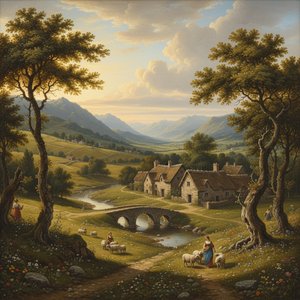
Evoking Arcadia: A Historical & Aesthetic Exploration of Rural Landscape Art
Explore the rich history of pastoral landscape art, from classical Arcadia to Impressionism & beyond. Discover key artists, movements, and how to collect serene rural scenes for your home. Expert insights at OriginalUniqueArt.


