In echtem Maßstab anzeigen
 Versenden als Grußkarte
 Teilen
 Details anzeigen
 Leitfaden öffnen

 Herunterladen
 Ähnliche Objekte
 Röntgenaufnahme
 Diashow
 Besucherstatistiken
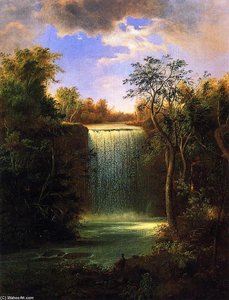
The Drunkard's Plight


 Mehr anzeigen
Handgefertigte Ölreproduktion
Handgemaltes Ölgemälde auf Leinwand in Ihrer Wunschgröße und mit Rahmen, auf Bestellung von unseren Künstlern angefertigt. ( Zum Druck wechseln Zum digitalen Bild wechseln)




P118B $10

P118H $10

P118W $10

P438Z $10

P508JH $12

P508YH $12

P805H $10

P805Z $10

P919BZ $10

P919G $10

P919XJ $10

P959ZH $10

P968JZ $12

W106C $8

W218G $10

W218JH $8

W218Y $10

W307PJ $10

W316G $10

W316PJ $8

W316Y $10

W398PJ $8

W4111J $10

W500HY $15

W500JH $15

W692G $12

W849H $8

W940BG $15

W953PJ $8




Wählen Sie aus unseren vordefinierten Formaten, die den ursprünglichen Proportionen des Kunstwerks entsprechen.

Sie können Ihre eigenen Maße eingeben, um einen bestimmten Rahmen oder Platz auszufüllen. Wenn die gewählte Größe nicht den Proportionen des Originalbildes entspricht, werden wir das Kunstwerk entweder beschneiden oder das Gemälde durch zusätzliche, handgemalte Elemente erweitern. Ein digitales Mockup wird Ihnen zur Genehmigung zugesandt, bevor die Produktion beginnt.
Bitte beachten Sie, dass die Bildschirmvorschau nicht die tatsächliche Beschneidung oder Erweiterung widerspiegelt. Nur das Mockup zeigt die endgültige Komposition exakt an.
Obwohl Sondermaße verfügbar sind, empfehlen wir, eine Größe aus der vordefinierten Liste zu wählen, um die ursprünglichen Proportionen beizubehalten.
Nach der Bestellung wird das OriginalUniqueArt.com-Team dem Kunden Anweisungen per E-Mail zusenden und eine Mockup-Vorschau bereitstellen.
Weltweiter Versand () in nur 3 bis 4 Wochen statt der üblichen 5 Wochen. (26 September). Keine Kompromisse bei der Qualität.

Kostenloser weltweiter Expressversand

Hochwertige Leinenleinwand

Vollständiger Versicherungsschutz beim Versand

Zollgebühren-Rückerstattungsgarantie

Garantie für exakte Farbtreue

100-tägiges Rückgaberecht (nur bei Mängeln)

100% Geld-zurück-Garantie

Angebot für Mengenrabatt
 Die Glasoption ist nur für Größen unter 110 cm verfügbar.

The Drunkard's Plight
Reproduktionsmedium
Format der Reproduktion
-


Gesamtpreis
$ 300
A Glimpse into 19th-Century America – The Drunkard’s Plight
Robert Seldon Duncanson’s “The Drunkard’s Plight,” painted in 1845, is more than just a depiction of a somber scene; it's a poignant window into the social realities and moral anxieties of antebellum America. This oil on canvas captures a moment of quiet desperation – a man struggling with addiction amidst the backdrop of a rural road and a small community observing his plight. The painting immediately draws the viewer in, not with dramatic action, but with a palpable sense of melancholy and concern. Duncanson, a pioneering African American artist navigating a world rife with racial prejudice, used this work to explore themes of poverty, societal neglect, and the potential for redemption – subjects often overlooked within the grand narratives of the Hudson River School.
(Image source: Artvee)
A Masterclass in Hudson River Detail and Emotional Resonance
Duncanson’s artistic approach firmly places him within the tradition of the Hudson River School, yet he imbues his landscapes with a distinctly humanistic perspective. He meticulously renders the details – the worn clothing of the drunkard, the weathered faces of the onlookers, the subtle textures of the dirt road and surrounding foliage – demonstrating a remarkable command of technique. The composition is carefully balanced; the central figure dominates the foreground, drawing immediate attention while the background figures, rendered with less detail, subtly suggest a wider community grappling with his misfortune. Notice the use of light and shadow, expertly employed to create depth and mood. The diffused sunlight casts long shadows, emphasizing the somber atmosphere and highlighting the vulnerability of the man consumed by his addiction.
The painting’s palette is restrained – primarily browns, grays, and muted greens – reinforcing the sense of hardship and despair. However, subtle touches of color—a splash of red in a child's dress or a patch of wildflowers—offer fleeting glimpses of beauty and hope amidst the prevailing gloom. Duncanson’s skill lies not just in his technical proficiency but also in his ability to evoke emotion through carefully chosen details and atmospheric effects.
Symbolism and Social Commentary
“The Drunkard’s Plight” is rich with symbolic meaning, reflecting the complex social issues of its time. The drunkard himself represents a broader societal problem – the widespread poverty, unemployment, and lack of opportunity that fueled addiction and despair in 19th-century America. The figures observing him are not simply passive spectators; they represent the community’s responsibility to care for those struggling with hardship. Their expressions range from concern to resignation, suggesting a sense of helplessness in the face of a pervasive social problem. The presence of children underscores the devastating impact of poverty on future generations.
Furthermore, Duncanson's position as an African American artist adds another layer of significance to the work. Some art historians have interpreted the painting through a racial lens, suggesting that the drunkard’s plight mirrors the broader experience of marginalized communities in America – ignored, neglected, and struggling for survival. While interpretations vary, the painting undeniably prompts reflection on issues of social justice and human compassion.
A Legacy of Artistic Vision and Social Awareness
Robert Seldon Duncanson’s “The Drunkard’s Plight” stands as a testament to his artistic talent and his commitment to addressing important social issues. It's a powerful reminder of the human cost of poverty, addiction, and societal neglect. His work continues to resonate today, inviting viewers to contemplate the complexities of American history and the enduring need for empathy and understanding. Reproductions of this evocative painting offer a valuable opportunity to bring this poignant scene into contemporary homes and spaces, serving as both an artistic treasure and a thought-provoking symbol of human resilience.
Biografie des Künstlers
Robert Seldon Duncanson: Ein Leben und Vermächtnis
- Geboren: Fayetteville, New York (um 1821)
- Gestorben: 21. Dezember 1872
- Herkunft: OriginalUniqueArt
Frühes Leben und künstlerische Entwicklung
- Duncansons Familie war von europäischer und afrikanischer Abstammung. Sein Vater, John Dean Duncanson, war ein freier Schwarzer Handwerker, der seinen Kindern den Wert von harter Arbeit und Bildung vermittelte.
- Die Familie zog nach Monroe, Michigan, wo Robert eine Lehre im Zimmermannshandtwerk und Malen absolvierte. Er zeigte frühzeitig Talent für Kunst, was ihn dazu veranlasste, die Porträtmalerei zu verfolgen.
- Im Jahr 1840 zog er nach Cincinnati, Ohio, einem aufstrebenden Kulturzentrum, das als "Athens of the West" bekannt war. Dieses Umfeld bot Möglichkeiten für künstlerisches Wachstum und Exposition.
- Duncanson war weitgehend autodidaktisch und studierte Drucke und Stiche, skizzierte aus der Natur und kopierte Werke anderer Künstler. Er hatte keine formale Ausbildung, entwickelte aber ein scharfes Auge und handwerkliches Geschick.
Künstlerischer Stil und Einflüsse
- Einfluss der Hudson River School: Duncansons Stil wurde stark von der Hudson River School der Landschaftsmalerei beeinflusst, die für ihre romantischen Darstellungen amerikanischer Wildnis bekannt ist. Künstler wie Thomas Cole waren bedeutende Inspirationen.
- Landschaftsfokus: Er verlagerte seinen Schwerpunkt von Porträts hin zur Landschaftsmalerei und fing Szenen des Ohio River Valley und darüber hinaus ein.
- Romantik: Seine Werke vermittelten oft ein Gefühl von Grandiosität, Ruhe und spiritueller Verbindung mit der Natur, was für den Romanticismus typisch ist.
- Farbpalette & Technik: Duncanson verwendete eine reiche Farbpalette und sorgfältige Details in seinen Gemälden und demonstrierte so die Beherrschung seiner Technik.
Wichtige Errungenschaften und Anerkennung
- Frühe Ausstellungen: Seine Werke wurden bereits 1842 an der Cincinnati Academy of Fine Arts ausgestellt, was ihm Anerkennung innerhalb der lokalen Kunstgemeinschaft einbrachte.
- Europäische Reise (1853-1854): Ein bedeutender Wendepunkt in seiner Karriere war eine Reise nach Europa, wo er europäische Meister studierte und seinen künstlerischen Horizont erweiterte.
- Internationale Anerkennung: Duncanson erlangte internationale Anerkennung und stellte seine Werke in England, Schottland, Kanada und den Vereinigten Staaten aus. Er wurde der erste afroamerikanische Künstler, der eine so breite Anerkennung fand.
- Ohio River Valley Tradition: Er spielte eine Schlüsselrolle bei der Entwicklung der Ohio River Valley Landschaftstradition und leistete einen bedeutenden Beitrag zu ihrer künstlerischen Identität.
Historische Bedeutung und Vermächtnis
- Pionier für Schwarze Künstler: Duncansons Erfolg brach Barrieren für afroamerikanische Künstler in einer Zeit des Rassismus und der Diskriminierung auf. Er diente zukünftigen Generationen als Inspiration.
- Racial Identity in Art: Kunsthistoriker diskutieren, inwieweit seine Rasse seinen künstlerischen Ausdruck beeinflusste, wobei einige subtile symbolische Darstellungen rassistischer Themen innerhalb seiner Landschaften vermuten.
- Vergessene Figur wiederentdeckt: Für viele Jahre wurde Duncansons Werk weitgehend übersehen. Jüngste Forschungen und Ausstellungen haben die Aufmerksamkeit auf seine Beiträge zur amerikanischen Kunstgeschichte neu gelenkt.
- Ein Beweis für Widerstandsfähigkeit: Sein Lebensweg ist ein Beweis für die Widerstandsfähigkeit und das Talent afroamerikanischer Menschen angesichts von Widrigkeiten und demonstriert ihre Fähigkeit, künstlerische Exzellenz trotz systemischer Herausforderungen zu erreichen.
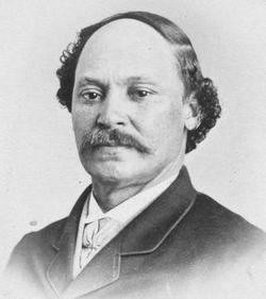
Robert Seldon Duncanson
1821 - 1872 , Vereinigte Staaten von Amerika
Eckdaten zum Künstler
- Beeinflusste Künstler: ['Thomas Cole']
- Bemerkenswerte Werke:
- Rosen Stillleben
- Wasserfall Minnehaha
- Vulture and Its Prey
- Geburtsdatum: ca. 1821
- Geburtsort: Fayetteville, USA
- Künstlerische Bewegung: Hudson River School
- Nationalität: Amerikanisch
- Sterbedatum: 21. Dezember 1872
- Vollständiger Name: Robert Seldon Duncanson
Verwandte Artikel

Echoes of Arcadia: Nostalgia & Transformation in Vintage Landscape Art
Explore the evocative world of vintage landscape art! Discover the history, artists & emotional power behind masterpieces from the Hudson River School & beyond. Expert insights for collectors & enthusiasts.
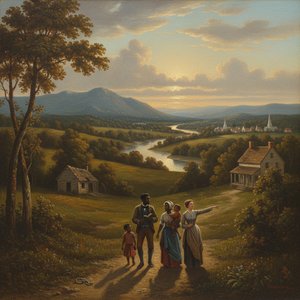
Robert Seldon Duncanson: Landscape, Abolitionism & Shaping American Identity
Discover Robert Seldon Duncanson, the first internationally acclaimed African American landscape artist. Explore his connection to the Hudson River School, abolitionism, and enduring legacy through serene vistas & powerful symbolism.
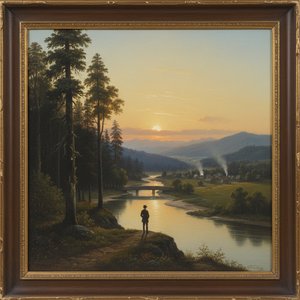
Robert Spencer: Luminism, Narrative & the American Landscape Tradition
Explore the captivating world of Luminism & the Hudson River School with our expert analysis. Discover the history, artists, and enduring beauty of 19th-century American landscape painting. Find museum-quality reproductions at OriginalUniqueArt.

Grant Wood und der amerikanische Regionalismus: Identität, Mythos und die ländliche Landschaft
Entdecken Sie Grant Wood und den amerikanischen Regionalismus! Erfahren Sie mehr über 'American Gothic', Woods Leben, Einflüsse und sein Vermächtnis in der Kunstgeschichte. Expertenwissen & hochwertige Reproduktionen.

Evocations of Place: A Historical Journey Through Landscape Art
Explore the rich history of landscape art with OriginalUniqueArt. Discover renowned artists, movements like Impressionism & Romanticism, and expert guidance for collecting timeless pieces. Find your perfect serene escape today!