In echtem Maßstab anzeigen
 Versenden als Grußkarte
 Teilen
 Details anzeigen
 Leitfaden öffnen

 Herunterladen
 Ähnliche Objekte
 Röntgenaufnahme
 Diashow
 Besucherstatistiken
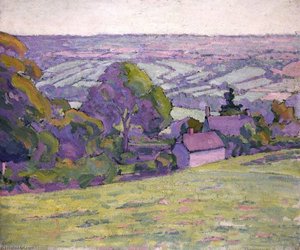
Showing at Tattersalls
 Acrylic On Canvas
- WallArt
- Camden Town Group
 1919
1919- 19th Century
 58.0 x 71.0 cm
 Ashmolean Museum of Art and Archaeology
 Mehr anzeigen
Giclée / Kunstdruck
Giclée- oder Leinwanddruck in Museumsqualität mit schneller Produktion und flexiblen Veredelungsoptionen. ( Handgemalte Reproduktion kaufen Zum digitalen Bild wechseln)




P118B €10

P118H €10

P118W €10

P438Z €10

P508JH €12

P508YH €12

P805H €10

P805Z €10

P919BZ €10

P919G €10

P919XJ €10

P959ZH €10

P968JZ €12

W106C €8

W218G €10

W218JH €8

W218Y €10

W307PJ €10

W316G €10

W316PJ €8

W316Y €10

W398PJ €8

W4111J €10

W500HY €15

W500JH €15

W692G €12

W849H €8

W940BG €15

W953PJ €8




Wählen Sie aus unseren vordefinierten Formaten, die den ursprünglichen Proportionen des Kunstwerks entsprechen.

Geben Sie die Breite und die Höhe an, die Sie benötigen, damit der Druck perfekt in Ihren Rahmen oder an Ihre Wand passt. Ein Druck kann nur beschnitten werden und niemals größer als das Originalbild gemacht werden; daher verliert ein Format mit einer anderen Proportion einen Teil des Bildes. Wir senden Ihnen ein digitales Mockup zur Freigabe, bevor wir den Druck ausführen. Das auf dieser Seite gezeigte Bild zeigt nicht den tatsächlichen Beschnitt – dies ist nur im Mockup ersichtlich.
Weltweiter Versand () innerhalb von 2 Wochen statt der üblichen 4/5 Wochen. (24 Oktober)

Kostenloser weltweiter Expressversand

Hochwertige Leinenleinwand

Vollständiger Versicherungsschutz beim Versand

Zollgebühren-Rückerstattungsgarantie

Garantie für exakte Farbtreue

100-tägiges Rückgaberecht (nur bei Mängeln)

100% Geld-zurück-Garantie

Angebot für Mengenrabatt
 Die Glasoption ist nur für Größen unter 110 cm verfügbar.

Showing at Tattersalls
Giclée / Kunstdruck
Format der Reproduktion
-


Gesamtpreis
€ 70
The Scene Unfolds: Robert Polhill Bevan’s Capturing of a Moment
Robert Polhill Bevan's "Showing at Tattersalls" isn’t merely a depiction of a horse race; it’s a meticulously crafted tableau vivant, a frozen moment brimming with the energy and social significance of Victorian England’s most prestigious racing event. Painted in 1919, during a period of significant artistic transition – moving away from the rigid formality of academic art towards the vibrant expressiveness of early modernism – the canvas offers a surprisingly intimate view of an elite world. The painting transports us to Tattersalls, not just as a venue for horse trading, but as a microcosm of Victorian society, a place where wealth, status, and tradition converged.
Bevan’s masterful use of light and shadow immediately draws the eye. A diffused daylight filters through the windows, casting long, dramatic shadows across the brick flooring, creating an atmospheric depth that anchors the scene. The figures are rendered with a remarkable degree of realism, yet imbued with a subtle sense of abstraction – their faces often obscured by hats or coats, suggesting a detachment and emphasizing the spectacle itself rather than individual personalities. This deliberate ambiguity invites the viewer to become part of the scene, observing from a slightly removed perspective.
A Camden Town Pioneer: Style and Technique
Bevan was a key figure in the Camden Town Group, a collective of artists who sought to capture the gritty realities of London life with bold colors and expressive brushstrokes. “Showing at Tattersalls” exemplifies this approach, though it’s arguably more restrained than some of his later works. The painting showcases Bevan's distinctive style – characterized by smooth planes of color, sharp outlines, and a deliberate flattening of perspective. He employs a technique reminiscent of Impressionism but pushes beyond mere representation, prioritizing the emotional impact of color and form.
- Color Palette: A muted palette dominated by browns, grays, and ochres creates a sense of understated elegance and reflects the somber atmosphere of the scene.
- Brushwork: Short, broken brushstrokes contribute to the painting’s dynamic energy, particularly in the depiction of the horses' musculature.
- Composition: The carefully arranged figures and the receding perspective create a sense of depth and movement, guiding the viewer’s eye through the scene.
Historical Context & Symbolism
Tattersalls, established in 1763, held immense importance within British society. It was more than just a horse sales venue; it represented the pinnacle of equestrian achievement and a significant indicator of wealth and social standing. The presence of numerous spectators – gentlemen in top hats and coats, ladies elegantly dressed – underscores this status. The clock visible in the upper left corner subtly reinforces the importance of time and schedule within this world of racing and commerce.
Beyond the immediate depiction of a horse race, “Showing at Tattersalls” offers a glimpse into Victorian values: the emphasis on tradition, social hierarchy, and the pursuit of excellence. The meticulous detail given to the horses themselves – their powerful legs, flowing manes – speaks volumes about the value placed on these animals as symbols of status and prestige.
A Legacy of Modernism
Robert Polhill Bevan’s “Showing at Tattersalls” stands as a pivotal work in British art history. It represents a crucial bridge between Impressionism and modernism, demonstrating Bevan's willingness to experiment with color and form while retaining a strong sense of realism. His ability to capture the energy and atmosphere of a specific moment in time – a bustling scene within a world of privilege – solidifies his place as a pioneering figure in the development of British art at the turn of the 20th century. Reproductions of this painting offer a captivating window into a bygone era, inviting viewers to contemplate the enduring appeal of spectacle and social observation.
Fragen & Antworten
Wann wurde "Showing at Tattersalls" von Robert Polhill Bevan geschaffen und welcher Stil liegt ihm zugrunde?
"Showing at Tattersalls" von Robert Polhill Bevan datiert aus dem Jahr 1919 und gehört zur Camden Town Group.
Inwiefern steht das Sujet von „Showing at Tattersalls“ in Beziehung zu den üblichen Themen von Robert Polhill Bevan?
"Showing at Tattersalls" stellt horse race, victorian era, spectators, urban scene, black and white, competition, social event dar, während die dokumentierten Themen von Robert Polhill Bevan impressionism, camden town group, british modernism, urban life, social commentary, leisure class, bevan’s experimentation, fauvism” sind. Ein Vergleich der beiden zeigt, wie das Werk mit den üblichen Sujets des Künstlers in Verbindung steht.
Welche Technik und welche Größe hat das Original von "Showing at Tattersalls" von Robert Polhill Bevan?
Das Medium von "Showing at Tattersalls" von Robert Polhill Bevan ist Acrylic On Canvas, und die angegebenen Maße sind 58 x 71 cm.
Biografie des Künstlers
Frühes Leben und künstlerische Ausbildung
- Geboren: Hove, Großbritannien (1865)
- Gestorben: 1925
- Familiärer Hintergrund: Robert Polhill Bevan wurde in einer quakerischen Familie mit Verbindungen zum Bankwesen geboren. Seine Eltern waren Richard Alexander Bevan und Laura Maria Polhill.
- Frühe Ausbildung: Er studierte an der Westminster School of Art unter Fred Brown. Später besuchte er die Académie Julian in Paris, wo er einflussreiche Künstler wie Paul Sérusier, Pierre Bonnard, Édouard Vuillard und Maurice Denis kennenlernte.
- Bretonischer Einfluss: Frühe Reisen nach Britanny (1890 & 1891) beeinflussten seine künstlerische Entwicklung maßgeblich, insbesondere durch die Auseinandersetzung mit dem Pont-Aven Stil.
Künstlerische Entwicklung und Einflüsse
- Früher Stil: Bevans frühe Arbeiten zeigten Einflüsse des Synthetismus, erkennbar in seinen Zeichnungen und Drucken aus seiner Zeit in Britanny.
- Fauvismus: Um 1904 experimentierte Bevan mit reiner Farbe und zeigte so einen frühen Ansatz des Fauvismus, der viele britische Künstler seiner Zeit voraus war. Sein Gemälde "Innenhof" gilt als frühes Beispiel für diesen Stil.
- Divisionismus/Pointillismus: Später übernahm er eine divisionistische oder pointillistische Technik, wie man sie in Werken wie "Auf dem Downs bei Lewes" und "Der Pflüge auf dem Feld" sehen kann.
- Wichtige Einflüsse: Bedeutende Einflüsse waren Paul Gauguin (erkennbar an seiner Farbgebung) sowie frühere Meister wie Velázquez und Goya. Er würdigte auch Renoirs Anleitung beim Zeichnen von Pferden.
Mitgliedschaften und Künstlerkreise
- Camden Town Group: Bevan war Gründungsmitglied der Camden Town Group, einer Gemeinschaft von Künstlern, die das moderne Stadtleben darstellen wollten.
- London Group: Er gehörte auch der London Group an, einer weiteren progressiven Kunstorganisation.
- Cumberland Market Group: Um seine Verpflichtung zu zeitgenössischen künstlerischen Bewegungen weiter zu demonstrieren, war Bevan Teil der Cumberland Market Group.
- Verbindung zu Walter Sickert: Im Jahr 1908 trat er der Gruppe von Walter Sickert in Fitzroy Street bei, wo er ermutigt wurde, sich auf alltägliche Themen zu konzentrieren.
- Allied Artists' Association: Er nahm an der ersten Ausstellung der Allied Artists’ Association im Jahr 1908 teil, die eine Plattform für progressive Künstler bot und ihn Wassily Kandinsky näherbrachte.
Hauptwerke und Themen
- Landschaften: Bevan ist am besten bekannt für seine Landschaften aus Sussex und Britanny, oft Darstellungen ländlicher Szenen mit lebendigen Farben und expressivem Pinselstrich. Beispiele sind "Auf dem Downs bei Lewes", "Die Kastanie" und "Landschaft in den Blackdown Hills, Devon".
- Porträts: Er schuf Porträts, darunter eine bemerkenswerte Darstellung seiner Frau, Stanislawa Bevan (geborene de Karłowska).
- Urbanische Szenen: Seine Arbeit umfasste auch Darstellungen des Stadtlebens, wie Gemälde, die den Niedergang der Kutscherei dokumentieren ("Die Kutscha").
- Bemerkenswerte Gemälde: Zu seinen weiteren bedeutenden Werken gehören "Queen's Grove, St John's Wood", "Das Bauernhaus" und “Rosemary la vallée”.
Vermächtnis und historische Bedeutung
- Pionier der modernen britischen Kunst: Robert Polhill Bevan gilt als Pionier der modernen britischen Kunst, insbesondere für seine frühe Übernahme fauvistischer Prinzipien.
- Einfluss auf die Farbgebung: Er war einer der ersten britischen Künstler, der reine Farbe in bedeutender Weise einsetzte und damit nachfolgende Generationen von Malern beeinflusste.
- Beitrag zur Camden Town Group: Seine Teilnahme an der Camden Town Group trug dazu bei, die Entwicklung der modernen Kunst in Großbritannien zu gestalten.
- Retrospektive Ausstellung: Eine Retrospektive-Ausstellung bei Colnaghi's im Jahr 1961 hob seine Beiträge hervor und festigte seinen Platz in der Kunstgeschichte.

Robert Polhill Bevan
1865 - 1925 , Vereinigtes Königreich
Eckdaten zum Künstler
- Bemerkenswerte Werke:
- Rosemary la vallée
- Landscape in the Blackdown Hills
- Stanislawa Bevan, née de Karlowska
- In the Downs near Lewes
- Die Kastanie
- Queen's Grove, St John's Wood
- Das Farmhaus
- Geburtsdatum: 1865
- Geburtsort: Hove, Vereinigtes Königreich
- Künstlerische Bewegung:
- Camden Town Group
- Fauvismus
- Punktillismus
- Künstlerische Einflüsse:
- Paul Gauguin
- Renoir
- Velázquez
- Goya
- Nationalität: Britisch
- Sterbedatum: 1925
- Vollständiger Name: Robert Polhill Bevan
Verwandte Artikel
Robert Bevan: Pioneering British Post-Impressionism & the Camden Town Group's Intimate Vision
Explore the life & work of Robert Bevan, a pioneer of British Post-Impressionism and founding member of the Camden Town Group. Discover his vibrant landscapes and lasting impact on early 20th-century art.

The Equine Muse: A Historical & Artistic Exploration of Horses in Painting
Explore the captivating history of horses in painting! Discover Renaissance masterpieces, Baroque grandeur & expert insights for collecting equestrian art. Learn about symbolism, techniques & lasting value with OriginalUniqueArt.

Hubert Robert und die Romantik der Ruinen: Eine Studie zur künstlerischen Innovation und Antikenbegeisterung
Entdecken Sie die faszinierende Welt von Hubert Robert und seiner Ruinenmalerei! Expertenanalyse zu Techniken, Motiven & Investitionspotenzial für anspruchsvolle Kunstsammler. OriginalUniqueArt bietet hochwertige Reproduktionen.
The Noble Steed: A Historical and Artistic Exploration of Horses in Fine Art
Explore the rich history of horses in fine art! From ancient depictions to Renaissance masterpieces & beyond, discover iconic artworks and artists. Learn about symbolism, techniques, and find museum-quality reproductions at OriginalUniqueArt.
The Noble Steed on Canvas: A Historical & Artistic Exploration of Horse Painting Across Cultures
Explore the rich history of horse painting! Discover masterpieces from Stubbs to Munnings & learn about symbolism, techniques & artists. Find museum-quality reproductions at OriginalUniqueArt.