 In echtem Maßstab anzeigen
 Versenden als Grußkarte
 Teilen
 Details anzeigen
 Leitfaden öffnen

 Herunterladen
 Ähnliche Objekte
 Röntgenaufnahme
 Diashow
 Besucherstatistiken
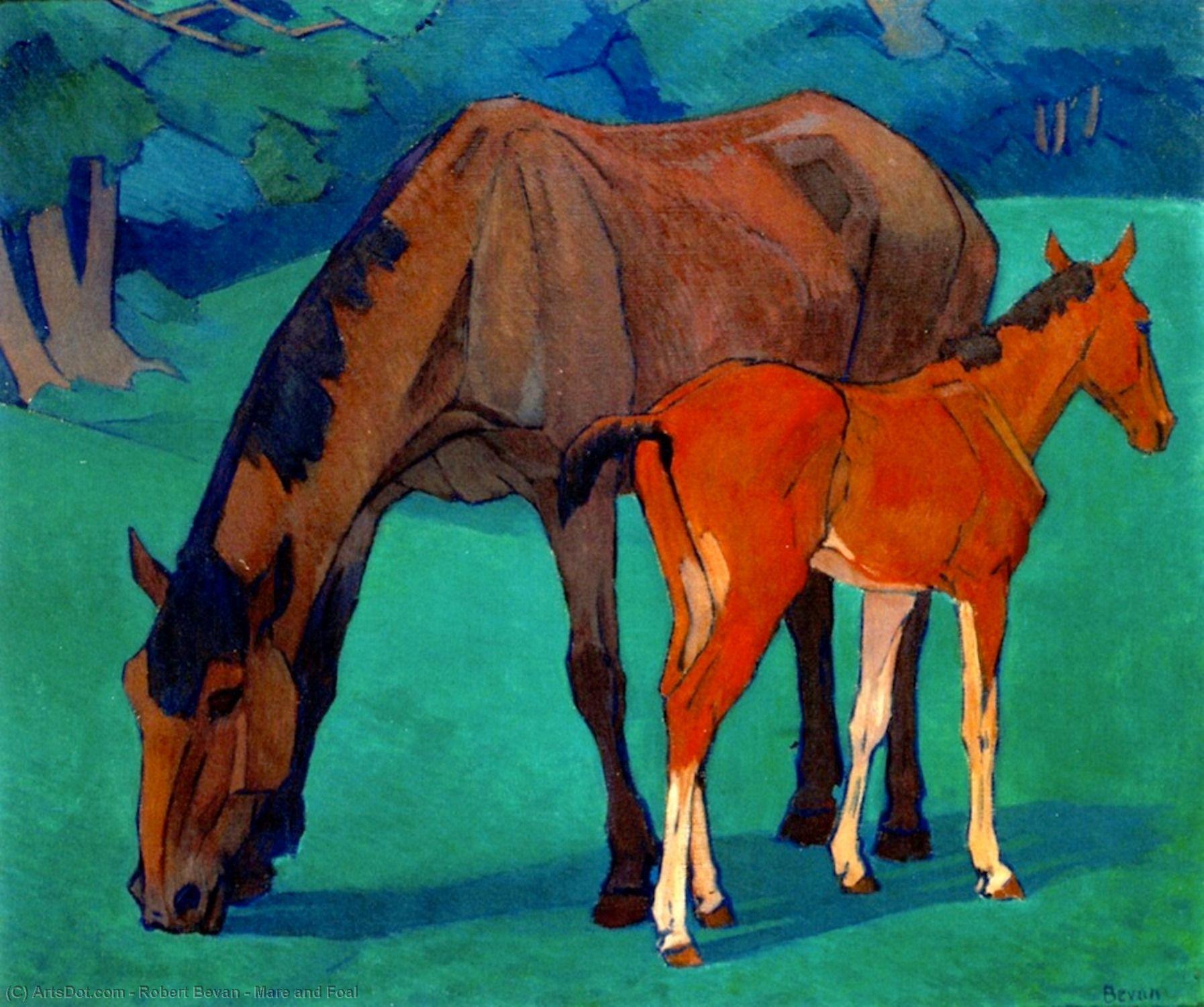
Mare and Foal
 Oil On Canvas
- WallArt
- Post-Impressionism
 1917
1917- Modern
 56.0 x 66.0 cm
 Mehr anzeigen
Handgefertigte Ölreproduktion
Handgemaltes Ölgemälde auf Leinwand in Ihrer Wunschgröße und mit Rahmen, auf Bestellung von unseren Künstlern angefertigt. ( Zum Druck wechseln Zum digitalen Bild wechseln)




P118B $10

P118H $10

P118W $10

P438Z $10

P508JH $12

P508YH $12

P805H $10

P805Z $10

P919BZ $10

P919G $10

P919XJ $10

P959ZH $10

P968JZ $12

W106C $8

W218G $10

W218JH $8

W218Y $10

W307PJ $10

W316G $10

W316PJ $8

W316Y $10

W398PJ $8

W4111J $10

W500HY $15

W500JH $15

W692G $12

W849H $8

W940BG $15

W953PJ $8




Wählen Sie aus unseren vordefinierten Formaten, die den ursprünglichen Proportionen des Kunstwerks entsprechen.

Sie können Ihre eigenen Maße eingeben, um einen bestimmten Rahmen oder Platz auszufüllen. Wenn die gewählte Größe nicht den Proportionen des Originalbildes entspricht, werden wir das Kunstwerk entweder beschneiden oder das Gemälde durch zusätzliche, handgemalte Elemente erweitern. Ein digitales Mockup wird Ihnen zur Genehmigung zugesandt, bevor die Produktion beginnt.
Bitte beachten Sie, dass die Bildschirmvorschau nicht die tatsächliche Beschneidung oder Erweiterung widerspiegelt. Nur das Mockup zeigt die endgültige Komposition exakt an.
Obwohl Sondermaße verfügbar sind, empfehlen wir, eine Größe aus der vordefinierten Liste zu wählen, um die ursprünglichen Proportionen beizubehalten.
Nach der Bestellung wird das OriginalUniqueArt.com-Team dem Kunden Anweisungen per E-Mail zusenden und eine Mockup-Vorschau bereitstellen.
Weltweiter Versand () in nur 3 bis 4 Wochen statt der üblichen 5 Wochen. (26 September). Keine Kompromisse bei der Qualität.

Kostenloser weltweiter Expressversand

Hochwertige Leinenleinwand

Vollständiger Versicherungsschutz beim Versand

Zollgebühren-Rückerstattungsgarantie

Garantie für exakte Farbtreue

100-tägiges Rückgaberecht (nur bei Mängeln)

100% Geld-zurück-Garantie

Angebot für Mengenrabatt
 Die Glasoption ist nur für Größen unter 110 cm verfügbar.

Mare and Foal
Reproduktionsmedium
Format der Reproduktion
-


Gesamtpreis
$ 300
A Tender Encounter in Color and Light
In the quietude of 1917, amidst a world often defined by upheaval, Robert Polhill Bevan captured a moment of profound stillness and maternal grace in his masterpiece, Mare and Foal. This exquisite oil on canvas serves as more than just a pastoral scene; it is an intimate window into the heartbeat of the natural world. The composition centers on the tender bond between a mother horse and her young offspring, positioned with a delicate proximity that suggests a shared breath. As the foal nuzzles against its mother, the viewer is drawn into a sanctuary of peace, where the boundaries between animal and environment seem to dissolve into a singular, harmonious existence.
The painting’s strength lies in its ability to evoke emotion through the masterful application of color and texture. Bevan, a pioneer of British Modernism, moves beyond mere representation to embrace a more expressive language. His use of bold brushstrokes lends a rhythmic vitality to the grass and the sturdy forms of the horses, while his palette—rich with vivid, sun-drenched tones—breathes life into the landscape. The three trees rising in the background do not merely provide depth; they act as silent sentinels, framing the central figures and grounding the scene in a sense of timelessness and permanence.
The Mastery of Modernist Technique
To observe Mare and Foal is to witness the intersection of Impressionist light and the burgeoning energy of early 20th-century modernism. Bevan’s technique, honed during his transformative years in Paris, allows him to manipulate the medium of oil on canvas to achieve a remarkable level of luminosity. The way light dances across the coats of the horses and filters through the surrounding greenery demonstrates a sophisticated understanding of shadow and atmosphere. This interplay of light creates a tactile quality, where one can almost feel the softness of the foal's coat and the sturdy weight of the mare.
For the discerning collector or interior designer, this piece offers a rare balance of structural strength and emotional warmth. The painting’s composition is balanced yet dynamic, making it an ideal focal point for spaces that require a sense of calm sophistication. Unlike more chaotic modern works, Bevan’s approach in this period retains a classical reverence for subject matter while utilizing a contemporary, expressive hand. It is a work that invites the eye to linger, rewarding repeated viewings with new discoveries of color nuance and textural depth.
A Timeless Legacy for the Modern Interior
Beyond its aesthetic brilliance, Mare and Foal carries a symbolic weight that resonates across generations. The theme of maternal protection and the innocence of youth are universal, making the artwork deeply relatable to any viewer. In an era where art is often used to define the character of a home, this reproduction offers an infusion of serenity and organic beauty. It brings the restorative power of nature indoors, acting as a bridge between the wild, untamed world and the curated elegance of a contemporary living space.
Whether placed in a sunlit gallery or a quiet study, the painting serves as a testament to the enduring power of the natural bond. It stands alongside the works of great innovators like Picasso and Repin, not merely as a depiction of animals, but as an exploration of life's most fundamental rhythms. For those seeking to invest in art that inspires contemplation and provides a sense of groundedness, Bevan’s 1917 triumph remains an incomparable choice—a soulful fragment of history captured in vibrant, everlasting oil.
Biografie des Künstlers
Frühes Leben und künstlerische Ausbildung
- Geboren: Hove, Großbritannien (1865)
- Gestorben: 1925
- Familiärer Hintergrund: Robert Polhill Bevan wurde in einer quakerischen Familie mit Verbindungen zum Bankwesen geboren. Seine Eltern waren Richard Alexander Bevan und Laura Maria Polhill.
- Frühe Ausbildung: Er studierte an der Westminster School of Art unter Fred Brown. Später besuchte er die Académie Julian in Paris, wo er einflussreiche Künstler wie Paul Sérusier, Pierre Bonnard, Édouard Vuillard und Maurice Denis kennenlernte.
- Bretonischer Einfluss: Frühe Reisen nach Britanny (1890 & 1891) beeinflussten seine künstlerische Entwicklung maßgeblich, insbesondere durch die Auseinandersetzung mit dem Pont-Aven Stil.
Künstlerische Entwicklung und Einflüsse
- Früher Stil: Bevans frühe Arbeiten zeigten Einflüsse des Synthetismus, erkennbar in seinen Zeichnungen und Drucken aus seiner Zeit in Britanny.
- Fauvismus: Um 1904 experimentierte Bevan mit reiner Farbe und zeigte so einen frühen Ansatz des Fauvismus, der viele britische Künstler seiner Zeit voraus war. Sein Gemälde "Innenhof" gilt als frühes Beispiel für diesen Stil.
- Divisionismus/Pointillismus: Später übernahm er eine divisionistische oder pointillistische Technik, wie man sie in Werken wie "Auf dem Downs bei Lewes" und "Der Pflüge auf dem Feld" sehen kann.
- Wichtige Einflüsse: Bedeutende Einflüsse waren Paul Gauguin (erkennbar an seiner Farbgebung) sowie frühere Meister wie Velázquez und Goya. Er würdigte auch Renoirs Anleitung beim Zeichnen von Pferden.
Mitgliedschaften und Künstlerkreise
- Camden Town Group: Bevan war Gründungsmitglied der Camden Town Group, einer Gemeinschaft von Künstlern, die das moderne Stadtleben darstellen wollten.
- London Group: Er gehörte auch der London Group an, einer weiteren progressiven Kunstorganisation.
- Cumberland Market Group: Um seine Verpflichtung zu zeitgenössischen künstlerischen Bewegungen weiter zu demonstrieren, war Bevan Teil der Cumberland Market Group.
- Verbindung zu Walter Sickert: Im Jahr 1908 trat er der Gruppe von Walter Sickert in Fitzroy Street bei, wo er ermutigt wurde, sich auf alltägliche Themen zu konzentrieren.
- Allied Artists' Association: Er nahm an der ersten Ausstellung der Allied Artists’ Association im Jahr 1908 teil, die eine Plattform für progressive Künstler bot und ihn Wassily Kandinsky näherbrachte.
Hauptwerke und Themen
- Landschaften: Bevan ist am besten bekannt für seine Landschaften aus Sussex und Britanny, oft Darstellungen ländlicher Szenen mit lebendigen Farben und expressivem Pinselstrich. Beispiele sind "Auf dem Downs bei Lewes", "Die Kastanie" und "Landschaft in den Blackdown Hills, Devon".
- Porträts: Er schuf Porträts, darunter eine bemerkenswerte Darstellung seiner Frau, Stanislawa Bevan (geborene de Karłowska).
- Urbanische Szenen: Seine Arbeit umfasste auch Darstellungen des Stadtlebens, wie Gemälde, die den Niedergang der Kutscherei dokumentieren ("Die Kutscha").
- Bemerkenswerte Gemälde: Zu seinen weiteren bedeutenden Werken gehören "Queen's Grove, St John's Wood", "Das Bauernhaus" und “Rosemary la vallée”.
Vermächtnis und historische Bedeutung
- Pionier der modernen britischen Kunst: Robert Polhill Bevan gilt als Pionier der modernen britischen Kunst, insbesondere für seine frühe Übernahme fauvistischer Prinzipien.
- Einfluss auf die Farbgebung: Er war einer der ersten britischen Künstler, der reine Farbe in bedeutender Weise einsetzte und damit nachfolgende Generationen von Malern beeinflusste.
- Beitrag zur Camden Town Group: Seine Teilnahme an der Camden Town Group trug dazu bei, die Entwicklung der modernen Kunst in Großbritannien zu gestalten.
- Retrospektive Ausstellung: Eine Retrospektive-Ausstellung bei Colnaghi's im Jahr 1961 hob seine Beiträge hervor und festigte seinen Platz in der Kunstgeschichte.

Robert Polhill Bevan
1865 - 1925 , Vereinigtes Königreich
Eckdaten zum Künstler
- Bemerkenswerte Werke:
- Rosemary la vallée
- Landscape in the Blackdown Hills
- Stanislawa Bevan, née de Karlowska
- In the Downs near Lewes
- Die Kastanie
- Queen's Grove, St John's Wood
- Das Farmhaus
- Geburtsdatum: 1865
- Geburtsort: Hove, Vereinigtes Königreich
- Künstlerische Bewegung:
- Camden Town Group
- Fauvismus
- Punktillismus
- Künstlerische Einflüsse:
- Paul Gauguin
- Renoir
- Velázquez
- Goya
- Nationalität: Britisch
- Sterbedatum: 1925
- Vollständiger Name: Robert Polhill Bevan
Verwandte Artikel

The Equine Muse: A Historical & Artistic Exploration of Horses in Painting
Explore the captivating history of horses in painting! Discover Renaissance masterpieces, Baroque grandeur & expert insights for collecting equestrian art. Learn about symbolism, techniques & lasting value with OriginalUniqueArt.

Mutige Meisterwerke: Die Top 10 Kunstwerke voller Ausdruckskraft | OriginalUniqueArt
Entdecken Sie die Top 10 mutiger Kunstwerke, voller Ausdruckskraft & Emotion! Von Van Gogh bis Picasso – erfahren Sie die Geschichten hinter den Meisterwerken und finden Sie Ihre perfekte Wanddeko auf OriginalUniqueArt.com.
The Noble Steed: A Historical and Artistic Exploration of Horses in Fine Art
Explore the rich history of horses in fine art! From ancient depictions to Renaissance masterpieces & beyond, discover iconic artworks and artists. Learn about symbolism, techniques, and find museum-quality reproductions at OriginalUniqueArt.
The Noble Steed on Canvas: A Historical & Artistic Exploration of Horse Painting Across Cultures
Explore the rich history of horse painting! Discover masterpieces from Stubbs to Munnings & learn about symbolism, techniques & artists. Find museum-quality reproductions at OriginalUniqueArt.
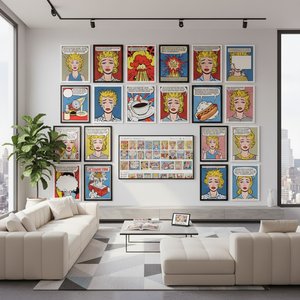
Roy Lichtenstein: Die 25 Meisterwerke des Pop Art – Kunst für Ihr Zuhause | OriginalUniqueArt
Entdecken Sie die 25 ikonischsten Meisterwerke von Roy Lichtenstein! Tauchen Sie ein in die Welt der Pop Art, lernen Sie die Geschichten hinter den berühmten Gemälden und finden Sie perfekte Kunstreproduktionen für Ihr Zuhause. Jetzt auf OriginalUniqueArt.com entdecken!