In echtem Maßstab anzeigen
 Versenden als Grußkarte
 Teilen
 Details anzeigen
 Leitfaden öffnen

 Herunterladen
 Ähnliche Objekte
 Röntgenaufnahme
 Diashow
 Besucherstatistiken
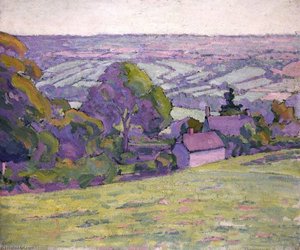
Devonshire Valley, No. 2
 Oil On Canvas
- WallArt
- Camden Town Group
 1913
1913- Modern
 48.0 x 58.0 cm
 Mehr anzeigen
Giclée / Kunstdruck
Giclée- oder Leinwanddruck in Museumsqualität mit schneller Produktion und flexiblen Veredelungsoptionen. ( Handgemalte Reproduktion kaufen Zum digitalen Bild wechseln)




P118B €10

P118H €10

P118W €10

P438Z €10

P508JH €12

P508YH €12

P805H €10

P805Z €10

P919BZ €10

P919G €10

P919XJ €10

P959ZH €10

P968JZ €12

W106C €8

W218G €10

W218JH €8

W218Y €10

W307PJ €10

W316G €10

W316PJ €8

W316Y €10

W398PJ €8

W4111J €10

W500HY €15

W500JH €15

W692G €12

W849H €8

W940BG €15

W953PJ €8




Wählen Sie aus unseren vordefinierten Formaten, die den ursprünglichen Proportionen des Kunstwerks entsprechen.

Sie können Ihre eigenen Maße eingeben, um ein bestimmtes Format oder einen speziellen Platz einzupassen. Wenn das von Ihnen gewählte Format nicht den Proportionen des Originalbildes entspricht, werden wir das Kunstwerk entweder beschneiden oder das Bild mit einem gespiegelten oder einfarbigen Rand erweitern. Ein digitaler Entwurf wird Ihnen zur Genehmigung zugesandt, bevor die Produktion beginnt.
Bitte beachten Sie, dass die Vorschau auf dem Bildschirm nicht den tatsächlichen Zuschnitt oder die Erweiterung widerspiegelt. Nur der Entwurf zeigt die endgültige Komposition präzise an.
Obwohl Sondermaße verfügbar sind, empfehlen wir die Auswahl eines Maßes aus der vordefinierten Liste, um die ursprünglichen Proportionen zu bewahren.
Weltweiter Versand () innerhalb von 2 Wochen statt der üblichen 4/5 Wochen. (13 Oktober)

Kostenloser weltweiter Expressversand

Hochwertige Leinenleinwand

Vollständiger Versicherungsschutz beim Versand

Zollgebühren-Rückerstattungsgarantie

Garantie für exakte Farbtreue

100-tägiges Rückgaberecht (nur bei Mängeln)

100% Geld-zurück-Garantie

Angebot für Mengenrabatt
 Die Glasoption ist nur für Größen unter 110 cm verfügbar.

Devonshire Valley, No. 2
Giclée / Kunstdruck
Format der Reproduktion
-


Gesamtpreis
€ 69
A Window into the English Pastoral: The Soul of Devonshire Valley
In the quietude of 1913, just before the world was irrevocably altered by the shadows of the Great War, Robert Polhill Bevan captured a moment of profound serenity in Devonshire Valley, No. 2. This exquisite oil on canvas serves as more than a mere landscape; it is an evocative portal into a lost era of English tranquility. The painting presents a sweeping, panoramic vista of a verdant valley, where rolling hills meet a sky painted in soft, atmospheric tones. At the heart of this pastoral dream lies a small stone cottage, its pink-hued roof nestled intimately among a cluster of dark, expressive trees. As the eye wanders through the composition, one encounters the gentle rhythm of the countryside—a church steeple rising subtly above the rooftops and the distant silhouette of a windmill, standing as a silent sentinel of rural industry and tradition.
The emotional resonance of the piece lies in its ability to balance solitude with a sense of warmth. While the vastness of the valley might suggest a lonely expanse, the presence of human habitation—the houses adorned with red roofs and the inviting glow of the cottage—infuses the scene with a comforting vitality. There is a palpable sense of peace, an invitation to pause and breathe in the stillness of the meadows. For the collector or the interior designer, this artwork offers a sanctuary of calm, making it an ideal centerpiece for spaces designed for reflection, relaxation, and the celebration of natural beauty.
Mastery of Color and the Modernist Touch
Technically, Devonshire Valley, No. 2 is a masterclass in the application of color and texture, reflecting Bevan’s pivotal role within the Camden Town Group. Moving away from the strictures of traditional representational art, Bevan embraced a more modernist, almost Fauvist approach to the landscape. The palette is strikingly bold; deep purelish blues and vibrant greens interweave to create an atmospheric depth that feels both tactile and dreamlike. The artist utilizes a heavy impasto technique, particularly in the foliage and the cottage walls, where thick, visible brushstrokes catch the light and lend a sculptural quality to the canvas.
This emphasis on texture and color over precise line work allows the landscape to breathe with an organic energy. The lighting appears diffused, as if filtered through a soft English mist, which softens the edges of the world and blends the distant hills into the pale sky. This technique creates a flattened perspective that is characteristic of plein air painting, drawing the viewer not just to look at the scene, but to feel the very atmosphere of the valley. The interplay between the intense, saturated hues and the more muted, atmospheric tones ensures that the painting remains visually dynamic from every angle.
A Legacy of Innovation and Timeless Appeal
To understand this work is to understand a turning point in British art history. As a pioneer of modernism, Bevan’s ability to synthesize the light-filled traditions of Impressionism with the bold, simplified forms of the early 20th century makes this piece a significant historical document. It captures the essence of a landscape untouched by the ravages of industrial upheaval or war, preserving a nostalgic vision of the English countryside that continues to captivate contemporary audiences.
For those seeking to adorn their homes with art that possesses both historical weight and aesthetic grace, a high-quality reproduction of this masterpiece offers an unparalleled opportunity. Whether placed in a sunlit library or a sophisticated modern living space, Devonshire Valley, No. 2 brings with it a sense of enduring elegance and a profound connection to the beauty of the natural world. It is an investment in atmosphere, a piece that does not merely decorate a wall but enriches the very spirit of a room.
Fragen & Antworten
Wer hat "Devonshire Valley, No. 2" geschaffen und in welchem Stil ist es gehalten?
Hinter "Devonshire Valley, No. 2" stehen Robert Polhill Bevan und die Camden Town Group-Bewegung.
Kann ich "Devonshire Valley, No. 2" von Robert Polhill Bevan vor dem Kauf in meiner eigenen Wand sehen?
Die AR-Vorschau-Seite von "Devonshire Valley, No. 2" von Robert Polhill Bevan nutzt Augmented Reality, um das Kunstwerk auf einem kompatiblen Gerät in Ihrem eigenen Raum anzuzeigen.
Welches Format und welche Größe hat "Devonshire Valley, No. 2"?
"Devonshire Valley, No. 2" von Robert Polhill Bevan ist eine Komposition im Format Landscape, die im Original die Maße 48 x 58 cm aufweist.
Kann ich eine Röntgenaufnahme von "Devonshire Valley, No. 2" von Robert Polhill Bevan sehen?
Die Röntgenaufnahme-Seite von "Devonshire Valley, No. 2" von Robert Polhill Bevan ist ein interaktiver Viewer, der es Ihnen ermöglicht, durch elf optische Schichten des Kunstwerks zu gleiten, einschließlich einer Ansicht im Röntgenstil.
Welche Technik und welche Größe hat das Original von "Devonshire Valley, No. 2" von Robert Polhill Bevan?
"Devonshire Valley, No. 2" wurde in Oil On Canvas erstellt und hat in seiner Originalform die Maße 48 x 58 cm.
In welche Phase von Robert Polhill Bevans Schaffen lässt sich "Devonshire Valley, No. 2" einordnen?
"Devonshire Valley, No. 2" repräsentiert die Mature Period von Robert Polhill Bevan.
Welche Farbharmonie weist "Devonshire Valley, No. 2" von Robert Polhill Bevan auf?
Die Farbharmonie von „Devonshire Valley, No. 2“ wird als Discordant Palette beschrieben.
Wie schafft "Devonshire Valley, No. 2" das Gleichgewicht zwischen Hell und Dunkel?
Die aufgezeichneten Werte für "Devonshire Valley, No. 2" von Robert Polhill Bevan sind: brilliant Helligkeit, Bright Balance Luminanz.
Biografie des Künstlers
Frühes Leben und künstlerische Ausbildung
- Geboren: Hove, Großbritannien (1865)
- Gestorben: 1925
- Familiärer Hintergrund: Robert Polhill Bevan wurde in einer quakerischen Familie mit Verbindungen zum Bankwesen geboren. Seine Eltern waren Richard Alexander Bevan und Laura Maria Polhill.
- Frühe Ausbildung: Er studierte an der Westminster School of Art unter Fred Brown. Später besuchte er die Académie Julian in Paris, wo er einflussreiche Künstler wie Paul Sérusier, Pierre Bonnard, Édouard Vuillard und Maurice Denis kennenlernte.
- Bretonischer Einfluss: Frühe Reisen nach Britanny (1890 & 1891) beeinflussten seine künstlerische Entwicklung maßgeblich, insbesondere durch die Auseinandersetzung mit dem Pont-Aven Stil.
Künstlerische Entwicklung und Einflüsse
- Früher Stil: Bevans frühe Arbeiten zeigten Einflüsse des Synthetismus, erkennbar in seinen Zeichnungen und Drucken aus seiner Zeit in Britanny.
- Fauvismus: Um 1904 experimentierte Bevan mit reiner Farbe und zeigte so einen frühen Ansatz des Fauvismus, der viele britische Künstler seiner Zeit voraus war. Sein Gemälde "Innenhof" gilt als frühes Beispiel für diesen Stil.
- Divisionismus/Pointillismus: Später übernahm er eine divisionistische oder pointillistische Technik, wie man sie in Werken wie "Auf dem Downs bei Lewes" und "Der Pflüge auf dem Feld" sehen kann.
- Wichtige Einflüsse: Bedeutende Einflüsse waren Paul Gauguin (erkennbar an seiner Farbgebung) sowie frühere Meister wie Velázquez und Goya. Er würdigte auch Renoirs Anleitung beim Zeichnen von Pferden.
Mitgliedschaften und Künstlerkreise
- Camden Town Group: Bevan war Gründungsmitglied der Camden Town Group, einer Gemeinschaft von Künstlern, die das moderne Stadtleben darstellen wollten.
- London Group: Er gehörte auch der London Group an, einer weiteren progressiven Kunstorganisation.
- Cumberland Market Group: Um seine Verpflichtung zu zeitgenössischen künstlerischen Bewegungen weiter zu demonstrieren, war Bevan Teil der Cumberland Market Group.
- Verbindung zu Walter Sickert: Im Jahr 1908 trat er der Gruppe von Walter Sickert in Fitzroy Street bei, wo er ermutigt wurde, sich auf alltägliche Themen zu konzentrieren.
- Allied Artists' Association: Er nahm an der ersten Ausstellung der Allied Artists’ Association im Jahr 1908 teil, die eine Plattform für progressive Künstler bot und ihn Wassily Kandinsky näherbrachte.
Hauptwerke und Themen
- Landschaften: Bevan ist am besten bekannt für seine Landschaften aus Sussex und Britanny, oft Darstellungen ländlicher Szenen mit lebendigen Farben und expressivem Pinselstrich. Beispiele sind "Auf dem Downs bei Lewes", "Die Kastanie" und "Landschaft in den Blackdown Hills, Devon".
- Porträts: Er schuf Porträts, darunter eine bemerkenswerte Darstellung seiner Frau, Stanislawa Bevan (geborene de Karłowska).
- Urbanische Szenen: Seine Arbeit umfasste auch Darstellungen des Stadtlebens, wie Gemälde, die den Niedergang der Kutscherei dokumentieren ("Die Kutscha").
- Bemerkenswerte Gemälde: Zu seinen weiteren bedeutenden Werken gehören "Queen's Grove, St John's Wood", "Das Bauernhaus" und “Rosemary la vallée”.
Vermächtnis und historische Bedeutung
- Pionier der modernen britischen Kunst: Robert Polhill Bevan gilt als Pionier der modernen britischen Kunst, insbesondere für seine frühe Übernahme fauvistischer Prinzipien.
- Einfluss auf die Farbgebung: Er war einer der ersten britischen Künstler, der reine Farbe in bedeutender Weise einsetzte und damit nachfolgende Generationen von Malern beeinflusste.
- Beitrag zur Camden Town Group: Seine Teilnahme an der Camden Town Group trug dazu bei, die Entwicklung der modernen Kunst in Großbritannien zu gestalten.
- Retrospektive Ausstellung: Eine Retrospektive-Ausstellung bei Colnaghi's im Jahr 1961 hob seine Beiträge hervor und festigte seinen Platz in der Kunstgeschichte.

Robert Polhill Bevan
1865 - 1925 , Vereinigtes Königreich
Eckdaten zum Künstler
- Bemerkenswerte Werke:
- Rosemary la vallée
- Landscape in the Blackdown Hills
- Stanislawa Bevan, née de Karlowska
- In the Downs near Lewes
- Die Kastanie
- Queen's Grove, St John's Wood
- Das Farmhaus
- Geburtsdatum: 1865
- Geburtsort: Hove, Vereinigtes Königreich
- Künstlerische Bewegung:
- Camden Town Group
- Fauvismus
- Punktillismus
- Künstlerische Einflüsse:
- Paul Gauguin
- Renoir
- Velázquez
- Goya
- Nationalität: Britisch
- Sterbedatum: 1925
- Vollständiger Name: Robert Polhill Bevan
Verwandte Artikel
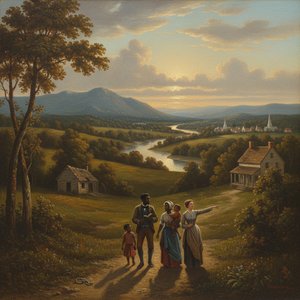
Robert Seldon Duncanson: Landscape, Abolitionism & Shaping American Identity
Discover Robert Seldon Duncanson, the first internationally acclaimed African American landscape artist. Explore his connection to the Hudson River School, abolitionism, and enduring legacy through serene vistas & powerful symbolism.
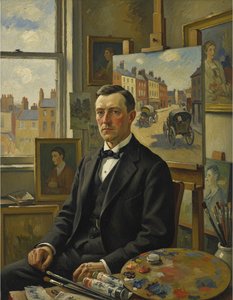
Robert Bevan: Pioneering British Post-Impressionism & the Camden Town Group's Intimate Vision
Explore the life & work of Robert Bevan, a pioneer of British Post-Impressionism and founding member of the Camden Town Group. Discover his vibrant landscapes and lasting impact on early 20th-century art.

Hubert Robert und die Romantik der Ruinen: Eine Studie zur künstlerischen Innovation und Antikenbegeisterung
Entdecken Sie die faszinierende Welt von Hubert Robert und seiner Ruinenmalerei! Expertenanalyse zu Techniken, Motiven & Investitionspotenzial für anspruchsvolle Kunstsammler. OriginalUniqueArt bietet hochwertige Reproduktionen.
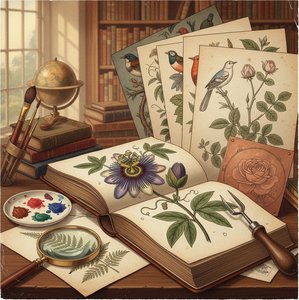
Robert Havell Sr.: Botanical Precision & the Rise of Colour Plate Publishing
Explore the life & work of Robert Havell Sr., a pioneer of botanical illustration and key collaborator with Audubon. Discover his stunning aquatint engravings, artistic techniques, and lasting impact on 19th-century art.

David Roberts: A Scottish Pioneer of Topographical Art & Orientalist Vision
Explore the captivating world of David Roberts, a pioneering Scottish painter renowned for his detailed Orientalist scenes & stunning Egyptian landscapes. Discover his legacy and find museum-quality reproductions at OriginalUniqueArt.