In echtem Maßstab anzeigen
 Versenden als Grußkarte
 Teilen
 Details anzeigen
 Leitfaden öffnen

 Herunterladen
 Ähnliche Objekte
 Röntgenaufnahme
 Diashow
 Besucherstatistiken
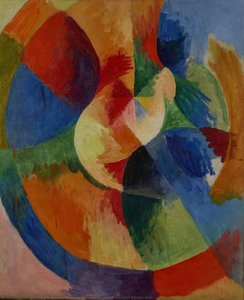
Study for the Cardiff Team


 Mehr anzeigen
Handgefertigte Ölreproduktion
Handgemaltes Ölgemälde auf Leinwand in Ihrer Wunschgröße und mit Rahmen, auf Bestellung von unseren Künstlern angefertigt. ( Zum Druck wechseln Zum digitalen Bild wechseln)




P118B €10

P118H €10

P118W €10

P438Z €10

P508JH €12

P508YH €12

P805H €10

P805Z €10

P919BZ €10

P919G €10

P919XJ €10

P959ZH €10

P968JZ €12

W106C €8

W218G €10

W218JH €8

W218Y €10

W307PJ €10

W316G €10

W316PJ €8

W316Y €10

W398PJ €8

W4111J €10

W500HY €15

W500JH €15

W692G €12

W849H €8

W940BG €15

W953PJ €8




Wählen Sie aus unseren vordefinierten Formaten, die den ursprünglichen Proportionen des Kunstwerks entsprechen.

Geben Sie die Breite und die Höhe an, die Sie für Ihren Rahmen oder Ihre Wand benötigen. Da dieses Werk handgemalt ist, kann der Künstler bei einer anderen Form etwas mehr um das Bild herum malen oder etwas abschneiden – Sie entscheiden. Wir senden Ihnen ein digitales Mockup zur Freigabe, bevor mit dem Malen begonnen wird. Das auf dieser Seite gezeigte Bild stellt nicht das tatsächliche Ergebnis dar – dies tut nur das Mockup.
Nach der Bestellung wird das OriginalUniqueArt.com-Team dem Kunden Anweisungen per E-Mail zusenden und eine Mockup-Vorschau bereitstellen.
Weltweiter Versand () in nur 3 bis 4 Wochen statt der üblichen 5 Wochen. (21 Oktober). Keine Kompromisse bei der Qualität.

Kostenloser weltweiter Expressversand

Hochwertige Leinenleinwand

Vollständiger Versicherungsschutz beim Versand

Zollgebühren-Rückerstattungsgarantie

Garantie für exakte Farbtreue

100-tägiges Rückgaberecht (nur bei Mängeln)

100% Geld-zurück-Garantie

Angebot für Mengenrabatt
 Die Glasoption ist nur für Größen unter 110 cm verfügbar.

Study for the Cardiff Team
Reproduktionsmedium
Format der Reproduktion
-


Gesamtpreis
€ 262
Robert Delaunay: A Pioneer of Abstract Color – Exploring “Study for the Cardiff Team”
Robert Delaunay’s “Study for the Cardiff Team,” completed in 1922, stands as a cornerstone of Orphism and a testament to his groundbreaking approach to painting. More than just an architectural sketch—though its origins undoubtedly lie in visualizing urban spaces—this monochrome drawing delves into a profound exploration of color theory and geometric abstraction, influencing generations of artists.
The Birth of Orphism
Delaunay’s artistic trajectory began with Impressionism, but he swiftly rejected its focus on capturing fleeting impressions of light. Alongside Sonia Delaunay, he spearheaded the Orphism movement, rejecting representational art altogether in favor of a purely visual language centered around color and form. Inspired by Kandinsky's theoretical explorations into the spiritual significance of color, Orphists sought to express emotion directly through geometric shapes—circles, squares, triangles—arranged in vibrant combinations that defied traditional perspective.
Technique and Composition
"Study for the Cardiff Team" exemplifies Delaunay’s meticulous technique. The artist employed a dry pastel medium, applying delicate strokes of pigment onto paper to achieve remarkable tonal gradations. Notice the careful layering of colors—primarily shades of gray—creating an illusion of depth and texture that transcends mere depiction. The composition itself is deliberately asymmetrical, featuring two prominent clocks positioned strategically within the cityscape. These clocks aren’t merely decorative elements; they symbolize time's relentless march and serve as a visual metaphor for Delaunay’s preoccupation with capturing the essence of movement and dynamism.
Historical Context: Weimar Republic and Artistic Innovation
The painting emerged during the turbulent Weimar Republic, a period marked by political instability and social upheaval. However, amidst this uncertainty flourished an unprecedented surge of artistic innovation. Artists like Delaunay were actively dismantling established conventions, experimenting with new materials and approaches to challenge viewers’ perceptions of reality. Orphism represented a radical departure from academic traditions, aligning itself with the broader intellectual currents of Surrealism and Dada—movements that questioned rationality and embraced spontaneity.
Symbolic Resonance: Light, Time, and Urban Space
"Study for the Cardiff Team" resonates deeply on an emotional level. The monochrome palette evokes a sense of stillness and contemplation, inviting viewers to consider the underlying rhythms of urban life. Yet, the clocks—repeatedly appearing in Delaunay’s work—suggest a constant awareness of time's passage and its influence on human experience. Ultimately, this drawing transcends mere representation; it aspires to convey a profound understanding of color theory and geometric abstraction as tools for expressing emotion and capturing the spirit of an era.
A Legacy of Influence
Delaunay’s “Study for the Cardiff Team” continues to inspire artists and designers today. Its masterful use of pastel technique, its asymmetrical composition, and its symbolic references solidify its place among the most significant achievements of abstract art. Reproductions of this captivating piece offer a glimpse into Delaunay's visionary aesthetic—a timeless reminder that true artistic expression lies in embracing innovation and conveying emotion with unwavering conviction.
Fragen & Antworten
Was sind die Technik und das Entstehungsdatum von "Study for the Cardiff Team" von Robert Delaunay?
Das Medium von "Study for the Cardiff Team" von Robert Delaunay ist Acrylic On Canvas, und das Werk wird auf 1922 datiert.
Wie harmonisch sind die Farben von "Study for the Cardiff Team" von Robert Delaunay?
Die Farbharmonie von „Study for the Cardiff Team“ wird als Unified Palette beschrieben.
Welche Art von Farben verwendet "Study for the Cardiff Team"?
Die Farbpalette von "Study for the Cardiff Team" von Robert Delaunay wird als Neutrals beschrieben. Es handelt sich um eine kompakte Beschreibung der Farben des Werkes.
Biografie des Künstlers
Frühe Jahre und künstlerliche Anfänge
Robert Delaunay, ein französischer Künstler, wurde am 12. April 1885 in Paris geboren. Er ist vor allem bekannt dafür, dass er zusammen mit seiner Frau Sonia Delaunay die Orphismus-Kunstbewegung begründete. Diese Bewegung, die durch ihre Verwendung von kräftigen Farben und geometrischen Formen gekennzeichnet ist, zielte darauf ab, das moderne Leben durch abstrakte Formen auszudrücken.Künstlerischer Stil und Einflüsse
Delaunays künstlerischer Stil zeichnete sich durch eine kühne Farbgebung und eine deutliche Liebe zur Experimentierfreude mit Tiefe und Ton aus. Seine späteren Werke waren abstrakter und erinnerten an Paul Klee. Der Künstler wurde maßgeblich von der Verwendung von Farbe als Ausdrucksmittel und strukturelles Element beeinflusst.- Die Eiffelturm-Serie, die das Wesen dieses ikonischen Pariser Wahrzeichens in einer einzigartigen und abstrakten Form einfängt.
- Gleichzeitige Kontraste: Sonne und Mond, ein Gemälde, das Delaunays Kunst und sein theoretisches Engagement für Farbe zeigt.
- Fenster öffnen sich gleichzeitig, 1. Teil, 3. Motiv, ein Gemälde, das Delaunays Verwendung von Farbblöcken demonstriert, um Tiefe und Bewegung zu erzeugen.
Wichtige Werke und Vermächtnis
Zu Delaunays wichtigsten Werken gehören:- Der Eiffelturm (126 x 93 cm, Solomon R. Guggenheim Museum, New York, Vereinigte Staaten)
- Gleichzeitige Kontraste: Sonne und Mond (Orphismus)
- Fenster öffnen sich gleichzeitig, 1. Teil, 3. Motiv (Orphismus)
Schlussfolgerung
Robert Delaunay, ein Pionier des Orphismus, hat mit seiner kühnen Farbgebung und abstrakten Formen eine bleibende Spur in der Kunstwelt hinterlassen. Sein Vermächtnis inspiriert weiterhin Künstler und Kunstliebhaber gleichermaßen und macht ihn zu einer bedeutenden Figur in der Geschichte der modernen Kunst. Weitere Werke von Robert Delaunay finden Sie auf OriginalUniqueArt Die Geschichte der Malerei - Wikipedia Die Orphismus-Kunstbewegung - OriginalUniqueArt
Robert Delaunay
1885 - 1941 , Frankreich
Eckdaten zum Künstler
- Beeinflusste Künstler: ['Paul Klee']
- Bemerkenswerte Werke:
- Eiffelturm (Serie)
- Gleichzeitige Kontraste: Sonne und Mond
- Fenêtres simultanées
- Geburtsdatum: 12. April 1885
- Geburtsort: Paris, Frankreich
- Künstlerische Bewegung: Orphismus, Kubismus
- Nationalität: Französisch
- Sterbedatum: 25. Oktober 1941
- Vollständiger Name: Robert Delaunay
- Von Ihm Beeinflusste Künstler:
- Stanton Macdonald-Wright
- Morgan Russell
- Patrick Henry Bruce
- Der Blaue Reiter
- August Macke
- Franz Marc
- Lyonel Feininger