In echtem Maßstab anzeigen
 Versenden als Grußkarte
 Teilen
 Details anzeigen

 Herunterladen
 Ähnliche Objekte
 Röntgenaufnahme
 Diashow
 Besucherstatistiken
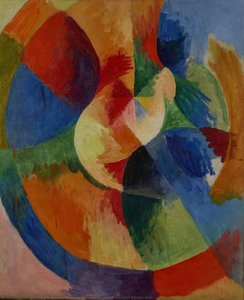
Simultaneous Windows (2nd Motif, 1st Part)


 Mehr anzeigen
Giclée / Kunstdruck
Giclée- oder Leinwanddruck in Museumsqualität mit schneller Produktion und flexiblen Veredelungsoptionen. ( Handgemalte Reproduktion kaufen Zum digitalen Bild wechseln)




P118B $10

P118H $10

P118W $10

P438Z $10

P508JH $12

P508YH $12

P805H $10

P805Z $10

P919BZ $10

P919G $10

P919XJ $10

P959ZH $10

P968JZ $12

W106C $8

W218G $10

W218JH $8

W218Y $10

W307PJ $10

W316G $10

W316PJ $8

W316Y $10

W398PJ $8

W4111J $10

W500HY $15

W500JH $15

W692G $12

W849H $8

W940BG $15

W953PJ $8




Wählen Sie aus unseren vordefinierten Formaten, die den ursprünglichen Proportionen des Kunstwerks entsprechen.

Sie können Ihre eigenen Maße eingeben, um ein bestimmtes Format oder einen speziellen Platz einzupassen. Wenn das von Ihnen gewählte Format nicht den Proportionen des Originalbildes entspricht, werden wir das Kunstwerk entweder beschneiden oder das Bild mit einem gespiegelten oder einfarbigen Rand erweitern. Ein digitaler Entwurf wird Ihnen zur Genehmigung zugesandt, bevor die Produktion beginnt.
Bitte beachten Sie, dass die Vorschau auf dem Bildschirm nicht den tatsächlichen Zuschnitt oder die Erweiterung widerspiegelt. Nur der Entwurf zeigt die endgültige Komposition präzise an.
Obwohl Sondermaße verfügbar sind, empfehlen wir die Auswahl eines Maßes aus der vordefinierten Liste, um die ursprünglichen Proportionen zu bewahren.
Weltweiter Versand () innerhalb von 2 Wochen statt der üblichen 4/5 Wochen. (15 September)

Kostenloser weltweiter Expressversand

Hochwertige Leinenleinwand

Vollständiger Versicherungsschutz beim Versand

Zollgebühren-Rückerstattungsgarantie

Garantie für exakte Farbtreue

100-tägiges Rückgaberecht (nur bei Mängeln)

100% Geld-zurück-Garantie

Angebot für Mengenrabatt
 Die Glasoption ist nur für Größen unter 110 cm verfügbar.

Simultaneous Windows (2nd Motif, 1st Part)
Giclée / Kunstdruck
Format der Reproduktion
-


Gesamtpreis
$ 80
Simultaneous Windows (2nd Motif, 1st Part): A Dive into Robert Delaunay’s Orphism
Robert Delaunay's "Simultaneous Windows (2nd Motif, 1st Part)," painted in 1912, is more than just a visually arresting composition of color and form; it’s a pivotal document in the birth of modern art. Created during his fervent exploration within the Orphism movement alongside his wife Sonia Delaunay, this work embodies a radical shift away from representational painting towards an entirely new language of visual expression. It's a vibrant testament to their belief that color itself possessed inherent power and could be manipulated to evoke emotion and create dynamic experiences – a concept profoundly influential on the development of abstract art.

The Orphist Vision: Geometry and Radiant Color
Delaunay’s approach, deeply rooted in Neoimpressionism initially, evolved dramatically into what became known as Orphism. This movement sought to liberate color from its traditional role of describing objects; instead, it aimed to use color purely for its expressive qualities. “Simultaneous Windows” exemplifies this perfectly. The painting is dominated by a complex interplay of geometric shapes – squares, rectangles, and circles – arranged in a dynamic, almost kaleidoscopic fashion. These forms aren’t merely decorative; they are the building blocks of Delaunay's visual vocabulary, each shape imbued with its own distinct hue and intensity.
The color palette itself is deliberately jarring yet harmonious. Blues, greens, yellows, reds, and purples collide and overlap, creating a sense of movement and vibration. This wasn’t accidental; Delaunay meticulously layered colors using techniques like *grisaille* (a monochrome underpainting) to build up depth and luminosity before applying the final vibrant hues. The effect is one of intense visual energy – as if the windows themselves are radiating light and color simultaneously.
Historical Context & Influences
To fully appreciate “Simultaneous Windows,” it’s crucial to understand its historical context. The early 20th century was a period of immense artistic upheaval, fueled by technological advancements (particularly photography) and new scientific theories about light and color. Delaunay, like many artists of the time, was influenced by the work of scientists such as Michel Eugène Chevreul, who had explored the principles of simultaneous contrast – the idea that colors affect each other when viewed together. Furthermore, his engagement with Guillaume Apollinaire’s writings on Orphism helped solidify this movement's theoretical foundation and its place within the broader avant-garde.
The painting reflects a desire to break free from traditional notions of perspective and representation. It’s an abstract work that prioritizes sensation and emotional response over literal depiction, aligning it with the broader goals of movements like Cubism and Futurism.
Symbolic Resonance & Emotional Impact
"Simultaneous Windows" isn't simply a beautiful arrangement of color; it carries a profound symbolic weight. The title itself – “Simultaneous Windows” – suggests a multiplicity of perspectives, mirroring the fragmented nature of modern experience. The geometric forms can be interpreted as representing architectural elements, reflecting Delaunay’s interest in urban landscapes and his desire to capture the dynamism of the city.
Ultimately, this painting invites the viewer to engage with color on an emotional level. The vibrant hues and dynamic composition evoke a sense of exhilaration, energy, and perhaps even disorientation – mirroring the transformative power of art itself. It’s a bold, innovative work that continues to captivate viewers over a century later.
Biografie des Künstlers
Frühe Jahre und künstlerliche Anfänge
Robert Delaunay, ein französischer Künstler, wurde am 12. April 1885 in Paris geboren. Er ist vor allem bekannt dafür, dass er zusammen mit seiner Frau Sonia Delaunay die Orphismus-Kunstbewegung begründete. Diese Bewegung, die durch ihre Verwendung von kräftigen Farben und geometrischen Formen gekennzeichnet ist, zielte darauf ab, das moderne Leben durch abstrakte Formen auszudrücken.Künstlerischer Stil und Einflüsse
Delaunays künstlerischer Stil zeichnete sich durch eine kühne Farbgebung und eine deutliche Liebe zur Experimentierfreude mit Tiefe und Ton aus. Seine späteren Werke waren abstrakter und erinnerten an Paul Klee. Der Künstler wurde maßgeblich von der Verwendung von Farbe als Ausdrucksmittel und strukturelles Element beeinflusst.- Die Eiffelturm-Serie, die das Wesen dieses ikonischen Pariser Wahrzeichens in einer einzigartigen und abstrakten Form einfängt.
- Gleichzeitige Kontraste: Sonne und Mond, ein Gemälde, das Delaunays Kunst und sein theoretisches Engagement für Farbe zeigt.
- Fenster öffnen sich gleichzeitig, 1. Teil, 3. Motiv, ein Gemälde, das Delaunays Verwendung von Farbblöcken demonstriert, um Tiefe und Bewegung zu erzeugen.
Wichtige Werke und Vermächtnis
Zu Delaunays wichtigsten Werken gehören:- Der Eiffelturm (126 x 93 cm, Solomon R. Guggenheim Museum, New York, Vereinigte Staaten)
- Gleichzeitige Kontraste: Sonne und Mond (Orphismus)
- Fenster öffnen sich gleichzeitig, 1. Teil, 3. Motiv (Orphismus)
Schlussfolgerung
Robert Delaunay, ein Pionier des Orphismus, hat mit seiner kühnen Farbgebung und abstrakten Formen eine bleibende Spur in der Kunstwelt hinterlassen. Sein Vermächtnis inspiriert weiterhin Künstler und Kunstliebhaber gleichermaßen und macht ihn zu einer bedeutenden Figur in der Geschichte der modernen Kunst. Weitere Werke von Robert Delaunay finden Sie auf OriginalUniqueArt Die Geschichte der Malerei - Wikipedia Die Orphismus-Kunstbewegung - OriginalUniqueArt
Robert Delaunay
1885 - 1941 , Frankreich
Eckdaten zum Künstler
- Beeinflusste Künstler: ['Paul Klee']
- Bemerkenswerte Werke:
- Eiffelturm (Serie)
- Gleichzeitige Kontraste: Sonne und Mond
- Fenêtres simultanées
- Geburtsdatum: 12. April 1885
- Geburtsort: Paris, Frankreich
- Künstlerische Bewegung: Orphismus, Kubismus
- Nationalität: Französisch
- Sterbedatum: 25. Oktober 1941
- Vollständiger Name: Robert Delaunay
- Von Ihm Beeinflusste Künstler:
- Stanton Macdonald-Wright
- Morgan Russell
- Patrick Henry Bruce
- Der Blaue Reiter
- August Macke
- Franz Marc
- Lyonel Feininger