In echtem Maßstab anzeigen
 Versenden als Grußkarte
 Teilen
 Details anzeigen
 Leitfaden öffnen

 Herunterladen
 Ähnliche Objekte
 Röntgenaufnahme
 Diashow
 Besucherstatistiken
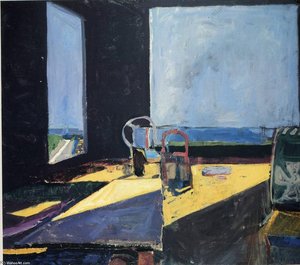
Ocean Park #49
 Acrylic On Canvas
- WallArt
- Color Field Painting
 1972
1972 236.0 x 206.0 cm
 Los Angeles County Museum of Art
 Mehr anzeigen
Giclée / Kunstdruck
Giclée- oder Leinwanddruck in Museumsqualität mit schneller Produktion und flexiblen Veredelungsoptionen. ( Handgemalte Reproduktion kaufen Zum digitalen Bild wechseln)




P118B $10

P118H $10

P118W $10

P438Z $10

P508JH $12

P508YH $12

P805H $10

P805Z $10

P919BZ $10

P919G $10

P919XJ $10

P959ZH $10

P968JZ $12

W106C $8

W218G $10

W218JH $8

W218Y $10

W307PJ $10

W316G $10

W316PJ $8

W316Y $10

W398PJ $8

W4111J $10

W500HY $15

W500JH $15

W692G $12

W849H $8

W940BG $15

W953PJ $8




Wählen Sie aus unseren vordefinierten Formaten, die den ursprünglichen Proportionen des Kunstwerks entsprechen.

Sie können Ihre eigenen Maße eingeben, um ein bestimmtes Format oder einen speziellen Platz einzupassen. Wenn das von Ihnen gewählte Format nicht den Proportionen des Originalbildes entspricht, werden wir das Kunstwerk entweder beschneiden oder das Bild mit einem gespiegelten oder einfarbigen Rand erweitern. Ein digitaler Entwurf wird Ihnen zur Genehmigung zugesandt, bevor die Produktion beginnt.
Bitte beachten Sie, dass die Vorschau auf dem Bildschirm nicht den tatsächlichen Zuschnitt oder die Erweiterung widerspiegelt. Nur der Entwurf zeigt die endgültige Komposition präzise an.
Obwohl Sondermaße verfügbar sind, empfehlen wir die Auswahl eines Maßes aus der vordefinierten Liste, um die ursprünglichen Proportionen zu bewahren.
Weltweiter Versand () innerhalb von 2 Wochen statt der üblichen 4/5 Wochen. (25 September)

Kostenloser weltweiter Expressversand

Hochwertige Leinenleinwand

Vollständiger Versicherungsschutz beim Versand

Zollgebühren-Rückerstattungsgarantie

Garantie für exakte Farbtreue

100-tägiges Rückgaberecht (nur bei Mängeln)

100% Geld-zurück-Garantie

Angebot für Mengenrabatt
 Die Glasoption ist nur für Größen unter 110 cm verfügbar.

Ocean Park #49
Giclée / Kunstdruck
Format der Reproduktion
-


Gesamtpreis
$ 80
The Shimmering Echoes of Ocean Park #49
Richard Diebenkorn’s “Ocean Park #49,” painted in 1972, isn't merely a depiction of a California landscape; it’s an immersion into the very essence of light and memory. Created during a pivotal period of his artistic evolution, this work embodies the spirit of the Bay Area Figurative Movement while simultaneously embracing the lyrical abstraction championed by Color Field painters like Mark Rothko. The painting captures a fleeting moment along the Santa Monica coastline – not a precise representation, but rather an evocation of atmosphere and feeling. Diebenkorn’s masterful use of layered washes of blue, punctuated by subtle shifts in tone and texture, creates a sense of infinite depth, drawing the viewer into a space that feels both familiar and profoundly mysterious. It's as if he’s attempting to capture not just what he saw, but the *feeling* of being there – the warmth of the sun on skin, the scent of salt air, and the quiet contemplation of the vastness of the ocean.A Synthesis of Influences: Bonington and Beyond
Diebenkorn's approach is deeply rooted in the legacy of Richard Parkes Bonington, a 19th-century British painter whose work he greatly admired. Like Bonington, Diebenkorn was fascinated by capturing the ephemeral qualities of light and atmosphere – particularly through *plein air* painting, working directly from nature. However, Diebenkorn’s style transcends simple imitation; he synthesizes Bonington's meticulous observation with the bolder, more expressive gestures of Abstract Expressionism. The subtle gradations of color in “Ocean Park #49” owe a clear debt to Bonington’s luminous landscapes, while the overall composition and sense of spatial ambiguity align it with the groundbreaking work of artists like Willem de Kooning. The influence of Henri Matisse is also evident in Diebenkorn's use of simplified forms and vibrant color palettes, creating a harmonious balance between structure and spontaneity.Color Field Abstraction: A New Language
“Ocean Park #49” exemplifies the principles of Color Field painting – a movement that sought to elevate color itself as the primary subject matter of art. Rather than depicting recognizable objects, Diebenkorn employed large blocks of saturated color to create an emotional and psychological experience for the viewer. The dominant blue tones evoke feelings of tranquility, vastness, and perhaps even melancholy—a reflection on the power and indifference of nature. The subtle variations in hue – from a deep indigo to a lighter cerulean – suggest movement and depth, while the carefully placed white triangles act as anchors, subtly guiding the eye through the composition. This deliberate use of color creates a meditative effect, inviting contemplation and introspection.Symbolism and Emotional Resonance
While seemingly simple on the surface, “Ocean Park #49” is rich in symbolic meaning. The ocean itself represents both life and death, creation and destruction – fundamental forces that shape our existence. The triangles, often interpreted as symbols of stability and balance, provide a counterpoint to the fluidity of the water. The painting’s overall mood suggests a sense of solitude and reflection—a feeling perhaps prompted by the vastness of the ocean and the realization of one's own small place within it. It is a work that speaks to the human condition, inviting viewers to confront their own emotions and experiences through the lens of this evocative landscape. The title itself, “Ocean Park,” subtly references both the physical location and the broader concept of a sanctuary—a space for respite and contemplation.A Timeless Masterpiece: Reproduction and Legacy
“Ocean Park #49” remains one of Richard Diebenkorn’s most celebrated works, admired for its beauty, complexity, and emotional resonance. Reproductions capture only a fraction of the painting's depth and nuance, but high-quality prints offer an accessible way to experience this iconic artwork. When selecting a reproduction, consider factors such as archival quality and color accuracy to ensure that you are preserving the integrity of Diebenkorn’s original vision. Whether displayed in a contemporary interior or a classic setting, “Ocean Park #49” continues to inspire and captivate viewers with its shimmering echoes of light, memory, and the enduring power of art.Biografie des Künstlers
Frühes Leben und Ausbildung
- Geboren: 22. April 1922, Portland, Oregon
- Familiengeschichte: Seine Familie zog nach San Francisco, Kalifornien, als er zwei Jahre alt war.
- Frühes künstlerisches Interesse: Zeigte ab dem Alter von vier oder fünf Jahren eine Leidenschaft für das Zeichnen.
- Formale Ausbildung: Besuchte 1940 die Stanford University.
- Einflussreiche Mentoren an der Stanford University: Victor Arnautoff (klassische formale Disziplin mit Ölfarben) und Daniel Mendelowitz (teilte eine Leidenschaft für Edward Hopper).
- Hopper’s Einfluss: Frühe Arbeiten waren vom Stil von Edward Hopper beeinflusst.
Entwicklung des künstlerischen Stils
- Nachkriegseinflüsse: Verschiebung der Kunstwelt von Paris in die Vereinigten Staaten, insbesondere nach New York.
- Abstrakter Expressionismus: Er schrieb sich an der California School of Fine Arts (heute San Francisco Art Institute) ein und übernahm den abstrakten Expressionismus als sein Mittel zum Selbstausdruck.
- Frühe Einflüsse: Clyfford Still, Arshile Gorky, Hassel Smith und Willem de Kooning.
- Bay Area Figurative Bewegung: Wurde zu einer führenden Figur der Bay Area Figurative Bewegung neben Elmer Bischoff, Henry Villierme, David Park und James Weeks. Diese Bewegung stellte eine Rückkehr zur figurativen Malerei nach dem abstrakten Expressionismus dar.
- Übergang von Abstraktion zur Figuration: Verließ in den mittleren 1950er Jahren die strikte Einhaltung des abstrakten Expressionismus und integrierte repräsentative Elemente in seine Arbeit.
Die Ocean Park Serie und Spätere Arbeiten
- Ocean Park Gemälde: Begannen 1967 und dauerten bis zu seinem Tod an. Diese geometrischen, lyrischen abstrakten Gemälde wurden zu einem entscheidenden Erfolg seiner Karriere.
- Printmaking Exploration: Begann im Sommer 1961 während seines Studiums an der UCLA mit der Erforschung des Druckgrafik (Radierung).
- Zusammenarbeit mit Crown Point Press: Baute eine langfristige Zusammenarbeit mit Kathan Brown bei Crown Point Press auf und produzierte zahlreiche Drucke von 1965 bis 1992.
Wichtige Errungenschaften und Historische Bedeutung
- Kritischer Erfolg: Erlangte weltweit Anerkennung für seine Ocean Park Serie.
- Mid-Career Retrospektive: Eine bedeutende Retrospektive wurde 1960 vom Pasadena Art Museum präsentiert, gefolgt von einer Variation im California Palace of the Legion of Honor in San Francisco später an diesem Jahr.
- Einfluss auf die Nachkriegskunst: Diebenkorns Werk überbrückte den abstrakten Expressionismus und die lyrische Abstraktion und beeinflusste viele Künstler, die ihm folgten. Seine Fähigkeit, geometrische Formen mit ausdrucksstarken Farben zu kombinieren, machte ihn zu einer einzigartigen Figur in der amerikanischen Nachkriegskunst.
Tod und Vermächtnis
- Gestorben: 1993
- Bleibender Einfluss: Richard Diebenkorns Vermächtnis liegt in seinem innovativen Ansatz zur Abstraktion, seiner Fähigkeit, die Essenz der kalifornischen Landschaften einzufangen und seinem Beitrag sowohl zum abstrakten Expressionismus als auch zur figurativen Kunst. Seine Ocean Park Serie ist ein Beweis für seine künstlerische Vision und inspiriert weiterhin Künstler und Sammler auf der ganzen Welt.
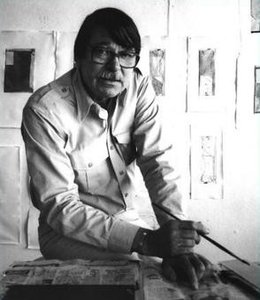
Richard Diebenkorn
1922 - 1993 , Vereinigte Staaten von Amerika
Eckdaten zum Künstler
- Beeinflusste Künstler:
- Edward Hopper
- Clyfford Still
- Arshile Gorky
- Henri Matisse
- Bemerkenswerte Werke:
- A Day at the Races
- Ocean Park Nr. 32
- Ocean Park #54
- Berkeley Nr. 54
- Untitled 'M'
- Chabot Valley
- Berkeley Nr. 33
- Seawall
- Ocean Park Nr. 7
- Blick auf die Veranda
- Geburtsdatum: 22. April 1922
- Geburtsort: Portland, USA
- Künstlerische Richtung:
- Abstrakter Expressionismus
- Bay Area Figuration
- Nationalität: Amerikanisch
- Sterbedatum: 1993
- Vollständiger Name: Richard Clifford Diebenkorn Jr.
Verwandte Artikel

Abstrakter Expressionismus: Die 10 Meisterwerke, die eine Kunstbewegung prägten |
Entdecken Sie die 10 Meisterwerke des Abstrakten Expressionismus! Von Jackson Pollock bis Mark Rothko – erfahren Sie die Geschichten hinter ikonischen Gemälde und finden Sie hochwertige Reproduktionen für Ihr Zuhause. Jetzt bei entdecken!
Richard Diebenkorn: Eine Poetik von Raum und Form – Abstraktion im kalifornischen Modernismus
Entdecken Sie die faszinierende Welt von Richard Diebenkorn! Analysieren Sie mit uns seine Entwicklung vom Abstrakten Expressionismus zur einzigartigen Poetik von Raum und Form. Expertenwissen & tiefe Einblicke.
Color Field Painting: The Emotional Power of Pure Abstraction and Chromatic Depth
Explore the profound emotional depth of Color Field painting. Discover the history of mid-century abstraction, from Rothko to Newman, and learn how pure color transforms the viewer's experience through our expert art history guide.
The Essence of Abstraction: A Definitive Guide to the Power and History of Color Field Painting Masterpieces
Explore the profound emotional depth of Color Field painting. Our expert guide delves into the post-war origins of Abstract Expressionism, analyzing masterpieces by Rothko and Newman. Discover museum-grade, hand-painted oil reproductions that bring art history to your walls.
Beyond the Brush: The Raw Emotion and Power of Abstract Expressionism
Explore the profound emotional depth of Abstract Expressionism. From the visceral energy of Action Painting to the serene beauty of Color Field, discover the history and mastery behind this transformative movement for the discerning art collector.