

 In echtem Maßstab anzeigen
 Versenden als Grußkarte
 Teilen
 Details anzeigen
 Leitfaden öffnen

 Herunterladen
 Ähnliche Objekte
 Röntgenaufnahme
 Diashow
 Besucherstatistiken
Titania endormie


 Mehr anzeigen
Handgefertigte Ölreproduktion
Handgemaltes Ölgemälde auf Leinwand in Ihrer Wunschgröße und mit Rahmen, auf Bestellung von unseren Künstlern angefertigt. ( Zum Druck wechseln Zum digitalen Bild wechseln)




P118B $10

P118H $10

P118W $10

P438Z $10

P508JH $12

P508YH $12

P805H $10

P805Z $10

P919BZ $10

P919G $10

P919XJ $10

P959ZH $10

P968JZ $12

W106C $8

W218G $10

W218JH $8

W218Y $10

W307PJ $10

W316G $10

W316PJ $8

W316Y $10

W398PJ $8

W4111J $10

W500HY $15

W500JH $15

W692G $12

W849H $8

W940BG $15

W953PJ $8




Wählen Sie aus unseren vordefinierten Formaten, die den ursprünglichen Proportionen des Kunstwerks entsprechen.

Sie können Ihre eigenen Maße eingeben, um einen bestimmten Rahmen oder Platz auszufüllen. Wenn die gewählte Größe nicht den Proportionen des Originalbildes entspricht, werden wir das Kunstwerk entweder beschneiden oder das Gemälde durch zusätzliche, handgemalte Elemente erweitern. Ein digitales Mockup wird Ihnen zur Genehmigung zugesandt, bevor die Produktion beginnt.
Bitte beachten Sie, dass die Bildschirmvorschau nicht die tatsächliche Beschneidung oder Erweiterung widerspiegelt. Nur das Mockup zeigt die endgültige Komposition exakt an.
Obwohl Sondermaße verfügbar sind, empfehlen wir, eine Größe aus der vordefinierten Liste zu wählen, um die ursprünglichen Proportionen beizubehalten.
Nach der Bestellung wird das OriginalUniqueArt.com-Team dem Kunden Anweisungen per E-Mail zusenden und eine Mockup-Vorschau bereitstellen.
Weltweiter Versand () in nur 3 bis 4 Wochen statt der üblichen 5 Wochen. (26 September). Keine Kompromisse bei der Qualität.

Kostenloser weltweiter Expressversand

Hochwertige Leinenleinwand

Vollständiger Versicherungsschutz beim Versand

Zollgebühren-Rückerstattungsgarantie

Garantie für exakte Farbtreue

100-tägiges Rückgaberecht (nur bei Mängeln)

100% Geld-zurück-Garantie

Angebot für Mengenrabatt
 Die Glasoption ist nur für Größen unter 110 cm verfügbar.

Titania endormie
Reproduktionsmedium
Format der Reproduktion
-


Gesamtpreis
$ 450
The Enthralling World of Richard Dadd’s Titania Endormie
Richard Dadd's "Titania Endormie" (1841) isn’t merely a painting; it’s an immersion into a meticulously crafted, almost hallucinatory realm. Born amidst the burgeoning Romantic movement and steeped in the fantastical traditions of Shakespeare’s “A Midsummer Night’s Dream,” Dadd transforms the familiar tale of the fairy queen's slumber into a breathtaking spectacle of intricate detail and profound emotional resonance. The scene unfolds within a cavernous grotto, a space simultaneously inviting and unsettling, populated by a swirling throng of fairies, sprites, and mythical creatures engaged in a vibrant celebration around the reclining Titania. It’s a world where nature and imagination intertwine seamlessly, creating an atmosphere thick with enchantment and a subtle undercurrent of melancholy.
Dadd's genius lies not just in his technical skill – though that is undeniably extraordinary – but in his ability to evoke a specific mood. The muted palette of earthy greens, browns, and ochres grounds the fantastical elements, preventing them from dissolving into pure whimsy. Yet, strategically placed splashes of pink, gold, and yellow inject moments of luminous beauty, particularly around Titania herself, drawing the viewer’s eye to her serene repose. The composition is a masterful spiral, guiding our gaze through the densely packed figures and towards the central focus – the sleeping queen. This deliberate use of perspective creates a sense of depth and movement, as if we are stepping into this magical world alongside the revelers.
A Pre-Raphaelite Vision: Technique and Detail
Dadd’s meticulous approach to his craft is immediately apparent upon close inspection. Every leaf, every petal, every shimmer of light has been rendered with painstaking detail, a testament to his dedication and the extraordinary patience required for such an ambitious undertaking. The painting employs a technique heavily influenced by the Pre-Raphaelite Brotherhood, known for their commitment to realism and detailed depictions of nature. Notice the incredibly fine brushstrokes, particularly in the rendering of the foliage – each individual leaf is distinct, contributing to the overwhelming sense of texture and volume. This level of detail wasn’t simply decorative; it served to heighten the illusion of reality within this fantastical setting.
- Miniaturism: Dadd's work exemplifies miniaturism, a technique where details are rendered with an almost photographic precision, creating a sense of overwhelming complexity.
- Layered Technique: The painting demonstrates a masterful layering of colors and textures, building up the image through multiple applications of paint.
- Attention to Light: Dadd expertly manipulates light and shadow to create depth and drama, highlighting Titania’s slumbering form and casting the surrounding figures into evocative darkness.
Symbolism and Narrative Depth
Beyond its visual splendor, "Titania Endormie" is rich in symbolic meaning. The sleeping queen represents not just beauty and innocence but also vulnerability and enchantment – a state of being suspended between the mortal world and the realm of fairies. The surrounding fairies embody the chaotic and unpredictable nature of the fairy kingdom, their dance a celebration of magic and mischief. Obéron, though largely obscured in shadow, is subtly present as the orchestrator of this fantastical drama. The inclusion of elements like toadstools and flowers further reinforces the painting’s connection to folklore and mythology, grounding the scene within a rich tapestry of tradition.
Furthermore, the painting can be interpreted as an exploration of the human psyche – Dadd's own struggles with mental illness are reflected in the dreamlike quality of the scene. The enclosed space, the heightened emotions, and the blurring of reality all suggest a descent into a world shaped by imagination and perhaps, also, by inner turmoil. The painting’s enduring power lies in its ability to evoke both wonder and a sense of unease, inviting viewers to contemplate the mysteries of beauty, dreams, and the human condition.
A Timeless Masterpiece: Reproduction and Legacy
Today, "Titania Endormie" stands as a testament to Richard Dadd’s extraordinary talent and his unique vision. Reproductions capture only a fraction of the painting's original impact, but high-quality prints offer an accessible way to experience this remarkable work of art. Whether displayed in a grand salon or a cozy study, "Titania Endormie" continues to captivate audiences with its intricate detail, evocative atmosphere, and profound symbolism. It remains a cornerstone of Victorian Pre-Raphaelite art—a window into a world where imagination reigns supreme.
Biografie des Künstlers
Richard Dadd: Ein Leben künstlerischer Obsession und psychischem Leid
- Geboren: Chatham, Großbritannien (1817)
- Gestorben: 1886
Richard Dadd war eine einzigartig faszinierende Figur in der viktorianischen Kunst. Bekannt für seine akribische Detailgenauigkeit und fantastische Bildsprache, navigierte er eine Karriere, die sowohl von künstlerischem Genie als auch von tiefgreifendem psychischem Leid geprägt war. Seine Werke umfassen Darstellungen von Feen, orientalistischen Szenen, rätselhaften Genreszenen und Schiffsansichten, alle wiedergegeben mit einer fast obsessiven Präzision.
Frühes Leben und künstlerische Ausbildung
- Frühes Talent: Dadd zeigte schon in jungen Jahren ein bemerkenswertes Talent zum Zeichnen, das an der King's School, Rochester, gefördert wurde.
- Aufnahme in die Royal Academy: Im Alter von 20 Jahren wurde er in die Royal Academy of Arts aufgenommen, was sein frühes Versprechen demonstrierte. Er erhielt 1840 die Medaille für Aktzeichnen.
- Die Clique: Dadd wurde Teil eines bedeutenden Künstlerkreises namens "The Clique", zusammen mit William Powell Frith, Augustus Egg und Henry O'Neil, wodurch er sich in der Londoner Kunstszene etablierte.
- Frühe Werke: Bemerkenswerte frühe Werke sind Illustrationen für Book of British Ballads (1842) und ein Frontispiz für Kentish Coronal (1840), die seine sich entwickelnde Fähigkeit in der narrativen Illustration zeigen.
Die Ägyptische Expedition und der Abstieg in den Wahnsinn
- Reise ins Mittelmeergebiet: Im Jahr 1842 begleitete Dadd Sir Thomas Phillips auf einer Expedition durch Europa, Griechenland, die Türkei, Syrien und Ägypten. Diese Reise erwies sich als entscheidend, wenn auch tragisch.
- Persönlichkeitsveränderung: Gegen Ende Dezember 1842, während er den Nil hinaufreiste, erlebte Dadd eine dramatische Persönlichkeitsveränderung. Er wurde wahnhaft und glaubte, von dem ägyptischen Gott Osiris beeinflusst zu werden.
- Diagnose und Einweisung: Nach seiner Rückkehr nach England im Frühjahr 1843 wurde er als geistig krank diagnostiziert und in das Bethlem Psychiatric Hospital (Bedlam) eingeliefert.
- Paranoide Schizophrenie: Es wird nun angenommen, dass Dadd an paranoider Schizophrenie litt, einer Erkrankung, die auch andere Mitglieder seiner Familie betraf.
Künstlerische Produktion innerhalb von Institutionen
- Fortsetzung des Malens: Trotz seiner Inhaftierung wurde Dadd ermutigt, weiterhin zu malen, von aufgeklärten Ärzten wie William Wood und Sir W. Charles Hood.
- Bemerkenswerte Werke aus Bethlem & Broadmoor: Viele von Dadds bekanntesten Werken wurden geschaffen während seines Aufenthalts in Bethlem und später Broadmoor Krankenhäusern, darunter The Fairy Feller's Master-Stroke (1855-1864).
- Porträts und Skizzen: Er schuf ein bemerkenswertes Porträt von Dr. Alexander Morison (1852) und die Serie Sketches to Illustrate the Passions (1850er Jahre), was seine anhaltende künstlerische Fähigkeit und psychologischen Einblick demonstriert.
- Schiffsansichten & Landschaften: Dadd schuf auch zahlreiche detaillierte Schiffsansichten und Landschaftsbilder, wie Port Stragglin (1861), die seine Fähigkeit zeigen, sowohl Vorstellungskraft als auch Erinnerung mit dem Auge eines Miniaturisten einzufangen.
Vermächtnis und Einfluss
- Einzigartige künstlerische Vision: Richard Dadds Werk zeichnet sich durch seine komplizierte Detailgenauigkeit, fantastische Themen und psychologische Tiefe aus, was ihn von vielen seiner Zeitgenossen unterscheidet.
- Einfluss auf spätere Künstler & Kultur: Seine Kunst hat zahlreiche Künstler, Schriftsteller und Musiker inspiriert, darunter die Rockband Queen (deren Lied "The Fairy Feller's Master-Stroke" auf seinem Gemälde basiert) und Terry Pratchett.
- Wiederentdeckung und Anerkennung: Obwohl seine Arbeit nach seinem Tod für eine gewisse Zeit in Vergessenheit geriet, hat sie in den letzten Jahrzehnten ein bedeutendes Revival erlebt, was seinen Platz als einzigartige und wichtige Figur in der viktorianischen Kunstgeschichte festigt.

Richard Dadd
1817 - 1886 , Vereinigtes Königreich
Eckdaten zum Künstler
- Artistic Movement Or Style: Viktorianisch, Orientalismus
- Artists Who Influenced This Artist: ['William Dadson']
- Date Of Birth: 1. August 1817
- Date Of Death: 7. Januar 1886
- Full Name: Richard Dadd
- Nationality: Englisch
- Notable Artworks:
- The Fairy Feller's Master-Stroke
- Der Tod Richards II.
- Porträt von Sir Thomas Phillips
- Eine Ansicht von Tlos in Lykien
- Der Angriff des Spinnen
- Place Of Birth (City And Country): Chatham, Großbritannien
Verwandte Artikel

Pre-Raphaelite Romanticism: The Revival of Medieval Beauty and Nature in Victorian Art
Explore the profound beauty of Pre-Raphaelite Romanticism. Discover how visionaries like Rossetti and Millais revived medievalism and nature through meticulous detail and vibrant color in Victorian art history.

Dante Gabriel Rossetti: Die 25 Meisterwerke des Präraffelitismus | OriginalUniqueArt
Entdecken Sie die 25 schönsten Gemälde von Dante Gabriel Rossetti! Tauchen Sie ein in die Welt der Präraffeliten, symbolistischer Kunst & viktorianischer Romantik. Hochwertige Reproduktionen für Ihr Zuhause – jetzt bei OriginalUniqueArt.com!

Sir John Everett Millais: Präraffaelitische Revolution und viktorianische Erzählkunst
Entdecken Sie das Leben und Werk von Sir John Everett Millais, einem Pionier der Präraffaeliten! Detaillierte Analysen seiner Gemälde, Einblicke in die viktorianische Kunstszene und seine bleibende Bedeutung. Jetzt lesen!

Pre-Raphaelite Romanticism: A Guide to Vivid Detail and Medieval Beauty in Victorian Art
Explore the vivid detail and medieval beauty of Pre-Raphaelite Romanticism. Discover the history of masters like Rossetti and Millais through our expert guide to Victorian art, perfect for collectors and professionals seeking authentic, museum-quality reproductions.
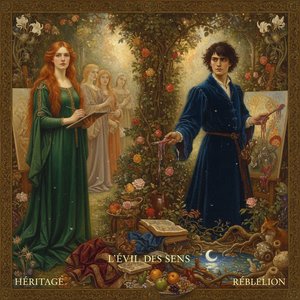
The Pre-Raphaelite Brotherhood: Reclaiming Beauty, Nature, and Truth in Victorian Art History
Explore the revolutionary Pre-Raphaelite Brotherhood. Discover how these visionary artists rejected academic tradition to reclaim beauty, nature, and truth through luminous detail and literary depth in Victorian art history.