
 Vorschau anzeigen
 Versenden
 Teilen
 Details anzeigen

 Herunterladen
 Ähnliche Objekte
 Röntgenaufnahme
 Diashow
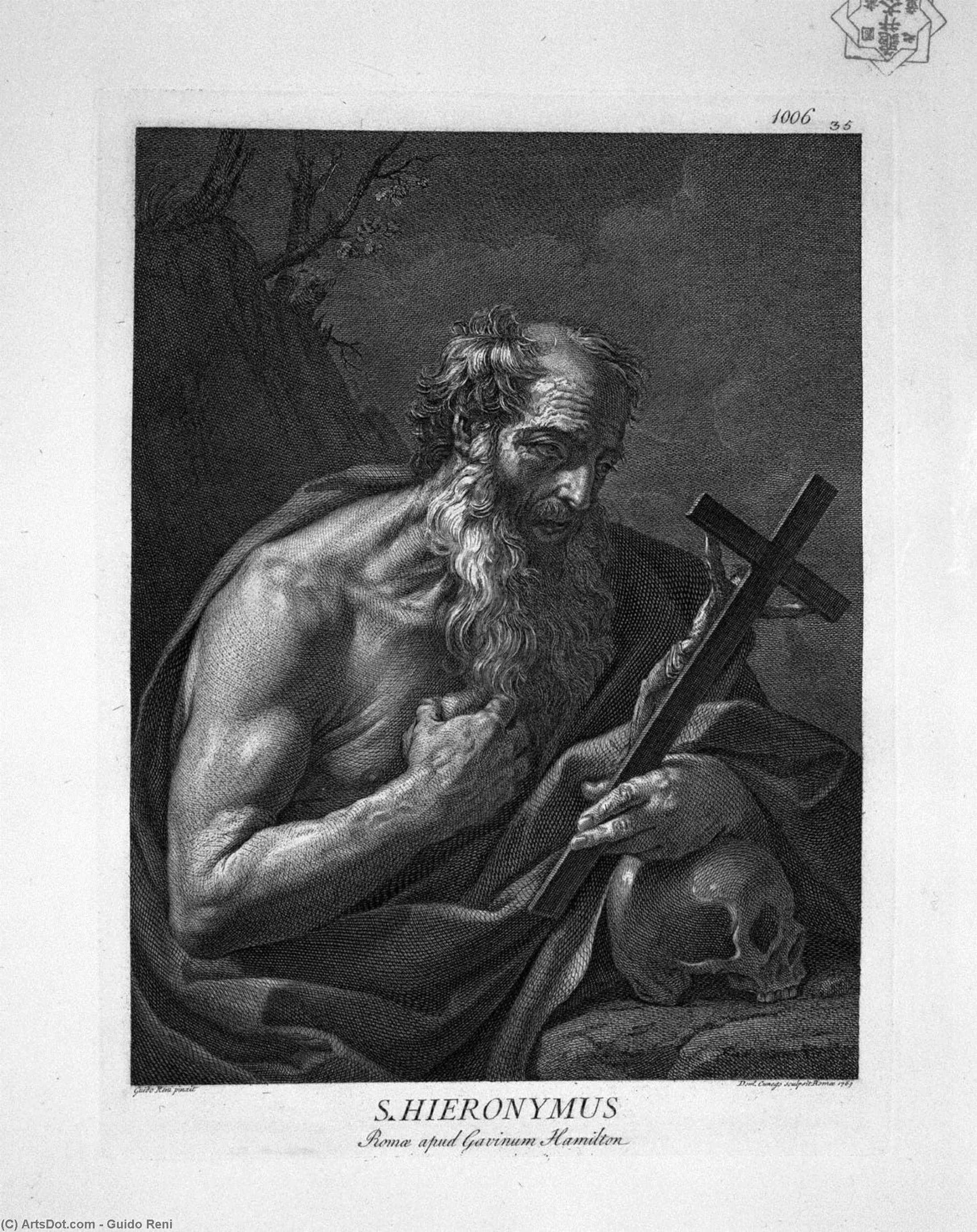
St Jerome
 Oil On Canvas
- WallArt
- Baroque Painting
 1635
1635 278.0 x 238.0 cm
 Kunsthistorisches Museum
 Weiterlesen
Handgefertigte Ölreproduktion
Handgemaltes Ölgemälde auf Leinwand in Ihrer Wunschgröße und mit Rahmen, auf Bestellung von unseren Künstlern angefertigt. ( Druck bestellen Bild kaufen)




P118B $10

P118H $10

P118W $10

P438Z $10

P508JH $12

P508YH $12

P805H $10

P805Z $10

P919BZ $10

P919G $10

P919XJ $10

P959ZH $10

P968JZ $12

W106C $8

W218G $10

W218JH $8

W218Y $10

W307PJ $10

W316G $10

W316PJ $8

W316Y $10

W398PJ $8

W4111J $10

W500HY $15

W500JH $15

W692G $12

W849H $8

W940BG $15

W953PJ $8




Wählen Sie aus unseren vordefinierten Formaten, die den ursprünglichen Proportionen des Kunstwerks entsprechen.

Sie können Ihre eigenen Maße eingeben, um einen bestimmten Rahmen oder Platz auszufüllen. Wenn die gewählte Größe nicht den Proportionen des Originalbildes entspricht, werden wir das Kunstwerk entweder beschneiden oder das Gemälde durch zusätzliche, handgemalte Elemente erweitern. Ein digitales Mockup wird Ihnen zur Genehmigung zugesandt, bevor die Produktion beginnt.
Bitte beachten Sie, dass die Bildschirmvorschau nicht die tatsächliche Beschneidung oder Erweiterung widerspiegelt. Nur das Mockup zeigt die endgültige Komposition exakt an.
Obwohl Sondermaße verfügbar sind, empfehlen wir, eine Größe aus der vordefinierten Liste zu wählen, um die ursprünglichen Proportionen beizubehalten.
Nach der Bestellung wird das OriginalUniqueArt.com-Team dem Kunden Anweisungen per E-Mail zusenden und eine Mockup-Vorschau bereitstellen.
Weltweiter Versand () in nur 3 bis 4 Wochen statt der üblichen 5 Wochen. (21 August). Keine Kompromisse bei der Qualität.

Kostenloser weltweiter Expressversand

Hochwertige Leinenleinwand

Umfassender Versicherungsschutz beim Versand

Zollgebühren-Rückerstattungsgarantie

Garantie für exakte Farbtreue

60 Tage Rückgaberecht (nur bei Mängeln)

100% Geld-zurück-Garantie

Mengenrabatt verfügbar
 Die Glasoption ist nur für Größen unter 110 cm verfügbar.

St Jerome
Art der Reproduktion
Format der Reproduktion
-


Gesamtpreis
$ 300
Beschreibung des Kunstwerks
A Portrait of Contemplation: Guido Reni’s St. Jerome
Guido Reni's "St. Jerome," painted around 1635, is more than just a depiction of a revered biblical figure; it’s an immersive experience in solemnity and profound introspection. Rendered with the meticulous detail characteristic of the Baroque period, this oil on canvas work transports the viewer into the heart of St. Jerome's solitary existence – a life dedicated to prayer, translation, and wrestling with the weighty questions of faith and mortality. Reni, known as “Le Guide” (the Guide) for his masterful guidance in artistic technique, skillfully employs light and shadow to sculpt the figure’s form, creating an almost palpable sense of age and wisdom.
The painting's composition is deceptively simple yet profoundly effective. St. Jerome dominates the central space, his posture conveying a deep-seated contemplation. His hands, gnarled with age, rest upon a worn book – a symbol of his tireless work in translating the Holy Scriptures into Latin, a monumental task that cemented his place in Christian history. A stark skull rests at his feet, a potent reminder of human frailty and the inevitability of death, a visual anchor to the spiritual themes explored within the artwork. The background, rendered with subtle atmospheric perspective, suggests a vast, desolate landscape – mirroring the saint’s own internal journey.
Baroque Mastery: Technique and Detail
Reni's technical prowess is immediately evident in the painting’s exquisite detail. He masterfully utilizes *hatching* and *cross-hatching*, layering thin lines to build up tonal values and create a remarkable sense of texture, particularly in the folds of St. Jerome’s robe and the rough surface of his face. The artist's command of light is equally impressive; it falls dramatically across the figure, highlighting key features while casting deep shadows that emphasize his age and solitude. The use of *chiaroscuro* – the dramatic contrast between light and dark – not only adds depth but also imbues the scene with a sense of theatrical intensity.
The painting was executed in the manner of an engraving, utilizing metal plates and intricate carving techniques to achieve the precise lines that define the image. This method allowed for exceptional detail and clarity, hallmarks of Reni’s style. The careful rendering of St. Jerome's facial features – the furrowed brow, the deeply etched wrinkles, the piercing gaze – speaks volumes about his inner turmoil and unwavering devotion.
Symbolism and Spiritual Depth
Beyond its technical brilliance, “St. Jerome” is rich in symbolic meaning. The book represents not just the Bible but also the arduous process of intellectual and spiritual labor. The skull serves as a constant reminder of mortality and the importance of living a virtuous life. The cross, prominently displayed on St. Jerome’s arm, signifies his sacrifice and devotion to God. Furthermore, the saint's solitary pose reflects the contemplative nature of monastic life and the pursuit of inner peace.
The painting resonates with themes of repentance, faith, and the struggle between earthly desires and spiritual aspirations – core tenets of Christian theology. Reni’s portrayal of St. Jerome is not simply a portrait; it's an invitation to contemplate one’s own relationship with faith and mortality, offering a timeless meditation on the human condition.
A Legacy of Elegance: Context and Influence
Guido Reni was a pivotal figure in the development of Baroque painting in Italy. His work exemplifies the period's emphasis on realism, dramatic composition, and emotional intensity. He drew inspiration from both classical antiquity and the works of his contemporaries, particularly the Carracci brothers, while forging his own distinctive style characterized by elegance, refinement, and a profound sense of spirituality.
“St. Jerome” stands as a testament to Reni’s artistic skill and his ability to imbue religious subjects with both intellectual depth and emotional resonance. Reproductions of this powerful image continue to captivate viewers today, offering a glimpse into the world of 17th-century Italian art and inviting us to contemplate the enduring themes of faith, mortality, and the human spirit.
Über den Künstler
Guido Reni (Der Führer): Leben und Werk
Frühes Leben und Ausbildung
Guido Reni, auch bekannt als Der Führer, wurde 1575 in Bologna, Italien, geboren. Er war das einzige Kind von Daniele Reni, einem Musiker, und Ginevra Pozzi, ebenfalls aus einer musikalischen Familie. Diese Erziehung vermittelte ihm eine Wertschätzung für Harmonie und Form, die seinen späteren künstlerischen Stil beeinflusste. Bereits im Alter von neun Jahren begann Guido unter Denis Calvaert, einem flämischen Maler, der in Bologna arbeitete, seine Ausbildung. Er studierte zusammen mit anderen aufstrebenden Künstlern Albani und Domenichino und legte so ein solides Fundament in klassischen Prinzipien.
Künstlerische Karriere und Entwicklung
Renis künstlerische Karriere erstreckte sich über mehrere italienische Städte, darunter Rom, Neapel und seine Heimat Bologna. Seine frühen Werke zeigten den Einfluss von Calvaert und den Carracci-Brüdern und betonten anatomische Genauigkeit und dramatische Komposition. Reni entwickelte jedoch schnell einen eigenen, unverwechselbaren Stil, der durch seinen eleganten Klassizismus, seine raffinierte Technik und seine emotionale Intensität geprägt war. Er wurde zu einer dominierenden Figur in der Bologneser Schule, die für ihren Schwerpunkt auf akademischer Ausbildung und idealisierten Formen bekannt ist.
Wichtige Einflüsse
- Denis Calvaert: Renis erster Lehrer vermittelte ihm eine solide Grundlage in flämischen Maltechniken.
- Die Carracci-Familie (Annibale, Agostino, Ludovico): Ihr Schwerpunkt auf klassischer Kunst und anatomischem Studium hatte einen tiefgreifenden Einfluss auf seine künstlerische Entwicklung.
- Raphael: Reni bewunderte Raphael’s Anmut und harmonischen Kompositionen sehr, die sich in vielen seiner Werke zeigen.
Wichtige Werke und Künstlerischer Stil
Renis Œuvre umfasst eine breite Palette von Themen, darunter religiöse Szenen, mythologische Erzählungen und allegorische Darstellungen. Zu seinen bekanntesten Werken gehören:
- Apollo auf dem Sonnenschleifenkutsche (Albertina, Wien): Eine dynamische Zeichnung, die Renis Meisterschaft im Barockstil demonstriert.
- Jakob der Große: Zeigt seine Fähigkeit, religiösen Eifer und menschliche Emotion einzufangen.
- Atalanta und Hippomenes (Palast von Capodimonte, Neapel): Ein Beispiel für seine mythologischen Gemälde, die durch elegante Figuren und dramaturgische Erzählungen gekennzeichnet sind.
- Jakobus der Weise: Zeigt Renis Fähigkeit, Komposition mit emotionaler Tiefe in Einklang zu bringen.
- Tarantella (Palast von Capodimonte, Neapel): Illustriert seinen Einfluss auf die italienische Volkstanzkultur.
Renis Stil wird oft als eklektischer Klassizismus beschrieben. Er verband die Präzision der klassischen Kunst mit der Dynamik und Emotion des Barock. Seine Figuren sind typischerweise idealisiert, besitzen eine serene Schönheit und elegante Bewegung.
Historische Bedeutung und Vermächtnis
Guido Reni spielte eine entscheidende Rolle bei der Gestaltung der Entwicklung des Hochbarocks in Italien. Er beeinflusste Generationen von Künstlern mit seiner raffinierten Technik, seinen eleganten Kompositionen und seiner emotionalen Tiefe. Seine Werke befinden sich in bedeutenden Museen auf der ganzen Welt, darunter der Palast Capodimonte in Neapel. Renis Vermächtnis reicht über die Malerei hinaus; er war auch ein Dichter und eine angesehene intellektuelle Persönlichkeit seiner Zeit.
Seine Kunst inspiriert bis heute Künstler und Kunstliebhaber, wodurch er seinen Platz als einer der wichtigsten Maler des 17. Jahrhunderts gefestigt hat. Sein Einfluss ist in späteren Barockkünstlern zu sehen, die versuchten, seine Anmut und emotionale Kraft nachzuahmen.
Tod
Guido Reni starb 1642 in Bologna und hinterließ ein reiches künstlerisches Vermächtnis, das das Publikum Jahrhunderte später weiterhin fesselt.

Reni Guido (Le Guide)
1575 - 1642 , Italien
Kurzinfos
- Artistic Movement Or Style: Hochbarock
- Artists Who Influenced This Artist:
- Denis Calvaert
- Die Carracci Familie
- Date Of Birth: 1575
- Full Name: Guido Reni
- Nationality: Italienisch
- Notable Artworks:
- Apollo auf dem Sonnenwagen
- Saint James der Größere
- Atalanta und Hippomenes
- Saint Jerome
- Tarantella
- Place Of Birth: Bologna, Italien
Ähnliche Artikel
Guido Reni: Meister des Barockklassizismus und die Perfektion künstlerischer Vollendung
Entdecken Sie Guido Renis Meisterwerke und die faszinierende Welt des Barockklassizismus. Expertenanalyse seiner Technik, Ikonografie & seines Einflusses auf die Kunstgeschichte. Jetzt lesen!

The Dramatic Flourish: Exploring the Baroque Movement's Enduring Legacy in Art History
Explore the dramatic world of Baroque art! Discover iconic artists like Caravaggio & Rubens, defining techniques, and its lasting impact on art history. Expert insights for collectors & enthusiasts at OriginalUniqueArt.

The Enduring Power of Painting: A Historical & Contemporary Exploration of Form and Emotion
Explore the rich history & enduring techniques of oil painting with OriginalUniqueArt. Discover masterpieces, learn about art collecting, and find authentic handmade reproductions crafted by skilled artists.
The Dramatic Flourish: Exploring Themes of Power, Faith & Emotion in Baroque Artworks
Explore the dramatic world of Baroque art! Discover masters like Zurbarán & the powerful influence of religious zeal on painting techniques. Expert insights for collectors and enthusiasts.

Barocke Pracht: Wie Sie Opulenz und Emotionen in zeitgenössische Innenräume bringen
Entdecken Sie die Pracht des Barock! Expertenratgeber für luxuriöse Innenräume mit barocken Elementen. Inspiration, Tipps & hochwertige Kunst bei .



