Vorschau anzeigen
 Versenden
 Teilen
 Details anzeigen

 Herunterladen
 Ähnliche Objekte
 Röntgenaufnahme
 Diashow
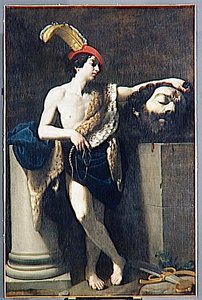
LA PURIFICATION DE LA VIERGE


 Weiterlesen
Giclée / Kunstdruck
Giclée- oder Leinwanddruck in Museumsqualität mit schneller Produktion und flexiblen Veredelungsoptionen. ( Handgemalte Reproduktion bestellen Bild kaufen)




P118B $10

P118H $10

P118W $10

P438Z $10

P508JH $12

P508YH $12

P805H $10

P805Z $10

P919BZ $10

P919G $10

P919XJ $10

P959ZH $10

P968JZ $12

W106C $8

W218G $10

W218JH $8

W218Y $10

W307PJ $10

W316G $10

W316PJ $8

W316Y $10

W398PJ $8

W4111J $10

W500HY $15

W500JH $15

W692G $12

W849H $8

W940BG $15

W953PJ $8




Wählen Sie aus unseren vordefinierten Formaten, die den ursprünglichen Proportionen des Kunstwerks entsprechen.

Sie können Ihre eigenen Maße eingeben, um ein bestimmtes Format oder einen speziellen Platz einzupassen. Wenn das von Ihnen gewählte Format nicht den Proportionen des Originalbildes entspricht, werden wir das Kunstwerk entweder beschneiden oder das Bild mit einem gespiegelten oder einfarbigen Rand erweitern. Ein digitaler Entwurf wird Ihnen zur Genehmigung zugesandt, bevor die Produktion beginnt.
Bitte beachten Sie, dass die Vorschau auf dem Bildschirm nicht den tatsächlichen Zuschnitt oder die Erweiterung widerspiegelt. Nur der Entwurf zeigt die endgültige Komposition präzise an.
Obwohl Sondermaße verfügbar sind, empfehlen wir die Auswahl eines Maßes aus der vordefinierten Liste, um die ursprünglichen Proportionen zu bewahren.
Weltweiter Versand () innerhalb von 2 Wochen statt der üblichen 4/5 Wochen. (23 August)

Kostenloser weltweiter Expressversand

Hochwertige Leinenleinwand

Umfassender Versicherungsschutz beim Versand

Zollgebühren-Rückerstattungsgarantie

Garantie für exakte Farbtreue

60 Tage Rückgaberecht (nur bei Mängeln)

100% Geld-zurück-Garantie

Mengenrabatt verfügbar
 Die Glasoption ist nur für Größen unter 110 cm verfügbar.

LA PURIFICATION DE LA VIERGE
Giclée / Kunstdruck
Format der Reproduktion
-


Gesamtpreis
$ 80
Sammlerstück-Beschreibung
The Purification of the Virgin – A Baroque Tapestry of Faith and Grace
Guido Reni’s “Purification of the Virgin” is more than just a painting; it's an immersive experience, a carefully orchestrated tableau vivant that transports the viewer to a moment of profound spiritual significance. Completed around 1625-1650 during the height of the Baroque period, this masterpiece resides within the Louvre Museum in Paris, a testament to Reni’s mastery of classical composition and his ability to infuse religious subject matter with an intense emotional resonance. The scene depicts a pivotal biblical event – the Purification of Mary after the birth of Jesus – rendered not as a stark narrative but as a luminous, almost ethereal meditation on faith, humility, and divine grace.
Reni’s style is immediately recognizable: a refined elegance tempered by dramatic intensity. He eschews the overly theatrical gestures common in some Baroque works, instead favoring a balanced composition and a subtle use of light and shadow. The figures are idealized, possessing a classical beauty that elevates them beyond mere mortals. Yet, there's an undeniable sense of humanity – Mary’s expression is one of serene acceptance, while the young Christ radiates innocence and vulnerability. The architectural setting, reminiscent of a Romanesque church interior, provides a stable foundation for the unfolding drama, grounding the scene in a tangible reality.
A Symphony of Color and Light
The painting’s palette is dominated by warm, earthy tones – ochres, siennas, and reds – creating an atmosphere of intimacy and reverence. These rich hues are skillfully contrasted with cooler blues and whites, particularly in the drapery and the figures' garments, adding depth and luminosity to the scene. Reni masterfully employs glazing techniques, layering thin washes of color over each other to achieve a remarkable sense of texture and vibrancy. The light itself seems to emanate from within the painting, bathing the figures in a soft, diffused glow that evokes a feeling of holiness. Note how the light catches the folds of Mary’s robe, highlighting her posture and conveying a sense of dignity and grace.
The composition is meticulously arranged, guiding the viewer's eye through the scene with a clear narrative flow. The central focus is undeniably on the Virgin Mary, presented as a figure of profound piety and maternal love. Her youthful beauty and serene expression are juxtaposed against the presence of the elderly man, presumably John the Baptist, holding aloft a cloth used to purify the infant Jesus. This detail underscores the significance of the ritual and emphasizes the importance of cleansing and renewal within the Christian faith. The surrounding figures – priests, attendants, and onlookers – contribute to the overall sense of solemnity and devotion, creating a dynamic tableau that captures a pivotal moment in biblical history.
Symbolism Woven into the Fabric
“The Purification of the Virgin” is rich with symbolic meaning. The cloth used for purification represents not only physical cleansing but also spiritual purification – a metaphor for the removal of sin and the attainment of grace. Mary’s posture, kneeling in prayer, embodies humility and submission to God's will. The presence of John the Baptist, a figure associated with repentance and baptism, further reinforces this theme. Even the architectural setting—a grand church interior—symbolizes the sacredness of the event and the connection between earthly and divine realms.
The painting’s historical context is equally important to understanding its significance. Created during the Counter-Reformation, a period of intense religious reform within the Catholic Church, “The Purification of the Virgin” reflects the renewed emphasis on piety, devotion, and artistic representation of biblical narratives. Reni's work served as a powerful visual tool for communicating Christian teachings and inspiring faith among a largely illiterate population.
A Timeless Masterpiece – Reproduction Possibilities
Today, “The Purification of the Virgin” stands as a testament to Guido Reni’s artistic genius and his ability to capture the essence of religious devotion. Its enduring appeal lies in its harmonious composition, masterful use of color and light, and profound symbolic depth. High-quality reproductions are now available through various channels, offering art lovers the opportunity to bring this timeless masterpiece into their homes or offices. Whether you choose a vibrant giclee print, a luxurious canvas reproduction, or a meticulously framed artwork, you can experience the beauty and spiritual power of Reni’s “Purification of the Virgin” in your own space.
Über den Künstler
Guido Reni (Der Führer): Leben und Werk
Frühes Leben und Ausbildung
Guido Reni, auch bekannt als Der Führer, wurde 1575 in Bologna, Italien, geboren. Er war das einzige Kind von Daniele Reni, einem Musiker, und Ginevra Pozzi, ebenfalls aus einer musikalischen Familie. Diese Erziehung vermittelte ihm eine Wertschätzung für Harmonie und Form, die seinen späteren künstlerischen Stil beeinflusste. Bereits im Alter von neun Jahren begann Guido unter Denis Calvaert, einem flämischen Maler, der in Bologna arbeitete, seine Ausbildung. Er studierte zusammen mit anderen aufstrebenden Künstlern Albani und Domenichino und legte so ein solides Fundament in klassischen Prinzipien.
Künstlerische Karriere und Entwicklung
Renis künstlerische Karriere erstreckte sich über mehrere italienische Städte, darunter Rom, Neapel und seine Heimat Bologna. Seine frühen Werke zeigten den Einfluss von Calvaert und den Carracci-Brüdern und betonten anatomische Genauigkeit und dramatische Komposition. Reni entwickelte jedoch schnell einen eigenen, unverwechselbaren Stil, der durch seinen eleganten Klassizismus, seine raffinierte Technik und seine emotionale Intensität geprägt war. Er wurde zu einer dominierenden Figur in der Bologneser Schule, die für ihren Schwerpunkt auf akademischer Ausbildung und idealisierten Formen bekannt ist.
Wichtige Einflüsse
- Denis Calvaert: Renis erster Lehrer vermittelte ihm eine solide Grundlage in flämischen Maltechniken.
- Die Carracci-Familie (Annibale, Agostino, Ludovico): Ihr Schwerpunkt auf klassischer Kunst und anatomischem Studium hatte einen tiefgreifenden Einfluss auf seine künstlerische Entwicklung.
- Raphael: Reni bewunderte Raphael’s Anmut und harmonischen Kompositionen sehr, die sich in vielen seiner Werke zeigen.
Wichtige Werke und Künstlerischer Stil
Renis Œuvre umfasst eine breite Palette von Themen, darunter religiöse Szenen, mythologische Erzählungen und allegorische Darstellungen. Zu seinen bekanntesten Werken gehören:
- Apollo auf dem Sonnenschleifenkutsche (Albertina, Wien): Eine dynamische Zeichnung, die Renis Meisterschaft im Barockstil demonstriert.
- Jakob der Große: Zeigt seine Fähigkeit, religiösen Eifer und menschliche Emotion einzufangen.
- Atalanta und Hippomenes (Palast von Capodimonte, Neapel): Ein Beispiel für seine mythologischen Gemälde, die durch elegante Figuren und dramaturgische Erzählungen gekennzeichnet sind.
- Jakobus der Weise: Zeigt Renis Fähigkeit, Komposition mit emotionaler Tiefe in Einklang zu bringen.
- Tarantella (Palast von Capodimonte, Neapel): Illustriert seinen Einfluss auf die italienische Volkstanzkultur.
Renis Stil wird oft als eklektischer Klassizismus beschrieben. Er verband die Präzision der klassischen Kunst mit der Dynamik und Emotion des Barock. Seine Figuren sind typischerweise idealisiert, besitzen eine serene Schönheit und elegante Bewegung.
Historische Bedeutung und Vermächtnis
Guido Reni spielte eine entscheidende Rolle bei der Gestaltung der Entwicklung des Hochbarocks in Italien. Er beeinflusste Generationen von Künstlern mit seiner raffinierten Technik, seinen eleganten Kompositionen und seiner emotionalen Tiefe. Seine Werke befinden sich in bedeutenden Museen auf der ganzen Welt, darunter der Palast Capodimonte in Neapel. Renis Vermächtnis reicht über die Malerei hinaus; er war auch ein Dichter und eine angesehene intellektuelle Persönlichkeit seiner Zeit.
Seine Kunst inspiriert bis heute Künstler und Kunstliebhaber, wodurch er seinen Platz als einer der wichtigsten Maler des 17. Jahrhunderts gefestigt hat. Sein Einfluss ist in späteren Barockkünstlern zu sehen, die versuchten, seine Anmut und emotionale Kraft nachzuahmen.
Tod
Guido Reni starb 1642 in Bologna und hinterließ ein reiches künstlerisches Vermächtnis, das das Publikum Jahrhunderte später weiterhin fesselt.

Reni Guido (Le Guide)
1575 - 1642 , Italien
Kurzinfos
- Artistic Movement Or Style: Hochbarock
- Artists Who Influenced This Artist:
- Denis Calvaert
- Die Carracci Familie
- Date Of Birth: 1575
- Full Name: Guido Reni
- Nationality: Italienisch
- Notable Artworks:
- Apollo auf dem Sonnenwagen
- Saint James der Größere
- Atalanta und Hippomenes
- Saint Jerome
- Tarantella
- Place Of Birth: Bologna, Italien
Ähnliche Artikel
Guido Reni: Meister des Barockklassizismus und die Perfektion künstlerischer Vollendung
Entdecken Sie Guido Renis Meisterwerke und die faszinierende Welt des Barockklassizismus. Expertenanalyse seiner Technik, Ikonografie & seines Einflusses auf die Kunstgeschichte. Jetzt lesen!

The Dramatic Flourish: Exploring the Baroque Movement's Enduring Legacy in Art History
Explore the dramatic world of Baroque art! Discover iconic artists like Caravaggio & Rubens, defining techniques, and its lasting impact on art history. Expert insights for collectors & enthusiasts at OriginalUniqueArt.

Baroque Classicism: The Grandeur of Order and Drama in 17th-Century Art History
Explore the profound elegance of Baroque Classicism. Discover how 17th-century masters synthesized dramatic emotion with classical order through the lens of the Counter-Reformation and the works of legends like Carlo Maratta and Andrea Sacchi.

Barocke Pracht: Wie Sie Opulenz und Emotionen in zeitgenössische Innenräume bringen
Entdecken Sie die Pracht des Barock! Expertenratgeber für luxuriöse Innenräume mit barocken Elementen. Inspiration, Tipps & hochwertige Kunst bei .

Barock Meisterwerke: Die 10 prägendsten Kunstwerke für Ihr Zuhause |
Entdecken Sie die 10 prägendsten Meisterwerke des Barock! Caravaggio, Rembrandt & Co. – Erfahren Sie die Geschichten hinter ikonischen Gemälde und finden Sie hochwertige Kunst Reproduktionen für Ihr Zuhause auf .