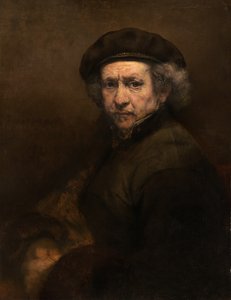
![Selbstbildnis [1640] — Rembrandt Van Rijn](/media/artworks/images-full/8e/b0/8eb0edc63fec4ce640579887ab8f791d.jpg)
 Vorschau anzeigen
 Versenden
 Teilen
 Details anzeigen
 Leitfaden

 Herunterladen
 Ähnliche Objekte
 Röntgenaufnahme
 Diashow
 Fragen & Antworten
 Statistiken
Selbstbildnis [1640]


 Weiterlesen
Giclée / Kunstdruck
Giclée- oder Leinwanddruck in Museumsqualität mit schneller Produktion und flexiblen Veredelungsoptionen. ( Handgemalte Reproduktion bestellen Zum digitalen Bild wechseln)




P118B €10

P118H €10

P118W €10

P438Z €10

P508JH €12

P508YH €12

P805H €10

P805Z €10

P919BZ €10

P919G €10

P919XJ €10

P959ZH €10

P968JZ €12

W106C €8

W218G €10

W218JH €8

W218Y €10

W307PJ €10

W316G €10

W316PJ €8

W316Y €10

W398PJ €8

W4111J €10

W500HY €15

W500JH €15

W692G €12

W849H €8

W940BG €15

W953PJ €8




Wählen Sie aus unseren vordefinierten Formaten, die den ursprünglichen Proportionen des Kunstwerks entsprechen.

Geben Sie die benötigte Breite und Höhe an, damit der Druck perfekt in Ihren Rahmen oder an Ihre Wand passt. Ein Druck kann nur beschnitten, aber niemals größer als das Originalbild angefertigt werden; daher verliert ein Format mit anderen Proportionen einen Teil des Bildes. Wir senden Ihnen ein digitales Mockup zur Freigabe, bevor wir den Druck ausführen. Das auf dieser Seite gezeigte Bild zeigt nicht den tatsächlichen Beschnitt – dies ist nur im Mockup ersichtlich.
Weltweiter Versand () innerhalb von 2 Wochen statt der üblichen 4/5 Wochen. (8 November)

Kostenloser weltweiter Expressversand

Hochwertige Leinenleinwand

Umfassender Versicherungsschutz beim Versand

Zollgebühren-Rückerstattungsgarantie

Garantie für exakte Farbtreue

100 Tage Rückgaberecht (nur bei Mängeln)

100% Geld-zurück-Garantie

Mengenrabatt verfügbar
 Die Glasoption ist nur für Größen unter 110 cm verfügbar.
![Selbstbildnis [1640]](/static/images/originaluniqueart/artworks/painting.a1e74a1cb7dc.png)
Selbstbildnis [1640]
Giclée / Kunstdruck
Format der Reproduktion
-


Endpreis
€ 72
Rembrandt’s Self-Portrait: A Window Into Genius
Rembrandt Harmenszoon van Rijn (1606–1669) stands as one of the titans of Dutch Baroque art, a painter whose profound understanding of light and shadow—and his unflinching gaze into the human psyche—continues to captivate audiences centuries later. Among his prolific output, *Self-Portrait at the Age of 34*, executed in 1640, remains arguably his most iconic achievement, offering an unparalleled glimpse into the artist’s inner world and cementing his legacy as a master of self-representation. This painting transcends mere likeness; it embodies Rembrandt's artistic philosophy—a relentless pursuit of truthfulness and emotional resonance—making it a cornerstone of Western art history.- Composition & Technique: The portrait is dominated by a masterful use of chiaroscuro, Rembrandt’s signature technique that employs dramatic contrasts between light and dark to sculpt form and convey mood. Notice how the artist meticulously renders the subtle gradations of tone on his face and clothing, creating an illusionistic depth that draws the viewer into the scene. Rembrandt skillfully employed oil paint—a medium favored by artists of the era—allowing for rich colors and nuanced textures.
- Symbolism & Context: Beyond its technical brilliance, *Self-Portrait at the Age of 34* is laden with symbolic significance. The artist’s gaze directs firmly toward the viewer, establishing a confrontational dialogue that speaks to themes of introspection and vulnerability. The inclusion of his wife Saskia van Uylenburgh—seated calmly in the background—represents domestic tranquility amidst the turbulent backdrop of Rembrandt's life at this pivotal moment.
- Historical Significance: Painted during Rembrandt’s formative years, *Self-Portrait at the Age of 34* reflects the artistic currents of the Baroque period, characterized by grandeur and emotional intensity. It stands alongside masterpieces by Rubens and Caravaggio—artists who similarly explored psychological depth and dramatic visual effects—demonstrating Rembrandt's position as a leading innovator within his time.
- Emotional Impact: The painting’s enduring appeal lies in its ability to evoke profound emotions. Rembrandt captures not just physical appearance but also the artist’s inner state—a blend of confidence, melancholy, and contemplation—creating an image that resonates with viewers across generations. It is a testament to Rembrandt's skill as a storyteller, conveying complex ideas through simple visual cues.
Exploring Rembrandt’s Artistic Vision
Rembrandt’s approach to portraiture was revolutionary for its time. Unlike earlier artists who prioritized idealized beauty—often striving for unattainable perfection—Rembrandt sought to depict his subjects with unflinching honesty, capturing their physical imperfections alongside their psychological complexities. This commitment to realism—combined with his masterful manipulation of light and shadow—established Rembrandt as a pioneer of Baroque art and profoundly influenced subsequent generations of painters. His relentless experimentation with technique—including the use of impasto brushstrokes—further enriched the expressive power of his canvases.- Influence on Later Artists: Rembrandt’s influence extended far beyond his own lifetime, inspiring artists across Europe to embrace dramatic visual effects and psychological depth in their work. Painters such as Johannes Vermeer and Frans Hals adopted Rembrandt's chiaroscuro technique—creating luminous interiors and capturing fleeting expressions of emotion with remarkable precision.
- The Artist’s Self-Reflection: Rembrandt’s self-portraits served not only as artistic demonstrations but also as profound meditations on identity and mortality. He meticulously documented his physical transformations over time—capturing the marks of age, illness, and experience—creating images that confront viewers with uncomfortable truths about human existence.
- Legacy Beyond Painting: Rembrandt’s legacy transcends the realm of painting, permeating literature and music as well. Writers such as William Shakespeare drew inspiration from Rembrandt's psychological insights—exploring themes of ambition, guilt, and redemption in their dramatic narratives. Composers like Johann Sebastian Bach incorporated Rembrandt’s visual motifs into musical compositions—creating evocative soundscapes that mirrored the artist’s emotional landscape.
A Timeless Masterpiece: *Self-Portrait at the Age of 34* Today
Today, *Self-Portrait at the Age of 34* resides in The National Gallery, London—a testament to Rembrandt's enduring artistic brilliance and its continued fascination for art historians and collectors alike. Its luminous palette—dominated by warm browns and yellows—captures the artist’s gaze with unwavering intensity—drawing viewers into a dialogue that transcends time. Reproductions of this iconic painting adorn homes and galleries worldwide—serving as reminders of Rembrandt’s unparalleled mastery of technique and his profound understanding of human emotion. As you contemplate this masterpiece, consider not merely its visual beauty but also its symbolic depth—a window into the mind of one of history's greatest artists.Fragen & Antworten
Welche Atmosphäre würde eine Reproduktion von "Selbstbildnis [1640]" von Rembrandt van Rijn in einen Raum bringen?
Die Dramatisch Atmosphäre von "Selbstbildnis [1640]" von Rembrandt van Rijn passt perfekt zu dem empfohlenen Ort: einem Wohnbereich.
Ist "Selbstbildnis [1640]" von Rembrandt van Rijn gemeinfrei?
Was das Urheberrecht betrifft, so ist "Selbstbildnis [1640]" gemeinfrei – das Urheberrecht ist abgelaufen.
Welche emotionale Stimmung prägt den Stil der Baroque-Epoche in „Selbstbildnis [1640]“?
Die Melancholisch Ausstrahlung von „Selbstbildnis [1640]“ wird durch seinen Baroque-Stil ergänzt.
Künstlerbiografie
Rembrandt van Rijn: Leben & Erbe
Frühes Leben und Ausbildung (1606-1625)
- Rembrandt Harmenszoon van Rijn wurde am 15. Juli 1606 in Leiden, Niederlande – einem geschäftigen Zentrum der Holländischen Republik im Goldenen Zeitalter – geboren.
- Sein Vater, Harmen Gerritszoon van Rijn, war Müller, und seine Mutter, Neeltgen Willemsdochter van Zuytbrouck, stammte aus einer Familie von Bäckerinnen. Dies ermöglichte Rembrandt den Zugang zur Bildung an der Lateinschule in Leiden.
- Um 1620 begann er eine Lehre bei Jacob van Swanenburg in Leiden.
- Ein entscheidender sechsmonatiger Zeitraum (1624) wurde unter Pieter Lastman in Amsterdam verbracht, dessen dramatische Verwendung von Licht und Schatten Rembrandts frühe Arbeit nachhaltig beeinflusste.
- Nach seiner Rückkehr nach Leiden gründete er um 1625 sein eigenes Atelier, das er mit dem Künstler Jan Lievens teilte.
Früher Karriere und Umzug nach Amsterdam (1625-1642)
- Rembrandt erlangte schnell in Leiden Anerkennung für seine historischen Gemälde und Porträts.
- Im Jahr 1629 profitierte er vom Gönnertum von Constantijn Huygens und erhielt Aufträge vom Haagischen Hof – ein Wendepunkt in seiner Karriere.
- Er zog 1631 nach Amsterdam und wurde als erfolgreicher Porträtist tätig, der wohlhabende Kunden anzog.
- Im Jahr 1634 heiratete er Saskia van Uylenburgh, die Tochter eines einflussreichen Juristen und Bürgermeisters, wodurch er gesellschaftlichen Einfluss und anfängliche finanzielle Stabilität erlangte.
Künstlerische Entwicklung und Stil
- Rembrandts künstlerische Entwicklung war durch ständige Experimente gekennzeichnet. Er ging von idealisierten Formen ab zu realistischen und emotional ausdrucksstarken Darstellungen.
- Frühes Zeitalter (ca. 1625-1635): Geprägt von detaillierter Realismus und dem Einfluss von Lastman.
- Reifes Zeitalter (ca. 1635-1650er): Charakterisiert durch die meisterhafte Verwendung von *Chiaroscuro* – dramatischem Licht und Schatten, das psychische Tiefe erzeugt. Seine Pinselstrichführung wurde lockerer und vermittelte Textur und Emotion.
- Spätes Zeitalter (ca. 1650er-1669): Eine Rückkehr zu einer gedämpfteren Farbpalette, die sich auf intime Porträts und biblische Szenen konzentrierte, die persönliche Kämpfe und spirituelle Reflexionen widerspiegeln.
Wichtige Werke und Leistungen
- Die Anatomie-Vorlesung von Dr. Nicolaes Tulp (1632): Pionierhaftes Gruppenporträt, das menschliche Anatomie und Persönlichkeit zeigt.
- Belshazzars Festmahl (1635): Dramatische biblische Szene, die meisterhafte Verwendung von Licht, Schatten und Komposition demonstriert.
- Die Wache (1642) – offiziell Militärkompanie des Bezirks II unter dem Kommando von Kapitän Frans Banninck Cocq: Ein dynamisches Gruppenporträt, das das Genre mit innovativer Komposition und Beleuchtung neu definierte.
- Selbstporträts: Ungefähr 40 Selbstporträts, die ein einzigartiges visuelles Zeugnis seines Alterns und seiner künstlerischen Vision bieten.
Einflüsse und Vermächtnis
- Italienische Meister: Studierte Werke von Titian, Caravaggio durch Drucke und Reproduktionen.
- Caravaggio: Die dramatische Verwendung von Licht und Schatten hatte einen tiefgreifenden Einfluss auf Rembrandts Stil.
- Niederländische und flämische Künstler: Von zeitgenössischen Künstlern beeinflusst, die in der Holländischen Republik und Flandern wirkten.
- Rembrandt revolutionierte das Porträtmalerei, erhob die Radierung zu einer Kunstform von Rang und erforschte tiefgründige psychologische Themen.
- Trotz persönlicher Tragödien und finanzieller Schwierigkeiten dauerte sein Ruf an. Er gilt heute als Eckpfeiler der holländischen Kunst und als universelles Symbol des künstlerischen Genies.
Historische Bedeutung
- Rembrandts Werk spiegelt den Geist der Holländischen Goldenen Zeit wider – wirtschaftliche Prosperität, intellektuelles Aufblühen und künstlerische Innovation.
- Er erfasste die Essenz dieser Epoche durch Porträts, biblische Szenen, die bei den Zuschauern Anklang fanden, und die Erforschung universeller menschlicher Emotionen.
- Seine Lebensgeschichte – geprägt von Erfolg und Widrigkeiten – hat ihn zu einer faszinierenden Figur in der Kunstgeschichte gemacht. Er bleibt ein dauerhaftes Symbol für Hingabe zum Handwerk, selbst inmitten persönlicher Herausforderungen. Rembrandts Einfluss auf nachfolgende Generationen von Künstlern ist unermesslich.
Rembrandt van Rijn
1606 - 1669 , Niederlande
Kurzinfos
- Beeinflusste Künstler:
- Pieter Lastman
- Caravaggio
- Italienische Meister
- Bemerkenswerte Werke:
- Anatomie-Vorlesung Dr. Tulp
- Belshazzars Festmahl
- Die Nachtwache
- Selbstporträts
- Geburtsdatum: 15. Juli 1606
- Geburtsort: Leiden, Niederlande
- Künstlerische Richtung: Barockmalerei
- Nationalität: Niederländisch
- Sterbedatum: 1669
- Vollständiger Name: Rembrandt van Rijn
Ähnliche Artikel

Rembrandt van Rijn: Licht und Schatten der Seele – Innovation, Emotion und das niederländische Goldene Zeitalter
Entdecken Sie Rembrandts revolutionäre Kunst! Erfahren Sie mehr über das Goldene Zeitalter, die Meisterschaft des Chiaroscuro und seine tiefgründigen Porträts. Expertenwissen & hochwertige Reproduktionen auf OriginalUniqueArt.

Golden Light & Dutch Skies: The Timeless Magic of Dutch Golden Age Landscapes
Discover the breathtaking beauty of Dutch Golden Age landscapes. Explore the mastery of light, chiaroscuro, and 17th-century realism through an expert art history lens, celebrating the enduring legacy of the Dutch Masters for discerning collectors and art lovers.

Die 10 Meisterwerke des Goldenen Zeitalters der niederländischen Malerei |
Entdecken Sie die 10 Meisterwerke des Niederländischen Goldenen Zeitalters! Von Rembrandt bis Vermeer – erleben Sie Kunstgeschichte, Techniken & Emotionen. Hochwertige Gemäldereproduktionen für Ihr Zuhause auf .

Die 10 Meisterwerke der niederländischen Barockmalerei – Kunst für Ihr Zuhause | OriginalUniqueArt
Entdecken Sie die 10 prägendsten Meisterwerke der niederländischen Barockmalerei! Von Rembrandt bis Vermeer – erleben Sie Kunstgeschichte, Techniken & Emotionen. Hochwertige Reproduktionen für Ihr Zuhause auf OriginalUniqueArt.com.

Licht & Schatten: Die 25 größten Meisterwerke von Rembrandt
Entdecke Rembrandts 25 größte Meisterwerke des Barock. Erlebe Licht und Schatten auf OriginalUniqueArt.com – Jetzt die Kollektion entdecken!

![Die Anatomie Vorlesung von Dr. Nicolaes Tulp [1632]](/media/artworks/images-thumb/e5/fc/e5fcb33447eac6b24ab049b22effa1a3.jpg)


