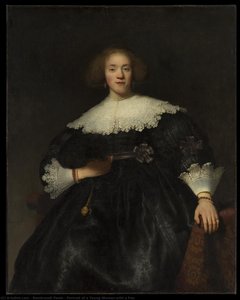
In echtem Maßstab anzeigen
 Versenden als Grußkarte
 Teilen
 Details anzeigen
 Leitfaden öffnen

 Herunterladen
 Ähnliche Objekte
 Röntgenaufnahme
 Diashow
 Besucherstatistiken
Self-portrait


 Mehr anzeigen
Handgefertigte Ölreproduktion
Handgemaltes Ölgemälde auf Leinwand in Ihrer Wunschgröße und mit Rahmen, auf Bestellung von unseren Künstlern angefertigt. ( Zum Druck wechseln Zum digitalen Bild wechseln)




P118B €10

P118H €10

P118W €10

P438Z €10

P508JH €12

P508YH €12

P805H €10

P805Z €10

P919BZ €10

P919G €10

P919XJ €10

P959ZH €10

P968JZ €12

W106C €8

W218G €10

W218JH €8

W218Y €10

W307PJ €10

W316G €10

W316PJ €8

W316Y €10

W398PJ €8

W4111J €10

W500HY €15

W500JH €15

W692G €12

W849H €8

W940BG €15

W953PJ €8




Wählen Sie aus unseren vordefinierten Formaten, die den ursprünglichen Proportionen des Kunstwerks entsprechen.

Geben Sie die Breite und die Höhe an, die Sie für Ihren Rahmen oder Ihre Wand benötigen. Da dieses Werk handgemalt ist, kann der Künstler bei einer anderen Form etwas mehr um das Bild herum malen oder etwas abschneiden – Sie entscheiden. Wir senden Ihnen ein digitales Mockup zur Freigabe, bevor mit dem Malen begonnen wird. Das auf dieser Seite gezeigte Bild stellt nicht das tatsächliche Ergebnis dar – dies tut nur das Mockup.
Nach der Bestellung wird das OriginalUniqueArt.com-Team dem Kunden Anweisungen per E-Mail zusenden und eine Mockup-Vorschau bereitstellen.
Weltweiter Versand () in nur 3 bis 4 Wochen statt der üblichen 5 Wochen. (22 Oktober). Keine Kompromisse bei der Qualität.

Kostenloser weltweiter Expressversand

Hochwertige Leinenleinwand

Vollständiger Versicherungsschutz beim Versand

Zollgebühren-Rückerstattungsgarantie

Garantie für exakte Farbtreue

100-tägiges Rückgaberecht (nur bei Mängeln)

100% Geld-zurück-Garantie

Angebot für Mengenrabatt
 Die Glasoption ist nur für Größen unter 110 cm verfügbar.

Self-portrait
Reproduktionsmedium
Format der Reproduktion
-


Gesamtpreis
€ 263
A Window into the Soul: Rembrandt Peale’s “Self-Portrait”
Rembrandt Peale's "Self-Portrait," executed in 1629, is more than just a likeness; it’s a profound meditation on identity, ambition, and the burgeoning spirit of early America. Created during a period of immense artistic ferment – mirroring the European masters while simultaneously forging a distinctly American style – this etching offers a remarkably intimate glimpse into the mind of a man poised to become a pivotal figure in the nation's cultural landscape. The portrait itself is deceptively simple: a young Peale, dressed in dark attire and adorned with a stylish hat, gazes directly at the viewer with an expression that balances quiet contemplation and determined resolve.
The technical mastery on display is immediately striking. Peale’s skill as an engraver is evident in the meticulous rendering of textures – from the smooth fabric of his coat to the intricate details of his hair. He employs a sophisticated range of hatching and cross-hatching, techniques borrowed from Northern European masters like Rembrandt himself, to create subtle gradations of tone and volume. These lines aren’t merely decorative; they are carefully orchestrated to define form, suggest shadow, and imbue the portrait with a remarkable sense of depth and realism. The stark contrast between light and dark – a hallmark of his style – draws attention to key features, particularly the eyes, which seem to hold both intelligence and vulnerability.
The Legacy of Charles Willson Peale
Understanding “Self-Portrait” requires acknowledging its context within the life and career of Charles Willson Peale. As a painter, museum founder, and ardent naturalist, Peale was deeply invested in promoting art and science to the American public. His ambition wasn’t simply to create beautiful images; he sought to educate, inspire, and foster a sense of national pride through artistic representation. Rembrandt Peale, his son, inherited this legacy, absorbing his father's passion for portraiture and his belief in art’s power to shape society. The young Rembrandt clearly aimed to emulate his father’s success, establishing himself as a leading portraitist within the rapidly evolving American art scene.
The portrait itself can be seen as a deliberate statement of intent – a visual declaration of Peale's artistic aspirations and his commitment to upholding a tradition of excellence. It reflects not only his personal ambitions but also the broader cultural values of the time, where self-representation was increasingly valued as a means of asserting one’s identity and status.
Symbolism and the Portraiture of Identity
While the portrait appears straightforward, it's rich with subtle symbolic elements. The hat, fashionable for the period, suggests sophistication and social standing. The dark clothing, often associated with seriousness and introspection, reinforces the sense of thoughtful contemplation. However, the most compelling aspect is Peale’s gaze – direct and unwavering – which invites a connection between the artist and the viewer. This directness was considered crucial in portraiture; it demanded engagement and fostered a feeling of intimacy.
Furthermore, the oval border framing the image—a common device in portraits of this era—creates a sense of formality and timelessness. It elevates the subject to an almost iconic status, suggesting that Peale intended his self-portrait to be more than just a likeness; it was meant to embody a particular ideal of masculinity and artistic achievement.
A Timeless Masterpiece – Reimagined
Today, “Self-Portrait” stands as a testament to the remarkable talent of Rembrandt Peale and a vital document in the history of American art. Its enduring appeal lies not only in its technical brilliance but also in its profound exploration of human identity. If you’re seeking a piece that embodies both artistic skill and emotional resonance, consider commissioning a high-quality reproduction from OriginalUniqueArt.com. These meticulously crafted reproductions capture the essence of Peale's original work, allowing you to bring this timeless masterpiece into your home or office – a window into the soul of an artist and a pivotal moment in American history.
Fragen & Antworten
Kann ich "Self-portrait" von Rembrandt Peale vor der Bestellung in einer Vorschau ansehen?
Um eine Reproduktion von "Self-portrait" von Rembrandt Peale in der Vorschau zu sehen, öffnen Sie die Vorschau-Seite des Kunstwerks.
Welche Motive sind in "Self-portrait" von Rembrandt Peale zu sehen?
"Self-portrait" von Rembrandt Peale zeigt: portrait, self-portrait, etching, black & white, realism, dutch art, rembrandt peale, 18th century.
Welche Farbidentität weist "Self-portrait" von Rembrandt Peale auf?
"Self-portrait" zeichnet sich durch eine Neutrals-Palette aus, die von Espresso (#46443e) dominiert wird.
Biografie des Künstlers
Frühes Leben und Ausbildung
Rembrandt Peale, ein amerikanischer Künstler und Museumsverwalter, wurde am 22. Februar 1778 im Bucks County, Pennsylvania, geboren. Er war das dritte von sechs überlebenden Kindern seiner Mutter, Rachel Brewer, und seines Vaters, Charles Willson Peale, einem bekannten Künstler. Rembrandts Name wurde von dem niederländischen Maler und Radierer des 17. Jahrhunderts Rembrandt Harmenszoon van Rijn inspiriert. Sein Vater unterrichtete alle seine Kinder im Malen von Landschaften und Porträts und bildete Rembrandt in den Künsten und Wissenschaften aus.Künstlerische Karriere
Peales Stil wurde nach einem Aufenthalt in Paris in seinen frühen Dreißigern vom französischen Neoklassizismus beeinflusst. Er begann im Alter von 8 Jahren zu zeichnen und fertigte mit 13 Jahren sein erstes Selbstporträt an, das seine frühe Meisterschaft demonstrierte. Peales produktive Karriere umfasste über 70 detaillierte Repliken, darunter Porträts der Präsidenten George Washington und Thomas Jefferson.- Bemerkenswerte Werke:
- George Washington (Schleusenöffnungstyp) (1795), jetzt in der National Portrait Gallery (London, Vereinigtes Königreich), [https://OriginalUniqueArt.com/@@/d44spg-rembrandt-peale-george-washington-(porthole-type)](Gemälde von 'Rembrandt Peale' | Rembrandt Peale: George Washington (Schleusenöffnungstyp))
- Mann mit Bart (ungefähr), [https://OriginalUniqueArt.com/@@/d329cc-rembrandt-peale-man-with-a-beard](Gemälde von 'Rembrandt Peale' | Rembrandt Peale: Mann mit Bart)
- Porträt des Rev. John Pierpont (1785-1866), [https://OriginalUniqueArt.com/@@/d4nqk5-rembrandt-peale-portrait-of-the-rev-john-pierpont-(1785-1866)](Gemälde von 'Rembrandt Peale' | Rembrandt Peale: Porträt des Rev. John Pierpont (1785-1866))
Museum und Vermächtnis
Peale eröffnete sein erstes Museum am 15. August 1814 in Baltimore, Maryland, das später als zweites Baltimore City Hall diente und schließlich als Peale Museum restauriert wurde. Sein Vermächtnis wird weiterhin durch seine zahlreichen Porträts gefeiert, die sich jetzt in verschiedenen Museumsbeständen befinden, darunter die National Portrait Gallery (Washington, Vereinigte Staaten), [https://OriginalUniqueArt.com/@/rembrandt-peale](Künstler: Rembrandt Peale | 243 Kunstwerke).Schlussfolgerung
Rembrandt Peales produktive Karriere als amerikanischer Künstler und Museumsverwalter hat einen bleibenden Eindruck in der Kunstwelt hinterlassen. Seine zahlreichen Porträts, darunter die von George Washington und Thomas Jefferson, werden weiterhin für ihre historische Bedeutung und ihren künstlerischen Wert gefeiert.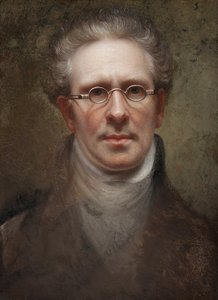
Rembrandt Peale
1778 - 1860 , Vereinigte Staaten von Amerika
Eckdaten zum Künstler
- Bemerkenswerte Werke:
- George Washington (Porthole-Typ)
- Man mit Bart
- Porträt von Rev. John Pierpont
- Geburtsdatum: 22. Februar 1778
- Geburtsort (Stadt, Land): Bucks County, USA
- Künstler, Die Diesen Künstler Beeinflussten:
- Charles Willson Peale
- Rembrandt Harmenszoon van Rijn
- Künstlerische Bewegung/Stil: Neoklassizismus
- Nationalität: Amerikanisch
- Sterbedatum: 1860
- Vollständiger Name: Rembrandt Peale
Verwandte Artikel

Rembrandts Meisterwerke: Die Top 25 Kunstwerke für Ihr Zuhause | OriginalUniqueArt
Entdecken Sie Rembrandts 25 berühmteste Kunstwerke! Tauchen Sie ein in die Welt des Barock, Licht und Schatten & historischer Porträts. Hochwertige Reproduktionen für Ihr Zuhause – jetzt auf OriginalUniqueArt.com!

Etching: A Historical Survey of Technique, Aesthetic Qualities & Enduring Artistic Significance
Explore the rich history of etching, from its origins to Rembrandt's masterful innovations. Discover the technique, aesthetic qualities & enduring legacy of this captivating art form. Expert insights for collectors and enthusiasts.

Die Top 10 berühmter Gemälde im Reich der dunklen Töne |
Entdecken Sie die Top 10 berühmter Gemälde, beherrscht von dunklen Tönen! Von Caravaggio bis Manet – erfahren Sie die Geschichten hinter Meisterwerken der Kunstgeschichte. Finden Sie Ihre perfekte Reproduktion auf .
Die 10 legendärsten Radierungen: Meisterwerke, die Kunstgeschichte schrieben | OriginalUniqueArt
Entdecken Sie die 10 legendärsten Radierungen von Rembrandt, Dürer & Goya! Erfahren Sie die Geschichten hinter diesen Meisterwerken der Kunstgeschichte und lassen Sie sich für Ihre Wohnräume inspirieren. Hochwertige Kunstdrucke auf OriginalUniqueArt.com.

The Intricate World of Etching: A Historical Survey of Technique, Aesthetic Evolution, and Enduring Artistic Impact
Explore the rich history of etching, from its origins to modern practice. Discover techniques, key artists like Rembrandt, and insights for collectors. A comprehensive guide by OriginalUniqueArt.