
 Vorschau anzeigen
 Versenden
 Teilen
 Details anzeigen
 Leitfaden

 Herunterladen
 Ähnliche Objekte
 Röntgenaufnahme
 Diashow
 Fragen & Antworten
 Statistiken
Flora

- 125.0 x 101.0 cm


 Weiterlesen
Giclée / Kunstdruck
Giclée- oder Leinwanddruck in Museumsqualität mit schneller Produktion und flexiblen Veredelungsoptionen. ( Handgemalte Reproduktion bestellen Zum digitalen Bild wechseln)




P118B €10

P118H €10

P118W €10

P438Z €10

P508JH €12

P508YH €12

P805H €10

P805Z €10

P919BZ €10

P919G €10

P919XJ €10

P959ZH €10

P968JZ €12

W106C €8

W218G €10

W218JH €8

W218Y €10

W307PJ €10

W316G €10

W316PJ €8

W316Y €10

W398PJ €8

W4111J €10

W500HY €15

W500JH €15

W692G €12

W849H €8

W940BG €15

W953PJ €8




Wählen Sie aus unseren vordefinierten Formaten, die den ursprünglichen Proportionen des Kunstwerks entsprechen.

Geben Sie die benötigte Breite und Höhe an, damit der Druck perfekt in Ihren Rahmen oder an Ihre Wand passt. Ein Druck kann nur beschnitten, aber niemals größer als das Originalbild angefertigt werden; daher verliert ein Format mit anderen Proportionen einen Teil des Bildes. Wir senden Ihnen ein digitales Mockup zur Freigabe, bevor wir den Druck ausführen. Das auf dieser Seite gezeigte Bild zeigt nicht den tatsächlichen Beschnitt – dies ist nur im Mockup ersichtlich.
Weltweiter Versand () innerhalb von 2 Wochen statt der üblichen 4/5 Wochen. (4 November)

Kostenloser weltweiter Expressversand

Hochwertige Leinenleinwand

Umfassender Versicherungsschutz beim Versand

Zollgebühren-Rückerstattungsgarantie

Garantie für exakte Farbtreue

100 Tage Rückgaberecht (nur bei Mängeln)

100% Geld-zurück-Garantie

Mengenrabatt verfügbar
 Die Glasoption ist nur für Größen unter 110 cm verfügbar.

Flora
Giclée / Kunstdruck
Format der Reproduktion
-


Endpreis
€ 72
A Portrait Steeped in Springtime Reverie: Rembrandt’s Flora
Rembrandt Harmenszoon van Rijn's "Flora," painted in 1634, stands as a testament to the artist’s masterful blend of pastoral beauty and historical grandeur—a captivating glimpse into the heart of his marriage to Saskia van Uylenburgh. More than just a portrait, it’s an exploration of love, admiration, and the transformative power of artistic vision, capturing a moment frozen in time with unparalleled sensitivity.The Subject: Saskia's Divine Bloom
The central figure is Saskia van Uylenburgh, Rembrandt’s beloved wife, depicted as Flora—the Greek goddess of spring and flowers—a deliberate choice reflecting Rembrandt’s profound affection for her. This wasn’t merely a fashionable pose; it was an embodiment of Saskia herself – radiant, youthful, and brimming with vitality. The artist skillfully transformed her into a symbol of renewal and blossoming beauty, mirroring the burgeoning romance that defined their early years together. Her gaze directs outwards, hinting at contemplation and perhaps a subtle invitation to engage with the viewer—a connection forged through shared artistic appreciation.Style & Technique: Mastering Light and Shadow
Rembrandt’s signature technique – chiaroscuro – dominates “Flora,” creating an illusionistic depth that draws the eye into Saskia's serene countenance. Layers of light illuminate her face and dress, contrasting sharply with darker tones that define the background foliage. This dramatic interplay of light and shadow isn’t merely stylistic ornamentation; it serves to convey emotion—a quiet dignity mingled with tenderness. Rembrandt meticulously rendered every detail, from the delicate folds of Saskia's gown to the intricate arrangement of flowers adorning her hair, demonstrating an unwavering commitment to realism combined with artistic expression. The artist utilized oil paint on canvas, a medium favored during the Dutch Golden Age for its ability to achieve luminous effects and preserve textures with remarkable accuracy.Historical Context: Marriage as Inspiration
Painted shortly after their wedding in 1634, “Flora” encapsulates the spirit of the era—a period marked by intellectual curiosity, artistic innovation, and a fascination with classical mythology. Rembrandt’s decision to portray Saskia as Flora speaks volumes about his worldview; he saw beauty not only in the natural world but also in human relationships, elevating their union into an idealized emblem of springtime joy. The painting reflects the prevailing humanist ideals of the time, emphasizing the importance of individual experience and emotional truth—values that resonated deeply with Rembrandt’s artistic sensibilities.Symbolism: Flowers as Expressions of Love
The flowers woven into Saskia's hair are laden with symbolic significance. Lilacs, roses, tulips – each flower represents different facets of love and beauty. Their presence underscores Rembrandt’s desire to convey the depth of his feelings for Saskia, transforming her appearance into a visual declaration of devotion. The artist skillfully utilized floral imagery to communicate an unspoken emotion—a celebration of their blossoming romance and a testament to the enduring power of artistic inspiration.Emotional Impact: A Window Into Rembrandt's Soul
“Flora” transcends mere representation; it captures a moment of profound intimacy—a glimpse into Rembrandt’s soul as he gazed upon his beloved wife. The painting evokes feelings of serenity, grace, and quiet contemplation, inviting viewers to appreciate the beauty of human connection and the transformative potential of artistic vision. It remains a poignant reminder that art can illuminate not only the visual world but also the innermost recesses of human emotion—a legacy that continues to inspire admiration and wonder centuries later.Fragen & Antworten
Wo lässt sich eine Reproduktion von "Flora" von Rembrandt van Rijn am besten präsentieren?
Mit seinem Hochformat-Format wird eine Reproduktion von „Flora“ für ein Wohnbereich empfohlen.
Befindet sich "Flora" von Rembrandt van Rijn im Heimatland des Künstlers?
Nein – das Kunstwerk wird im Ausland aufbewahrt. Rembrandt van Rijn wurde in Niederlande geboren, und das Original von „Flora“ befindet sich in einem Museum in Russia.
Sind die Farben in "Flora" von Rembrandt van Rijn eher gesättigt oder gedämpft?
Die Farben von "Flora" von Rembrandt van Rijn weisen eine Gedämpft Sättigung auf. Die Sättigung beschreibt, wie lebhaft oder gedämpft die Farben sind.
Künstlerbiografie
Rembrandt van Rijn: Leben & Erbe
Frühes Leben und Ausbildung (1606-1625)
- Rembrandt Harmenszoon van Rijn wurde am 15. Juli 1606 in Leiden, Niederlande – einem geschäftigen Zentrum der Holländischen Republik im Goldenen Zeitalter – geboren.
- Sein Vater, Harmen Gerritszoon van Rijn, war Müller, und seine Mutter, Neeltgen Willemsdochter van Zuytbrouck, stammte aus einer Familie von Bäckerinnen. Dies ermöglichte Rembrandt den Zugang zur Bildung an der Lateinschule in Leiden.
- Um 1620 begann er eine Lehre bei Jacob van Swanenburg in Leiden.
- Ein entscheidender sechsmonatiger Zeitraum (1624) wurde unter Pieter Lastman in Amsterdam verbracht, dessen dramatische Verwendung von Licht und Schatten Rembrandts frühe Arbeit nachhaltig beeinflusste.
- Nach seiner Rückkehr nach Leiden gründete er um 1625 sein eigenes Atelier, das er mit dem Künstler Jan Lievens teilte.
Früher Karriere und Umzug nach Amsterdam (1625-1642)
- Rembrandt erlangte schnell in Leiden Anerkennung für seine historischen Gemälde und Porträts.
- Im Jahr 1629 profitierte er vom Gönnertum von Constantijn Huygens und erhielt Aufträge vom Haagischen Hof – ein Wendepunkt in seiner Karriere.
- Er zog 1631 nach Amsterdam und wurde als erfolgreicher Porträtist tätig, der wohlhabende Kunden anzog.
- Im Jahr 1634 heiratete er Saskia van Uylenburgh, die Tochter eines einflussreichen Juristen und Bürgermeisters, wodurch er gesellschaftlichen Einfluss und anfängliche finanzielle Stabilität erlangte.
Künstlerische Entwicklung und Stil
- Rembrandts künstlerische Entwicklung war durch ständige Experimente gekennzeichnet. Er ging von idealisierten Formen ab zu realistischen und emotional ausdrucksstarken Darstellungen.
- Frühes Zeitalter (ca. 1625-1635): Geprägt von detaillierter Realismus und dem Einfluss von Lastman.
- Reifes Zeitalter (ca. 1635-1650er): Charakterisiert durch die meisterhafte Verwendung von *Chiaroscuro* – dramatischem Licht und Schatten, das psychische Tiefe erzeugt. Seine Pinselstrichführung wurde lockerer und vermittelte Textur und Emotion.
- Spätes Zeitalter (ca. 1650er-1669): Eine Rückkehr zu einer gedämpfteren Farbpalette, die sich auf intime Porträts und biblische Szenen konzentrierte, die persönliche Kämpfe und spirituelle Reflexionen widerspiegeln.
Wichtige Werke und Leistungen
- Die Anatomie-Vorlesung von Dr. Nicolaes Tulp (1632): Pionierhaftes Gruppenporträt, das menschliche Anatomie und Persönlichkeit zeigt.
- Belshazzars Festmahl (1635): Dramatische biblische Szene, die meisterhafte Verwendung von Licht, Schatten und Komposition demonstriert.
- Die Wache (1642) – offiziell Militärkompanie des Bezirks II unter dem Kommando von Kapitän Frans Banninck Cocq: Ein dynamisches Gruppenporträt, das das Genre mit innovativer Komposition und Beleuchtung neu definierte.
- Selbstporträts: Ungefähr 40 Selbstporträts, die ein einzigartiges visuelles Zeugnis seines Alterns und seiner künstlerischen Vision bieten.
Einflüsse und Vermächtnis
- Italienische Meister: Studierte Werke von Titian, Caravaggio durch Drucke und Reproduktionen.
- Caravaggio: Die dramatische Verwendung von Licht und Schatten hatte einen tiefgreifenden Einfluss auf Rembrandts Stil.
- Niederländische und flämische Künstler: Von zeitgenössischen Künstlern beeinflusst, die in der Holländischen Republik und Flandern wirkten.
- Rembrandt revolutionierte das Porträtmalerei, erhob die Radierung zu einer Kunstform von Rang und erforschte tiefgründige psychologische Themen.
- Trotz persönlicher Tragödien und finanzieller Schwierigkeiten dauerte sein Ruf an. Er gilt heute als Eckpfeiler der holländischen Kunst und als universelles Symbol des künstlerischen Genies.
Historische Bedeutung
- Rembrandts Werk spiegelt den Geist der Holländischen Goldenen Zeit wider – wirtschaftliche Prosperität, intellektuelles Aufblühen und künstlerische Innovation.
- Er erfasste die Essenz dieser Epoche durch Porträts, biblische Szenen, die bei den Zuschauern Anklang fanden, und die Erforschung universeller menschlicher Emotionen.
- Seine Lebensgeschichte – geprägt von Erfolg und Widrigkeiten – hat ihn zu einer faszinierenden Figur in der Kunstgeschichte gemacht. Er bleibt ein dauerhaftes Symbol für Hingabe zum Handwerk, selbst inmitten persönlicher Herausforderungen. Rembrandts Einfluss auf nachfolgende Generationen von Künstlern ist unermesslich.
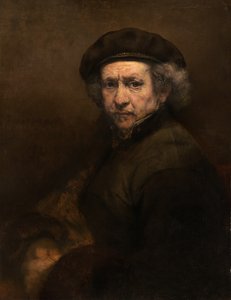
Rembrandt van Rijn
1606 - 1669 , Niederlande
Kurzinfos
- Beeinflusste Künstler:
- Pieter Lastman
- Caravaggio
- Italienische Meister
- Bemerkenswerte Werke:
- Anatomie-Vorlesung Dr. Tulp
- Belshazzars Festmahl
- Die Nachtwache
- Selbstporträts
- Geburtsdatum: 15. Juli 1606
- Geburtsort: Leiden, Niederlande
- Künstlerische Richtung: Barockmalerei
- Nationalität: Niederländisch
- Sterbedatum: 1669
- Vollständiger Name: Rembrandt van Rijn
Ähnliche Artikel

Die 10 Meisterwerke der niederländischen Barockmalerei – Kunst für Ihr Zuhause | OriginalUniqueArt
Entdecken Sie die 10 prägendsten Meisterwerke der niederländischen Barockmalerei! Von Rembrandt bis Vermeer – erleben Sie Kunstgeschichte, Techniken & Emotionen. Hochwertige Reproduktionen für Ihr Zuhause auf OriginalUniqueArt.com.

Die 10 Meisterwerke des Goldenen Zeitalters der niederländischen Malerei |
Entdecken Sie die 10 Meisterwerke des Niederländischen Goldenen Zeitalters! Von Rembrandt bis Vermeer – erleben Sie Kunstgeschichte, Techniken & Emotionen. Hochwertige Gemäldereproduktionen für Ihr Zuhause auf .

Rembrandt van Rijn: Licht und Schatten der Seele – Innovation, Emotion und das niederländische Goldene Zeitalter
Entdecken Sie Rembrandts revolutionäre Kunst! Erfahren Sie mehr über das Goldene Zeitalter, die Meisterschaft des Chiaroscuro und seine tiefgründigen Porträts. Expertenwissen & hochwertige Reproduktionen auf OriginalUniqueArt.

Golden Light & Dutch Skies: The Timeless Magic of Dutch Golden Age Landscapes
Discover the breathtaking beauty of Dutch Golden Age landscapes. Explore the mastery of light, chiaroscuro, and 17th-century realism through an expert art history lens, celebrating the enduring legacy of the Dutch Masters for discerning collectors and art lovers.

Licht & Schatten: Die 25 größten Meisterwerke von Rembrandt
Entdecke Rembrandts 25 größte Meisterwerke des Barock. Erlebe Licht und Schatten auf OriginalUniqueArt.com – Jetzt die Kollektion entdecken!

![Die Anatomie Vorlesung von Dr. Nicolaes Tulp [1632]](/media/artworks/images-thumb/e5/fc/e5fcb33447eac6b24ab049b22effa1a3.jpg)


