 Vorschau anzeigen
 Versenden
 Teilen
 Details anzeigen

 Herunterladen
 Ähnliche Objekte
 Röntgenaufnahme
 Diashow
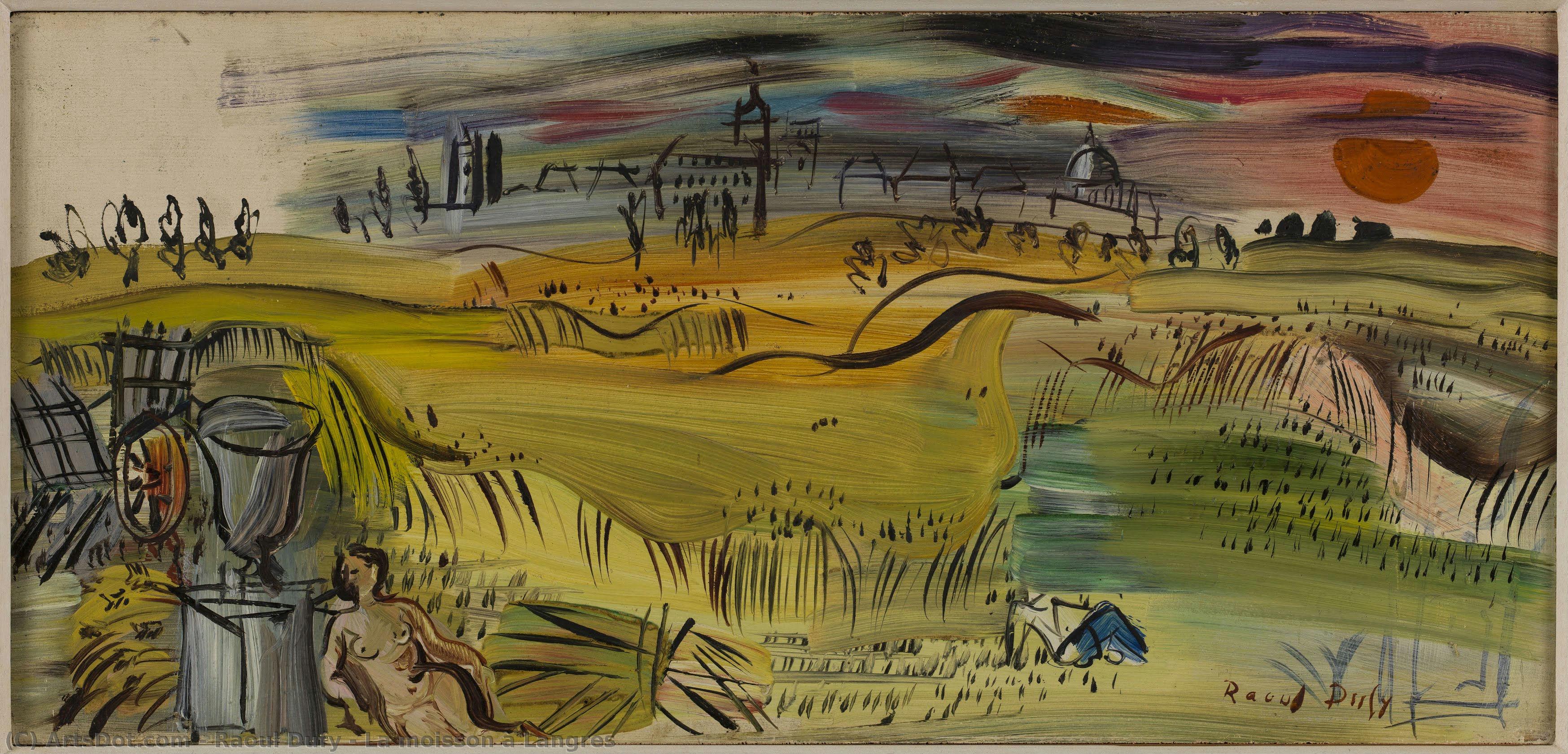
La moisson à Langres


 Weiterlesen
Giclée / Kunstdruck
Giclée- oder Leinwanddruck in Museumsqualität mit schneller Produktion und flexiblen Veredelungsoptionen. ( Handgemalte Reproduktion bestellen Bild kaufen)




P118B $10

P118H $10

P118W $10

P438Z $10

P508JH $12

P508YH $12

P805H $10

P805Z $10

P919BZ $10

P919G $10

P919XJ $10

P959ZH $10

P968JZ $12

W106C $8

W218G $10

W218JH $8

W218Y $10

W307PJ $10

W316G $10

W316PJ $8

W316Y $10

W398PJ $8

W4111J $10

W500HY $15

W500JH $15

W692G $12

W849H $8

W940BG $15

W953PJ $8




Wählen Sie aus unseren vordefinierten Formaten, die den ursprünglichen Proportionen des Kunstwerks entsprechen.

Sie können Ihre eigenen Maße eingeben, um ein bestimmtes Format oder einen speziellen Platz einzupassen. Wenn das von Ihnen gewählte Format nicht den Proportionen des Originalbildes entspricht, werden wir das Kunstwerk entweder beschneiden oder das Bild mit einem gespiegelten oder einfarbigen Rand erweitern. Ein digitaler Entwurf wird Ihnen zur Genehmigung zugesandt, bevor die Produktion beginnt.
Bitte beachten Sie, dass die Vorschau auf dem Bildschirm nicht den tatsächlichen Zuschnitt oder die Erweiterung widerspiegelt. Nur der Entwurf zeigt die endgültige Komposition präzise an.
Obwohl Sondermaße verfügbar sind, empfehlen wir die Auswahl eines Maßes aus der vordefinierten Liste, um die ursprünglichen Proportionen zu bewahren.
Weltweiter Versand () innerhalb von 2 Wochen statt der üblichen 4/5 Wochen. (15 August)

Kostenloser weltweiter Expressversand

Hochwertige Leinenleinwand

Umfassender Versicherungsschutz beim Versand

Zollgebühren-Rückerstattungsgarantie

Garantie für exakte Farbtreue

60 Tage Rückgaberecht (nur bei Mängeln)

100% Geld-zurück-Garantie

Mengenrabatt verfügbar
 Die Glasoption ist nur für Größen unter 110 cm verfügbar.

La moisson à Langres
Giclée / Kunstdruck
Format der Reproduktion
-


Gesamtpreis
$ 80
Sammlerstück-Beschreibung
A Symphony of Sunlight and Harvest
In the luminous masterpiece La moisson à Langres, Raoul Dufy invites the viewer into a sun-drenched pastoral dream, where the boundaries between nature and human joy dissolve into a vibrant tapestry of color. Painted in 1938, this work captures more than just a seasonal harvest; it encapsulates a fleeting moment of tranquility and communal harmony. The canvas unfolds as a sprawling landscape of golden cereal fields, undulating under the warmth of a bright daytime sky. Scattered throughout this fertile expanse, figures move with a rhythmic grace, their presence suggesting a peaceful day spent in the embrace of the outdoors. The inclusion of two dogs, wandering near the foreground and center, adds an intimate, domestic touch to the scene, grounding the expansive landscape in a sense of lived experience and companionship.
Dufy, a master of the Fauvist-inspired lightness that defined much of his later career, utilizes a technique that feels both spontaneous and meticulously balanced. The painting is a testament to his ability to use color as a primary emotional driver. Rather than relying on heavy, somber shadows, Dufy employs bright, rhythmic strokes that allow light to dance across the surface of the wheat. This approach creates a sense of luminosity that makes the sunlight feel almost tangible, as if the warmth of the Langres countryside is radiating directly from the canvas. For the collector or interior designer, this piece offers an unparalleled ability to breathe life and vitality into a room, acting as a window into a perpetual summer.
The Essence of French Joie de Vivre
To understand La moisson à Langres is to understand the spirit of Dufy himself—an artist whose life was an unapologetic celebration of light and color. Emerging from the influences of Impressionism, Dufy moved beyond mere representation to capture the emotional essence of a scene. In this work, the harvest serves as a profound symbol of abundance and the cyclical beauty of life. The movement of the people within the field is not depicted with rigid anatomical precision, but rather through fluid, expressive lines that suggest the gentle breeze and the collective rhythm of labor and leisure. This stylistic choice evokes a sense of nostalgia for a simpler, more harmonious era, making the painting an emotionally resonant piece for any curated collection.
For those seeking to adorn a sophisticated interior, this reproduction offers a magnificent focal point that balances complexity with serenity. The composition’s openness provides a sense of spatial expansion, making it ideal for large-scale wall placements where its golden hues can interact with natural light. Whether placed in a sunlit gallery or a contemporary living space, the painting serves as an enduring tribute to the beauty of the French landscape and the timeless allure of the harvest, promising to inspire awe and a sense of profound peace to all who behold it.
Über den Künstler
Frühe Jahre und Ausbildung
Raoul Dufy, ein französischer Fauvist-Maler, wurde am 3. Juni 1877 in Le Havre geboren. Er verließ die Schule im Alter von vierzehn Jahren, um in einer Kaffeeimportfirma zu arbeiten. Im Jahr 1895 begann er mit Abendkursen für Kunst an der École des Beaux-Arts in Le Havre, wo er Raimond Lecourt und Othon Friesz kennenlernte, mit denen er später ein Atelier in Montmartre teilte.Künstlerischer Stil und Einflüsse
Dufy entwickelte einen farbenfrohen, dekorativen Stil, der für Designs von Keramik, Textilien und öffentlichen Gebäuden beliebt wurde. Er wurde von den impressionistischen Landschaftsmalern wie Claude Monet und Camille Pissarro beeinflusst. Seine erste Ausstellung fand 1901 auf der Ausstellung französischer Künstler statt.Wichtige Werke und Kooperationen
- Der Vollbluthengst (45 x 53 cm, naive Kunst / Primitivismus, Öl auf Leinwand) ist ein bemerkenswertes Gemälde von Dufy, das seinen einzigartigen Stil zeigt.
- Im Jahr 1904 arbeitete er mit Albert Marquet in Fécamp an der englischen Kanal (La Manche).
- Dufys Zusammenarbeit mit Henri Matisse's Luxe, Calme et Volupté im Jahr 1905 war eine Offenbarung für den jungen Künstler und lenkte seine Interessen in Richtung Fauvismus.
Auszeichnungen und Vermächtnis
- Im Jahr 1952 erhielt Dufy den Grand Prix für Malerei bei der 26. Biennale von Venedig.
- Seine Werke sind in verschiedenen Museen zu finden, darunter auch in dem Museum Royal Collection (Vereinigtes Königreich), das zu den größten und wichtigsten Kunstsammlungen der Welt gehört.
Gesundheitliche Probleme und Tod
Dufys Gesundheit verschlechterte sich aufgrund von rheumatoider Arthritis, und er verstarb am 23. März 1953 in Forcalquier, Frankreich. Er wurde neben Matisse im Cimiez-Klosterfriedhof in Cimiez, einem Vorort von Nizza, beigesetzt.- Erleben Sie Dufys Kunstwerke und Biografie auf OriginalUniqueArt
- Erfahren Sie mehr über Fauvismus und seinen Einfluss auf die Kunst auf Wikipedia
- Entdecken Sie die Museum Royal Collection (Vereinigtes Königreich) und ihre Bedeutung in der Kunstgeschichte auf OriginalUniqueArt

Raoul Dufy
1877 - 1953 , Frankreich
Kurzinfos
- Beeinflusste Künstler:
- Claude Monet
- Camille Pissarro
- Henri Matisse
- Bemerkenswerte Werke:
- Das Casino
- Die Konsole mit der Fruchtschale rot
- Der Vollbluthengst
- Geburtsdatum: 3. Juni 1877
- Geburtsort: Le Havre, Frankreich
- Künstlerische Bewegung: Fauvismus
- Nationalität: Französisch
- Sterbedatum: 23. März 1953
- Vollständiger Name: Raoul Dufy
- Von Ihm Beeinflusste Kunstrichtungen:
- Fauvismus
- Impressionismus
Ähnliche Artikel

Idyllic Visions: Exploring the Pastoral Scene in Art History – From Arcadia to Modern Interpretations
Explore the captivating history of pastoral art from classical Arcadia to modern masterpieces. Discover key artists like Millet & Cole at OriginalUniqueArt. Find serene landscape paintings for your home.
Die schönsten Landschaftsbilder: 10 Meisterwerke für Ihr Zuhause | OriginalUniqueArt.com
Entdecken Sie die 10 schönsten Landschaftsbilder der Kunstgeschichte! Von Monet bis Van Gogh – erfahren Sie die Geschichten hinter Meisterwerken & finden Sie Inspiration für Ihr Zuhause. Hochwertige Kunstdrucke auf OriginalUniqueArt.com.
Idyllic Visions: Exploring the Pastoral Tradition in Western Art – Themes, Techniques & Enduring Appeal
Explore the rich history of pastoral art from classical Arcadia to contemporary interpretations. Discover key artists, themes & collecting tips at OriginalUniqueArt.

John Constable: Die 25 Meisterwerke des englischen Landschaftsgenies – OriginalUniqueArt
Entdecken Sie die 25 Meisterwerke von John Constable! Erleben Sie englische Landschaftsmalerei vom Hay Wain bis zur Stour Valley. Hochwertige Reproduktionen & Kunst für Ihr Zuhause auf OriginalUniqueArt.com.
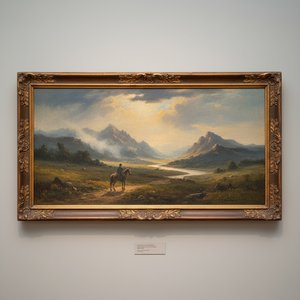
Anthony Vandyke Copley Fielding: Rediscovering a Master of Romantic Landscape
Discover the captivating landscapes of Anthony Vandyke Copley Fielding, a master of Romantic watercolour painting. Explore his life, technique, and legacy with OriginalUniqueArt – your source for museum-quality art reproductions & expert appraisal.