Vorschau anzeigen
 Versenden
 Teilen
 Details anzeigen

 Herunterladen
 Ähnliche Objekte
 Röntgenaufnahme
 Diashow
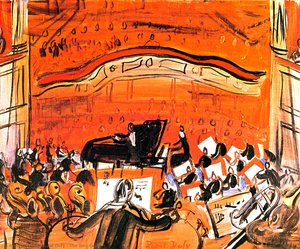
Anemones


 Weiterlesen
Giclée / Kunstdruck
Giclée- oder Leinwanddruck in Museumsqualität mit schneller Produktion und flexiblen Veredelungsoptionen. ( Handgemalte Reproduktion bestellen Bild kaufen)




P118B $10

P118H $10

P118W $10

P438Z $10

P508JH $12

P508YH $12

P805H $10

P805Z $10

P919BZ $10

P919G $10

P919XJ $10

P959ZH $10

P968JZ $12

W106C $8

W218G $10

W218JH $8

W218Y $10

W307PJ $10

W316G $10

W316PJ $8

W316Y $10

W398PJ $8

W4111J $10

W500HY $15

W500JH $15

W692G $12

W849H $8

W940BG $15

W953PJ $8




Wählen Sie aus unseren vordefinierten Formaten, die den ursprünglichen Proportionen des Kunstwerks entsprechen.

Sie können Ihre eigenen Maße eingeben, um ein bestimmtes Format oder einen speziellen Platz einzupassen. Wenn das von Ihnen gewählte Format nicht den Proportionen des Originalbildes entspricht, werden wir das Kunstwerk entweder beschneiden oder das Bild mit einem gespiegelten oder einfarbigen Rand erweitern. Ein digitaler Entwurf wird Ihnen zur Genehmigung zugesandt, bevor die Produktion beginnt.
Bitte beachten Sie, dass die Vorschau auf dem Bildschirm nicht den tatsächlichen Zuschnitt oder die Erweiterung widerspiegelt. Nur der Entwurf zeigt die endgültige Komposition präzise an.
Obwohl Sondermaße verfügbar sind, empfehlen wir die Auswahl eines Maßes aus der vordefinierten Liste, um die ursprünglichen Proportionen zu bewahren.
Weltweiter Versand () innerhalb von 2 Wochen statt der üblichen 4/5 Wochen. (14 August)

Kostenloser weltweiter Expressversand

Hochwertige Leinenleinwand

Umfassender Versicherungsschutz beim Versand

Zollgebühren-Rückerstattungsgarantie

Garantie für exakte Farbtreue

60 Tage Rückgaberecht (nur bei Mängeln)

100% Geld-zurück-Garantie

Mengenrabatt verfügbar
 Die Glasoption ist nur für Größen unter 110 cm verfügbar.

Anemones
Giclée / Kunstdruck
Format der Reproduktion
-


Gesamtpreis
$ 80
Sammlerstück-Beschreibung
A Symphony of Color and Light
In the realm of mid-century French painting, few works capture the sheer joie de vivre quite like Raoul Dufy’s Anemones. Created in 1953, during the final year of the artist's illustrious life, this masterpiece serves as a vibrant testament to a lifetime dedicated to the pursuit of luminosity. The painting presents a breathtakingly lush bouquet, where a kaleidoscope of hues—deep puroted reds, electric blues, sunny yellows, and soft oranges—dance across the canvas. Each petal and leaf seems to vibrate with its own internal light, arranged within an elegant, slender-necked white vase that anchors the composition with a sense of classical grace. The arrangement is not merely a collection of flora but a rhythmic movement of color, where the layering of different species creates a profound sense of depth and botanical abundance.
The technique employed in Anemones is nothing short of masterful, utilizing the unique properties of gouache on canvas to achieve a rich, saturated finish. Unlike the translucent washes of watercolor, the gouache allows Dufy to layer opaque pigments, creating a velvety texture that gives each flower a tactile presence. This method is quintessential to his late style, where the boundaries between form and color begin to blur into a decorative, almost musical arrangement. The brushwork is fluid and spontaneous, reflecting the Fauvist influence that defined his career. There is an effortless elegance in how he captures the delicate structure of the anemones alongside more robust blooms, guiding the viewer's eye through a garden of light that feels both intimately close and infinitely expansive.
A Legacy of Decorative Brilliance
For the discerning collector or interior designer, Anemones offers much more than mere aesthetic beauty; it provides an emotional sanctuary. To hang such a piece is to invite the warmth of a Mediterranean afternoon into a room. The painting transcends its subject matter, acting as a focal point that can breathe life into a minimalist modern space or add a layer of sophisticated historical depth to a classical setting. Its ability to harmonize diverse colors makes it a versatile cornerstone for high-end decor, offering a sense of optimism and vitality that is rare in contemporary art. It is a work that does not just occupy space—it transforms the atmosphere of an entire environment.
Historically, this work sits at the intersection of Impressionist light and Fauvist boldness. Having been shaped by the luminous landscapes of Monet and the daring palettes of the Fauve movement, Dufy uses this floral arrangement to celebrate the triumph of color over line. The symbolism of the anemone itself—often associated with anticipation and fragility—is elevated here by Dufy’s vigorous execution, turning a delicate subject into a powerful statement of life's enduring brilliance. Owning a reproduction of this caliber allows one to possess a fragment of French art history, a piece that continues to radiate the same infectious joy that Raoul Dufy felt in every stroke of his brush.
Über den Künstler
Frühe Jahre und Ausbildung
Raoul Dufy, ein französischer Fauvist-Maler, wurde am 3. Juni 1877 in Le Havre geboren. Er verließ die Schule im Alter von vierzehn Jahren, um in einer Kaffeeimportfirma zu arbeiten. Im Jahr 1895 begann er mit Abendkursen für Kunst an der École des Beaux-Arts in Le Havre, wo er Raimond Lecourt und Othon Friesz kennenlernte, mit denen er später ein Atelier in Montmartre teilte.Künstlerischer Stil und Einflüsse
Dufy entwickelte einen farbenfrohen, dekorativen Stil, der für Designs von Keramik, Textilien und öffentlichen Gebäuden beliebt wurde. Er wurde von den impressionistischen Landschaftsmalern wie Claude Monet und Camille Pissarro beeinflusst. Seine erste Ausstellung fand 1901 auf der Ausstellung französischer Künstler statt.Wichtige Werke und Kooperationen
- Der Vollbluthengst (45 x 53 cm, naive Kunst / Primitivismus, Öl auf Leinwand) ist ein bemerkenswertes Gemälde von Dufy, das seinen einzigartigen Stil zeigt.
- Im Jahr 1904 arbeitete er mit Albert Marquet in Fécamp an der englischen Kanal (La Manche).
- Dufys Zusammenarbeit mit Henri Matisse's Luxe, Calme et Volupté im Jahr 1905 war eine Offenbarung für den jungen Künstler und lenkte seine Interessen in Richtung Fauvismus.
Auszeichnungen und Vermächtnis
- Im Jahr 1952 erhielt Dufy den Grand Prix für Malerei bei der 26. Biennale von Venedig.
- Seine Werke sind in verschiedenen Museen zu finden, darunter auch in dem Museum Royal Collection (Vereinigtes Königreich), das zu den größten und wichtigsten Kunstsammlungen der Welt gehört.
Gesundheitliche Probleme und Tod
Dufys Gesundheit verschlechterte sich aufgrund von rheumatoider Arthritis, und er verstarb am 23. März 1953 in Forcalquier, Frankreich. Er wurde neben Matisse im Cimiez-Klosterfriedhof in Cimiez, einem Vorort von Nizza, beigesetzt.- Erleben Sie Dufys Kunstwerke und Biografie auf OriginalUniqueArt
- Erfahren Sie mehr über Fauvismus und seinen Einfluss auf die Kunst auf Wikipedia
- Entdecken Sie die Museum Royal Collection (Vereinigtes Königreich) und ihre Bedeutung in der Kunstgeschichte auf OriginalUniqueArt

Raoul Dufy
1877 - 1953 , Frankreich
Kurzinfos
- Beeinflusste Künstler:
- Claude Monet
- Camille Pissarro
- Henri Matisse
- Bemerkenswerte Werke:
- Das Casino
- Die Konsole mit der Fruchtschale rot
- Der Vollbluthengst
- Geburtsdatum: 3. Juni 1877
- Geburtsort: Le Havre, Frankreich
- Künstlerische Bewegung: Fauvismus
- Nationalität: Französisch
- Sterbedatum: 23. März 1953
- Vollständiger Name: Raoul Dufy
- Von Ihm Beeinflusste Kunstrichtungen:
- Fauvismus
- Impressionismus
Ähnliche Artikel

Keilrahmen & Rahmenoptionen für sofortige Aufhängung: Ein Leitfaden für Freiberufler
Professionelle Keilrahmen & Rahmen für eine perfekte Bildpräsentation. Expertenratgeber für Freiberufler zur Auswahl, Montage und Kosten – jetzt informieren!

The Magic of Gouache: Capturing Light and Color with Opaque Brilliance
Discover the luminous magic of gouache. Explore how this opaque medium captures light and color with the brilliance seen in Impressionist masterpieces. Perfect for art lovers seeking to understand the technical beauty behind the world's most captivating textures and tones.
Blossoming Symbolism: A Historical Journey Through Flowers in Western Painting
Explore the rich history of flower symbolism in Western painting! Discover how artists from the Renaissance to Modernism used blossoms to convey meaning, emotion & beauty. Learn about iconic artworks and movements.

Rahmenbausätze für Großformatige Kunstwerke: Eine Anleitung zur Selbstmontage
Professionelle Anleitung zum Selbstmontieren von Rahmenbausätzen für Ihre Kunstwerke! Sparen Sie Kosten & erzielen Sie ein perfektes Ergebnis. Tipps, Materialien & Bezugsquellen.

Blossoms of Time: A Historical Journey Through Flower Painting
Explore the captivating history of flower painting! Discover Dutch masters, symbolic meanings, & botanical art. Expert insights & high-quality reproductions at OriginalUniqueArt.