Vorschau anzeigen
 Versenden
 Teilen
 Details anzeigen
 Leitfaden

 Herunterladen
 Ähnliche Objekte
 Röntgenaufnahme
 Diashow
 Statistiken
St. Georg und der Drache
 Öl auf Leinwand
- Wandkunst
- Hochrenaissance
 1506
1506- Renaissance
 29.0 x 22.0 cm
 National Gallery of Art
 Weiterlesen
Giclée / Kunstdruck
Giclée- oder Leinwanddruck in Museumsqualität mit schneller Produktion und flexiblen Veredelungsoptionen. ( Handgemalte Reproduktion bestellen Zum digitalen Bild wechseln)




P118B €10

P118H €10

P118W €10

P438Z €10

P508JH €12

P508YH €12

P805H €10

P805Z €10

P919BZ €10

P919G €10

P919XJ €10

P959ZH €10

P968JZ €12

W106C €8

W218G €10

W218JH €8

W218Y €10

W307PJ €10

W316G €10

W316PJ €8

W316Y €10

W398PJ €8

W4111J €10

W500HY €15

W500JH €15

W692G €12

W849H €8

W940BG €15

W953PJ €8




Wählen Sie aus unseren vordefinierten Formaten, die den ursprünglichen Proportionen des Kunstwerks entsprechen.

Geben Sie die benötigte Breite und Höhe an, damit der Druck perfekt in Ihren Rahmen oder an Ihre Wand passt. Ein Druck kann nur beschnitten, aber niemals größer als das Originalbild angefertigt werden; daher verliert ein Format mit anderen Proportionen einen Teil des Bildes. Wir senden Ihnen ein digitales Mockup zur Freigabe, bevor wir den Druck ausführen. Das auf dieser Seite gezeigte Bild zeigt nicht den tatsächlichen Beschnitt – dies ist nur im Mockup ersichtlich.
Weltweiter Versand () innerhalb von 2 Wochen statt der üblichen 4/5 Wochen. (28 Oktober)

Kostenloser weltweiter Expressversand

Hochwertige Leinenleinwand

Umfassender Versicherungsschutz beim Versand

Zollgebühren-Rückerstattungsgarantie

Garantie für exakte Farbtreue

100 Tage Rückgaberecht (nur bei Mängeln)

100% Geld-zurück-Garantie

Mengenrabatt verfügbar
 Die Glasoption ist nur für Größen unter 110 cm verfügbar.

St. Georg und der Drache
Giclée / Kunstdruck
Format der Reproduktion
-


Endpreis
€ 70
Eine zeitlose Erzählung von Heroismus
Raphaels „St. Georg und der Drache“ fängt die essenzielle mittelalterliche Legende von Ritterlichkeit und Tapferkeit ein. Das Kunstwerk stellt den Heiligen Georg, ein Paradebeispiel ritterlicher Tugend, im heftigen Kampf gegen einen furchteinflößenden Drachen dar. Diese dramatische Szene ist in eine Kulisse eingebettet, die sowohl die raue Landschaft einer vergangenen Ära als auch die ätherische Schönheit eines Sonnenuntergangs der Renaissance heraufbeschwört.Meisterhaftigkeit des Hochrenaissance-Stils
Dieses im Jahr 1506 geschaffene Meisterwerk ist ein Paradebeispiel für Raphaels Stil der Hochrenaissance, der durch seine harmonische Komposition, lebensnahe Figuren und ausgewogene Proportionen besticht. Das Gemälde folgt einer klassischen Dreiecksanordnung, wobei der Ritter und sein Pferd die Spitze bilden, während der Drache an der Basis positioniert ist. Diese dynamische Struktur lenkt das Auge des Betrachters durch die gesamte Szene und erzeugt ein Gefühl von Bewegung und Spannung.Reiche Farbpalette und texturelle Details
Die Farbpalette ist erdig und gedämpft, dominiert von Grün-, Braun- und Blautönen, die im Kontrast zum metallischen Glanz der Rüstung des Ritters und den Schuppen des Drachen stehen. Die Jungfrau in Not, gekleiert in ein leuchtend rotes Kleid, tritt als farblicher Fokuspunkt hervor. Raphaels akribische Liebe zum Detail zeigt sich in der texturellen Darstellung der schuppigen Haut des Drachen, der polierten Rüstung des Ritters und der rauen Rinde der Bäume.Historischer Kontext und Symbolik
Der Gegenstand ist tief in mittelalterlichen Legenden und der Ritterliteratur verwurzelt und symbolisiert den Triumph des Guten über das Böse. Der Heilige Georg repräsentiert Heldentum und Tugend, während der Drache Chaos und Gefahr verkörpert. Die Jungfrau in Not steht für Verletzlichkeit und die Notwendigkeit von Schutz. Diese Erzählung schwingt mit zeitlosen Themen wie Mut, Opferbereitschaft und Erlösung mit.Emotionale Wirkung und Vermächtnis
Der emotionale Ton des Gemäldes ist geprägt von Drama und Erleichterung, während die Betrachter den Höhepunkt des Kampfes zwischen dem Heiligen Georg und dem Drachen miterleben. Die dauerhafte Anziehungskraft des Kunstwerks liegt in seiner Fähigkeit, Ehrfurcht und Bewunderung für die Tapferkeit des Ritters zu wecken. Raphaels „St. Georg und der Drache“ bleibt ein Zeugnis für das Können des Künstlers und die beständige Kraft der Renaissance-Kunst.Warum diese Reproduktion wählen?
Für Kunstliebhaber, Sammler und Innenarchitekten, die eine hochwertige Reproduktion suchen, bietet dieses Gemälde eine fesselnde Mischung aus historischer Bedeutung und ästhetischer Schönheit. Seine reiche Farbpalette, die dynamische Komposition und die symbolische Tiefe machen es zu einer idealen Ergänzung für jede Sammlung oder jeden Innenraum. Ob in einer prachtvollen Galerie oder einem gemütlichen Arbeitszimmer präsentiert – dieses Meisterwerk wird mit Sicherheit inspirieren und begeistern.Bringen Sie Renaissance-Pracht in Ihre Räumlichkeiten
Werten Sie Ihre Umgebung mit einer handgemalten Reproduktion von Raphaels „St. Georg und der Drache“ auf. Erleben Sie die zeitlose Eleganz und die dramatische Erzählung dieses Meisterwerks der Hochrenaissance in Ihrem eigenen Zuhause oder Büro. Dieses Kunstwerk ist nicht nur eine Dekoration; es ist ein Gesprächsstück, das über Generationen hinweg fesseln und inspirieren wird.Investieren Sie in künstlerische Exzellenz
Mit der Wahl einer hochwertigen Reproduktion investieren Sie in ein Stück künstlerischer Exzellenz, das im Laufe der Zeit an Wert gewinnen wird. Raphaels „St. Eorg und der Drache“ ist mehr als nur ein Gemälde; es ist ein Symbol für Heldentum, Tugend und die unvergängliche Macht der Kunst. Holen Sie sich dieses ikonische Meisterwerk in Ihr Leben und erleben Sie die Schönheit und das Drama der Renaissance jeden Tag aufs Neue.Entdecken Sie die Magie der Renaissance-Kunst
Tauchen Sie mit dieser atemberaubenden Reproduktion in die Welt Raphaels und der Hochrenaissance ein. Ganz gleich, ob Sie ein Kunstenthusiast, ein Sammler oder ein Innenarchitekt sind, dieses Gemälde bietet die einzigartige Gelegenheit, ein Stück Geschichte zu besitzen. Lassen Sie die zeitlose Erzählung von St. Georg und dem Drachen Ihren Raum inspirieren und aufwerten und schaffen Sie eine Atmosphäre von Eleganz und Raffinesse.Erweitern Sie Ihre Sammlung mit einem Meisterwerk
Verleihen Sie Ihrer Sammlung einen Hauch von Renaissance-Pracht mit dieser exquisiten Reproduktion von Raphaels „St. Georg und der Drache“. Erleben Sie das Drama, die Details und die emotionale Tiefe dieses ikonischen Kunstwerks in Ihrem eigenen Zuhause oder Büro. Dies ist nicht nur ein Gemälde; es ist ein Zeugnis für die dauerhafte Kraft der Kunst und die zeitlosen Themen von Heldentum und Tugend.Besitzen Sie ein Stück Kunstgeschichte
Indem Sie sich für eine hochwertige Reproduktion von Raphaels „St. Georg und dem Drachen“ entscheiden, erwerben Sie nicht nur ein Gemälde; Sie besitzen ein Stück Kunstgeschichte. Dieses Meisterwerk mit seiner reichen Farbpalette, dynamischen Komposition und symbolischen Tiefe ist ein Zeugnis für die beständige Kraft der Renaissance-Kunst. Bringen Sie dieses ikonische Kunstwerk in Ihr Leben und erleben Sie die Schönheit und das Drama der Hochrenaissance jeden Tag.Verschönern Sie Ihren Raum mit zeitloser Eleganz
Werten Sie Ihre Umgebung mit der zeitlosen Eleganz von Raphaels „St. Georg und dem Drachen“ auf. Diese beeindruckende Reproduktion bietet eine fesselnde Mischung aus historischer Bedeutung und ästhetischer Schönheit, was sie zu einer idealen Ergänzung für jede Sammlung oder jeden Innenraum macht. Ob in einer großen Galerie oder einem gemütlichen Studierzimmer ausgestellt, dieses Meisterwerk wird zweifellos inspirieren und Freude bereiten.Bringen Sie Renaissance-Glanz in Ihr Zuhause
Erleben Sie den Glanz der Renaissance mit dieser exquisiten Reproduktion von Raphauts „St. Georg und dem Drachen“. Dieses ikonische Kunstwerk bietet mit seiner reichen Farbpalette, dynamischen Komposition und symbolischen Tiefe eine einzigartige Gelegenheit, ein Stück Geschichte zu besitzen. Bringen Sie das Drama und die Schönheit der Hochrenaissance in Ihr Zuhause oder Büro und lassen Sie es Ihren Raum inspirieren und aufwerten.Investieren Sie in künstlerische Exzellenz
Mit der Wahl einer hochwertigen Reproduktion von Raphaels „St. Georg und dem Drachen“ investieren Sie in ein Stück künstlerischer Exzellenz, das im Laufe der Zeit an Wert gewinnen wird. Dieses Meisterwerk mit seinen zeitlosen Themen von Heldentum und Tugend ist mehr als nur ein Gemälde; es ist ein Symbol für die unvergängliche Kraft der Kunst.Fragen & Antworten
Welcher Strömung und welcher Epoche ist "St. Georg und der Drache" von Raffael zuzuordnen?
"St. Georg und der Drache" von Raffael lässt sich der Strömung des Hochrenaissance innerhalb der Renaissance-Ära seines Schöpfers zuordnen.
Ist "St. Georg und der Drache" von Raffael im Hoch-, Quer- oder Quadratformat angeordnet?
"St. Georg und der Drache" von Raffael ist eine Komposition im Hochformat-Format. Die Proportionen sollten vor der Wahl der Druckgröße überprüft werden.
Wo kann ich eine digitale Abbildung von "St. Georg und der Drache" von Raffael kaufen?
Um eine digitale Datei von "St. Georg und der Drache" von Raffael zu erhalten, bestellen Sie hochauflösender digitaler Bild-Download auf der Seite Digitales Kunstwerk.
Künstlerbiografie
**frühes Leben und Ausbildung**
Raphael (Raffaello Sanzio da Urbino), ein renommierter italienischer Maler und Architekt, wurde zwischen dem 28. März und dem 6. April 1483 in der kleinen, aber kulturell bedeutenden Stadt Urbino geboren. Sein Vater, Giovanni Santi, war Hofmaler des Herzogs und vermittelte Raphael von Anfang an eine frühe Auseinandersetzung mit der künstlerischen Welt. Nach dem Tod seines Vaters im Alter von elf Jahren betrieb Raphael wahrscheinlich die Familienwerkstatt weiter, was seine künstlerische Grundlage festigte.**Künstlerischer Werdegang und Einflüsse**
Raphaels künstlerischer Weg lässt sich in drei verschiedene Phasen einteilen, jede mit einem einzigartigen Stil gekennzeichnet:- Frühe Jahre in Umbrien: Charakterisiert durch den Einfluss seines Vaters und die kulturelle Atmosphäre von Urbino.
- Florentinische Periode (1504-1508): Aufnahme der künstlerischen Traditionen Florenz, die seinen Stil maßgeblich prägte.
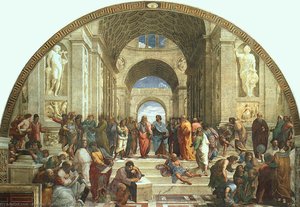
- Römische Periode (1508-1520): Arbeitete für zwei Päpste und ihre Mitarbeiter und schuf einige seiner bekanntesten Werke, darunter die Schule der Athene in der Vatikanische Stanza della Segnatura.
**Bekannte Werke und Vermächtnis**
Einige der bekannten Werke von Raphael sind:- Das Urteil des Salomon (ansicht auf OriginalUniqueArt)
- Die Esterházy-Madonna (ansicht auf OriginalUniqueArt)
- Vatikanische Stanzen - Ansicht der Stanza della Segnatura (ansicht auf OriginalUniqueArt)
- St. Sebastian (ansicht auf OriginalUniqueArt)
- La Donna Velata (ansicht auf OriginalUniqueArt)
**Einfluss und Vermächtnis**
Raphaels Einfluss auf die Kunst ist tiefgreifend, wobei sein Werk ein Eckpfeiler der Hochrenaissance darstellt. Sein ruhiger und harmonischer Stil war ein Vorbild für die neoklassische Malerei, wie von Kunsthistoriker Johann Joachim Winckelmann bemerkt. Trotz des späteren Einflusses von Michelangelos Stil bleibt Raphael einer der verehrtesten Künstler in der Geschichte. ansicht des Profils von Raphael auf OriginalUniqueArt
Raffael
1483 - 1520 , Italien
Kurzinfos
- Beeinflusste Künstler:
- Giovanni Santi
- Pietro Perugino
- Bemerkenswerte Werke:
- Das Urteil des Salomon
- Esterházy-Madonna
- Die Schule der Athener
- St. Sebastian
- La Donna Velata
- Einfluss Auf Kunst: Neoklassische Malerei
- Geburtsdatum: 1483
- Geburtsort: Urbino, Italien
- Künstlerischer Stil: Hochrenaissance
- Nationalität: Italienisch
- Todatum: 1520
- Vollständiger Name: Raffaello Sanzio da Urbino
- Von Künstlern Beeinflusst:
- Leonardo da Vinci
- Michelangelo
Ähnliche Artikel

Georges Braque: Die 25 Meisterwerke des Kubismus für Ihr Zuhause | OriginalUniqueArt
Entdecken Sie die 25 bedeutendsten Kunstwerke von Georges Braque – vom Kubismus bis zum Fauvismus. Erfahren Sie die Geschichten hinter den Meisterwerken und finden Sie hochwertige Reproduktionen für Ihr Zuhause auf OriginalUniqueArt.com.

Georges Seurat: Die 25 Meisterwerke des Pointillismus für Ihr Zuhause | OriginalUniqueArt
Entdecken Sie die 25 ikonischsten Meisterwerke von Georges Seurat! Tauchen Sie ein in die Welt des Pointillismus, der Farbtheorie und des Impressionismus. Hochwertige Kunst reproduzieren für Ihr Zuhause – jetzt auf OriginalUniqueArt.com!
Mastering Harmony: The Most Iconic Works of Raphael to Transform Your Space
Elevate your home with the sublime harmony of Raphael’s masterpieces. Explore iconic High Renaissance works, from St. George to The School of Athens, and discover how premium, hand-painted reproductions can transform your space into a sanctuary of classical elegance and timeless beauty.
Raphael: Die 25 Meisterwerke des Renaissance-Genies – Kunst für Ihr Zuhause
Entdecken Sie die 25 schönsten Meisterwerke von Raphael! Tauchen Sie ein in die Welt der Renaissance-Kunst, erfahren Sie faszinierende Geschichten und lassen Sie sich von den Farben und Kompositionen inspirieren. Hochwertige Reproduktionen auf OriginalUniqueArt.com.
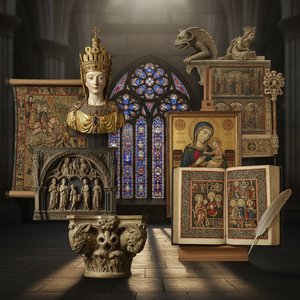
Meisterwerke des Hochmittelalters: 10 Kunstwerke für Ihr Zuhause | OriginalUniqueArt
Entdecken Sie die 10 bedeutendsten Meisterwerke des Hochmittelalters! Erfahren Sie Geschichten von Romanik, Gotik & berühmten Künstlern. Finden Sie hochwertige Reproduktionen für Ihr Zuhause auf OriginalUniqueArt.com.