 In echtem Maßstab anzeigen
 Versenden als Grußkarte
 Teilen
 Details anzeigen
 Leitfaden öffnen

 Herunterladen
 Ähnliche Objekte
 Röntgenaufnahme
 Diashow
 Besucherstatistiken
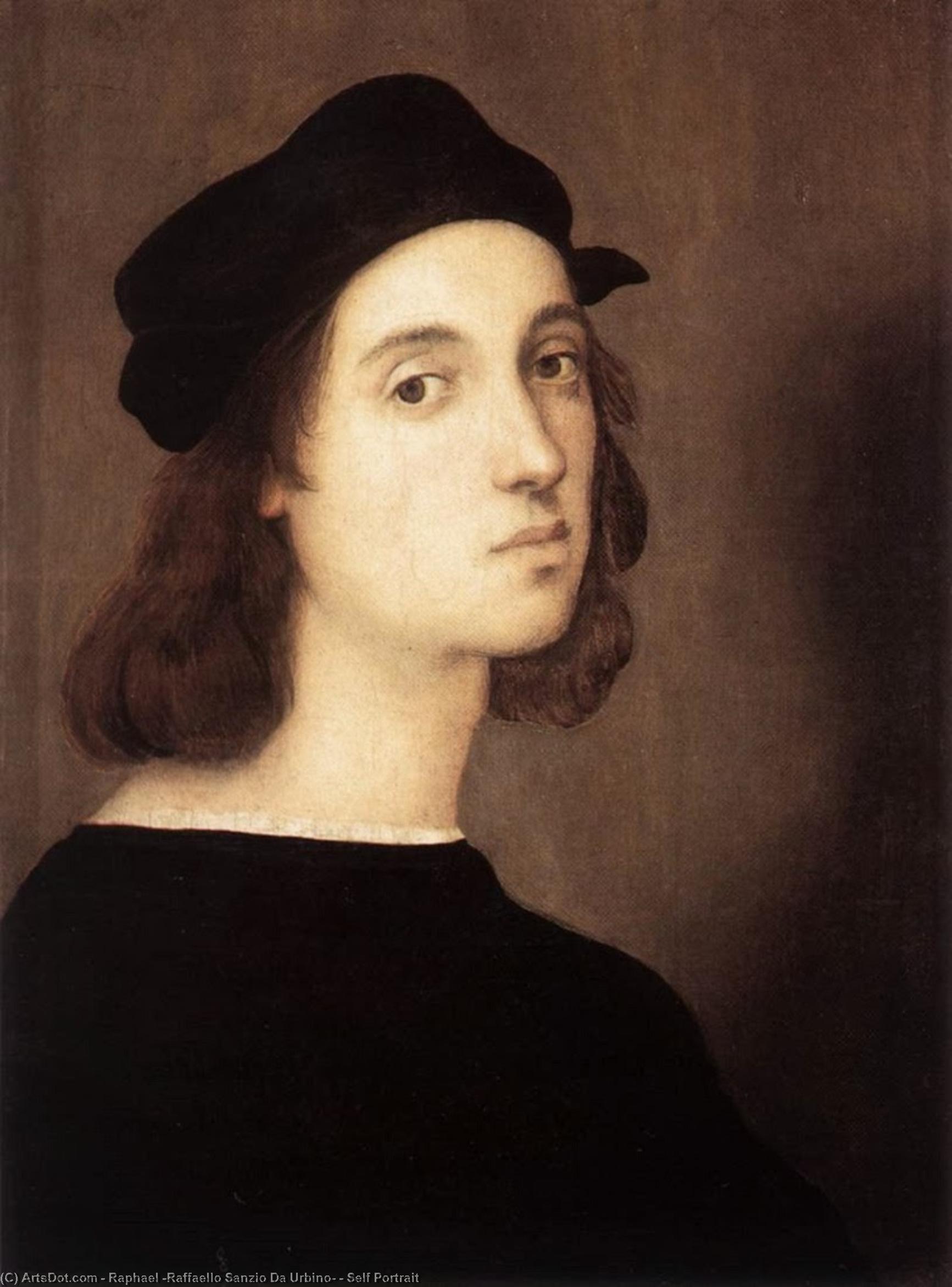
Selbstbildnis
 Öl auf Leinwand
- Wandkunst
- The painting exemplifies the Renaissance's blend o
 1506
1506- Renaissance
 45.0 x 33.0 cm
 Galleria degli Uffizi
 Mehr anzeigen
Giclée / Kunstdruck
Giclée- oder Leinwanddruck in Museumsqualität mit schneller Produktion und flexiblen Veredelungsoptionen. ( Handgemalte Reproduktion kaufen Zum digitalen Bild wechseln)




P118B €10

P118H €10

P118W €10

P438Z €10

P508JH €12

P508YH €12

P805H €10

P805Z €10

P919BZ €10

P919G €10

P919XJ €10

P959ZH €10

P968JZ €12

W106C €8

W218G €10

W218JH €8

W218Y €10

W307PJ €10

W316G €10

W316PJ €8

W316Y €10

W398PJ €8

W4111J €10

W500HY €15

W500JH €15

W692G €12

W849H €8

W940BG €15

W953PJ €8




Wählen Sie aus unseren vordefinierten Formaten, die den ursprünglichen Proportionen des Kunstwerks entsprechen.

Geben Sie die Breite und die Höhe an, die Sie benötigen, damit der Druck perfekt in Ihren Rahmen oder an Ihre Wand passt. Ein Druck kann nur beschnitten werden und niemals größer als das Originalbild gemacht werden; daher verliert ein Format mit einer anderen Proportion einen Teil des Bildes. Wir senden Ihnen ein digitales Mockup zur Freigabe, bevor wir den Druck ausführen. Das auf dieser Seite gezeigte Bild zeigt nicht den tatsächlichen Beschnitt – dies ist nur im Mockup ersichtlich.
Weltweiter Versand () innerhalb von 2 Wochen statt der üblichen 4/5 Wochen. (20 Oktober)

Kostenloser weltweiter Expressversand

Hochwertige Leinenleinwand

Vollständiger Versicherungsschutz beim Versand

Zollgebühren-Rückerstattungsgarantie

Garantie für exakte Farbtreue

100-tägiges Rückgaberecht (nur bei Mängeln)

100% Geld-zurück-Garantie

Angebot für Mengenrabatt
 Die Glasoption ist nur für Größen unter 110 cm verfügbar.

Selbstbildnis
Giclée / Kunstdruck
Format der Reproduktion
-


Gesamtpreis
€ 70
Raphael’s Self Portrait: A Window Into Renaissance Genius
Raphael Sanzio da Urbino (1483 – 1520), arguably the most celebrated artist of the High Renaissance, bequeathed to posterity an extraordinary legacy—a body of work that continues to inspire awe and admiration centuries later. Among his numerous masterpieces, Raphael’s Self Portrait (1506), housed in the Galleria degli Uffizi in Florence, stands as a singularly poignant emblem of his artistic vision and intellectual curiosity. This oil-on-panel painting transcends mere representation; it's an intimate glimpse into the mind of one of history’s greatest innovators.
Executed during a pivotal moment in Raphael’s career—a period marked by ambitious commissions for papal patrons and burgeoning fame—the portrait reveals a remarkable self-awareness. Unlike many portraits of his time, which prioritized idealized beauty and status, Raphael eschewed conventional conventions to capture not just his physical appearance but also the contemplative gaze that characterized his artistic temperament. The painting’s subtle nuances speak volumes about Raphael's understanding of human psychology and his desire to portray himself as a man of intellect and virtue.
Detailed Analysis: Composition and Technique
Measuring 45 x 33 cm, the canvas is dominated by a carefully balanced pyramidal composition—a hallmark of Raphael’s stylistic approach. The artist meticulously rendered every detail, utilizing sfumato—a technique pioneered by Leonardo da Vinci—to soften contours and create an ethereal luminescence that imbues the portrait with an unparalleled sense of depth and atmosphere. Raphael skillfully blended pigments using thin glazes, layering translucent washes of color to achieve a velvety texture and capturing the subtle variations in tonal value with astonishing precision.
The artist’s attention to anatomical accuracy is equally impressive. Raphael meticulously studied human anatomy—drawing inspiration from classical sculpture—to faithfully depict the musculature of his torso and limbs. The pose itself—slightly turned towards the viewer—suggests a quiet confidence and invites contemplation, mirroring the artist's own introspective nature.
Historical Context: Renaissance Humanism and Artistic Ideal
Raphael’s Self Portrait emerged from the fertile intellectual landscape of Florence during the High Renaissance—a period characterized by fervent interest in classical antiquity and a humanist belief in the inherent dignity of human beings. Influenced by thinkers like Pico della Mirandola and Erasmus, Raphael embraced the ideals of balance, harmony, and proportion that underpinned Renaissance art. This painting reflects the broader cultural preoccupation with exploring the complexities of human experience—a departure from medieval artistic conventions that prioritized religious symbolism over naturalistic representation.
Alongside Michelangelo and Leonardo da Vinci, Raphael formed the triumvirate of artistic giants who reshaped European culture. His influence extended far beyond his own lifetime, inspiring generations of artists and shaping the aesthetic sensibilities of subsequent eras. The Self Portrait serves as a testament to Raphael’s enduring legacy—a symbol of artistic excellence and intellectual curiosity that continues to captivate audiences worldwide.
Symbolism: Beyond Appearance
Beyond its meticulous depiction of physical features, Raphael's Self Portrait is laden with symbolic significance. The black hat adorned with gold trim represents nobility and prestige—reflecting Raphael’s elevated social standing within Urbino’s court. Similarly, the well-groomed beard and mustache symbolize wisdom and erudition—underscoring Raphael’s commitment to intellectual pursuits. Most importantly, however, the artist's gaze—directed outwards towards the viewer—suggests a profound awareness of his own role as an observer and interpreter of the world around him.
For those seeking to appreciate the sublime beauty of Renaissance art and delve into the mind of one of history’s most brilliant thinkers, /art/list/?Filter=8YDTSG-Raphael-(Raffaello-Sanzio-Da-Urbino)-Self-Portrait offers a stunning reproduction of this iconic masterpiece—a timeless testament to Raphael’s artistic genius and the enduring power of humanist ideals.
https://en.wikipedia.org/wiki/List_of_paintings_by_Raphael provides further insight into Raphael’s broader artistic oeuvre and his contribution to the Renaissance.
Fragen & Antworten
Welche Größe wird für "Selbstbildnis" in einem Wohnzimmer empfohlen?
Für einen Wohnzimmer wird für „Selbstbildnis“ ein Druckformat von Großformatig empfohlen.
Wo finde ich Statistiken zu "Selbstbildnis" von Raffael?
Die Seite Statistiken von "Selbstbildnis" von Raffael präsentiert öffentliche Besucherstatistiken: die monatlichen Aufrufe dieses Kunstwerks, einen Vergleich mit den meistbesuchten Werken des Künstlers sowie die Herkunft der Besucher.
Um welche Art von Kunstwerk handelt es sich bei "Selbstbildnis"?
Im Katalog ist "Selbstbildnis" von Raffael als Wandkunst geführt. Die Kategorie hilft dabei, ähnliche Werke zu finden.
Biografie des Künstlers
**frühes Leben und Ausbildung**
Raphael (Raffaello Sanzio da Urbino), ein renommierter italienischer Maler und Architekt, wurde zwischen dem 28. März und dem 6. April 1483 in der kleinen, aber kulturell bedeutenden Stadt Urbino geboren. Sein Vater, Giovanni Santi, war Hofmaler des Herzogs und vermittelte Raphael von Anfang an eine frühe Auseinandersetzung mit der künstlerischen Welt. Nach dem Tod seines Vaters im Alter von elf Jahren betrieb Raphael wahrscheinlich die Familienwerkstatt weiter, was seine künstlerische Grundlage festigte.**Künstlerischer Werdegang und Einflüsse**
Raphaels künstlerischer Weg lässt sich in drei verschiedene Phasen einteilen, jede mit einem einzigartigen Stil gekennzeichnet:- Frühe Jahre in Umbrien: Charakterisiert durch den Einfluss seines Vaters und die kulturelle Atmosphäre von Urbino.
- Florentinische Periode (1504-1508): Aufnahme der künstlerischen Traditionen Florenz, die seinen Stil maßgeblich prägte.
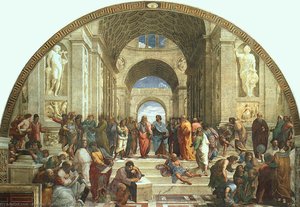
- Römische Periode (1508-1520): Arbeitete für zwei Päpste und ihre Mitarbeiter und schuf einige seiner bekanntesten Werke, darunter die Schule der Athene in der Vatikanische Stanza della Segnatura.
**Bekannte Werke und Vermächtnis**
Einige der bekannten Werke von Raphael sind:- Das Urteil des Salomon (ansicht auf OriginalUniqueArt)
- Die Esterházy-Madonna (ansicht auf OriginalUniqueArt)
- Vatikanische Stanzen - Ansicht der Stanza della Segnatura (ansicht auf OriginalUniqueArt)
- St. Sebastian (ansicht auf OriginalUniqueArt)
- La Donna Velata (ansicht auf OriginalUniqueArt)
**Einfluss und Vermächtnis**
Raphaels Einfluss auf die Kunst ist tiefgreifend, wobei sein Werk ein Eckpfeiler der Hochrenaissance darstellt. Sein ruhiger und harmonischer Stil war ein Vorbild für die neoklassische Malerei, wie von Kunsthistoriker Johann Joachim Winckelmann bemerkt. Trotz des späteren Einflusses von Michelangelos Stil bleibt Raphael einer der verehrtesten Künstler in der Geschichte. ansicht des Profils von Raphael auf OriginalUniqueArt
Raffael
1483 - 1520 , Italien
Eckdaten zum Künstler
- Beeinflusste Künstler:
- Giovanni Santi
- Pietro Perugino
- Bemerkenswerte Werke:
- Das Urteil des Salomon
- Esterházy-Madonna
- Die Schule der Athener
- St. Sebastian
- La Donna Velata
- Einfluss Auf Kunst: Neoklassische Malerei
- Geburtsdatum: 1483
- Geburtsort: Urbino, Italien
- Künstlerischer Stil: Hochrenaissance
- Nationalität: Italienisch
- Todatum: 1520
- Vollständiger Name: Raffaello Sanzio da Urbino
- Von Künstlern Beeinflusst:
- Leonardo da Vinci
- Michelangelo
Verwandte Artikel
Reproduktionsmedien im Vergleich: Handgemalte Ölgemälde, Leinwanddrucke und gerahmte Papierdrucke
Expertenrat für Innenarchitekten: Vergleichen Sie handgemalte Ölgemälde, Leinwanddrucke & Papierdrucke. Finden Sie die perfekte Kunstreproduktion für Ihr Projekt!
The Digital Portrait Renaissance: Transforming Personal Photography into Timeless Oil Paintings Through Artistic Reproduction
Transform your cherished photos into timeless oil paintings with OriginalUniqueArt's expert artists. Museum-quality reproductions & custom portraits, crafted to last a lifetime. Discover the art of personal legacy.
Die 10 Meisterwerke des Neoklassizismus: Kunst für Ihr Zuhause |
Entdecken Sie die 10 Meisterwerke des Neoklassizismus! Von David bis Canova – erleben Sie Kunstgeschichte, elegante Ästhetik & zeitlose Schönheit. Hochwertige Reproduktionen auf .
From Initial Sketch to Enduring Legacy: A Comprehensive Exploration of the Oil Painting Reproduction Process
Discover the art of museum-quality oil painting reproduction. Explore our expert process, skilled artists & authentic replicas. Elevate your home with timeless beauty – handcrafted and customized to your vision.
Raphael: Die 25 Meisterwerke des Renaissance-Genies – Kunst für Ihr Zuhause
Entdecken Sie die 25 schönsten Meisterwerke von Raphael! Tauchen Sie ein in die Welt der Renaissance-Kunst, erfahren Sie faszinierende Geschichten und lassen Sie sich von den Farben und Kompositionen inspirieren. Hochwertige Reproduktionen auf OriginalUniqueArt.com.