Vorschau anzeigen
 Versenden
 Teilen
 Details anzeigen
 Leitfaden

 Herunterladen
 Ähnliche Objekte
 Röntgenaufnahme
 Diashow
 Statistiken
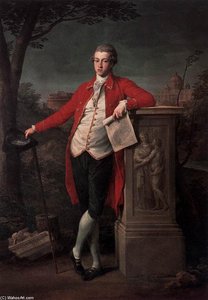
Sir Charles Watson
 Oil On Canvas
- WallArt
- Neoclassicism
 75.0 x 99.0 cm
 Fondazione Cariplo
 Weiterlesen
Handgefertigte Ölreproduktion
Handgemaltes Ölgemälde auf Leinwand in Ihrer Wunschgröße und mit Rahmen, auf Bestellung von unseren Künstlern angefertigt. ( Zum Druck wechseln Zum digitalen Bild wechseln)




P118B €10

P118H €10

P118W €10

P438Z €10

P508JH €12

P508YH €12

P805H €10

P805Z €10

P919BZ €10

P919G €10

P919XJ €10

P959ZH €10

P968JZ €12

W106C €8

W218G €10

W218JH €8

W218Y €10

W307PJ €10

W316G €10

W316PJ €8

W316Y €10

W398PJ €8

W4111J €10

W500HY €15

W500JH €15

W692G €12

W849H €8

W940BG €15

W953PJ €8




Wählen Sie aus unseren vordefinierten Formaten, die den ursprünglichen Proportionen des Kunstwerks entsprechen.

Geben Sie die Breite und die Höhe an, die Sie für Ihren Rahmen oder Ihre Wand benötigen. Da dieses Werk handgemalt ist, kann der Künstler bei einer anderen Form etwas mehr um das Bild herum malen oder etwas abschneiden – Sie entscheiden. Wir senden Ihnen ein digitales Mockup zur Freigabe, bevor mit dem Malen begonnen wird. Das auf dieser Seite gezeigte Bild stellt nicht das tatsächliche Ergebnis dar – dies tut nur das Mockup.
Nach der Bestellung wird das OriginalUniqueArt.com-Team dem Kunden Anweisungen per E-Mail zusenden und eine Mockup-Vorschau bereitstellen.
Weltweiter Versand () in nur 3 bis 4 Wochen statt der üblichen 5 Wochen. (26 Oktober). Keine Kompromisse bei der Qualität.

Kostenloser weltweiter Expressversand

Hochwertige Leinenleinwand

Umfassender Versicherungsschutz beim Versand

Zollgebühren-Rückerstattungsgarantie

Garantie für exakte Farbtreue

100 Tage Rückgaberecht (nur bei Mängeln)

100% Geld-zurück-Garantie

Mengenrabatt verfügbar
 Die Glasoption ist nur für Größen unter 110 cm verfügbar.

Sir Charles Watson
Art der Reproduktion
Format der Reproduktion
-


Endpreis
€ 263
A Glimpse into Aristocratic Grandeur: Pompeo Batoni's Portrait of Sir Charles Watson
To stand before this portrait is to step directly into the gilded salons of eighteenth-century Rome, a place where culture, ambition, and artistry converged. Pompeo Batoni, master chronicler of the privileged elite, has captured not merely a likeness, but an entire moment in aristocratic life. The subject, Sir Charles Watson, gazes out with a composed intensity that speaks volumes of his station and the era's expectations for gentlemen of means. His bearing is one of assured refinement; the crisp lines of his ruffled collar contrast beautifully with the deep tones of his brown coat, anchoring the composition against the stark, dramatic backdrop.
The Allure of Fashion and Historical Echoes
What immediately draws the eye, beyond the sitter's steady gaze, is the costume itself. Batoni has dressed Sir Charles in what is described as the Van Dyck dress—a fashion choice that transports us back to the opulent courts of the early seventeenth century. The golden mantle and buttons evoke the grandeur associated with Antoon Van Dyck’s time at the court of Charles I, a style that held immense sway among the British aristocracy during this period. This deliberate nod to historical costume suggests more than mere vanity; it is a sophisticated cultural citation, a visual language understood only by those who navigated the intellectual currents of the Grand Tour. The feather held delicately in his hand serves as both an accessory and a subtle emblem of status.
Mastery of Technique and Atmosphere
Technically, this oil on canvas exemplifies Batoni's genius for portraiture. His ability to render texture—the soft sweep of the white beard against the dark fabric, the sheen of the gold trim—is breathtaking. The contrast between the richly detailed foreground and the almost monolithic black background is a masterful stroke. This simplicity forces the viewer’s entire attention onto the sitter's face and gesture. Batoni, whose style drew from Bolognese Classicism and Raphael, achieves here a balance: the formality of classical portraiture infused with the vibrant immediacy of contemporary life. It is art that feels both timelessly grand and intimately personal.
A Statement for the Modern Collector
For the discerning collector or designer seeking to infuse a space with historical depth and undeniable elegance, this piece offers profound resonance. Reproducing such an artwork allows one to own a tangible piece of cultural history. It speaks to themes of lineage, worldly success, and enduring style. Imagine this portrait gracing a library or drawing-room; it does not merely decorate—it narrates the story of those who shaped the world from within its most cultured circles. It is an object that commands conversation, whispering tales of Oxford graduations, naval supremacy, and the dazzling allure of Italian artistic patronage.
Fragen & Antworten
Wie kann ich "Sir Charles Watson" von Pompeo Batoni als Diashow ansehen?
"Sir Charles Watson" von Pompeo Batoni kann als Diashow auf der Diashow-Seite des Kunstwerks betrachtet werden.
Woher kommen die Besucher von "Sir Charles Watson" von Pompeo Batoni?
Die Seite Besucherzahlen von "Sir Charles Watson" von Pompeo Batoni präsentiert öffentliche Besucherstatistiken: die monatlichen Aufrufe dieses Kunstwerks, einen Vergleich mit den meistbesuchten Werken des Künstlers sowie die Herkunft der Besucher.
Welche Farben dominieren "Sir Charles Watson" von Pompeo Batoni?
"Sir Charles Watson" von Pompeo Batoni verwendet eine Earthy-Palette, wobei Black (#151512) die dominierende Farbe ist.
Künstlerbiografie
Frühes Leben und Ausbildung
- Geboren: Lucca, Italien (1708)
- Gestorben: 1787
- Pompeo Batoni zog 1727 nach Rom.
- Er absolvierte eine Lehre bei Agostino Masucci, Sebastiano Conca und/oder Francesco Imperiali.
- Sein erster unabhängiger Auftrag kam als Folge von Regenfällen, die Rom im April 1732 heimsuchten.
- Das Gemälde „Die Ekstase der Heiligen Katharina von Siena“ veranschaulicht seine akademische Verfeinerung des späten Barockstils.
Künstlerischer Stil und Einflüsse
- Batonis Stil ließ sich von der klassischen Antike, dem französischen Rokoko, dem Bologneser Klassizismus sowie von Künstlern wie Nicolas Poussin, Claude Lorrain und insbesondere Raffael inspirieren.
- Er gilt als Vorläufer des Neoklassizismus.
- Seine Werke befinden sich in verschiedenen Museen, darunter die Pinacoteca di Brera in Mailand, Italien.
Bemerkenswerte Werke und Aufträge
- Jungfrau und Kind mit Heiligen
- Ein Ritter in Rom: Charles Cecil Roberts – Ein gefeiertes Porträt eines britischen Reisenden vor der Kulisse römischer Ruinen.
- Der Triumph Venedigs
- Zahlreiche Altarbilder für Kirchen in Italien, wie das Museum Duomo in Siena.
- Er war sehr gefragt für Porträts, insbesondere von britischen Reisenden auf der Grand Tour, die stehende Porträts in antiken Settings in Auftrag gaben.
Entwicklung und historische Bedeutung
- Batoni wurde nach dem Weggang seines Rivalen Anton Raphael Mengs nach Spanien im Jahr 1761 zu einem sehr gefragten Maler in Rom.
- Er freundete sich mit Winckelmann an und versuchte, den Klassizismus in seiner Malerei einzuschränken.
- Seine Porträts fingen den Geist der Grand-Tour-Ära ein und spiegelten die Faszination für die klassische Antike unter Europas Eliten wider.
- Batonis Fähigkeit, Barocktechniken mit aufkommenden neoklassizistischen Idealen zu verbinden, positionierte ihn als eine Übergangsfigur in der italienischen Kunstgeschichte.
Vermächtnis
- Pompeo Batoni starb am 4. Februar 1787 in Rom.
- Er hinterließ ein Vermächtnis als einer der renommiertesten italienischen Maler seiner Zeit.
- Seine Arbeit wird weiterhin für ihre technische Fertigkeit, eleganten Kompositionen und aufschlussreichen Darstellungen von Personen im historischen Kontext bewundert.

Pompeo Batoni
1708 - 1787 , Italien
Kurzinfos
- Beeinflusste Künstler:
- Nicolas Poussin
- Claude Lorrain
- Raphael
- Bemerkenswerte Werke:
- Madonna mit Kind
- A Knight in Rome
- Der Triumph Venedigs
- Geburtsdatum: 25. Januar 1708
- Geburtsort: Lucca, Italien
- Künstlerischer Stil: Neoklassizismus
- Nationalität: Italienisch
- Sterbedatum: 4. Februar 1787
- Vollständiger Name: Pompeo Girolamo Batoni
Ähnliche Artikel

Das bleibende Erbe der Ölmalerei: Technik, Geschichte und zeitgenössische Praxis
Entdecken Sie die faszinierende Geschichte der Ölmalerei – von den frühen Techniken bis zur modernen Kunst. Expertenwissen, detaillierte Analysen und Inspiration für Sammler & Kunstliebhaber.

The Enduring Legacy of Oil on Canvas: Technique, History & Aesthetic Impact
Explore the rich history & techniques of oil painting – from Renaissance masters to Impressionism. Discover pigments, layering methods, and why this timeless medium endures. Expert insights for artists & art enthusiasts.

Öl auf Leinwand: Eine historische und technische Erkundung eines zeitlosen künstlerischen Mediums
Entdecken Sie die faszinierende Welt der Ölmalerei! Von historischen Techniken bis zur modernen Anwendung – wir bieten Expertenwissen, Restaurierungstipps und hochwertige Reproduktionen. Jetzt informieren!

The Soul of Impressionism: Why Oil on Canvas Captures Eternal Light and Timeless Emotion
Discover the enchanting alchemy of Impressionism. Explore how the mastery of oil on canvas, through glazing and impasto, captures eternal light and emotion. Perfect for lovers of Monet and Van Gogh seeking the profound depth of hand-painted fine art.
Öl auf Leinwand: Die 10 Meisterwerke, die Kunst für immer veränderten |
Entdecken Sie die 10 legendärsten Öl auf Leinwand Meisterwerke! Von Van Gogh bis Monet – erfahren Sie die Geschichten hinter ikonischen Gemälden und lassen Sie sich von Kunstgeschichte inspirieren. Hochwertige Reproduktionen für Ihr Zuhause finden Sie auf .