Vorschau anzeigen
 Versenden
 Teilen
 Details anzeigen

 Herunterladen
 Ähnliche Objekte
 Röntgenaufnahme
 Diashow
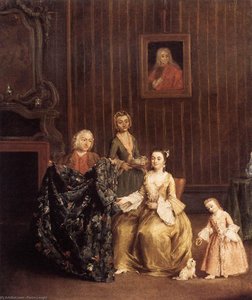
The Concert
 Acrylic On Canvas
- WallArt
- Rococo Painting
 1741
1741 60.0 x 48.0 cm
 Gallerie dell’Accademia
 Weiterlesen
Handgefertigte Ölreproduktion
Handgemaltes Ölgemälde auf Leinwand in Ihrer Wunschgröße und mit Rahmen, auf Bestellung von unseren Künstlern angefertigt. ( Druck bestellen Bild kaufen)




P118B $10

P118H $10

P118W $10

P438Z $10

P508JH $12

P508YH $12

P805H $10

P805Z $10

P919BZ $10

P919G $10

P919XJ $10

P959ZH $10

P968JZ $12

W106C $8

W218G $10

W218JH $8

W218Y $10

W307PJ $10

W316G $10

W316PJ $8

W316Y $10

W398PJ $8

W4111J $10

W500HY $15

W500JH $15

W692G $12

W849H $8

W940BG $15

W953PJ $8




Wählen Sie aus unseren vordefinierten Formaten, die den ursprünglichen Proportionen des Kunstwerks entsprechen.

Sie können Ihre eigenen Maße eingeben, um einen bestimmten Rahmen oder Platz auszufüllen. Wenn die gewählte Größe nicht den Proportionen des Originalbildes entspricht, werden wir das Kunstwerk entweder beschneiden oder das Gemälde durch zusätzliche, handgemalte Elemente erweitern. Ein digitales Mockup wird Ihnen zur Genehmigung zugesandt, bevor die Produktion beginnt.
Bitte beachten Sie, dass die Bildschirmvorschau nicht die tatsächliche Beschneidung oder Erweiterung widerspiegelt. Nur das Mockup zeigt die endgültige Komposition exakt an.
Obwohl Sondermaße verfügbar sind, empfehlen wir, eine Größe aus der vordefinierten Liste zu wählen, um die ursprünglichen Proportionen beizubehalten.
Nach der Bestellung wird das OriginalUniqueArt.com-Team dem Kunden Anweisungen per E-Mail zusenden und eine Mockup-Vorschau bereitstellen.
Weltweiter Versand () in nur 3 bis 4 Wochen statt der üblichen 5 Wochen. (13 August). Keine Kompromisse bei der Qualität.

Kostenloser weltweiter Expressversand

Hochwertige Leinenleinwand

Umfassender Versicherungsschutz beim Versand

Zollgebühren-Rückerstattungsgarantie

Garantie für exakte Farbtreue

60 Tage Rückgaberecht (nur bei Mängeln)

100% Geld-zurück-Garantie

Mengenrabatt verfügbar
 Die Glasoption ist nur für Größen unter 110 cm verfügbar.

The Concert
Art der Reproduktion
Format der Reproduktion
-


Gesamtpreis
$ 300
Beschreibung des Kunstwerks
The Concert: A Venetian Intimacy
Pietro Longhi’s “The Concert,” painted in 1741, isn't merely a depiction of an evening gathering; it’s a meticulously crafted window into the heart of 18th-century Venice – a society both refined and subtly observant. Far removed from the grand historical narratives favored by many of his contemporaries, Longhi chose to capture the quiet dramas unfolding within the walls of bourgeois homes, offering a remarkably intimate glimpse into the lives of Venetian citizens. The painting immediately draws the eye with its warm, inviting palette—a blend of ochres, reds, and golds that evokes the flickering light of candlelight dancing across richly upholstered furniture. It’s a scene brimming with understated elegance, yet subtly hinting at the complexities beneath the surface of polite society.
The composition itself is deceptively simple, yet remarkably dynamic. A woman, presumably the hostess, sits poised on a bed, her hands gracefully supporting a violin – an instrument central to Venetian musical life. She appears to be singing, her posture suggesting both confidence and a touch of vulnerability. Around her, a group of figures are engaged in various activities: some listening intently, others conversing animatedly, while a young man playfully leans towards the woman, perhaps offering a flirtatious glance. The inclusion of a bird perched on a chair adds an unexpected element of charm and whimsy, subtly disrupting the formality of the scene and hinting at a more carefree spirit.
A Rococo Masterpiece: Style and Technique
“The Concert” firmly establishes Longhi as a key figure in the Venetian Rococo style. This movement, flourishing during the 18th century, prioritized elegance, grace, and a celebration of everyday life. Unlike the rigid formality of Baroque art, Rococo embraced asymmetry, delicate ornamentation, and a sense of playful informality. Longhi’s brushwork is remarkably fluid and loose, contributing to the painting's overall feeling of warmth and spontaneity. Notice how he uses broken color—small, distinct strokes of paint—to create texture and depth, particularly in the fabrics and furnishings. The figures are rendered with a remarkable degree of realism, yet imbued with a sense of charm and personality. The use of chiaroscuro – the dramatic contrast between light and shadow – further enhances the painting’s visual impact, drawing attention to key elements and creating a sense of depth.
Longhi's technical skill is evident in his masterful depiction of domestic interiors. He meticulously captures the details of the room—the ornate furniture, the delicate porcelain vase, the grandfather clock – each element contributing to the painting’s overall atmosphere. The perspective is carefully considered, creating a sense of space and inviting the viewer into the scene. The artist's attention to detail extends beyond mere representation; he seems to be conveying a feeling, an essence, of the moment captured on canvas.
Venetian Society: Context and Symbolism
To fully appreciate “The Concert,” it’s crucial to understand the social context in which it was created. Venice in the 18th century was a vibrant hub of commerce, art, and culture—a city where wealth and privilege coexisted with poverty and intrigue. Longhi's paintings offer a rare glimpse into the lives of the Venetian bourgeoisie – the merchants, bankers, and artisans who formed the backbone of the city’s economy. The scene depicted in “The Concert” reflects the values and customs of this social class—a love of music, refined conversation, and elegant entertainment.
Symbolism plays a subtle but significant role throughout the painting. The violin itself is a potent symbol of musicality and refinement, while the gathering represents the importance of social connection and leisure. The presence of the bird could be interpreted as a symbol of joy or good fortune. Even the seemingly mundane details—the clock, the vase—carry symbolic weight, reflecting the values and aspirations of Venetian society. The painting is not simply a snapshot of a particular moment; it’s a carefully constructed representation of an entire worldview.
Emotional Resonance: A Moment of Quiet Delight
Despite its historical context, “The Concert” possesses a remarkable emotional resonance that continues to captivate viewers today. It's a painting about connection, intimacy, and the simple pleasures of life—a reminder that even in the midst of bustling city life, moments of quiet delight can be found within the walls of one’s own home. The scene exudes a sense of warmth, conviviality, and understated charm. The figures seem genuinely engaged with each other, lost in the enjoyment of music and conversation.
Reproductions of “The Concert” offer an exceptional opportunity to bring this captivating Venetian scene into your own space. Whether you’re seeking to add a touch of elegance to a formal living room or create a cozy atmosphere in a study, this painting's timeless appeal will undoubtedly enhance any setting. It is more than just a beautiful image; it’s a portal to another time and place—a testament to the enduring power of art to transport us beyond our own lives.
Über den Künstler
Frühes Leben und Ausbildung
Pietro Longhi, ein renommierter venezianischer Maler, wurde am 5. November 1701 in Venedig in der Gemeinde Saint Maria geboren. Er war das erste Kind von Alessandro Falca, einem Silberschmied, und seiner Frau Antonia. Longhi nahm seinen Nachnamen an, als er mit dem Malen begann, anfänglich unterrichtet vom veronesischen Maler Antonio Balestra.Künstlerische Karriere
Longhis frühe Arbeiten umfassten Altäre und religiöse Themen, wobei sein erstes größeres dokumentiertes Werk ein Altarbild für die Kirche San Pellegrino im Jahr 1732 war. Später spezialisierte er sich auf kleinformatige Genremotive, was ihm den Titel „Der venezianische William Hogarth“ einbrachte. Seine galanten Innenansichten spiegeln den Fokus des 18. Jahrhunderts auf das Private und Bürgertum wider.- Longhis Gemälde zeigen oft maskierte Figuren bei verschiedenen Aktivitäten, wie z.B. die Begegnung des Procurators mit seiner Frau, was seine satirische Perspektive zeigt.
- Seine Werke, wie z.B. Entenjäger auf der Lagune, demonstrieren seine Fähigkeit, den Alltag in Venedig einzufangen.
- Longhis zahlreiche Zeichnungen, typischerweise in schwarzem Kreide oder Bleistift mit weißer Kreide auf farbigem Papier, wurden oft für sich selbst angefertigt, nicht als Studien für Gemälde.
Museum und Kunstbewegung
Longhis Werke sind in verschiedenen Museen zu finden, darunter die Pinacoteca Querini Stampalia in Venedig, die seine Szenen aus der Jagd (Caccia) zeigt. Sein Stil ist charakteristisch für die venezianische Malerei-Kunstbewegung, die Farbe über Linie betonte und im Gegensatz zur in Italien vorherrschenden Manierismus stand. Bemerkenswerte Werke:- Der Schneider (Gallerie dell'Accademia, Venedig, Italien)
- Die Taufe (Fondazione Querini Stampalia, Venedig, Italien)
- Der Maler in seinem Atelier (Ca' Zenobio, Venedig, Italien)
Vermächtnis
Pietro Longhi verstarb am 8. Mai 1785 und hinterließ ein Vermächtnis als einer der gefeiertsten Genremaler seiner Zeit. Seine Arbeit wird weiterhin für ihre einzigartige Mischung aus Satire und Alltag bewundert, die einen Einblick in das Venedig des 18. Jahrhunderts bietet. Mehr Werke von Pietro Longhi auf OriginalUniqueArt.com ansehen.
Pietro Longhi
1701 - 1785 , Italien
Kurzinfos
- Bemerkenswerte Werke:
- Der Schneider
- Die Taufe
- Maler in seinem Atelier
- Geburtsdatum: 5. November 1701
- Geburtsort (Stadt, Land): Venedig, Italien
- Künstler, Die Diesen Künstler Beeinflussten: ['Antonio Balestra']
- Künstlerische Bewegung/Stil: Venezianische Malerei
- Nationalität: Italienisch
- Sterbedatum: 8. Mai 1785
- Vollständiger Name: Pietro Longhi
Ähnliche Artikel

Pietro Longhi's Venetian Scenes: A Study of Rococo Society & Domestic Life
Explore the captivating world of Pietro Longhi's Venetian scenes! Discover insightful analysis of his Rococo masterpieces & social commentary on 18th-century life. Learn about this 'Venetian Hogarth' and his lasting artistic legacy.

The Rococo Aesthetic: Opulence, Rebellion & the Pursuit of Pleasure in 18th-Century Art
Explore the opulent world of Rococo art! Discover its origins, key artists like Watteau & Boucher, and lasting influence on design. Expert insights for collectors & enthusiasts.

Rococo Meisterwerke: Die Top 10, die eine Epoche prägten |
Entdecken Sie die Top 10 Rokoko Meisterwerke von Watteau, Boucher & Fragonard! Erfahren Sie die Geschichten hinter diesen ikonischen Gemälden und lassen Sie sich für Ihre Inneneinrichtung inspirieren. Hochwertige Kunstdrucke auf .

Francesco Guardi: Venezianisches Licht, Atmosphäre und der Übergang zum Neoklassizismus
Entdecken Sie Francesco Guardis Meisterwerke der venezianischen Vedutenmalerei! Erfahren Sie mehr über seinen einzigartigen Stil, den Übergang vom Rokoko und Investitionsmöglichkeiten für Kunstsammler. Expertenwissen auf OriginalUniqueArt.

Jacopo Tintoretto: Die 25 Meisterwerke des venezianischen Dramatikers | OriginalUniqueArt
Entdecken Sie die 25 Meisterwerke von Jacopo Tintoretto! Tauchen Sie ein in die dramatische Welt der venezianischen Renaissance. Hochwertige Kunst-Reproduktionen & Inspiration für Ihr Zuhause – jetzt auf OriginalUniqueArt.com.