- Startseite

- Digitales Kunstwerk
- Pietro Cavallini
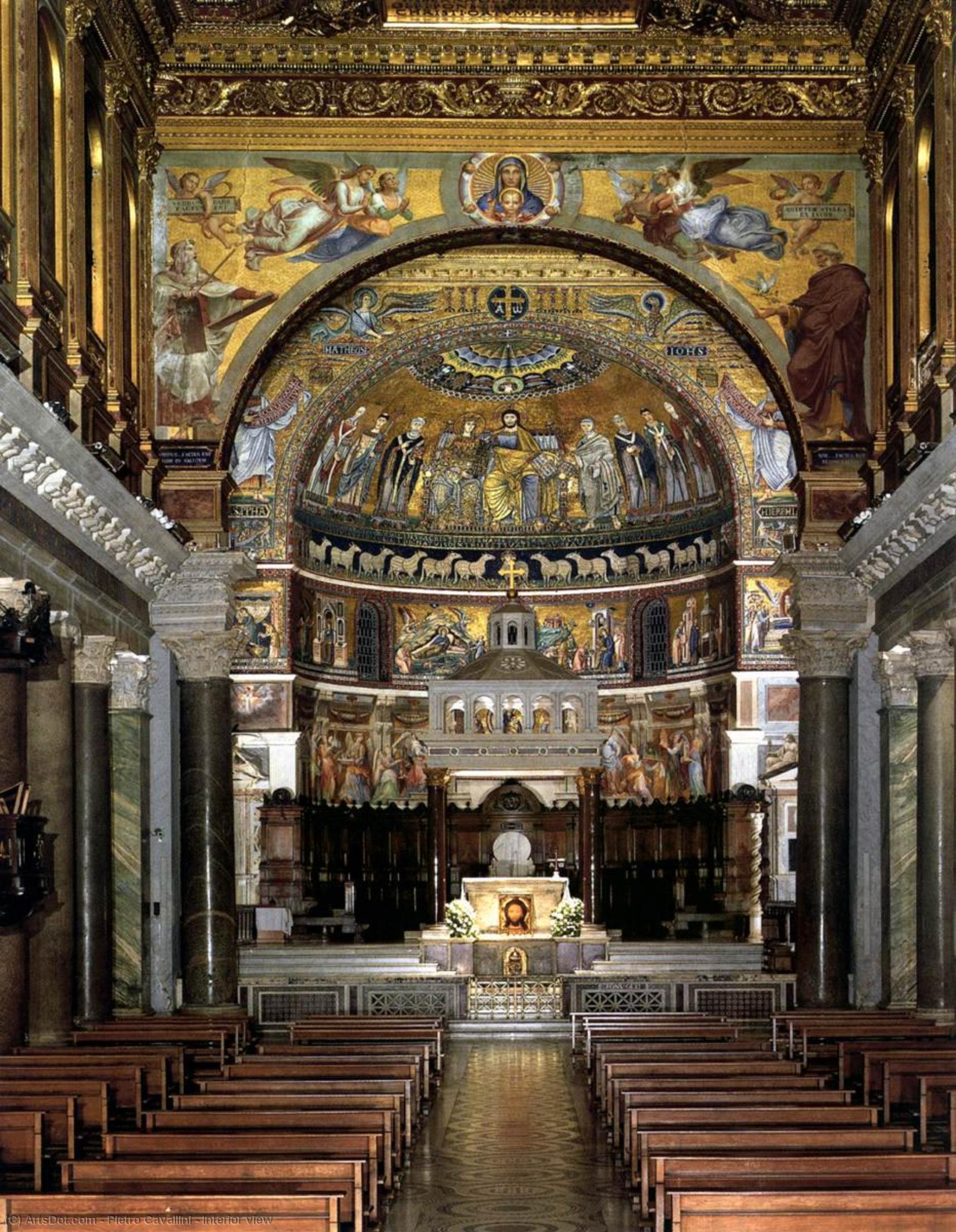
- Interior view
 Druck bestellen Gemälde kaufen
 Versenden
 Teilen
 Details anzeigen
 Zu Favoriten hinzufügen

 Herunterladen
 Ähnliche Objekte
 Röntgenaufnahme
 Diashow anzeigen
Interior view


 Weiterlesen
Erwerben Sie ein hochauflösendes, optimiertes digitales Bild, das der Online-Vorschau weit überlegen ist.
Jede Datei wird von unseren hauseigenen Spezialisten mit modernsten Werkzeugen und fachmännischer manueller Retusche sorgfältig vorbereitet. Wir stellen sicher, dass jedes Bild eine außergewöhnliche Klarheit, präzise Farbgenauigkeit und feinste Details aufweist.
Die endgültige Datei wird innerhalb von 72 Stunden per E-Mail zugestellt und ist für den sofortigen Einsatz in professionellen, redaktionellen und Druckumgebungen optimiert. Es handelt sich um dieselbe Qualität, der führende Designstudios, Verlage und Galerien vertrauen.
Digitales Kunstwerk
Laden Sie eine hochauflösende Datei für die persönliche Präsentation, den Druck und kreative Projekte herunter.
In jeder Bestellung digitaler Bilder enthalten
Professionelle digitale Bereitstellung, garantiert
Wenn Sie sich für OriginalUniqueArt.com entscheiden, erhalten Sie nicht nur ein Bild – Sie erhalten ein professionell aufbereitetes digitales Kunstwerk, das mit höchster Präzision erstellt und durch eine Zufriedenheitsgarantie abgesichert wird. Hier ist alles, was automatisch mit Ihrer Bestellung geliefert wird:

Schnelle E-Mail-Zustellung
Ihre hochauflösende digitale Bilddatei wird Ihnen innerhalb von 72 Stunden nach der Bestellung per E-Mail zugestellt – bereit zur sofortigen Verwendung.

KI-optimierte digitale Datei
Ihre Kunstwerke werden professionell mithilfe fortschrittlicher KI-Tools und manueller Bearbeitung optimiert, um maximale Detailtreue, Klarheit und Farbgenauigkeit zu gewährleisten.

Kostenloser lebenslanger erneuter Versand
Datei versehentlich gelöscht oder verloren? Keine Sorge – wir senden sie Ihnen jederzeit kostenlos erneut zu.

Keine Einfuhrgebühren – jemals
Genießen Sie Ihr Kunstwerk sofort ohne Zollgebühren, Einfuhrabgaben oder Versandkosten – digitale Downloads sind immer steuerfrei.

Garantierte Farbtreue
Wir garantieren, dass Ihr digitales Bild die Originalfarben mithilfe professioneller Werkzeuge und Farbmanagement so präzise wie möglich wiedergibt.

60-Tage-Zufriedenheitsgarantie
Sollten Sie mit Ihrem digitalen Bild nicht zufrieden sein, werden wir es überarbeiten oder Ihnen innerhalb von 60 Tagen 100% erstatten – ohne Wenn und Aber.

100% Geld-zurück-Garantie
Nicht zufrieden? Erhalten Sie innerhalb von 60 Tagen nach Erhalt Ihrer digitalen Datei eine vollständige Rückerstattung – ohne Angabe von Gründen.

Rabatte bei Großbestellungen
3 Bilder kaufen, 10% sparen – 5 Bilder kaufen, 15% sparen – Ab 10 Bildern 20% sparen. Ideal für kreative Projekte, Galerien und Agenturen.
Details zum Sammlerstück
A Vision of Divine Grandeur
Stepping into the Interior View is akin to entering a celestial realm where the boundaries between the earthly and the divine begin to dissolve. This breathtaking depiction of a sacred space, dating back to 1296, captures the profound majesty of Roman ecclesiastical architecture at its zenith. The composition draws the eye through a rhythmic procession of ornate columns and sweeping arches, leading the viewer toward the heart of the sanctuary: the altar. Every element, from the polished stone floors that catch the soft, diffused light to the heavy wooden pews arranged in traditional reverence, serves to direct our spiritual focus inward. It is not merely a depiction of a building, but an invitation to experience the stillness and sanctity of a space designed for eternal contemplation.
The artistry within this view is defined by the masterful use of light and texture, characteristic of the transition toward Roman Naturalism. The ceiling, a vaulted expanse of rich gold, glows with an ethereal warmth, its intricate patterns suggesting a heavenly canopy that protects the faithful below. This opulence is balanced by the meticulous detail found in the mosaics that adorn the walls. These vibrant tesserae depict saints and biblical narratives with a level of craftsmanship that speaks to the immense devotion of the era. The interplay between the shimmering gold surfaces and the soft, natural illumination creates a serene atmosphere, making the space feel both physically vast and intimately peaceful.
The Legacy of Pietro Cavallini
To understand the soul of this interior, one must look to the hand of Pietro Cavallini, a pioneer who dared to breathe life into the rigid conventions of Byzantine art. As a master of the Roman school, Cavallini introduced an unprecedented anatomical accuracy and emotional depth to his works. In this architectural vista, we see the fruits of his revolutionary approach—a move away from flat, stylized icons toward a more three-dimensional, tactile reality. The way the light interacts with the surfaces in this scene reflects Cavallini’s profound ability to capture volume and weight, transforming stone and pigment into a living, breathing environment.
For the discerning collector or interior designer, a reproduction of this masterpiece offers more than just decoration; it provides a focal point of historical significance and spiritual depth. Integrating such a piece into a contemporary setting brings an element of timelessness and classical elegance. The rich palette of golds, deep wood tones, and mosaic hues can anchor a room, providing a sense of permanence and grandeur. Whether placed in a quiet study or a grand hall, this artwork serves as a window into the late 13th century, reminding us of a time when art was the ultimate bridge between the human experience and the infinite.
Biografie des Künstlers
Pietro Cavallini: The Pioneer of Roman Naturalism
Pietro Cavallini stands as a pivotal figure in the transition from Byzantine artistic conventions to the burgeoning naturalism that would characterize Early Renaissance Italy. Born around 1240 in Rome, his life remains shrouded in relative obscurity—records indicate he signed pictor romanus, suggesting a connection to St. Paul Outside the Walls basilica, where he began his illustrious career. This initial commission marked an audacious departure from the stylized depictions prevalent throughout Europe at the time, establishing Cavallini as one of the earliest champions of what would become known as Roman Naturalism.Early Commissions and Artistic Breakthroughs
Cavallini’s fame ascended swiftly thanks to his monumental frescoes adorning St. Paul Outside the Walls between 1277 and 1285. These ambitious projects tackled biblical narratives with unprecedented realism, portraying figures with anatomical accuracy and capturing expressions of emotion that resonated deeply with viewers. The destruction of these frescoes by a devastating fire in 1823 tragically erased much of Cavallini’s original vision, yet surviving fragments continue to inspire awe and admiration for their pioneering spirit. This undertaking cemented his reputation as an innovator who dared to challenge established artistic dogma. He was considered excellent among the other painters of that time that worked in the Byzantine way. The frescoes at St. Paul Outside the Walls are remarkable for their depiction of human anatomy, reflecting a newfound interest in observation and scientific inquiry—a characteristic that would soon become synonymous with the Renaissance spirit.The Last Judgment at Santa Cecilia
Perhaps Cavallini's most enduring legacy resides in “The Last Judgement” fresco executed circa 1293 within the church of Santa Cecilia in Trastevere, Rome. Considered his magnum opus, this masterpiece exemplifies Roman Naturalism’s profound impact on artistic sensibilities. Unlike the flattened perspectives and ornate ornamentation characteristic of Gothic art—particularly prevalent in Siena—Cavallini's depiction embraced volumetric forms and nuanced shading, mirroring observations from the natural world. This stylistic choice profoundly influenced artists across Italy, sparking a movement that would reshape artistic expression. Notably, it foreshadowed Giotto’s groundbreaking innovations at Padua’s Arena Chapel, establishing Cavallini as a crucial link between Byzantine tradition and the burgeoning Renaissance aesthetic. The Last Judgement is celebrated for its dramatic composition and masterful use of light and shadow—techniques borrowed from classical sculpture and reflecting a desire to convey spiritual grandeur with unprecedented emotional depth.Influence on Florentine Art
The influence of Roman Naturalism extended beyond Rome, reaching Florence where it fostered an interest in realistic portrayals of human figures and landscapes—a stark contrast to the dominant Gothic style. Cavallini’s approach resonated with artists like Giotto, who similarly sought to capture the essence of human experience through observation and anatomical precision. This stylistic convergence contributed significantly to the development of International Gothic, a hybrid aesthetic blending Byzantine grandeur with Northern European sensibilities. The Florentine painters adopted Cavallini's techniques, resulting in artworks that conveyed both solemn piety and palpable emotion—a testament to the transformative power of artistic innovation.A Legacy Enduring Through Time
Cavallini’s contribution to art history is undeniable—he ushered in an era of artistic experimentation that fundamentally altered the course of Italian Renaissance painting. His unwavering commitment to naturalistic representation solidified Roman Naturalism as one of the foundational principles of Early Renaissance art, leaving an indelible mark on subsequent generations of artists and shaping the visual culture of his time. His work continues to inspire scholars and enthusiasts alike, ensuring Pietro Cavallini’s place among the titans of medieval and early Renaissance artistic achievement. Giorgio Vasari in his 16th-century book “*Lives of the most excellent painters, sculptors and architects*” (1550, enlarged 1568) gave credit to Cimabue and Giotto to explain the origin of the renaissance of painting in Italy, but today it is well known that without ignoring the evident progress and important contributions that Cimabue and Giotto gave to the art of painting, it is also understood how much these masters learned from the old traditions of Italian painting which during the Middle Ages didn’t stop producing interesting works, especially in Rome.
Pietro Cavallini
1240 - 1330 , Italien
Kurzinfos
- Artistic Movement Or Style: Roman Naturalismus
- Artists Who Influenced This Artist: ['Giotto']
- Date Of Birth: Rome, Italien (1240)
- Date Of Death: um 1330
- Full Name: Pietro Cavallini
- Nationality: Italienisch
- Notable Artworks:
- Letzten Gericht
- Kreuzigung
- Basilika von St. Paulus Außenwände Fresken
- Place Of Birth: Rom

