Vorschau anzeigen
 Versenden
 Teilen
 Details anzeigen
 Leitfaden

 Herunterladen
 Ähnliche Objekte
 Röntgenaufnahme
 Diashow
 Statistiken
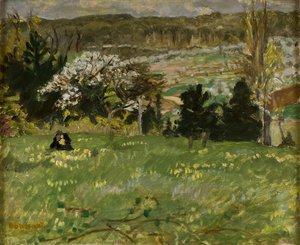
Landschaft in Le Cannet
 Öl auf Leinwand
- Wandkunst
- Impressionismus
 1928
1928- Moderne
 128.0 x 278.0 cm
 Kimbell Art Museum
 Weiterlesen
Handgefertigte Ölreproduktion
Handgemaltes Ölgemälde auf Leinwand in Ihrer Wunschgröße und mit Rahmen, auf Bestellung von unseren Künstlern angefertigt. ( Zum Druck wechseln Zum digitalen Bild wechseln)




P118B €10

P118H €10

P118W €10

P438Z €10

P508JH €12

P508YH €12

P805H €10

P805Z €10

P919BZ €10

P919G €10

P919XJ €10

P959ZH €10

P968JZ €12

W106C €8

W218G €10

W218JH €8

W218Y €10

W307PJ €10

W316G €10

W316PJ €8

W316Y €10

W398PJ €8

W4111J €10

W500HY €15

W500JH €15

W692G €12

W849H €8

W940BG €15

W953PJ €8




Wählen Sie aus unseren vordefinierten Formaten, die den ursprünglichen Proportionen des Kunstwerks entsprechen.

Geben Sie die Breite und die Höhe an, die Sie für Ihren Rahmen oder Ihre Wand benötigen. Da dieses Werk handgemalt ist, kann der Künstler bei einer anderen Form etwas mehr um das Bild herum malen oder etwas abschneiden – Sie entscheiden. Wir senden Ihnen ein digitales Mockup zur Freigabe, bevor mit dem Malen begonnen wird. Das auf dieser Seite gezeigte Bild stellt nicht das tatsächliche Ergebnis dar – dies tut nur das Mockup.
Nach der Bestellung wird das OriginalUniqueArt.com-Team dem Kunden Anweisungen per E-Mail zusenden und eine Mockup-Vorschau bereitstellen.
Weltweiter Versand () in nur 3 bis 4 Wochen statt der üblichen 5 Wochen. (25 Oktober). Keine Kompromisse bei der Qualität.

Kostenloser weltweiter Expressversand

Hochwertige Leinenleinwand

Umfassender Versicherungsschutz beim Versand

Zollgebühren-Rückerstattungsgarantie

Garantie für exakte Farbtreue

100 Tage Rückgaberecht (nur bei Mängeln)

100% Geld-zurück-Garantie

Mengenrabatt verfügbar
 Die Glasoption ist nur für Größen unter 110 cm verfügbar.

Landschaft in Le Cannet
Art der Reproduktion
Format der Reproduktion
-


Endpreis
€ 263
A Symphony of Light and Memory
In the luminous realm of Pierre Bonnard’s “Landscape at Le Cannet,” the boundaries between reality and recollection begin to dissolve. Painted in 1928, this monumental canvas serves as a profound exploration of how light shapes our perception and how memory tints our lived experience. It is not merely a topographical record of the Provençal hillside where Bonnard resided; rather, it is an atmospheric journey into the heart of a moment captured through a subjective lens. The scene unfolds with a serene vitality, presenting a mountainous landscape bathed in an ethereal glow that seems to vibrate with life. Within this verdant expanse, tiny figures and horses move through the terrain, their presence adding a sense of quiet narrative to the sweeping vistas of trees, grass, and bushes under a brilliant blue sky.
To gaze upon this work is to witness the masterful manipulation of pigment that defined Bonnard’s unique contribution to modern art. While his roots were deeply entwined with the Impressionist fascination with fleeting daylight, Bonnard pushed far beyond mere optical representation. He sought to capture the emotional resonance of a place—the way a summer afternoon feels on the skin or the warmth of a sun-drenched garden held in the mind's eye. This pursuit of sensation over strict accuracy allows the painting to transcend its physical subject, offering viewers a window into a world where color and light act as the primary storytellers.
The Art of Optical Emotion
Technically, “Landscape at Le Cannet” is a triumph of Neo-Impressionist principles, yet it avoids the rigid, scientific constraints of traditional Pointillism. Instead of following a strict mathematical formula for color, Bonnard employed a more intuitive method of applying tiny dots and strokes of pure pigment. This technique, often referred to as optical mixing, allows the viewer's eye to blend the hues from a distance, creating a shimmering, luminous depth that feels remarkably alive. The palette is a breathtaking symphony of warm yellows, oranges, and reds, which collide with the cool blues of the sky to create a chromatic tension that is both energizing and soothing.
The meticulous layering of paint builds up tonal variations with such precision that the landscape appears to breathe. This method was never about replicating the physical world with photographic accuracy; it was about conveying feeling. For the discerning collector or interior designer, this technique offers a rare quality: a painting that changes character depending on the light of the room in which it hangs. The way the colors interact creates a sense of movement and depth, making the canvas a dynamic centerpiece capable of transforming the mood of any sophisticated space.
A Sanctuary of Color and Spirit
The historical and symbolic weight of this piece is anchored in its setting: Le Bosquet, Bonnard’s beloved garden near Cannes. For the artist, this landscape represented much more than a picturesque view; it was a sanctuary, a retreat from the relentless pressures of urban life and an affirmation of artistic contemplation. The influence of Paul Gauguin is palpable here, seen in the bold use of color and the simplified, almost decorative forms that lend the work its rhythmic beauty. This connection to the avant-garde spirit of the Nabis group ensures that the painting remains a cornerstone of modern aesthetic history.
For those seeking to bring a sense of peace and timeless elegance into their homes, “Landscape at Le Cannet” offers an unparalleled emotional impact. It invites the observer to slow down, to breathe in the warmth of the Provençal sun, and to find beauty in the quiet, harmonious blending of nature’s elements. Whether as a focal point in a contemporary gallery or a soulful addition to a classic study, this reproduction captures the enduring legacy of Pierre Bonnard—a master who taught us that art is not just what we see, but how we remember.
Fragen & Antworten
Welche Maße hat "Landschaft in Le Cannet" von Pierre Bonnard im Original?
Das Originalwerk "Landschaft in Le Cannet" von Pierre Bonnard hat die Maße 128 x 278 cm.
Wie harmonieren die Farben von "Landschaft in Le Cannet" miteinander?
Die Farben von "Landschaft in Le Cannet" von Pierre Bonnard weisen eine Ausgewogene Harmonie Harmonie auf. Harmonie beschreibt das Zusammenspiel der Farben untereinander.
Wie intensiv sind die Farben von "Landschaft in Le Cannet"?
Die Farbsättigung von "Landschaft in Le Cannet" beträgt Dezent sanft bei einer Intensität von Ausgewogen.
Künstlerbiografie
Frühe Jahre und Karriere
Pierre Bonnard wurde am 3. Oktober 1867 in Fontenay-aux-Roses, im Département Hauts-de-Seine, geboren. Er entstammte einer wohlhabenden Familie; sein Vater war ein hoher Beamter im französischen Kriegsministerium. Bonnard zeigte früh künstlerisches Talent und besuchte zunächst das Lycée Louis-le-Grand und später das Lycée Charlemagne in Vanves. Obwohl er von seinem Vater dazu gedrängt wurde, eine Karriere im Staatsdienst anzutreten, entschied sich Bonnard für die Kunst. Er studierte Jura, um seinen Vater zufriedenzustellen, begann aber gleichzeitig mit dem Studium an der Académie Julian und der École des Beaux-Arts, wo er Freundschaften mit anderen Künstlern wie Édouard Vuillard schloss.Die Nabi-Bewegung und Postimpressionismus
Um 1891 lernte Bonnard Toulouse-Lautrec kennen und begann, seine Werke auf Ausstellungen zu zeigen. Er engagierte sich auch in der Zeitschrift *La Revue Blanche*, für die er Frontispizien entwarf. Bonnard war ein Gründungsmitglied der Nabi-Bewegung (*Les Nabis*), einer Gruppe von Künstlern, die sich gegen den Impressionismus wandten und nach neuen Ausdrucksformen suchten. Die frühen Werke Bonnards zeigen den Einfluss japanischer Holzschnitte und Paul Gauguins. Er entwickelte einen eigenen Stil, der durch eine Vereinfachung der Formen und eine Verwendung flacher Farbflächen gekennzeichnet ist.Intimität und häusliche Szenen
Bonnard bevorzugte es, aus dem Gedächtnis zu malen und nutzte Skizzen als Referenzmaterial. Dies verlieh seinen Bildern eine traumartige Qualität. Er widmete sich vor allem intimen häuslichen Szenen, oft mit seiner Frau Marthe de Meligny als Modell. Diese Darstellung des Alltäglichen und Intimen brachte ihm den Beinamen "Intimisten" ein. Bonnard konzentrierte sich auf die Wiedergabe von Lichtstimmungen und Farbkombinationen, wobei er die Perspektive oft vernachlässigte.Spätere Jahre und künstlerische Entwicklung
In den 1910er Jahren zog Bonnard nach Vernonnet in der Normandie, wo er das Haus "La Roulotte" kaufte. Hier schuf er zahlreiche Gemälde, inspiriert von der Landschaft und dem Garten. Er pflegte eine enge Freundschaft zu Claude Monet, der ebenfalls in Giverny lebte. Bonnards Farbpalette wurde zunehmend intensiver und leuchtender. Nach Monets Tod zog Bonnard nach Le Cannet an der Côte d'Azur, wo er bis zu seinem Tod am 23. Januar 1947 lebte. Er vollendete sein letztes Gemälde, *Die Mandeltraube in Blüte*, nur wenige Tage vor seinem Ableben.Bedeutung und Vermächtnis
Pierre Bonnard gilt als einer der bedeutendsten französischen Maler des frühen 20. Jahrhunderts. Sein Werk zeichnet sich durch eine einzigartige Sensibilität für Farbe und Licht aus. Er trug maßgeblich zur Entwicklung des Postimpressionismus bei und beeinflusste nachfolgende Künstlergenerationen. Bonnards Gemälde sind heute in zahlreichen renommierten Museen weltweit zu sehen, darunter das Musée Marmottan Monet in Paris und das Art Institute of Chicago.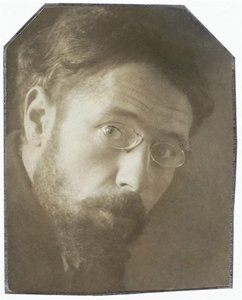
Pierre Bonnard
1867 - 1947 , Frankreich
Kurzinfos
- Beeinflusste Künstler/Bewegungen: ['Intimismus']
- Bemerkenswerte Werke:
- Frau in kariertem Kleid (1890)
- Die Mandeltraube in Blüte
- Einflussreiche Künstler:
- Paul Gauguin
- Hokusai
- Geburtsdatum: 03. Oktober 1867
- Geburtsort: Fontenay-aux-Roses, Frankreich
- Künstlerische Bewegung: Postimpressionismus, Nabi
- Nationalität: Französisch
- Sterbedatum: 23. Januar 1947
- Vollständiger Name: Pierre Bonnard
Ähnliche Artikel

Impressionistische Landschaften: Die 10 Meisterwerke, die eine Kunstrichtung prägten | OriginalUniqueArt
Entdecken Sie die 10 Meisterwerke des Impressionismus! Von Monet bis Van Gogh – erleben Sie die Geschichten hinter berühmten Landschaftsbildern. Hochwertige Kunst Reproduktionen für Ihr Zuhause auf OriginalUniqueArt.com.
Pierre-Auguste Renoir: Die 25 Meisterwerke des Impressionismus für Ihr Zuhause | OriginalUniqueArt
Entdecken Sie die 25 schönsten Meisterwerke von Pierre-Auguste Renoir! Tauchen Sie ein in die Welt des Impressionismus, erleben Sie berühmte Gemälde wie 'Bal au moulin de la Galette' und finden Sie hochwertige Kunstdrucke für Ihr Zuhause. Jetzt auf OriginalUniqueArt.com!

Impressionistische Landschaften: Die 10 Meisterwerke, die eine Epoche prägten | OriginalUniqueArt
Entdecken Sie die 10 Meisterwerke des Impressionismus! Von Monet bis Renoir – erleben Sie die Geschichte, Technik und zeitlose Schönheit ikonischer Landschaftsbilder. Hochwertige Kunstdrucke auf OriginalUniqueArt.com. Jetzt entdecken!

Evocations of Place: A Historical Journey Through Landscape Art
Explore the rich history of landscape art with OriginalUniqueArt. Discover renowned artists, movements like Impressionism & Romanticism, and expert guidance for collecting timeless pieces. Find your perfect serene escape today!

Paul Cézanne: Die 25 Meisterwerke des Impressionismus | OriginalUniqueArt
Entdecken Sie die 25 Meisterwerke von Paul Cézanne! Tauchen Sie ein in die Welt des Impressionismus und Postimpressionismus. Erfahren Sie mehr über seine Stillleben, Landschaften & berühmten Gemälde – jetzt hochwertige Kunstdrucke auf OriginalUniqueArt.com.