In echtem Maßstab anzeigen
 Versenden als Grußkarte
 Teilen
 Details anzeigen
 Leitfaden öffnen

 Herunterladen
 Ähnliche Objekte
 Röntgenaufnahme
 Diashow
 Besucherstatistiken
La toilette, ca Private
 Öl auf Leinwand
- Wandkunst
- Post-Impressionism
 1932
1932 120.0 x 118.0 cm
 Mehr anzeigen
Handgefertigte Ölreproduktion
Handgemaltes Ölgemälde auf Leinwand in Ihrer Wunschgröße und mit Rahmen, auf Bestellung von unseren Künstlern angefertigt. ( Zum Druck wechseln Zum digitalen Bild wechseln)




P118B €10

P118H €10

P118W €10

P438Z €10

P508JH €12

P508YH €12

P805H €10

P805Z €10

P919BZ €10

P919G €10

P919XJ €10

P959ZH €10

P968JZ €12

W106C €8

W218G €10

W218JH €8

W218Y €10

W307PJ €10

W316G €10

W316PJ €8

W316Y €10

W398PJ €8

W4111J €10

W500HY €15

W500JH €15

W692G €12

W849H €8

W940BG €15

W953PJ €8




Wählen Sie aus unseren vordefinierten Formaten, die den ursprünglichen Proportionen des Kunstwerks entsprechen.

Sie können Ihre eigenen Maße eingeben, um einen bestimmten Rahmen oder Platz auszufüllen. Wenn die gewählte Größe nicht den Proportionen des Originalbildes entspricht, werden wir das Kunstwerk entweder beschneiden oder das Gemälde durch zusätzliche, handgemalte Elemente erweitern. Ein digitales Mockup wird Ihnen zur Genehmigung zugesandt, bevor die Produktion beginnt.
Bitte beachten Sie, dass die Bildschirmvorschau nicht die tatsächliche Beschneidung oder Erweiterung widerspiegelt. Nur das Mockup zeigt die endgültige Komposition exakt an.
Obwohl Sondermaße verfügbar sind, empfehlen wir, eine Größe aus der vordefinierten Liste zu wählen, um die ursprünglichen Proportionen beizubehalten.
Nach der Bestellung wird das OriginalUniqueArt.com-Team dem Kunden Anweisungen per E-Mail zusenden und eine Mockup-Vorschau bereitstellen.
Weltweiter Versand () in nur 3 bis 4 Wochen statt der üblichen 5 Wochen. (10 Oktober). Keine Kompromisse bei der Qualität.

Kostenloser weltweiter Expressversand

Hochwertige Leinenleinwand

Vollständiger Versicherungsschutz beim Versand

Zollgebühren-Rückerstattungsgarantie

Garantie für exakte Farbtreue

100-tägiges Rückgaberecht (nur bei Mängeln)

100% Geld-zurück-Garantie

Angebot für Mengenrabatt
 Die Glasoption ist nur für Größen unter 110 cm verfügbar.

La toilette, ca Private
Reproduktionsmedium
Format der Reproduktion
-


Gesamtpreis
€ 259
A Glimpse into Intimate Domesticity
Pierre Bonnard’s La toilette, ca Private transports us into a moment suspended in time—a private ritual unfolding within the soft embrace of a sunlit bedroom. The scene is less a mere depiction and more an immersion into memory itself. We find ourselves observing a woman near a window, her lower form anchoring the composition while the surrounding elements whisper tales of domestic life. Bonnard masterfully captures the interplay between the figure and her immediate environment; the bed rests quietly to the left, suggesting repose, while in the background, a dining table holds its scattered artifacts—bottles catching the light, a waiting bowl, and a cup hinting at recent company or anticipated solitude.
The Poetry of Light and Color
Technically, Bonnard remains a master colorist. His palette here is saturated yet luminous, characteristic of his later work where everyday objects become vehicles for pure chromatic experience. The light itself seems to possess weight, filtering through the room to illuminate textures—the sheen on the scattered bottles, the soft drape of fabric, and the gentle fur of the dog curled near the right edge. This inclusion of the sleeping companion adds an essential layer of warmth, grounding the otherwise ethereal quality of the scene. It is in these seemingly incidental details—the arrangement of objects, the languid posture of the pet—that Bonnard’s genius shines through.
Historical Echoes and Emotional Resonance
Painted in 1932, this work exists at a fascinating crossroads for the artist. While the echoes of his Nabis period inform the intimacy and decorative quality of the scene, the painting possesses a mature sense of quietude. It speaks to an era grappling with changing domestic roles and the private emotional landscape beneath polite society’s veneer. The overall feeling is one of luxurious introspection; it is the moment before dressing, the pause between activities, when the self confronts its own reflection amidst familiar comforts. For the collector or designer, this piece offers not just decoration, but a palpable atmosphere—a sophisticated sense of lived-in elegance.
Bringing Bonnard’s Light Home
To reproduce such a nuanced work requires an understanding that goes beyond mere pigment matching; it demands capturing the feeling. A high-quality reproduction allows one to integrate this vibrant, intimate corner of French modernism into your own space. Imagine the soft glow of Bonnard’s light washing over your walls, transforming a simple room into a sanctuary steeped in artistic contemplation. It is an invitation to slow down, to notice the beauty in the mundane—the curve of a vase, the shadow cast by a window frame, or the quiet companionship of a beloved pet.
Fragen & Antworten
Wie wurde "La toilette, ca Private" hergestellt und welche Maße hat es?
Das Originalwerk "La toilette, ca Private" von Pierre Bonnard ist ein Öl auf Leinwand mit den Maßen 120 x 118 cm. Technik und Größe beziehen sich auf das Originalobjekt.
In welchem Jahr wurde "La toilette, ca Private" geschaffen?
"La toilette, ca Private" stammt aus dem Jahr 1932. Dieses Datum ordnet das Werk in die Schaffensperiode von Pierre Bonnard sowie in dessen Epoche ein.
Um welche Art von Kunstwerk handelt es sich bei "La toilette, ca Private" von Pierre Bonnard?
Im Katalog ist "La toilette, ca Private" von Pierre Bonnard als Wandkunst geführt. Die Kategorie hilft dabei, ähnliche Werke zu finden.
Welche allgemeine Stimmung vermittelt "La toilette, ca Private" von Pierre Bonnard?
"La toilette, ca Private" hat eine Nostalgisch angehaucht Atmosphäre.
Wie alt war Pierre Bonnard, als „La toilette, ca Private“ im Jahr 1932 geschaffen wurde?
Pierre Bonnard schuf „La toilette, ca Private“ im Alter von 65. Der Künstler wurde 1867 geboren, und das Werk datiert auf 1932.
Wie viele Personen sehen "La toilette, ca Private"?
Für „La toilette, ca Private“ existiert eine Statistiken-Seite. Sie zeigt die monatlichen Aufrufe des Kunstwerks sowie der weiteren Werke des Künstlers mit einer Aufschlüsselung nach Land und Sprache an.
Welchem Künstler wird "La toilette, ca Private" zugeschrieben?
Der Künstler hinter „La toilette, ca Private“ ist Pierre Bonnard. Das Werk ist unter dem Namen von Pierre Bonnard katalogisiert.
Biografie des Künstlers
Frühe Jahre und Karriere
Pierre Bonnard wurde am 3. Oktober 1867 in Fontenay-aux-Roses, im Département Hauts-de-Seine, geboren. Er entstammte einer wohlhabenden Familie; sein Vater war ein hoher Beamter im französischen Kriegsministerium. Bonnard zeigte früh künstlerisches Talent und besuchte zunächst das Lycée Louis-le-Grand und später das Lycée Charlemagne in Vanves. Obwohl er von seinem Vater dazu gedrängt wurde, eine Karriere im Staatsdienst anzutreten, entschied sich Bonnard für die Kunst. Er studierte Jura, um seinen Vater zufriedenzustellen, begann aber gleichzeitig mit dem Studium an der Académie Julian und der École des Beaux-Arts, wo er Freundschaften mit anderen Künstlern wie Édouard Vuillard schloss.Die Nabi-Bewegung und Postimpressionismus
Um 1891 lernte Bonnard Toulouse-Lautrec kennen und begann, seine Werke auf Ausstellungen zu zeigen. Er engagierte sich auch in der Zeitschrift *La Revue Blanche*, für die er Frontispizien entwarf. Bonnard war ein Gründungsmitglied der Nabi-Bewegung (*Les Nabis*), einer Gruppe von Künstlern, die sich gegen den Impressionismus wandten und nach neuen Ausdrucksformen suchten. Die frühen Werke Bonnards zeigen den Einfluss japanischer Holzschnitte und Paul Gauguins. Er entwickelte einen eigenen Stil, der durch eine Vereinfachung der Formen und eine Verwendung flacher Farbflächen gekennzeichnet ist.Intimität und häusliche Szenen
Bonnard bevorzugte es, aus dem Gedächtnis zu malen und nutzte Skizzen als Referenzmaterial. Dies verlieh seinen Bildern eine traumartige Qualität. Er widmete sich vor allem intimen häuslichen Szenen, oft mit seiner Frau Marthe de Meligny als Modell. Diese Darstellung des Alltäglichen und Intimen brachte ihm den Beinamen "Intimisten" ein. Bonnard konzentrierte sich auf die Wiedergabe von Lichtstimmungen und Farbkombinationen, wobei er die Perspektive oft vernachlässigte.Spätere Jahre und künstlerische Entwicklung
In den 1910er Jahren zog Bonnard nach Vernonnet in der Normandie, wo er das Haus "La Roulotte" kaufte. Hier schuf er zahlreiche Gemälde, inspiriert von der Landschaft und dem Garten. Er pflegte eine enge Freundschaft zu Claude Monet, der ebenfalls in Giverny lebte. Bonnards Farbpalette wurde zunehmend intensiver und leuchtender. Nach Monets Tod zog Bonnard nach Le Cannet an der Côte d'Azur, wo er bis zu seinem Tod am 23. Januar 1947 lebte. Er vollendete sein letztes Gemälde, *Die Mandeltraube in Blüte*, nur wenige Tage vor seinem Ableben.Bedeutung und Vermächtnis
Pierre Bonnard gilt als einer der bedeutendsten französischen Maler des frühen 20. Jahrhunderts. Sein Werk zeichnet sich durch eine einzigartige Sensibilität für Farbe und Licht aus. Er trug maßgeblich zur Entwicklung des Postimpressionismus bei und beeinflusste nachfolgende Künstlergenerationen. Bonnards Gemälde sind heute in zahlreichen renommierten Museen weltweit zu sehen, darunter das Musée Marmottan Monet in Paris und das Art Institute of Chicago.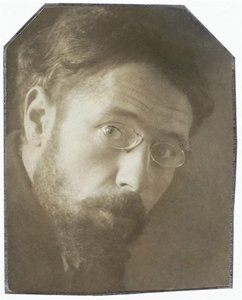
Pierre Bonnard
1867 - 1947 , Frankreich
Eckdaten zum Künstler
- Beeinflusste Künstler/Bewegungen: ['Intimismus']
- Bemerkenswerte Werke:
- Frau in kariertem Kleid (1890)
- Die Mandeltraube in Blüte
- Einflussreiche Künstler:
- Paul Gauguin
- Hokusai
- Geburtsdatum: 03. Oktober 1867
- Geburtsort: Fontenay-aux-Roses, Frankreich
- Künstlerische Bewegung: Postimpressionismus, Nabi
- Nationalität: Französisch
- Sterbedatum: 23. Januar 1947
- Vollständiger Name: Pierre Bonnard
Verwandte Artikel
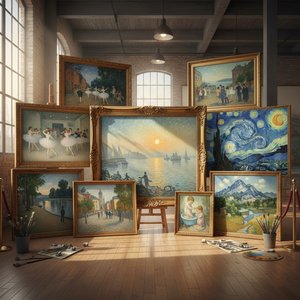
Impressionismus: Die 10 Meisterwerke, die eine Kunstbewegung prägten | OriginalUniqueArt
Entdecken Sie die 10 Meisterwerke des Impressionismus! Von Monet bis Renoir – erleben Sie die Geschichten, Techniken & Farben berühmter Künstler. Kunstdrucke in Museumsqualiät auf OriginalUniqueArt.com.
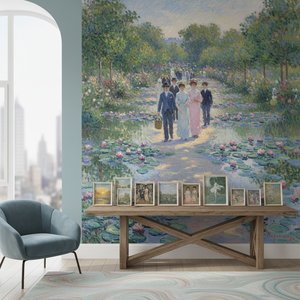
Impressionismus: Die 10 Meisterwerke, die eine Kunstbewegung prägten |
Entdecken Sie die 10 Meisterwerke des Impressionismus! Von Monet bis Renoir – erfahren Sie die Geschichten hinter berühmten Gemälden & ihre einzigartigen Techniken. Kunstdrucke in Museumsqualiät auf .
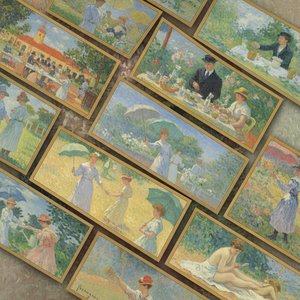
Pierre-Auguste Renoir: Die 25 Meisterwerke des Impressionismus für Ihr Zuhause | OriginalUniqueArt
Entdecken Sie die 25 schönsten Meisterwerke von Pierre-Auguste Renoir! Tauchen Sie ein in die Welt des Impressionismus, erleben Sie berühmte Gemälde wie 'Bal au moulin de la Galette' und finden Sie hochwertige Kunstdrucke für Ihr Zuhause. Jetzt auf OriginalUniqueArt.com!

Georges Seurat: Die 25 Meisterwerke des Pointillismus für Ihr Zuhause | OriginalUniqueArt
Entdecken Sie die 25 ikonischsten Meisterwerke von Georges Seurat! Tauchen Sie ein in die Welt des Pointillismus, der Farbtheorie und des Impressionismus. Hochwertige Kunst reproduzieren für Ihr Zuhause – jetzt auf OriginalUniqueArt.com!

Impressionismus Meisterwerke: Die Top 10 Kunstwerke für Ihr Zuhause | OriginalUniqueArt
Entdecken Sie die Top 10 Meisterwerke des Impressionismus! Von Monet bis Renoir – erfahren Sie die Geschichten hinter berühmten Gemälden, Techniken & Farben. Hochwertige Kunstdrucke auf OriginalUniqueArt.com.