In echtem Maßstab anzeigen
 Versenden als Grußkarte
 Teilen
 Details anzeigen
 Leitfaden öffnen

 Herunterladen
 Ähnliche Objekte
 Röntgenaufnahme
 Diashow
 Besucherstatistiken
Intimit
 Oil On Canvas
- WallArt
- Symbolism
 1896
1896- 19th Century
 38.0 x 36.0 cm
 Mehr anzeigen
Handgefertigte Ölreproduktion
Handgemaltes Ölgemälde auf Leinwand in Ihrer Wunschgröße und mit Rahmen, auf Bestellung von unseren Künstlern angefertigt. ( Zum Druck wechseln Zum digitalen Bild wechseln)




P118B €10

P118H €10

P118W €10

P438Z €10

P508JH €12

P508YH €12

P805H €10

P805Z €10

P919BZ €10

P919G €10

P919XJ €10

P959ZH €10

P968JZ €12

W106C €8

W218G €10

W218JH €8

W218Y €10

W307PJ €10

W316G €10

W316PJ €8

W316Y €10

W398PJ €8

W4111J €10

W500HY €15

W500JH €15

W692G €12

W849H €8

W940BG €15

W953PJ €8




Wählen Sie aus unseren vordefinierten Formaten, die den ursprünglichen Proportionen des Kunstwerks entsprechen.

Geben Sie die Breite und die Höhe an, die Sie für Ihren Rahmen oder Ihre Wand benötigen. Da dieses Werk handgemalt ist, kann der Künstler bei einer anderen Form etwas mehr um das Bild herum malen oder etwas abschneiden – Sie entscheiden. Wir senden Ihnen ein digitales Mockup zur Freigabe, bevor mit dem Malen begonnen wird. Das auf dieser Seite gezeigte Bild stellt nicht das tatsächliche Ergebnis dar – dies tut nur das Mockup.
Nach der Bestellung wird das OriginalUniqueArt.com-Team dem Kunden Anweisungen per E-Mail zusenden und eine Mockup-Vorschau bereitstellen.
Weltweiter Versand () in nur 3 bis 4 Wochen statt der üblichen 5 Wochen. (23 Oktober). Keine Kompromisse bei der Qualität.

Kostenloser weltweiter Expressversand

Hochwertige Leinenleinwand

Vollständiger Versicherungsschutz beim Versand

Zollgebühren-Rückerstattungsgarantie

Garantie für exakte Farbtreue

100-tägiges Rückgaberecht (nur bei Mängeln)

100% Geld-zurück-Garantie

Angebot für Mengenrabatt
 Die Glasoption ist nur für Größen unter 110 cm verfügbar.

Intimit
Reproduktionsmedium
Format der Reproduktion
-


Gesamtpreis
€ 264
A Portrait of Introspection: Pierre Bonnard’s *Intimit*
Pierre Bonnard's *Intimit*, painted in 1896, is more than just a portrait; it’s a carefully constructed mood, a whisper of melancholy rendered with the vibrant intensity that would define his career. This intimate scene, measuring 38 x 36 cm, captures a solitary man lost in contemplation, a figure instantly recognizable as a hallmark of Bonnard's mature style – a style deeply rooted in Symbolism and foreshadowing the expressive currents of early Expressionism. The photograph reveals a tightly cropped composition, focusing intently on the subject’s face and upper torso, allowing the viewer to become acutely aware of his internal state. The background, richly decorated with opulent details, serves not as a distraction but as a subtle reinforcement of the man's contemplative mood, hinting at wealth and status while simultaneously isolating him within his own thoughts.
- Style & Influence: *Intimit* exemplifies Bonnard’s shift away from purely representational art. While retaining elements of realism in his depiction of form – particularly the carefully rendered lines defining the man's features and clothing – he prioritizes conveying emotion and atmosphere above strict accuracy. The loose brushwork, a key characteristic of Symbolism, allows for an expressive interpretation of light and shadow, creating a palpable sense of unease and introspection.
- Technique: Bonnard’s masterful use of oil paint is immediately apparent. Thick impasto – the application of paint in thick layers – creates a remarkable textural richness, particularly evident in the fabric and wall surfaces. This technique isn't merely decorative; it actively contributes to the painting’s emotional impact, inviting the viewer to almost physically touch the scene.
Decoding Symbolism: The Man and His Setting
The man himself is the focal point of *Intimit*, a figure shrouded in quiet contemplation as he puffs on his pipe. This simple act – a gesture often associated with solitude and reflection – immediately invites us to consider the subject’s inner world. Bonnard's skillful use of directional lighting, casting strong shadows across the man’s face, amplifies this sense of introspection, adding to the painting’s dramatic atmosphere. The richly decorated room, characteristic of the Nabis group to which Bonnard belonged, is not merely a backdrop; it functions symbolically. The ornate details – the patterned wallpaper, the luxurious furniture – suggest a life of comfort and privilege, yet they also contribute to the man's isolation, emphasizing his solitary state.
- The Nabis Connection: Bonnard’s association with the Nabis (meaning “prophets”) was crucial in shaping his artistic vision. This group sought to use color as a primary means of expression, rejecting academic realism and exploring spiritual themes through their art. *Intimit* embodies this approach, prioritizing emotional resonance over photographic accuracy.
- Color Palette: Bonnard’s bold color choices – deep reds, muted greens, and ochre tones – contribute significantly to the painting's mood. These colors aren’t used in a purely descriptive manner; they are employed strategically to evoke specific emotions and enhance the overall atmosphere of melancholy and quiet contemplation.
A Window into the Late 19th Century
*Intimit*, painted in 1896, offers a fascinating glimpse into the intellectual and artistic climate of late 19th-century France. The painting reflects a growing disillusionment with materialism and a renewed interest in spirituality and introspection – themes that were prevalent among artists and intellectuals of the time. Bonnard’s work aligns with this broader cultural shift, reflecting a desire to move beyond the superficial and explore deeper truths about human existence. The slightly flattened perspective further enhances the sense of intimacy, drawing the viewer into the scene as if they are sharing in the man's private moment of reflection.
Collecting *Intimit*: A Masterpiece of Emotional Resonance
A hand-painted reproduction of Pierre Bonnard’s *Intimit* is more than just a beautiful artwork; it’s an investment in a legacy of artistic innovation and emotional depth. This piece offers a unique opportunity to bring a touch of Symbolist introspection into your home or office, capturing the essence of Bonnard's masterful technique and profound understanding of human emotion. Its evocative power continues to resonate with viewers today, making it a timeless addition to any discerning collection.
Fragen & Antworten
Wie wird die Farbpalette von "Intimit" von Pierre Bonnard beschrieben?
"Intimit" von Pierre Bonnard verwendet eine Dark-Farbpalette. Die Palette fasst den gesamten farblichen Charakter des Werkes zusammen.
Wirken die Farben von "Intimit" eher kräftig oder sanft?
"Intimit" von Pierre Bonnard weist eine Balanced Farbintensität auf.
Wie intensiv sind die Farben von "Intimit"?
Die Farben von "Intimit" von Pierre Bonnard weisen eine Clear Color Presence Sättigung mit einer Balanced Intensität auf.
Biografie des Künstlers
Frühe Jahre und Karriere
Pierre Bonnard wurde am 3. Oktober 1867 in Fontenay-aux-Roses, im Département Hauts-de-Seine, geboren. Er entstammte einer wohlhabenden Familie; sein Vater war ein hoher Beamter im französischen Kriegsministerium. Bonnard zeigte früh künstlerisches Talent und besuchte zunächst das Lycée Louis-le-Grand und später das Lycée Charlemagne in Vanves. Obwohl er von seinem Vater dazu gedrängt wurde, eine Karriere im Staatsdienst anzutreten, entschied sich Bonnard für die Kunst. Er studierte Jura, um seinen Vater zufriedenzustellen, begann aber gleichzeitig mit dem Studium an der Académie Julian und der École des Beaux-Arts, wo er Freundschaften mit anderen Künstlern wie Édouard Vuillard schloss.Die Nabi-Bewegung und Postimpressionismus
Um 1891 lernte Bonnard Toulouse-Lautrec kennen und begann, seine Werke auf Ausstellungen zu zeigen. Er engagierte sich auch in der Zeitschrift *La Revue Blanche*, für die er Frontispizien entwarf. Bonnard war ein Gründungsmitglied der Nabi-Bewegung (*Les Nabis*), einer Gruppe von Künstlern, die sich gegen den Impressionismus wandten und nach neuen Ausdrucksformen suchten. Die frühen Werke Bonnards zeigen den Einfluss japanischer Holzschnitte und Paul Gauguins. Er entwickelte einen eigenen Stil, der durch eine Vereinfachung der Formen und eine Verwendung flacher Farbflächen gekennzeichnet ist.Intimität und häusliche Szenen
Bonnard bevorzugte es, aus dem Gedächtnis zu malen und nutzte Skizzen als Referenzmaterial. Dies verlieh seinen Bildern eine traumartige Qualität. Er widmete sich vor allem intimen häuslichen Szenen, oft mit seiner Frau Marthe de Meligny als Modell. Diese Darstellung des Alltäglichen und Intimen brachte ihm den Beinamen "Intimisten" ein. Bonnard konzentrierte sich auf die Wiedergabe von Lichtstimmungen und Farbkombinationen, wobei er die Perspektive oft vernachlässigte.Spätere Jahre und künstlerische Entwicklung
In den 1910er Jahren zog Bonnard nach Vernonnet in der Normandie, wo er das Haus "La Roulotte" kaufte. Hier schuf er zahlreiche Gemälde, inspiriert von der Landschaft und dem Garten. Er pflegte eine enge Freundschaft zu Claude Monet, der ebenfalls in Giverny lebte. Bonnards Farbpalette wurde zunehmend intensiver und leuchtender. Nach Monets Tod zog Bonnard nach Le Cannet an der Côte d'Azur, wo er bis zu seinem Tod am 23. Januar 1947 lebte. Er vollendete sein letztes Gemälde, *Die Mandeltraube in Blüte*, nur wenige Tage vor seinem Ableben.Bedeutung und Vermächtnis
Pierre Bonnard gilt als einer der bedeutendsten französischen Maler des frühen 20. Jahrhunderts. Sein Werk zeichnet sich durch eine einzigartige Sensibilität für Farbe und Licht aus. Er trug maßgeblich zur Entwicklung des Postimpressionismus bei und beeinflusste nachfolgende Künstlergenerationen. Bonnards Gemälde sind heute in zahlreichen renommierten Museen weltweit zu sehen, darunter das Musée Marmottan Monet in Paris und das Art Institute of Chicago.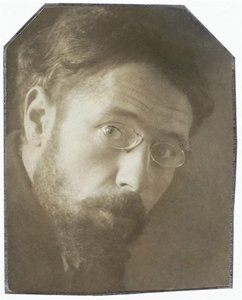
Pierre Bonnard
1867 - 1947 , Frankreich
Eckdaten zum Künstler
- Beeinflusste Künstler/Bewegungen: ['Intimismus']
- Bemerkenswerte Werke:
- Frau in kariertem Kleid (1890)
- Die Mandeltraube in Blüte
- Einflussreiche Künstler:
- Paul Gauguin
- Hokusai
- Geburtsdatum: 03. Oktober 1867
- Geburtsort: Fontenay-aux-Roses, Frankreich
- Künstlerische Bewegung: Postimpressionismus, Nabi
- Nationalität: Französisch
- Sterbedatum: 23. Januar 1947
- Vollständiger Name: Pierre Bonnard
Verwandte Artikel

The Enduring Legacy of Oil on Canvas: Technique, History & Aesthetic Impact
Explore the rich history & techniques of oil painting – from Renaissance masters to Impressionism. Discover pigments, layering methods, and why this timeless medium endures. Expert insights for artists & art enthusiasts.

Öl auf Leinwand: Eine historische und technische Erkundung eines zeitlosen künstlerischen Mediums
Entdecken Sie die faszinierende Welt der Ölmalerei! Von historischen Techniken bis zur modernen Anwendung – wir bieten Expertenwissen, Restaurierungstipps und hochwertige Reproduktionen. Jetzt informieren!
Pierre-Auguste Renoir: Die 25 Meisterwerke des Impressionismus für Ihr Zuhause | OriginalUniqueArt
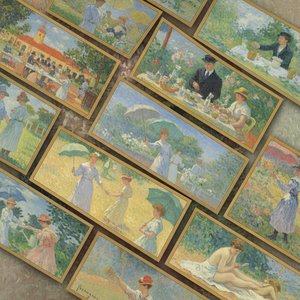
Entdecken Sie die 25 schönsten Meisterwerke von Pierre-Auguste Renoir! Tauchen Sie ein in die Welt des Impressionismus, erleben Sie berühmte Gemälde wie 'Bal au moulin de la Galette' und finden Sie hochwertige Kunstdrucke für Ihr Zuhause. Jetzt auf OriginalUniqueArt.com!

Das bleibende Erbe der Ölmalerei: Technik, Geschichte und zeitgenössische Praxis
Entdecken Sie die faszinierende Geschichte der Ölmalerei – von den frühen Techniken bis zur modernen Kunst. Expertenwissen, detaillierte Analysen und Inspiration für Sammler & Kunstliebhaber.

The Enduring Power of Painting: A Historical & Contemporary Exploration of Form and Emotion
Explore the rich history & enduring techniques of oil painting with OriginalUniqueArt. Discover masterpieces, learn about art collecting, and find authentic handmade reproductions crafted by skilled artists.