
 Vorschau anzeigen
 Versenden
 Teilen
 Details anzeigen
 Leitfaden

 Herunterladen
 Ähnliche Objekte
 Röntgenaufnahme
 Diashow
 Fragen & Antworten
 Statistiken
Niedere Frau


 Weiterlesen
Giclée / Kunstdruck
Giclée- oder Leinwanddruck in Museumsqualität mit schneller Produktion und flexiblen Veredelungsoptionen. ( Handgemalte Reproduktion bestellen Zum digitalen Bild wechseln)




P118B €10

P118H €10

P118W €10

P438Z €10

P508JH €12

P508YH €12

P805H €10

P805Z €10

P919BZ €10

P919G €10

P919XJ €10

P959ZH €10

P968JZ €12

W106C €8

W218G €10

W218JH €8

W218Y €10

W307PJ €10

W316G €10

W316PJ €8

W316Y €10

W398PJ €8

W4111J €10

W500HY €15

W500JH €15

W692G €12

W849H €8

W940BG €15

W953PJ €8




Wählen Sie aus unseren vordefinierten Formaten, die den ursprünglichen Proportionen des Kunstwerks entsprechen.

Geben Sie die benötigte Breite und Höhe an, damit der Druck perfekt in Ihren Rahmen oder an Ihre Wand passt. Ein Druck kann nur beschnitten, aber niemals größer als das Originalbild angefertigt werden; daher verliert ein Format mit anderen Proportionen einen Teil des Bildes. Wir senden Ihnen ein digitales Mockup zur Freigabe, bevor wir den Druck ausführen. Das auf dieser Seite gezeigte Bild zeigt nicht den tatsächlichen Beschnitt – dies ist nur im Mockup ersichtlich.
Weltweiter Versand () innerhalb von 2 Wochen statt der üblichen 4/5 Wochen. (7 November)

Kostenloser weltweiter Expressversand

Hochwertige Leinenleinwand

Umfassender Versicherungsschutz beim Versand

Zollgebühren-Rückerstattungsgarantie

Garantie für exakte Farbtreue

100 Tage Rückgaberecht (nur bei Mängeln)

100% Geld-zurück-Garantie

Mengenrabatt verfügbar
 Die Glasoption ist nur für Größen unter 110 cm verfügbar.

Niedere Frau
Giclée / Kunstdruck
Format der Reproduktion
-


Endpreis
€ 72
Pierre-Auguste Renoir’s “Seated Nude”: A Symphony of Light and Sensuality
Pierre-Auguste Renoir's "Seated Nude," painted in 1885, stands as a quintessential example of the Impressionist movement’s fascination with capturing fleeting moments of beauty and the human form. More than simply a depiction of nudity, this artwork is a carefully orchestrated tableau—a meditation on light, color, and the quiet contemplation of the female figure. Housed within the esteemed Fogg Museum at Harvard Art Museums in Cambridge, Massachusetts, it invites viewers into a world where sensuality intertwines with nature, creating an experience both intimate and profoundly evocative.
The painting immediately draws the eye to its central subject: a woman seated gracefully amidst a subtly rendered landscape. Her pose is remarkably relaxed—a gentle curve of her spine, a slight tilt of her head—suggesting a state of serene repose. The drapery, loosely flowing and patterned with delicate blues, doesn’t conceal but rather enhances the contours of her body, emphasizing its soft curves and natural grace. Renoir masterfully employs rounded forms, echoing the influence of artists like Rubens, yet imbuing them with an Impressionistic lightness that distinguishes his style.
Impressionist Techniques: A Dance of Light and Color
Renoir’s genius lies in his masterful manipulation of color and brushstroke. The background explodes with a vibrant palette—a rich tapestry of greens, blues, and browns that suggest the dappled light filtering through foliage. These colors aren't blended smoothly; instead, they are applied in short, broken strokes, creating an effect of shimmering movement and capturing the ephemeral quality of sunlight. This technique is characteristic of Impressionism: a deliberate rejection of traditional academic painting methods in favor of directly observing and recording visual sensations.
The brushwork itself is remarkably loose and feathery—a hallmark of Renoir’s style. These delicate strokes not only create texture but also contribute to the sense of depth and atmosphere within the painting. Notice how he uses lighter shades to suggest highlights, creating an illusion of three-dimensionality and bringing the figure to life. The interplay of light and shadow is particularly noteworthy, adding a subtle drama to the scene.
Symbolism and Context: Harmony Between Humanity and Nature
“Seated Nude” isn’t merely a portrait; it's imbued with symbolic meaning. Renoir frequently explored themes of harmony between the human figure and the natural world, reflecting a broader artistic trend prevalent during the late 19th century. The woman’s relaxed posture and gaze directed away from the viewer suggest introspection and a connection to something beyond herself—perhaps nature or a private reverie. The setting itself—a naturalistic landscape—reinforces this sense of unity.
Furthermore, the painting aligns with Renoir's broader "nu" series, which focused on depictions of the human form in various states of repose and contemplation. These works were not intended to be overtly erotic but rather to explore the beauty and dignity of the female body within a natural setting. The choice of a seated position adds to this sense of quietude and vulnerability.
A Testament to Impressionism’s Legacy
“Seated Nude” remains a powerful testament to Renoir's skill as an artist and the enduring legacy of Impressionism. Its vibrant colors, loose brushstrokes, and evocative composition continue to captivate viewers today. It exemplifies how art can capture not just a likeness but also a mood, an atmosphere, and a profound sense of human experience. For those seeking to delve deeper into Renoir’s world or the broader context of Impressionism, resources like WikiArt and the Harvard Art Museums offer invaluable insights. A high-quality reproduction allows one to appreciate this masterpiece in all its luminous detail.
Fragen & Antworten
Für welche Verwendung und welchen Raum wird "Niedere Frau" von Pierre-Auguste Renoir empfohlen?
Empfohlene Verwendung (Statement-Piece) und Raum (Wohnbereich) sind die zwei Empfehlungen für "Niedere Frau" von Pierre-Auguste Renoir.
Ist "Niedere Frau" von Pierre-Auguste Renoir ein helles oder ein dunkles Kunstwerk?
Was die wahrgenommene Helligkeit betrifft, so ist "Niedere Frau" von Pierre-Auguste Renoir hell.
Wer hat "Niedere Frau" geschaffen und in welchem Jahr?
"Niedere Frau" wurde von Pierre-Auguste Renoir im Jahr 1885 geschaffen.
Künstlerbiografie
frühes Leben und Karriere
pierre-auguste renoir, ein prägender französischer Künstler, wurde am 25. Februar 1841 in Limoges, Frankreich, geboren. Er spielte eine entscheidende Rolle bei der Gestaltung des Impressionismus und war bekannt für sein lebendiges Licht und seine gesättigten Farben. Renoirs Werk feierte Schönheit, insbesondere weibliche Sinnlichkeit, und platzierte ihn in einer Linie von Künstlern, die von Rubens bis Watteau reicht.Künstlerisches Erbe
Renoirs Vermächtnis erstreckte sich über seine Leinwand hinaus, da er der Patriarche einer Familie war, in der Kunst in verschiedenen Formen blühte. Seine Kinder, pierre renoir (1885–1952), Filmemacher jean renoir (1894–1979) und Keramikkünstler claude renoir (1901–1969), leisteten alle bedeutende Beiträge in ihren jeweiligen Bereichen. Sein Enkel, Filmemacher claude renoir (1913–1993), vertiefte das künstlerische Erbe der Familie weiter.Bekannte Werke und Museen
* Dance at Bougival, ein bemerkenswertes Gemälde von Renoir, zeigt seine Meisterschaft beim Festhalten der Essenz des Impressionismus. * Das Musée des Collettes, das sich in Cagnes-sur-Mer, Frankreich, befindet, ist ein Muss für Kunstliebhaber. Dieses Museum, das einst das Zuhause von Pierre-Auguste Renoir war, dient als Zeugnis seines Lebens und Werks und beherbergt fünfzehn seiner Gemälde. * Das Musée Maurice Denis, ein weiteres verstecktes Juwel in Frankreich, präsentiert eine beeindruckende Sammlung französischer Postimpressionistischer Gemälde aus dem späten 19. und frühen 20. Jahrhundert.Renoirs Kunst mit OriginalUniqueArt entdecken
- Entdecken Sie den Charme des Musée des Collettes (Frankreich) und seiner Impressionistenkunst bei OriginalUniqueArt: [https://OriginalUniqueArt.com/@@/a@d3aupf](https://OriginalUniqueArt.com/@@/a@d3aupf)
- Erkunden Sie die Wunder des Musée Maurice Denis (Frankreich) mit OriginalUniqueArt: /de/art/show/art-d3aue3-de/
- Ansehen Sie sich Renoirs Gemälde, einschließlich Dance at Bougival, bei OriginalUniqueArt: [https://OriginalUniqueArt.com/@/pierre-auguste renoir](https://OriginalUniqueArt.com/@/pierre-auguste%20renoir)
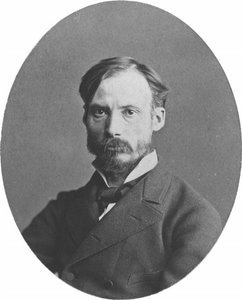
Pierre-Auguste Renoir
1841 - 1919 , Frankreich
Kurzinfos
- Beeinflusste Künstler:
- Rubens
- Watteau
- Bemerkenswerte Werke:
- Tanz im Moulin de la Galette
- Bootsfahrt-Mittagessen
- Nach dem Bad
- Tanz in Bougival
- Geburtsdatum: 25. Februar 1841
- Geburtsort: Limoges, Frankreich
- Künstlerischer Stil: Impressionismus
- Nationalität: Französisch
- Todatum: 3. Dezember 1919
- Vollständiger Name: Pierre-Auguste Renoir
- Von Künstlern Beeinflusst:
- Camille Pissarro
- Édouard Manet
Ähnliche Artikel

Die 25 besten Meisterwerke von Pierre-Auguste Renoir: Ein Fest des Lichts
Entdecken Sie die 25 besten Werke von Renoir und den Impressionismus. Erleben Sie Meisterwerke auf OriginalUniqueArt.com.

The Luminous World of Pierre-Auguste Renoir: An Exploration of Impressionism's Sensuous Embrace
Explore the captivating world of Pierre-Auguste Renoir! Discover his life, iconic Impressionist masterpieces & enduring legacy with our expert guide. High-quality reproductions available.
Impressionismus: Die 10 Meisterwerke, die eine Kunstbewegung prägten | OriginalUniqueArt
Entdecken Sie die 10 Meisterwerke des Impressionismus! Von Monet bis Renoir – erleben Sie die Geschichten, Techniken & Farben berühmter Künstler. Kunstdrucke in Museumsqualiät auf OriginalUniqueArt.com.

Impressionismus Meisterwerke: Die Top 10 Kunstwerke für Ihr Zuhause | OriginalUniqueArt
Entdecken Sie die Top 10 Meisterwerke des Impressionismus! Von Monet bis Renoir – erfahren Sie die Geschichten hinter berühmten Gemälden, Techniken & Farben. Hochwertige Kunstdrucke auf OriginalUniqueArt.com.
Impressionismus: Die 10 Meisterwerke, die eine Kunstbewegung prägten | OriginalUniqueArt
Entdecken Sie die 10 Meisterwerke des Impressionismus! Von Monet bis Renoir – erfahren Sie die Geschichten hinter ikonischen Gemälden, Techniken & Farben. Hochwertige Reproduktionen auf OriginalUniqueArt.com.


