

 In echtem Maßstab anzeigen
 Versenden als Grußkarte
 Teilen
 Details anzeigen
 Leitfaden

 Herunterladen
 Ähnliche Objekte
 Röntgenaufnahme
 Diashow
 Besucherstatistiken
Nach dem Bad


 Mehr anzeigen
Giclée / Kunstdruck
Giclée- oder Leinwanddruck in Museumsqualität mit schneller Produktion und flexiblen Veredelungsoptionen. ( Handgemalte Reproduktion kaufen Zum digitalen Bild wechseln)




P118B $10

P118H $10

P118W $10

P438Z $10

P508JH $12

P508YH $12

P805H $10

P805Z $10

P919BZ $10

P919G $10

P919XJ $10

P959ZH $10

P968JZ $12

W106C $8

W218G $10

W218JH $8

W218Y $10

W307PJ $10

W316G $10

W316PJ $8

W316Y $10

W398PJ $8

W4111J $10

W500HY $15

W500JH $15

W692G $12

W849H $8

W940BG $15

W953PJ $8




Wählen Sie aus unseren vordefinierten Formaten, die den ursprünglichen Proportionen des Kunstwerks entsprechen.

Sie können Ihre eigenen Maße eingeben, um ein bestimmtes Format oder einen speziellen Platz einzupassen. Wenn das von Ihnen gewählte Format nicht den Proportionen des Originalbildes entspricht, werden wir das Kunstwerk entweder beschneiden oder das Bild mit einem gespiegelten oder einfarbigen Rand erweitern. Ein digitaler Entwurf wird Ihnen zur Genehmigung zugesandt, bevor die Produktion beginnt.
Bitte beachten Sie, dass die Vorschau auf dem Bildschirm nicht den tatsächlichen Zuschnitt oder die Erweiterung widerspiegelt. Nur der Entwurf zeigt die endgültige Komposition präzise an.
Obwohl Sondermaße verfügbar sind, empfehlen wir die Auswahl eines Maßes aus der vordefinierten Liste, um die ursprünglichen Proportionen zu bewahren.
Weltweiter Versand () innerhalb von 2 Wochen statt der üblichen 4/5 Wochen. (20 September)

Kostenloser weltweiter Expressversand

Hochwertige Leinenleinwand

Vollständiger Versicherungsschutz beim Versand

Zollgebühren-Rückerstattungsgarantie

Garantie für exakte Farbtreue

100-tägiges Rückgaberecht (nur bei Mängeln)

100% Geld-zurück-Garantie

Angebot für Mengenrabatt
 Die Glasoption ist nur für Größen unter 110 cm verfügbar.

Nach dem Bad
Giclée / Kunstdruck
Format der Reproduktion
-


Gesamtpreis
$ 80
Pierre-Auguste Renoir’s “After the Bath”: A Moment of Quietude and Radiant Light
Pierre-Auguste Renoir's "After the Bath," painted in 1912, is more than just a depiction of a woman drying herself; it’s an exquisite encapsulation of Impressionist ideals – a celebration of light, color, and the fleeting beauty of everyday life. The painting captures a serene moment after bathing, portraying a young woman gently holding a cloth to her skin, surrounded by the soft glow of late afternoon sunlight filtering through a leafy backdrop. This intimate scene, rendered with Renoir’s signature loose brushstrokes and vibrant palette, invites us into a world of quiet contemplation and understated elegance.
Renoir's artistic journey led him from his early days as a porcelain painter in Limoges to becoming one of the most celebrated figures of the Impressionist movement. His formative years studying at the Louvre instilled within him a deep appreciation for the Old Masters, particularly their mastery of capturing light and atmosphere. However, Renoir quickly developed his own distinctive style – characterized by an emphasis on capturing the transient effects of light and color, often depicting scenes of Parisian life and the female form with remarkable sensitivity. “After the Bath” exemplifies this approach perfectly; it’s not a detailed portrait but rather a carefully constructed impression of a specific moment in time.
The Language of Light and Color
Renoir's technique is central to the painting’s allure. He employs broken brushstrokes, layering colors directly onto the canvas without blending them completely – a hallmark of Impressionism. This creates a shimmering effect, particularly noticeable in the dappled sunlight filtering through the trees. The warm yellows and oranges of the light bathe the woman’s skin and clothing, while cooler blues and greens suggest the shadows beneath the foliage. Notice how he uses subtle variations in tone to create depth and volume, avoiding sharp outlines and instead relying on the viewer's eye to complete the image.
The color palette is remarkably restrained yet intensely evocative. Renoir avoids dramatic contrasts, opting for a harmonious blend of muted tones that contribute to the painting’s overall sense of tranquility. The delicate pinks and peaches used to depict the woman’s skin create an impression of warmth and vitality, while the greens and browns of the background provide a grounding element. The careful orchestration of color is not merely decorative; it serves to convey the emotional atmosphere of the scene – a feeling of peacefulness and contentment.
Symbolism and Emotional Resonance
While seemingly simple in its subject matter, “After the Bath” carries subtle symbolic weight. The act of bathing itself represents cleansing, renewal, and vulnerability—a stripping away of the external to reveal the essence within. The woman’s posture – relaxed yet attentive – suggests a sense of self-awareness and acceptance. She is not posed dramatically but rather presented as an ordinary figure experiencing a moment of quiet beauty.
Furthermore, the presence of the other figures in the background—a man on the left and two others to the right—adds a layer of social context without disrupting the central focus. They are merely suggestions of life continuing beyond the immediate scene, hinting at a larger world while maintaining the intimacy of the moment. The bird soaring above adds an element of lightness and freedom, symbolizing aspiration and escape.
A Timeless Masterpiece: Reproductions for Your Space
OriginalUniqueArt offers exquisite hand-painted reproductions of “After the Bath,” meticulously crafted by our talented artists using traditional techniques and archival-quality materials. Whether you’re an art collector, a design enthusiast, or simply seeking to bring a touch of Impressionist beauty into your home, our reproductions capture the essence of Renoir's masterpiece with remarkable fidelity. Each reproduction is available in various sizes to suit your individual needs and preferences.
Imagine this luminous scene gracing your walls – a reminder of the simple pleasures of life, the transformative power of light, and the enduring beauty of Impressionist art. Explore our selection today and bring “After the Bath” into your world.
Biografie des Künstlers
frühes Leben und Karriere
pierre-auguste renoir, ein prägender französischer Künstler, wurde am 25. Februar 1841 in Limoges, Frankreich, geboren. Er spielte eine entscheidende Rolle bei der Gestaltung des Impressionismus und war bekannt für sein lebendiges Licht und seine gesättigten Farben. Renoirs Werk feierte Schönheit, insbesondere weibliche Sinnlichkeit, und platzierte ihn in einer Linie von Künstlern, die von Rubens bis Watteau reicht.Künstlerisches Erbe
Renoirs Vermächtnis erstreckte sich über seine Leinwand hinaus, da er der Patriarche einer Familie war, in der Kunst in verschiedenen Formen blühte. Seine Kinder, pierre renoir (1885–1952), Filmemacher jean renoir (1894–1979) und Keramikkünstler claude renoir (1901–1969), leisteten alle bedeutende Beiträge in ihren jeweiligen Bereichen. Sein Enkel, Filmemacher claude renoir (1913–1993), vertiefte das künstlerische Erbe der Familie weiter.Bekannte Werke und Museen
* Dance at Bougival, ein bemerkenswertes Gemälde von Renoir, zeigt seine Meisterschaft beim Festhalten der Essenz des Impressionismus. * Das Musée des Collettes, das sich in Cagnes-sur-Mer, Frankreich, befindet, ist ein Muss für Kunstliebhaber. Dieses Museum, das einst das Zuhause von Pierre-Auguste Renoir war, dient als Zeugnis seines Lebens und Werks und beherbergt fünfzehn seiner Gemälde. * Das Musée Maurice Denis, ein weiteres verstecktes Juwel in Frankreich, präsentiert eine beeindruckende Sammlung französischer Postimpressionistischer Gemälde aus dem späten 19. und frühen 20. Jahrhundert.Renoirs Kunst mit OriginalUniqueArt entdecken
- Entdecken Sie den Charme des Musée des Collettes (Frankreich) und seiner Impressionistenkunst bei OriginalUniqueArt: [https://OriginalUniqueArt.com/@@/a@d3aupf](https://OriginalUniqueArt.com/@@/a@d3aupf)
- Erkunden Sie die Wunder des Musée Maurice Denis (Frankreich) mit OriginalUniqueArt: /de/art/show/art-d3aue3-de/
- Ansehen Sie sich Renoirs Gemälde, einschließlich Dance at Bougival, bei OriginalUniqueArt: [https://OriginalUniqueArt.com/@/pierre-auguste renoir](https://OriginalUniqueArt.com/@/pierre-auguste%20renoir)
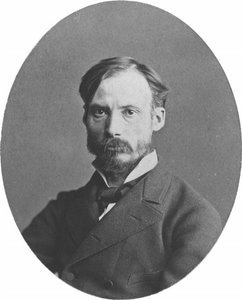
Pierre-Auguste Renoir
1841 - 1919 , Frankreich
Eckdaten zum Künstler
- Beeinflusste Künstler:
- Rubens
- Watteau
- Bemerkenswerte Werke:
- Tanz im Moulin de la Galette
- Bootsfahrt-Mittagessen
- Nach dem Bad
- Tanz in Bougival
- Geburtsdatum: 25. Februar 1841
- Geburtsort: Limoges, Frankreich
- Künstlerischer Stil: Impressionismus
- Nationalität: Französisch
- Todatum: 3. Dezember 1919
- Vollständiger Name: Pierre-Auguste Renoir
- Von Künstlern Beeinflusst:
- Camille Pissarro
- Édouard Manet
Verwandte Artikel
Pierre-Auguste Renoir: Die 25 Meisterwerke des Impressionismus für Ihr Zuhause | OriginalUniqueArt
Entdecken Sie die 25 schönsten Meisterwerke von Pierre-Auguste Renoir! Tauchen Sie ein in die Welt des Impressionismus, erleben Sie berühmte Gemälde wie 'Bal au moulin de la Galette' und finden Sie hochwertige Kunstdrucke für Ihr Zuhause. Jetzt auf OriginalUniqueArt.com!
Impressionismus: Die 10 Meisterwerke, die eine Kunstbewegung prägten |
Entdecken Sie die 10 Meisterwerke des Impressionismus! Von Monet bis Renoir – erfahren Sie die Geschichten hinter berühmten Gemälden & ihre einzigartigen Techniken. Kunstdrucke in Museumsqualiät auf .
Impressionismus: Die 10 Meisterwerke, die eine Kunstbewegung prägten | OriginalUniqueArt
Entdecken Sie die 10 Meisterwerke des Impressionismus! Von Monet bis Renoir – erfahren Sie die Geschichten hinter ikonischen Gemälden, Techniken & Farben. Hochwertige Reproduktionen auf OriginalUniqueArt.com.
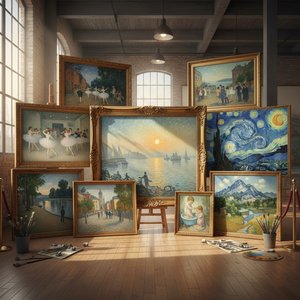
Impressionismus: Die 10 Meisterwerke, die eine Kunstbewegung prägten | OriginalUniqueArt
Entdecken Sie die 10 Meisterwerke des Impressionismus! Von Monet bis Renoir – erleben Sie die Geschichten, Techniken & Farben berühmter Künstler. Kunstdrucke in Museumsqualiät auf OriginalUniqueArt.com.

Paul Cézanne: Die 25 Meisterwerke des Impressionismus | OriginalUniqueArt
Entdecken Sie die 25 Meisterwerke von Paul Cézanne! Tauchen Sie ein in die Welt des Impressionismus und Postimpressionismus. Erfahren Sie mehr über seine Stillleben, Landschaften & berühmten Gemälde – jetzt hochwertige Kunstdrucke auf OriginalUniqueArt.com.


