

 In echtem Maßstab anzeigen
 Versenden als Grußkarte
 Teilen
 Details anzeigen

 Herunterladen
 Ähnliche Objekte
 Röntgenaufnahme
 Diashow
 Besucherstatistiken
Gabrielle und Jean 1


 Mehr anzeigen
Giclée / Kunstdruck
Giclée- oder Leinwanddruck in Museumsqualität mit schneller Produktion und flexiblen Veredelungsoptionen. ( Handgemalte Reproduktion kaufen Zum digitalen Bild wechseln)




P118B $10

P118H $10

P118W $10

P438Z $10

P508JH $12

P508YH $12

P805H $10

P805Z $10

P919BZ $10

P919G $10

P919XJ $10

P959ZH $10

P968JZ $12

W106C $8

W218G $10

W218JH $8

W218Y $10

W307PJ $10

W316G $10

W316PJ $8

W316Y $10

W398PJ $8

W4111J $10

W500HY $15

W500JH $15

W692G $12

W849H $8

W940BG $15

W953PJ $8




Wählen Sie aus unseren vordefinierten Formaten, die den ursprünglichen Proportionen des Kunstwerks entsprechen.

Sie können Ihre eigenen Maße eingeben, um ein bestimmtes Format oder einen speziellen Platz einzupassen. Wenn das von Ihnen gewählte Format nicht den Proportionen des Originalbildes entspricht, werden wir das Kunstwerk entweder beschneiden oder das Bild mit einem gespiegelten oder einfarbigen Rand erweitern. Ein digitaler Entwurf wird Ihnen zur Genehmigung zugesandt, bevor die Produktion beginnt.
Bitte beachten Sie, dass die Vorschau auf dem Bildschirm nicht den tatsächlichen Zuschnitt oder die Erweiterung widerspiegelt. Nur der Entwurf zeigt die endgültige Komposition präzise an.
Obwohl Sondermaße verfügbar sind, empfehlen wir die Auswahl eines Maßes aus der vordefinierten Liste, um die ursprünglichen Proportionen zu bewahren.
Weltweiter Versand () innerhalb von 2 Wochen statt der üblichen 4/5 Wochen. (17 September)

Kostenloser weltweiter Expressversand

Hochwertige Leinenleinwand

Vollständiger Versicherungsschutz beim Versand

Zollgebühren-Rückerstattungsgarantie

Garantie für exakte Farbtreue

100-tägiges Rückgaberecht (nur bei Mängeln)

100% Geld-zurück-Garantie

Angebot für Mengenrabatt
 Die Glasoption ist nur für Größen unter 110 cm verfügbar.

Gabrielle und Jean 1
Giclée / Kunstdruck
Format der Reproduktion
-


Gesamtpreis
$ 80
Pierre-Auguste Renoir’s Intimate Masterpiece: “Gabrielle und Jean”
Pierre-Auguste Renoir, a name synonymous with the shimmering light and joyful moments of Impressionism, gifted us with countless captivating portraits. Among his most cherished works stands "Gabrielle und Jean" – a tender tableau that transcends mere representation to embody the very essence of maternal love and domestic tranquility. This oil-on-canvas masterpiece, painted around 1879, isn’t simply a depiction of a mother and child; it's an invitation into a private, profoundly moving scene, brimming with warmth and quiet intimacy.
The painting immediately draws the eye to Gabrielle, seated at a simple wooden table. Her posture is relaxed yet dignified, her gaze directed towards her young son, Jean. The artist’s masterful use of light – soft, diffused, almost dreamlike – washes over the scene, creating an atmosphere of serene comfort. Renoir skillfully employs broken brushstrokes, characteristic of Impressionism, to capture the fleeting quality of light and shadow, giving the impression that we are witnessing a captured moment in time. The subtle variations in color, particularly in the fabrics and the woman’s hair, add depth and richness to the composition.
Beyond its technical brilliance, “Gabrielle und Jean” is rich in symbolic meaning. The setting itself – a humble domestic space adorned with a simple cloth – speaks volumes about Renoir's interest in portraying everyday life and the beauty found within the ordinary. The bottle on the table, the chair nearby, all contribute to a sense of familiarity and normalcy, grounding the scene in reality while simultaneously elevating it through the artist’s sensitive observation. The woman’s elegant appearance, accentuated by her carefully styled hair – a deliberate contrast to the simplicity of the setting – suggests a quiet pride and a gentle grace. It's a subtle commentary on the dignity inherent in motherhood.
Impressionist Techniques and Renoir’s Vision
Renoir’s approach to painting is immediately recognizable through his distinctive Impressionistic style. He wasn’t interested in meticulously recreating reality; instead, he sought to capture the *impression* of a scene – the way light interacts with surfaces, the fleeting emotions conveyed by a glance, the overall atmosphere of a moment. The loose brushwork, visible color transitions, and emphasis on capturing the effects of light are hallmarks of his technique. Notice how Renoir uses short, broken strokes to depict the texture of the cloth and the sheen of Gabrielle’s hair. This deliberate lack of detail forces the viewer to actively engage with the painting, interpreting its meaning through their own experiences and emotions.
Interestingly, Renoir's work reflects influences from various artistic movements. He admired the works of Rubens and Watteau for their celebration of beauty and sensuality, while also drawing inspiration from the Realist painters like Courbet, who focused on depicting contemporary life. The influence of Édouard Manet is particularly evident in his portrayal of modern Parisian society, a theme that resonates throughout Renoir’s oeuvre.
A Glimpse into Renoir's World and the Subject Matter
To fully appreciate “Gabrielle und Jean,” it’s helpful to understand the context surrounding its creation. The painting was created during a period of significant social change in France, as the city of Paris transformed into a vibrant center of art and culture. Renoir himself moved to Montmartre, the heart of this artistic revolution, where he surrounded himself with fellow Impressionists like Monet and Sisley. The subject matter – intimate domestic scenes featuring women and children – was particularly popular among Impressionist painters, reflecting their interest in capturing the everyday lives of ordinary people.
The model for “Gabrielle und Jean” was Gabrielle Renard, a close friend of Renoir’s family and the nanny to his second son. Her connection to the artist deepened over time, resulting in numerous portraits that capture her beauty and grace. The painting is not merely a portrait; it's a testament to the enduring bond between mother and child – a timeless image of love, tenderness, and quiet joy.
Reproductions and Bringing Renoir’s Vision Home
OriginalUniqueArt offers meticulously crafted oil painting reproductions of “Gabrielle und Jean,” allowing you to bring this iconic masterpiece into your own home. Our skilled artisans painstakingly recreate Renoir's delicate brushstrokes and nuanced color palette, ensuring that the beauty and emotion of the original are faithfully preserved. Each reproduction is created using high-quality materials and techniques, guaranteeing a stunning addition to any art collection or interior design scheme.
Whether you’re an avid art collector, a passionate admirer of Impressionism, or simply seeking a piece that evokes warmth and tranquility, “Gabrielle und Jean” by Pierre-Auguste Renoir is a truly exceptional work of art. Explore our selection of reproductions today and experience the magic of this timeless masterpiece firsthand.
Biografie des Künstlers
frühes Leben und Karriere
pierre-auguste renoir, ein prägender französischer Künstler, wurde am 25. Februar 1841 in Limoges, Frankreich, geboren. Er spielte eine entscheidende Rolle bei der Gestaltung des Impressionismus und war bekannt für sein lebendiges Licht und seine gesättigten Farben. Renoirs Werk feierte Schönheit, insbesondere weibliche Sinnlichkeit, und platzierte ihn in einer Linie von Künstlern, die von Rubens bis Watteau reicht.Künstlerisches Erbe
Renoirs Vermächtnis erstreckte sich über seine Leinwand hinaus, da er der Patriarche einer Familie war, in der Kunst in verschiedenen Formen blühte. Seine Kinder, pierre renoir (1885–1952), Filmemacher jean renoir (1894–1979) und Keramikkünstler claude renoir (1901–1969), leisteten alle bedeutende Beiträge in ihren jeweiligen Bereichen. Sein Enkel, Filmemacher claude renoir (1913–1993), vertiefte das künstlerische Erbe der Familie weiter.Bekannte Werke und Museen
* Dance at Bougival, ein bemerkenswertes Gemälde von Renoir, zeigt seine Meisterschaft beim Festhalten der Essenz des Impressionismus. * Das Musée des Collettes, das sich in Cagnes-sur-Mer, Frankreich, befindet, ist ein Muss für Kunstliebhaber. Dieses Museum, das einst das Zuhause von Pierre-Auguste Renoir war, dient als Zeugnis seines Lebens und Werks und beherbergt fünfzehn seiner Gemälde. * Das Musée Maurice Denis, ein weiteres verstecktes Juwel in Frankreich, präsentiert eine beeindruckende Sammlung französischer Postimpressionistischer Gemälde aus dem späten 19. und frühen 20. Jahrhundert.Renoirs Kunst mit OriginalUniqueArt entdecken
- Entdecken Sie den Charme des Musée des Collettes (Frankreich) und seiner Impressionistenkunst bei OriginalUniqueArt: [https://OriginalUniqueArt.com/@@/a@d3aupf](https://OriginalUniqueArt.com/@@/a@d3aupf)
- Erkunden Sie die Wunder des Musée Maurice Denis (Frankreich) mit OriginalUniqueArt: /de/art/show/art-d3aue3-de/
- Ansehen Sie sich Renoirs Gemälde, einschließlich Dance at Bougival, bei OriginalUniqueArt: [https://OriginalUniqueArt.com/@/pierre-auguste renoir](https://OriginalUniqueArt.com/@/pierre-auguste%20renoir)
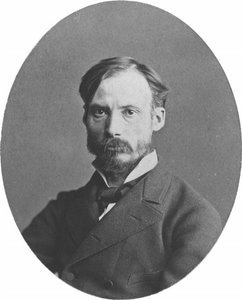
Pierre-Auguste Renoir
1841 - 1919 , Frankreich
Eckdaten zum Künstler
- Beeinflusste Künstler:
- Rubens
- Watteau
- Bemerkenswerte Werke:
- Tanz im Moulin de la Galette
- Bootsfahrt-Mittagessen
- Nach dem Bad
- Tanz in Bougival
- Geburtsdatum: 25. Februar 1841
- Geburtsort: Limoges, Frankreich
- Künstlerischer Stil: Impressionismus
- Nationalität: Französisch
- Todatum: 3. Dezember 1919
- Vollständiger Name: Pierre-Auguste Renoir
- Von Künstlern Beeinflusst:
- Camille Pissarro
- Édouard Manet
Verwandte Artikel

Pierre-Auguste Renoir: Die 25 Meisterwerke des Impressionismus für Ihr Zuhause | OriginalUniqueArt
Entdecken Sie die 25 schönsten Meisterwerke von Pierre-Auguste Renoir! Tauchen Sie ein in die Welt des Impressionismus, erleben Sie berühmte Gemälde wie 'Bal au moulin de la Galette' und finden Sie hochwertige Kunstdrucke für Ihr Zuhause. Jetzt auf OriginalUniqueArt.com!
Impressionismus: Die 10 Meisterwerke, die eine Kunstbewegung prägten |
Entdecken Sie die 10 Meisterwerke des Impressionismus! Von Monet bis Renoir – erfahren Sie die Geschichten hinter berühmten Gemälden & ihre einzigartigen Techniken. Kunstdrucke in Museumsqualiät auf .

The Luminous World of Pierre-Auguste Renoir: An Exploration of Impressionism's Sensuous Embrace
Explore the captivating world of Pierre-Auguste Renoir! Discover his life, iconic Impressionist masterpieces & enduring legacy with our expert guide. High-quality reproductions available.
Impressionismus: Die 10 Meisterwerke, die eine Kunstbewegung prägten | OriginalUniqueArt
Entdecken Sie die 10 Meisterwerke des Impressionismus! Von Monet bis Renoir – erleben Sie die Geschichten, Techniken & Farben berühmter Künstler. Kunstdrucke in Museumsqualiät auf OriginalUniqueArt.com.
Impressionismus: Die 10 Meisterwerke, die eine Kunstbewegung prägten | OriginalUniqueArt
Entdecken Sie die 10 Meisterwerke des Impressionismus! Von Monet bis Renoir – erfahren Sie die Geschichten hinter ikonischen Gemälden, Techniken & Farben. Hochwertige Reproduktionen auf OriginalUniqueArt.com.


