
 Vorschau anzeigen
 Versenden
 Teilen
 Details anzeigen
 Leitfaden

 Herunterladen
 Ähnliche Objekte
 Röntgenaufnahme
 Diashow
 Fragen & Antworten
 Statistiken
Frau in Weiß


 Weiterlesen
Giclée / Kunstdruck
Giclée- oder Leinwanddruck in Museumsqualität mit schneller Produktion und flexiblen Veredelungsoptionen. ( Handgemalte Reproduktion bestellen Zum digitalen Bild wechseln)




P118B €10

P118H €10

P118W €10

P438Z €10

P508JH €12

P508YH €12

P805H €10

P805Z €10

P919BZ €10

P919G €10

P919XJ €10

P959ZH €10

P968JZ €12

W106C €8

W218G €10

W218JH €8

W218Y €10

W307PJ €10

W316G €10

W316PJ €8

W316Y €10

W398PJ €8

W4111J €10

W500HY €15

W500JH €15

W692G €12

W849H €8

W940BG €15

W953PJ €8




Wählen Sie aus unseren vordefinierten Formaten, die den ursprünglichen Proportionen des Kunstwerks entsprechen.

Geben Sie die benötigte Breite und Höhe an, damit der Druck perfekt in Ihren Rahmen oder an Ihre Wand passt. Ein Druck kann nur beschnitten, aber niemals größer als das Originalbild angefertigt werden; daher verliert ein Format mit anderen Proportionen einen Teil des Bildes. Wir senden Ihnen ein digitales Mockup zur Freigabe, bevor wir den Druck ausführen. Das auf dieser Seite gezeigte Bild zeigt nicht den tatsächlichen Beschnitt – dies ist nur im Mockup ersichtlich.
Weltweiter Versand () innerhalb von 2 Wochen statt der üblichen 4/5 Wochen. (4 November)

Kostenloser weltweiter Expressversand

Hochwertige Leinenleinwand

Umfassender Versicherungsschutz beim Versand

Zollgebühren-Rückerstattungsgarantie

Garantie für exakte Farbtreue

100 Tage Rückgaberecht (nur bei Mängeln)

100% Geld-zurück-Garantie

Mengenrabatt verfügbar
 Die Glasoption ist nur für Größen unter 110 cm verfügbar.

Frau in Weiß
Giclée / Kunstdruck
Format der Reproduktion
-


Endpreis
€ 72
Renoir’s Serene Reflection: Exploring ‘Woman in White’
Pierre-Auguste Renoir's Woman in White stands as a cornerstone of Impressionist art—a masterpiece that transcends mere visual beauty to capture the essence of quiet contemplation and feminine grace. Painted in 1916 during a period marked by artistic experimentation and societal change, this portrait embodies Renoir’s signature approach: prioritizing light and color above meticulous detail to convey mood and atmosphere. It's more than just a depiction; it’s an invitation into a moment frozen in time.Composition and Narrative
The painting centers around a woman seated comfortably in two chairs—one positioned slightly to the left, another closer to the right—creating a balanced visual arrangement that draws the eye inwards. Her head rests gently on her hand, suggesting repose and introspection; she’s absorbed in reading a book, an activity emblematic of intellectual curiosity and personal solace. Behind her is a dining table adorned with a vase containing flowers – subtle additions that contribute to the overall sense of domestic tranquility. The careful placement of these elements isn't accidental; Renoir meticulously crafted each detail to reinforce the painting’s narrative—a story whispered rather than shouted, inviting viewers to participate in its quiet drama.The Dance of Light and Color
Renoir’s mastery lies in his ability to transform ordinary light into extraordinary visual poetry. He employs soft, diffused illumination that washes over the woman's pale skin and draped gown, creating a luminous effect reminiscent of Monet’s landscapes. The dominant hues—primarily creams, whites, and muted yellows—harmoniously blend together, reflecting the gentle warmth of sunlight filtering through the window. Renoir skillfully utilizes broken brushstrokes – characteristic of Impressionism – to capture the subtle variations in color and texture, avoiding harsh outlines and emphasizing the ephemeral quality of light itself. This technique isn’t merely decorative; it's fundamental to conveying the painting’s emotional core—a feeling of serenity and peaceful contemplation.Impressionist Techniques: A Delicate Touch
Renoir’s meticulous brushwork is palpable throughout ‘Woman in White.’ Notice how he delicately renders the woman’s hair, applying short, feathery strokes that capture its movement and texture with remarkable accuracy. Similarly, the folds of her dress are depicted with subtle shading and blending, creating a sense of volume and depth without resorting to precise anatomical representation. This approach aligns perfectly with Impressionist ideals—rejecting academic conventions in favor of capturing immediate sensory experience. Renoir’s technique prioritizes feeling over factual precision, resulting in an image that feels alive and brimming with emotion.Symbolism and Context
‘Woman in White’ operates on multiple levels of symbolic interpretation. The woman herself represents femininity, intellect, and inner peace—values highly prized during the Belle Époque. Her reading posture symbolizes knowledge and contemplation, suggesting a mind engaged in thought and imagination. Furthermore, the dining table and vase serve as reminders of domestic life and comfort – elements that Renoir skillfully integrates into his composition to evoke a sense of idealized beauty. Created amidst the burgeoning artistic movement of Impressionism, ‘Woman in White’ reflects the broader cultural preoccupation with capturing fleeting moments of everyday experience—a legacy that continues to inspire artists and collectors today.A Legacy of Light
Like many Impressionist paintings, Renoir's 'Woman in White' exemplifies the profound influence of Eugène Delacroix’s Romanticism on artistic sensibilities. Delacroix championed expressive brushwork and emotional intensity, encouraging painters to prioritize feeling over strict adherence to traditional rules. Renoir embraced this spirit, forging his own distinctive style that remains instantly recognizable—a testament to his enduring contribution to art history. Its timeless appeal resides in its ability to transport viewers back to a moment of quiet beauty, reminding us of the power of light and color to communicate emotion and inspire contemplation.- Artist: Pierre-Auguste Renoir
- Year: 1916
- Style: Impressionism
- Medium: Oil on Canvas
- Museum Collection: Des Moines Art Center
Fragen & Antworten
Ist "Frau in Weiß" als Kunstdruck erhältlich?
Einen Druck von "Frau in Weiß" von Pierre-Auguste Renoir können Sie direkt auf der entsprechenden Kunstdruck in Premiumqualität-Seite bestellen: ein Fine Art Print auf Baumwollkanvas oder Archiv-Leinwandpapier.
Welcher Kunstrichtung lässt sich "Frau in Weiß" von Pierre-Auguste Renoir zuordnen?
„Frau in Weiß“ ist ein Werk der Impressionism. Die Stilrichtung gibt die künstlerische Tradition an, der das Werk angehört.
Welche allgemeine Stimmung vermittelt "Frau in Weiß" von Pierre-Auguste Renoir?
"Frau in Weiß" verströmt eine Serenität Atmosphäre.
Künstlerbiografie
frühes Leben und Karriere
pierre-auguste renoir, ein prägender französischer Künstler, wurde am 25. Februar 1841 in Limoges, Frankreich, geboren. Er spielte eine entscheidende Rolle bei der Gestaltung des Impressionismus und war bekannt für sein lebendiges Licht und seine gesättigten Farben. Renoirs Werk feierte Schönheit, insbesondere weibliche Sinnlichkeit, und platzierte ihn in einer Linie von Künstlern, die von Rubens bis Watteau reicht.Künstlerisches Erbe
Renoirs Vermächtnis erstreckte sich über seine Leinwand hinaus, da er der Patriarche einer Familie war, in der Kunst in verschiedenen Formen blühte. Seine Kinder, pierre renoir (1885–1952), Filmemacher jean renoir (1894–1979) und Keramikkünstler claude renoir (1901–1969), leisteten alle bedeutende Beiträge in ihren jeweiligen Bereichen. Sein Enkel, Filmemacher claude renoir (1913–1993), vertiefte das künstlerische Erbe der Familie weiter.Bekannte Werke und Museen
* Dance at Bougival, ein bemerkenswertes Gemälde von Renoir, zeigt seine Meisterschaft beim Festhalten der Essenz des Impressionismus. * Das Musée des Collettes, das sich in Cagnes-sur-Mer, Frankreich, befindet, ist ein Muss für Kunstliebhaber. Dieses Museum, das einst das Zuhause von Pierre-Auguste Renoir war, dient als Zeugnis seines Lebens und Werks und beherbergt fünfzehn seiner Gemälde. * Das Musée Maurice Denis, ein weiteres verstecktes Juwel in Frankreich, präsentiert eine beeindruckende Sammlung französischer Postimpressionistischer Gemälde aus dem späten 19. und frühen 20. Jahrhundert.Renoirs Kunst mit OriginalUniqueArt entdecken
- Entdecken Sie den Charme des Musée des Collettes (Frankreich) und seiner Impressionistenkunst bei OriginalUniqueArt: [https://OriginalUniqueArt.com/@@/a@d3aupf](https://OriginalUniqueArt.com/@@/a@d3aupf)
- Erkunden Sie die Wunder des Musée Maurice Denis (Frankreich) mit OriginalUniqueArt: /de/art/show/art-d3aue3-de/
- Ansehen Sie sich Renoirs Gemälde, einschließlich Dance at Bougival, bei OriginalUniqueArt: [https://OriginalUniqueArt.com/@/pierre-auguste renoir](https://OriginalUniqueArt.com/@/pierre-auguste%20renoir)
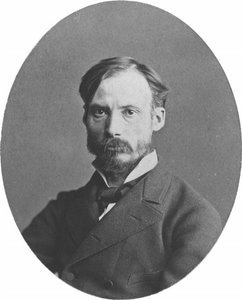
Pierre-Auguste Renoir
1841 - 1919 , Frankreich
Kurzinfos
- Beeinflusste Künstler:
- Rubens
- Watteau
- Bemerkenswerte Werke:
- Tanz im Moulin de la Galette
- Bootsfahrt-Mittagessen
- Nach dem Bad
- Tanz in Bougival
- Geburtsdatum: 25. Februar 1841
- Geburtsort: Limoges, Frankreich
- Künstlerischer Stil: Impressionismus
- Nationalität: Französisch
- Todatum: 3. Dezember 1919
- Vollständiger Name: Pierre-Auguste Renoir
- Von Künstlern Beeinflusst:
- Camille Pissarro
- Édouard Manet
Ähnliche Artikel
Impressionismus: Die 10 Meisterwerke, die eine Kunstbewegung prägten | OriginalUniqueArt
Entdecken Sie die 10 Meisterwerke des Impressionismus! Von Monet bis Renoir – erfahren Sie die Geschichten hinter ikonischen Gemälden, Techniken & Farben. Hochwertige Reproduktionen auf OriginalUniqueArt.com.
Die 25 Meisterwerke des Detroit Institute of Arts: Kunst für Ihr Zuhause | OriginalUniqueArt
Entdecken Sie die 25 ikonischsten Kunstwerke des Detroit Institute of Arts! Von Van Gogh bis Monet – erleben Sie Geschichten, Techniken & Farben. Hochwertige Kunstdrucke und Reproduktionen für Ihr Zuhause auf OriginalUniqueArt.com.

The Luminous World of Pierre-Auguste Renoir: An Exploration of Impressionism's Sensuous Embrace
Explore the captivating world of Pierre-Auguste Renoir! Discover his life, iconic Impressionist masterpieces & enduring legacy with our expert guide. High-quality reproductions available.

Die 25 besten Meisterwerke von Pierre-Auguste Renoir: Ein Fest des Lichts
Entdecken Sie die 25 besten Werke von Renoir und den Impressionismus. Erleben Sie Meisterwerke auf OriginalUniqueArt.com.

Weiße Meisterwerke: Die Top 10 berühmtesten Gemälde und ihre zeitlose Eleganz
Entdecken Sie die Top 10 berühmter Gemälde, dominiert von Weiß! Von Malewitsch bis Rothko – erfahren Sie Geschichten hinter ikonischen Kunstwerke und lassen Sie sich für Ihre Wohnraumgestaltung inspirieren. Kunstreproduktionen in Museumsqualiät auf


