
 Vorschau anzeigen
 Versenden
 Teilen
 Details anzeigen
 Leitfaden

 Herunterladen
 Ähnliche Objekte
 Röntgenaufnahme
 Diashow
 Fragen & Antworten
 Statistiken
Die Leserin


 Weiterlesen
Giclée / Kunstdruck
Giclée- oder Leinwanddruck in Museumsqualität mit schneller Produktion und flexiblen Veredelungsoptionen. ( Handgemalte Reproduktion bestellen Zum digitalen Bild wechseln)




P118B €10

P118H €10

P118W €10

P438Z €10

P508JH €12

P508YH €12

P805H €10

P805Z €10

P919BZ €10

P919G €10

P919XJ €10

P959ZH €10

P968JZ €12

W106C €8

W218G €10

W218JH €8

W218Y €10

W307PJ €10

W316G €10

W316PJ €8

W316Y €10

W398PJ €8

W4111J €10

W500HY €15

W500JH €15

W692G €12

W849H €8

W940BG €15

W953PJ €8




Wählen Sie aus unseren vordefinierten Formaten, die den ursprünglichen Proportionen des Kunstwerks entsprechen.

Geben Sie die benötigte Breite und Höhe an, damit der Druck perfekt in Ihren Rahmen oder an Ihre Wand passt. Ein Druck kann nur beschnitten, aber niemals größer als das Originalbild angefertigt werden; daher verliert ein Format mit anderen Proportionen einen Teil des Bildes. Wir senden Ihnen ein digitales Mockup zur Freigabe, bevor wir den Druck ausführen. Das auf dieser Seite gezeigte Bild zeigt nicht den tatsächlichen Beschnitt – dies ist nur im Mockup ersichtlich.
Weltweiter Versand () innerhalb von 2 Wochen statt der üblichen 4/5 Wochen. (5 November)

Kostenloser weltweiter Expressversand

Hochwertige Leinenleinwand

Umfassender Versicherungsschutz beim Versand

Zollgebühren-Rückerstattungsgarantie

Garantie für exakte Farbtreue

100 Tage Rückgaberecht (nur bei Mängeln)

100% Geld-zurück-Garantie

Mengenrabatt verfügbar
 Die Glasoption ist nur für Größen unter 110 cm verfügbar.

Die Leserin
Giclée / Kunstdruck
Format der Reproduktion
-


Endpreis
€ 72
Young Girl Reading (Renoir) – A Snapshot of Impressionistic Tranquility
Pierre-Auguste Renoir’s “Young Girl Reading” isn't merely a portrait; it’s an exquisitely rendered distillation of Parisian life in 1886, captured with the luminous brushstrokes characteristic of Impressionism. Situated within the Städelsches Kunstinstitut in Frankfurt, Germany, this canvas embodies Renoir’s profound ability to convey emotion through subtle visual cues—a testament to his artistic vision and enduring legacy. The painting transports us back to a moment of serene contemplation, inviting viewers to appreciate the beauty found in everyday scenes.- Subject Matter: The artwork depicts a young girl absorbed in reading a book indoors, bathed in soft natural light filtering through a window draped with pale blue curtains. This deliberate choice of setting underscores Renoir’s fascination with capturing fleeting impressions and conveying atmosphere—a cornerstone of Impressionist philosophy.
- Style & Technique: Renoir employs loose brushstrokes—a hallmark of Impressionism—to achieve an ethereal effect, blurring edges and blending colors seamlessly. The artist skillfully utilizes a palette dominated by warm hues—particularly pinks and oranges—creating a comforting visual experience that contrasts beautifully with the cool blues of the background.
- Historical Context: Created during the height of Impressionist experimentation, “Young Girl Reading” reflects the movement’s rejection of academic conventions and its embrace of subjective perception. Renoir's contemporaries sought to depict reality as they experienced it—rather than adhering to idealized representations dictated by artistic tradition.
Composition & Color Harmony – Renoir’s Delicate Balance
Renoir’s compositional choices contribute significantly to the painting’s emotional impact. The girl occupies a central position, framed by a chair and partially visible figure on the left—establishing a sense of depth and grounding the scene. Notably, Renoir strategically places scattered pink flowers throughout the image, injecting vibrancy into the muted tones while simultaneously symbolizing innocence and beauty. This careful orchestration of color enhances the painting’s overall harmony and reinforces its contemplative mood.- Light & Shadow: Renoir masterfully utilizes light to sculpt the girl's form and illuminate her surroundings—creating a palpable sense of warmth and inviting viewers into the scene. The diffused sunlight casts gentle shadows, adding dimensionality and enhancing the painting’s realism without sacrificing its dreamy quality.
- Color Palette: The artist’s palette is remarkably restrained yet profoundly expressive—primarily consisting of pinks, oranges, blues, and greens. These colors are blended subtly to achieve a harmonious blend that evokes feelings of tranquility and nostalgia.
Symbolism & Emotional Resonance – Beyond the Surface Appearance
“Young Girl Reading” transcends its literal depiction, resonating with deeper symbolic meanings rooted in Impressionist aesthetics. The girl’s posture—absorbed in her book—represents intellectual curiosity and inner contemplation—values highly esteemed during Renoir's time. Furthermore, the flowers symbolize purity and innocence—underscoring Renoir’s desire to portray beauty as it exists in the natural world. Ultimately, the painting invites viewers to contemplate themes of serenity, introspection, and the transformative power of art.- Influence: Renoir's work draws inspiration from Impressionist predecessors like Monet and Sisley—demonstrating a shared commitment to capturing fleeting moments of beauty and emotion through innovative techniques.
- Legacy: “Young Girl Reading” remains an iconic exemplar of Impressionism—continuing to captivate audiences with its timeless charm and artistic brilliance. Its enduring appeal testifies to Renoir’s genius in conveying profound emotional resonance through deceptively simple visual elements.
- Available Sizes: Choose from a range of sizes to suit your space and aesthetic preferences—from smaller canvases ideal for bedside tables to larger prints commanding attention in living rooms.
- Material Quality: OriginalUniqueArt.com utilizes archival pigment inks on premium canvas—ensuring that reproductions faithfully preserve Renoir’s original colors and textures for generations to come.
Fragen & Antworten
Wie harmonisch ist die Farbgestaltung von "Die Leserin" von Pierre-Auguste Renoir?
Die Farbharmonie von „Die Leserin“ wird als Hohe farbliche Harmonie beschrieben.
In welchem Jahr wurde "Die Leserin" von Pierre-Auguste Renoir geschaffen?
"Die Leserin" von Pierre-Auguste Renoir entstand im Jahr 1886.
Wie kann ich "Die Leserin" von Pierre-Auguste Renoir als Diashow ansehen?
Das Diaporama zu „Die Leserin“ finden Sie auf der Diashow-Seite des Kunstwerks.
Künstlerbiografie
frühes Leben und Karriere
pierre-auguste renoir, ein prägender französischer Künstler, wurde am 25. Februar 1841 in Limoges, Frankreich, geboren. Er spielte eine entscheidende Rolle bei der Gestaltung des Impressionismus und war bekannt für sein lebendiges Licht und seine gesättigten Farben. Renoirs Werk feierte Schönheit, insbesondere weibliche Sinnlichkeit, und platzierte ihn in einer Linie von Künstlern, die von Rubens bis Watteau reicht.Künstlerisches Erbe
Renoirs Vermächtnis erstreckte sich über seine Leinwand hinaus, da er der Patriarche einer Familie war, in der Kunst in verschiedenen Formen blühte. Seine Kinder, pierre renoir (1885–1952), Filmemacher jean renoir (1894–1979) und Keramikkünstler claude renoir (1901–1969), leisteten alle bedeutende Beiträge in ihren jeweiligen Bereichen. Sein Enkel, Filmemacher claude renoir (1913–1993), vertiefte das künstlerische Erbe der Familie weiter.Bekannte Werke und Museen
* Dance at Bougival, ein bemerkenswertes Gemälde von Renoir, zeigt seine Meisterschaft beim Festhalten der Essenz des Impressionismus. * Das Musée des Collettes, das sich in Cagnes-sur-Mer, Frankreich, befindet, ist ein Muss für Kunstliebhaber. Dieses Museum, das einst das Zuhause von Pierre-Auguste Renoir war, dient als Zeugnis seines Lebens und Werks und beherbergt fünfzehn seiner Gemälde. * Das Musée Maurice Denis, ein weiteres verstecktes Juwel in Frankreich, präsentiert eine beeindruckende Sammlung französischer Postimpressionistischer Gemälde aus dem späten 19. und frühen 20. Jahrhundert.Renoirs Kunst mit OriginalUniqueArt entdecken
- Entdecken Sie den Charme des Musée des Collettes (Frankreich) und seiner Impressionistenkunst bei OriginalUniqueArt: [https://OriginalUniqueArt.com/@@/a@d3aupf](https://OriginalUniqueArt.com/@@/a@d3aupf)
- Erkunden Sie die Wunder des Musée Maurice Denis (Frankreich) mit OriginalUniqueArt: /de/art/show/art-d3aue3-de/
- Ansehen Sie sich Renoirs Gemälde, einschließlich Dance at Bougival, bei OriginalUniqueArt: [https://OriginalUniqueArt.com/@/pierre-auguste renoir](https://OriginalUniqueArt.com/@/pierre-auguste%20renoir)
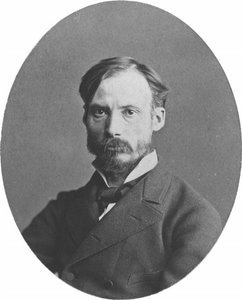
Pierre-Auguste Renoir
1841 - 1919 , Frankreich
Kurzinfos
- Beeinflusste Künstler:
- Rubens
- Watteau
- Bemerkenswerte Werke:
- Tanz im Moulin de la Galette
- Bootsfahrt-Mittagessen
- Nach dem Bad
- Tanz in Bougival
- Geburtsdatum: 25. Februar 1841
- Geburtsort: Limoges, Frankreich
- Künstlerischer Stil: Impressionismus
- Nationalität: Französisch
- Todatum: 3. Dezember 1919
- Vollständiger Name: Pierre-Auguste Renoir
- Von Künstlern Beeinflusst:
- Camille Pissarro
- Édouard Manet
Ähnliche Artikel

Impressionismus: Die 10 Meisterwerke, die eine Kunstbewegung prägten | OriginalUniqueArt
Entdecken Sie die 10 Meisterwerke des Impressionismus! Von Monet bis Renoir – erleben Sie die Geschichten, Techniken & Farben berühmter Künstler. Kunstdrucke in Museumsqualiät auf OriginalUniqueArt.com.

Die 25 besten Meisterwerke von Pierre-Auguste Renoir: Ein Fest des Lichts
Entdecken Sie die 25 besten Werke von Renoir und den Impressionismus. Erleben Sie Meisterwerke auf OriginalUniqueArt.com.
Impressionismus: Die 10 Meisterwerke, die eine Kunstbewegung prägten | OriginalUniqueArt
Entdecken Sie die 10 Meisterwerke des Impressionismus! Von Monet bis Renoir – erfahren Sie die Geschichten hinter ikonischen Gemälden, Techniken & Farben. Hochwertige Reproduktionen auf OriginalUniqueArt.com.

Die Subtilität der Pastelltechnik: Geschichte, Anwendung und emotionale Resonanz
Entdecken Sie die faszinierende Welt der Pastellmalerei! Erfahren Sie mehr über Technik, Geschichte und berühmte Künstler. Hochwertige Reproduktionen bei OriginalUniqueArt.

The Luminous World of Pierre-Auguste Renoir: An Exploration of Impressionism's Sensuous Embrace
Explore the captivating world of Pierre-Auguste Renoir! Discover his life, iconic Impressionist masterpieces & enduring legacy with our expert guide. High-quality reproductions available.


