

 In echtem Maßstab anzeigen
 Versenden als Grußkarte
 Teilen
 Details anzeigen
 Leitfaden öffnen

 Herunterladen
 Ähnliche Objekte
 Röntgenaufnahme
 Diashow
 Besucherstatistiken
Claude Renoir Spielen


 Mehr anzeigen
Giclée / Kunstdruck
Giclée- oder Leinwanddruck in Museumsqualität mit schneller Produktion und flexiblen Veredelungsoptionen. ( Handgemalte Reproduktion kaufen Zum digitalen Bild wechseln)




P118B €10

P118H €10

P118W €10

P438Z €10

P508JH €12

P508YH €12

P805H €10

P805Z €10

P919BZ €10

P919G €10

P919XJ €10

P959ZH €10

P968JZ €12

W106C €8

W218G €10

W218JH €8

W218Y €10

W307PJ €10

W316G €10

W316PJ €8

W316Y €10

W398PJ €8

W4111J €10

W500HY €15

W500JH €15

W692G €12

W849H €8

W940BG €15

W953PJ €8




Wählen Sie aus unseren vordefinierten Formaten, die den ursprünglichen Proportionen des Kunstwerks entsprechen.

Geben Sie die Breite und die Höhe an, die Sie benötigen, damit der Druck perfekt in Ihren Rahmen oder an Ihre Wand passt. Ein Druck kann nur beschnitten werden und niemals größer als das Originalbild gemacht werden; daher verliert ein Format mit einer anderen Proportion einen Teil des Bildes. Wir senden Ihnen ein digitales Mockup zur Freigabe, bevor wir den Druck ausführen. Das auf dieser Seite gezeigte Bild zeigt nicht den tatsächlichen Beschnitt – dies ist nur im Mockup ersichtlich.
Weltweiter Versand () innerhalb von 2 Wochen statt der üblichen 4/5 Wochen. (23 Oktober)

Kostenloser weltweiter Expressversand

Hochwertige Leinenleinwand

Vollständiger Versicherungsschutz beim Versand

Zollgebühren-Rückerstattungsgarantie

Garantie für exakte Farbtreue

100-tägiges Rückgaberecht (nur bei Mängeln)

100% Geld-zurück-Garantie

Angebot für Mengenrabatt
 Die Glasoption ist nur für Größen unter 110 cm verfügbar.

Claude Renoir Spielen
Giclée / Kunstdruck
Format der Reproduktion
-


Gesamtpreis
€ 70
A Window into Renoir’s Vision: Claude Renoir Playing
Pierre-Auguste Renoir (1841-1919), a luminary of the Impressionist movement, possessed an unparalleled ability to capture fleeting moments of beauty and emotion—a talent brilliantly exemplified in “Claude Renoir Playing.” Painted in 1906, this captivating oil on canvas resides within the Musée de l'Orangerie in Paris, France, serving as a poignant reminder of Renoir’s enduring fascination with capturing the essence of everyday life and childhood’s untainted wonder.
The painting transcends mere depiction; it’s an immersive experience into Renoir’s artistic philosophy. He sought to distill the vibrancy of light and color onto canvas, mirroring the dappled sunlight filtering through foliage—a technique deeply rooted in his formative years spent observing Boudin's masterful marine landscapes.
Composition & Technique: Mastering Impressionistic Light
Renoir’s meticulous brushstrokes are immediately apparent. Notice how he blends hues with remarkable subtlety, creating an ethereal glow that envelops Claude Renoir and the surrounding environment. The artist skillfully utilizes layering—a cornerstone of Impressionism—to build up texture and depth without resorting to harsh outlines. This technique allows for a nuanced portrayal of light’s transformative effects on color, mirroring the way sunlight dances across surfaces.
- Subject Matter: A young girl engrossed in play before a larger painting depicting figures engaged in various activities.
- Color Palette: Dominated by warm hues—primarily reds and yellows—creating an atmosphere of warmth and joy.
- Brushwork: Loose, expressive strokes that convey movement and spontaneity, characteristic of Impressionist style.
Historical Context & Influences
“Claude Renoir Playing” emerged during a period of significant artistic innovation—the height of Impressionism. Renoir’s early mentorship by Boudin instilled in him a profound respect for plein air painting, encouraging him to prioritize capturing the immediacy of natural light and color. This influence is palpable in the painting's luminous quality and its depiction of outdoor scenes.
Furthermore, Renoir’s artistic sensibilities were shaped by his admiration for Old Masters like Rembrandt and Velázquez—artists who prioritized tonal harmony and psychological realism. However, unlike these masters, Renoir deliberately rejected academic conventions, opting instead for a style that prioritized sensory experience over intellectual analysis.
Symbolism & Emotional Resonance
Beyond its technical brilliance, “Claude Renoir Playing” speaks to universal themes of innocence, curiosity, and the beauty of childhood. The girl’s gaze—directed towards the larger painting—suggests a contemplation of art itself and its ability to inspire wonder. It's a celebration of simple pleasures and a testament to Renoir’s conviction that art should capture not just what we see but also how it feels.
This artwork continues to resonate with audiences today, serving as an enduring emblem of Impressionism’s legacy—a movement dedicated to transforming visual perception and conveying emotion through color and light. Its reproduction offers a captivating glimpse into Renoir's artistic genius and invites viewers to appreciate the profound beauty found in capturing fleeting moments of life.
Fragen & Antworten
Welche Stimmung und welche Emotionen vereinen sich in "Claude Renoir Spielen"?
Die festgehaltene Stimmung von "Claude Renoir Spielen" von Pierre-Auguste Renoir ist Romantisch, und ihr emotionaler Tonfall ist Freudvoll.
Welches Motiv und welche Atmosphäre vereint "Claude Renoir Spielen" von Pierre-Auguste Renoir?
"Claude Renoir Spielen" von Pierre-Auguste Renoir stellt childhood play, painting within painting, french impressionism, outdoor scene, young girl figure, renoir technique in einer Romantisch Stimmung dar. Motiv und Atmosphäre beschreiben gemeinsam das Werk.
Welche Technik und welcher Stil charakterisieren "Claude Renoir Spielen" von Pierre-Auguste Renoir?
In "Claude Renoir Spielen" trifft die Acryl auf Leinwand-Technik auf die Impressionist Style-Strömung.
Biografie des Künstlers
frühes Leben und Karriere
pierre-auguste renoir, ein prägender französischer Künstler, wurde am 25. Februar 1841 in Limoges, Frankreich, geboren. Er spielte eine entscheidende Rolle bei der Gestaltung des Impressionismus und war bekannt für sein lebendiges Licht und seine gesättigten Farben. Renoirs Werk feierte Schönheit, insbesondere weibliche Sinnlichkeit, und platzierte ihn in einer Linie von Künstlern, die von Rubens bis Watteau reicht.Künstlerisches Erbe
Renoirs Vermächtnis erstreckte sich über seine Leinwand hinaus, da er der Patriarche einer Familie war, in der Kunst in verschiedenen Formen blühte. Seine Kinder, pierre renoir (1885–1952), Filmemacher jean renoir (1894–1979) und Keramikkünstler claude renoir (1901–1969), leisteten alle bedeutende Beiträge in ihren jeweiligen Bereichen. Sein Enkel, Filmemacher claude renoir (1913–1993), vertiefte das künstlerische Erbe der Familie weiter.Bekannte Werke und Museen
* Dance at Bougival, ein bemerkenswertes Gemälde von Renoir, zeigt seine Meisterschaft beim Festhalten der Essenz des Impressionismus. * Das Musée des Collettes, das sich in Cagnes-sur-Mer, Frankreich, befindet, ist ein Muss für Kunstliebhaber. Dieses Museum, das einst das Zuhause von Pierre-Auguste Renoir war, dient als Zeugnis seines Lebens und Werks und beherbergt fünfzehn seiner Gemälde. * Das Musée Maurice Denis, ein weiteres verstecktes Juwel in Frankreich, präsentiert eine beeindruckende Sammlung französischer Postimpressionistischer Gemälde aus dem späten 19. und frühen 20. Jahrhundert.Renoirs Kunst mit OriginalUniqueArt entdecken
- Entdecken Sie den Charme des Musée des Collettes (Frankreich) und seiner Impressionistenkunst bei OriginalUniqueArt: [https://OriginalUniqueArt.com/@@/a@d3aupf](https://OriginalUniqueArt.com/@@/a@d3aupf)
- Erkunden Sie die Wunder des Musée Maurice Denis (Frankreich) mit OriginalUniqueArt: /de/art/show/art-d3aue3-de/
- Ansehen Sie sich Renoirs Gemälde, einschließlich Dance at Bougival, bei OriginalUniqueArt: [https://OriginalUniqueArt.com/@/pierre-auguste renoir](https://OriginalUniqueArt.com/@/pierre-auguste%20renoir)
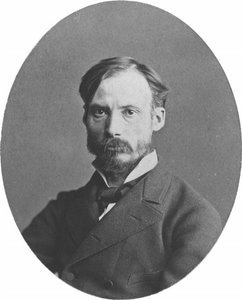
Pierre-Auguste Renoir
1841 - 1919 , Frankreich
Eckdaten zum Künstler
- Beeinflusste Künstler:
- Rubens
- Watteau
- Bemerkenswerte Werke:
- Tanz im Moulin de la Galette
- Bootsfahrt-Mittagessen
- Nach dem Bad
- Tanz in Bougival
- Geburtsdatum: 25. Februar 1841
- Geburtsort: Limoges, Frankreich
- Künstlerischer Stil: Impressionismus
- Nationalität: Französisch
- Todatum: 3. Dezember 1919
- Vollständiger Name: Pierre-Auguste Renoir
- Von Künstlern Beeinflusst:
- Camille Pissarro
- Édouard Manet
Verwandte Artikel
Pierre-Auguste Renoir: Die 25 Meisterwerke des Impressionismus für Ihr Zuhause | OriginalUniqueArt
Entdecken Sie die 25 schönsten Meisterwerke von Pierre-Auguste Renoir! Tauchen Sie ein in die Welt des Impressionismus, erleben Sie berühmte Gemälde wie 'Bal au moulin de la Galette' und finden Sie hochwertige Kunstdrucke für Ihr Zuhause. Jetzt auf OriginalUniqueArt.com!

Impressionismus: Die 10 Meisterwerke, die eine Kunstbewegung prägten | OriginalUniqueArt
Entdecken Sie die 10 Meisterwerke des Impressionismus! Von Monet bis Renoir – erleben Sie die Geschichten, Techniken & Farben berühmter Künstler. Kunstdrucke in Museumsqualiät auf OriginalUniqueArt.com.
Impressionismus: Die 10 Meisterwerke, die eine Kunstbewegung prägten | OriginalUniqueArt
Entdecken Sie die 10 Meisterwerke des Impressionismus! Von Monet bis Renoir – erfahren Sie die Geschichten hinter ikonischen Gemälden, Techniken & Farben. Hochwertige Reproduktionen auf OriginalUniqueArt.com.
Capturing Light and Joy: A Definitive Guide to the Luminous Masterpieces of Pierre-Auguste Renoir
Discover the luminous world of Pierre-Auguste Renoir. Explore an expert guide to his mastery of light, color, and joy through the lens of Impressionist history, perfect for fine art enthusiasts and collectors seeking timeless elegance.

The Luminous World of Pierre-Auguste Renoir: An Exploration of Impressionism's Sensuous Embrace
Explore the captivating world of Pierre-Auguste Renoir! Discover his life, iconic Impressionist masterpieces & enduring legacy with our expert guide. High-quality reproductions available.


