Vorschau anzeigen
 Versenden
 Teilen
 Details anzeigen
 Leitfaden

 Herunterladen
 Ähnliche Objekte
 Röntgenaufnahme
 Diashow
 Fragen & Antworten
 Statistiken
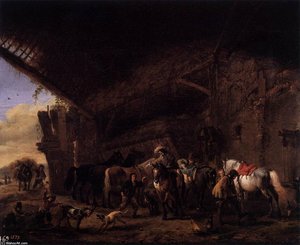
The Horse Fair

- 64.0 x 88.0 cm


 Weiterlesen
Giclée / Kunstdruck
Giclée- oder Leinwanddruck in Museumsqualität mit schneller Produktion und flexiblen Veredelungsoptionen. ( Handgemalte Reproduktion bestellen Zum digitalen Bild wechseln)




P118B €10

P118H €10

P118W €10

P438Z €10

P508JH €12

P508YH €12

P805H €10

P805Z €10

P919BZ €10

P919G €10

P919XJ €10

P959ZH €10

P968JZ €12

W106C €8

W218G €10

W218JH €8

W218Y €10

W307PJ €10

W316G €10

W316PJ €8

W316Y €10

W398PJ €8

W4111J €10

W500HY €15

W500JH €15

W692G €12

W849H €8

W940BG €15

W953PJ €8




Wählen Sie aus unseren vordefinierten Formaten, die den ursprünglichen Proportionen des Kunstwerks entsprechen.

Geben Sie die benötigte Breite und Höhe an, damit der Druck perfekt in Ihren Rahmen oder an Ihre Wand passt. Ein Druck kann nur beschnitten, aber niemals größer als das Originalbild angefertigt werden; daher verliert ein Format mit anderen Proportionen einen Teil des Bildes. Wir senden Ihnen ein digitales Mockup zur Freigabe, bevor wir den Druck ausführen. Das auf dieser Seite gezeigte Bild zeigt nicht den tatsächlichen Beschnitt – dies ist nur im Mockup ersichtlich.
Weltweiter Versand () innerhalb von 2 Wochen statt der üblichen 4/5 Wochen. (7 November)

Kostenloser weltweiter Expressversand

Hochwertige Leinenleinwand

Umfassender Versicherungsschutz beim Versand

Zollgebühren-Rückerstattungsgarantie

Garantie für exakte Farbtreue

100 Tage Rückgaberecht (nur bei Mängeln)

100% Geld-zurück-Garantie

Mengenrabatt verfügbar
 Die Glasoption ist nur für Größen unter 110 cm verfügbar.

The Horse Fair
Giclée / Kunstdruck
Format der Reproduktion
-


Endpreis
€ 72
A Symphony of Motion: The Spirit of the Dutch Golden Age
In the heart of the seventeenth century, amidst the burgeoning prosperity of the Netherlands, Philips Wouwerman captured a moment of vibrant, unbridled energy in his masterpiece, The Horse Fair. This expansive oil on canvas, dating from 1665, serves as more than just a depiction of commerce; it is a window into the soul of the Dutch Golden Age. As one gazes upon the scene, the viewer is immediately swept into a bustling open field where the rhythmic pulse of life is palpable. Wouwerman, a master of the genre, orchestrates a complex ballet of equine grace and human industry, creating a composition that feels both spontaneous and meticulously balanced. The sheer variety of horses—ranging from powerful, muscular stallions to more delicate breeds—adds a layer of dynamic tension, suggesting a world in constant motion, where every creature and character plays a vital role in the unfolding drama of the fair.
The technical brilliance of Wouwerman is most evident in his ability to render texture and light with breathtaking precision. Each brushstroke contributes to the tactile reality of the scene, from the shimmering coats of the horses to the heavy, period-specific fabrics worn by the gathered crowd. The artist employs a sophisticated palette that balances earthy, grounded tones with sudden bursts of brilliance, drawing the eye across the canvas in a choreographed journey. Notice how the overcast sky, filled with soft, billowing clouds, provides a diffused light that eliminates harsh shadows, allowing for a subtle interplay of luminosity across the landscape. This mastery of light not only defines the forms within the painting but also imbues the atmosphere with a sense of atmospheric depth, pulling the viewer toward the distant body of water and the quiet silhouettes of trees that anchor the horizon.
A Tapestry of Social Narrative and Artistic Legacy
Beyond the aesthetic splendor, The Horse Fair functions as a rich social document. The figures scattered throughout the landscape—traders negotiating prices, riders guiding their mounts, and peasants carrying baskets—represent a cross-section of seventeenth-century society. There is a profound sense of narrative potential in every interaction; one can almost hear the low murmur of bartering voices and the heavy thud of hooves against the earth. Wouwering uses these human elements to ground his grander landscapes in a relatable, earthly reality. The inclusion of such detailed character studies elevates the work from a mere landscape to a genre painting of significant psychological depth, where the themes of trade, status, and the shared experience of the marketplace are explored through the lens of animal husbandry.
For the discerning collector or interior designer, this reproduction offers an unparalleled opportunity to introduce a sense of historical grandeur and classical elegance into a contemporary space. The painting’s ability to command attention while maintaining a harmonious presence makes it a versatile centerpiece for any curated collection. It evokes a feeling of timelessness, bridging the gap between the historical splendor of the Haarlem school and the sophisticated tastes of the modern era. To possess such a work is to hold a piece of art history that celebrates the beauty of movement, the dignity of labor, and the enduring allure of the natural world, making it an evocative choice for those looking to inspire awe and contemplation within their homes or galleries.
Fragen & Antworten
Wo finde ich Statistiken zu "The Horse Fair" von Philips Wouwermans?
Die Seite Besucherzahlen von "The Horse Fair" von Philips Wouwermans präsentiert öffentliche Besucherstatistiken: die monatlichen Aufrufe dieses Kunstwerks, einen Vergleich mit den meistbesuchten Werken des Künstlers sowie die Herkunft der Besucher.
Wo kann ich einen Druck von "The Horse Fair" von Philips Wouwermans kaufen?
Einen Druck von "The Horse Fair" von Philips Wouwermans können Sie direkt auf der entsprechenden Kunstdruck in Premiumqualität-Seite bestellen: ein Fine Art Print auf Baumwollkanvas oder Archiv-Leinwandpapier.
Mit welcher Technik wurde "The Horse Fair" erstellt?
Das Medium von "The Horse Fair" von Philips Wouwermans ist Oil On Canvas. Die Reproduktionen zielen darauf ab, die Optik dieser Technik wiederzugeben.
Künstlerbiografie
Philips Wouwerman: Ein Leben im Goldenen Zeitalter der Niederlande
- Geboren: Haarlem, Niederlande (1619)
- Gestorben: 1668
Philips Wouwerman (getauft am 24. Mai 1619 – gestorben am 19. Mai 1668) war ein äußerst produktiver und vielseitiger niederländischer Maler, der für seine Darstellungen von Jagdszenen, Landschaftsbildern und Schlachtenszenen bekannt ist. Er gilt als eine bedeutende Figur in der künstlerischen Landschaft des Goldenen Zeitalters der Niederlande.
Frühes Leben und Ausbildung
Geboren in Haarlem, Niederlande, war Philips Wouwerman der Sohn von Pouwels Joostsz Wouwerman, ebenfalls ein Maler, wenn auch weniger bekannt als sein Sohn. Einzelheiten über seine frühe künstlerische Ausbildung sind etwas spärlich. Es wird jedoch vermutet, dass er unter Frans Hals (1581/85–1666) studierte, einem prominenten hannoverschen Porträtisten. Obwohl Hals’ unverwechselbarer Stil Wouwermans spätere Arbeit nicht stark beeinflusste, erwies sich die grundlegende Ausbildung wahrscheinlich als unschätzbar wertvoll. Zu Beginn seiner Karriere wurde Wouwerman von der *Bamboccianti*-Tradition beeinflusst, insbesondere durch die Werke von Pieter van Laer (1592/99–nach 1642), und übernahm deren Fokus auf das Alltagsleben und Genreszenen.
Künstlerische Entwicklung und Stil
- Frühe Einflüsse: Imitierend die *Bamboccianti*-Maler, zeichneten sich Wouwermans frühe Werke durch Darstellungen des täglichen Lebens aus.
- Entwicklungsstil (um 1640er Jahre): Es entwickelte sich ein charakteristisches kompositorisches Element – eine diagonale Hanglage oft begleitet von einem Baum als Repoussoir (ein Gerät zur Erzeugung von Tiefe). Figuren, häufig begleitet von Pferden, bevölkerten diese Szenen.
- Reife Periode (ca. 1650-1660): Wouwerman entwickelte seinen individuellen Stil und erweiterte sein Themenspektrum erheblich. Er malte Genreszenen, Landschaften mit Reisenden, Kavalleriegefechte, Militärlager und festliche Versammlungen von Bauern.
- Meisterschaft des Pferdes: Wouwerman wird besonders für seine außergewöhnliche Fähigkeit gefeiert, Pferde verschiedener Rassen in dynamischer Bewegung darzustellen. Kunsthistoriker Frederik J. Duparc nannte ihn berühmt "zweifellos der erfolgreichste und talentierteste niederländische 17. Jahrhundert-Maler von Pferden."
- Charakteristische Merkmale: Seine Gemälde zeichnen sich durch gedämpfte Farben, eine kühle Atmosphäre und sorgfältige Liebe zum Detail aus und schaffen so geistreiche und anekdotenhafte Erzählungen in seinen Szenen. Er kombinierte oft imaginäre südliche Landschaften mit einer unverwechselbar niederländischen Atmosphäre.
Wichtige Errungenschaften und Vermächtnis
Wouwermans Werke wurden zu Lebzeiten hoch geschätzt und erlangten im 18. Jahrhundert weitere Popularität. Seine Gemälde fanden ihren Weg in prominente Sammlungen in ganz Europa, darunter die der Fürstenhäuser in Dresden und St. Petersburg, was eine weit verbreitete Bewunderung für seine Kunst zeugte.
- Produktivität: Wouwerman war bemerkenswert produktiv; frühe Kataloge listeten rund 800 ihm zugeschriebene Werke auf, später über 1200. Ein neueres Werkverzeichnis (Schumacher, 2006) identifiziert etwa 570 authentische Werke und räumt den zahlreichen Nachahmern und Imitatoren Rechnung, die in seinem Stil arbeiteten.
- Künstlerfamilie: Seine Brüder Jan (1629–1666) und Pieter (1623–1682) waren ebenfalls Maler, die oft zunächst Philips zugeschrieben wurden. Obwohl Pieters Arbeit deutlich Philips’ Einfluss widerspiegelte, entwickelte er einen eigenen Stil. Jan wurde als ein autonomerer Landschaftsmaler anerkannt.
- Einfluss auf spätere Künstler: Wouwermans Stil beeinflusste zahlreiche Künstler, darunter Jan van Huchtenburgh (1647–1733), die Brüder Jan Frans und Joseph van Bredael (1688–1739) und Carel van Falens (1683–1733).
- Zunftmitgliedschaft & bürgerliches Engagement: Er war Mitglied der Haarlemer Zunft St. Lukas und bekleidete mehrere offizielle Positionen innerhalb dieser. Abseits seiner künstlerischen Bestrebungen arbeitete Wouwerman auch als Verwalter in Haarlem, was sein Engagement im öffentlichen Leben widerspiegelt.
Historische Bedeutung
Philips Wouwermans Beitrag zum Goldenen Zeitalter der Niederlande liegt in seiner Fähigkeit, eine breite Palette von Szenen – von belebten Marktplätzen und Jagdausflügen bis hin zu dramatischen Schlachtfeldern und ruhigen Landschaften – mit bemerkenswerter Detailtreue und Dynamik einzufangen. Seine Meisterschaft in der Darstellung von Pferden, kombiniert mit seinem scharfen Auge für anekdotenhafte Erzählungen, festigte seine Position als einer der gefeiertsten und einflussreichsten Maler seiner Zeit. Eine Retrospektive in Kassel und Den Haag (2009/2010) unterstrich weiter sein bleibendes Vermächtnis.

Philips Wouwermans
1619 - 1668 , Niederlande
Kurzinfos
- Beeinflusste Künstler:
- Jan van Huchtenburgh
- Jan Frans van Bredael
- Joseph van Bredael
- Carel van Falens
- Bemerkenswerte Werke:
- Zwei Pferde
- Zwei Reiter bei einem Zigeilager
- Dünenlandschaft mit Posten
- Pferdemarkt in der Nähe eines Lagers
- Pferdepon bei Stein
- Geburtsdatum: 24. Mai 1619
- Geburtsort: Haarlem, Niederlande
- Künstlerische Bewegung: Niederländisches Goldene Zeitalter
- Künstlerische Einflüsse:
- Pieter van Laer
- Frans Hals
- Jan Wijnants
- Nationalität: Niederländisch
- Sterbedatum: 19. Mai 1668
- Vollständiger Name: Philips Wouwerman
Ähnliche Artikel

Golden Light & Dutch Skies: The Timeless Magic of Dutch Golden Age Landscapes
Discover the breathtaking beauty of Dutch Golden Age landscapes. Explore the mastery of light, chiaroscuro, and 17th-century realism through an expert art history lens, celebrating the enduring legacy of the Dutch Masters for discerning collectors and art lovers.
Charles Leickert: Capturing the Dutch Golden Age Light – A Comprehensive Study of Technique, Context, and Legacy
Explore the captivating winter landscapes of Charles Leickert, a master of Dutch Golden Age light & atmosphere. Discover his techniques, symbolism, and lasting legacy – a comprehensive study for art enthusiasts and collectors.
Nicolaes Berchem und das Goldene Zeitalter: Pastoralismus, Idealisierung & Künstlerische Innovation
Entdecken Sie die faszinierende Welt von Nicolaes Berchem und das Goldene Zeitalter der niederländischen Landschaftsmalerei. Expertenanalyse, Hintergrundinformationen & künstlerische Innovationen.

Golden Light & Dutch Skies: Bringing the Magic of Dutch Golden Age Landscapes into Your Home
Transform your home with the breathtaking light of Dutch Golden Age landscapes. Discover how hand-painted oil reproductions of masterworks like Ruisdael and Vermeer bring timeless elegance, atmosphere, and soulful texture to modern interiors. Elevate your space with museum-quality art.

Die 10 Meisterwerke des Goldenen Zeitalters der niederländischen Malerei |
Entdecken Sie die 10 Meisterwerke des Niederländischen Goldenen Zeitalters! Von Rembrandt bis Vermeer – erleben Sie Kunstgeschichte, Techniken & Emotionen. Hochwertige Gemäldereproduktionen für Ihr Zuhause auf .