
 Vorschau anzeigen
 Versenden
 Teilen
 Details anzeigen

 Herunterladen
 Ähnliche Objekte
 Röntgenaufnahme
 Diashow
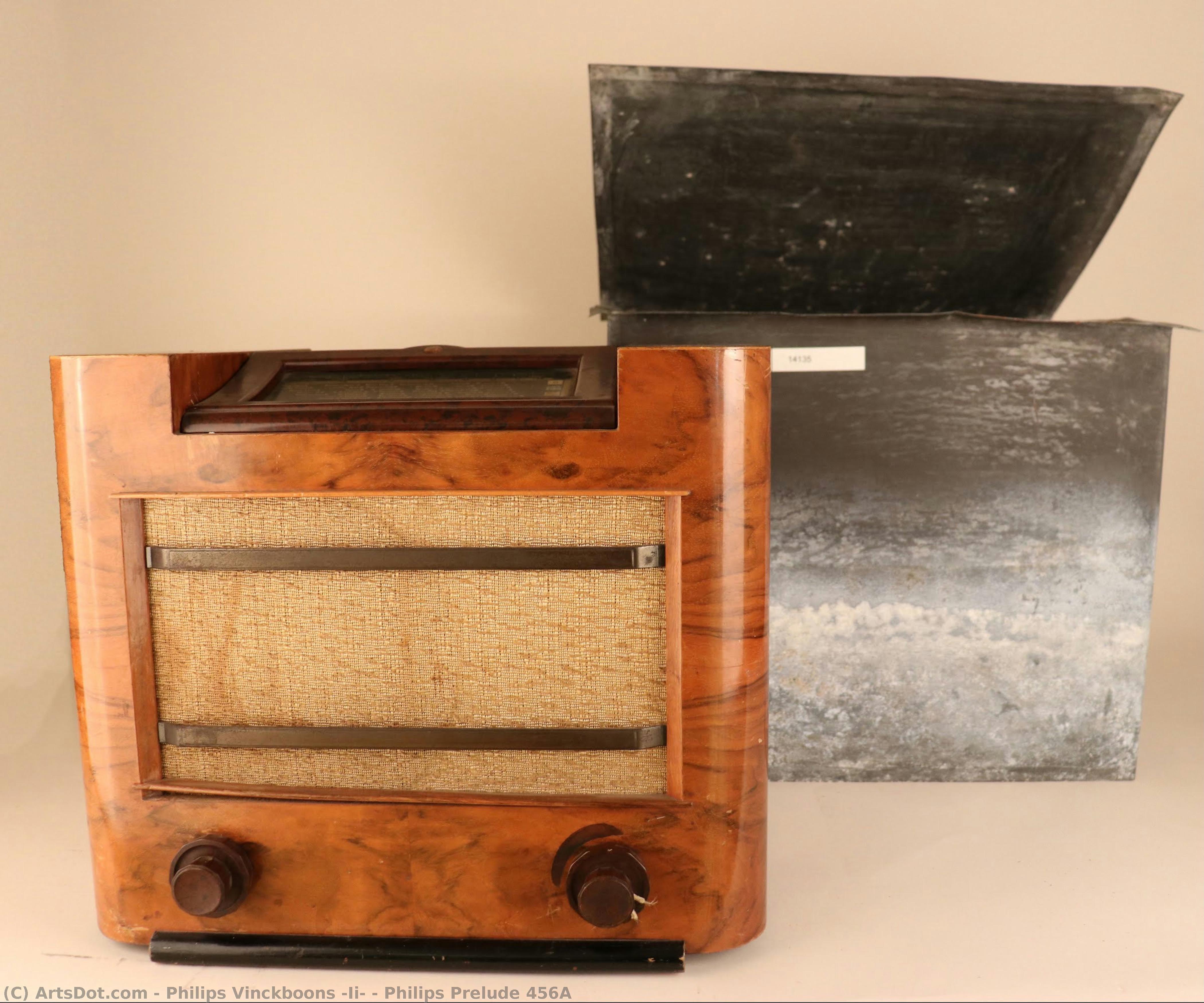
Philips Prelude 456A


 Weiterlesen
Giclée / Kunstdruck
Giclée- oder Leinwanddruck in Museumsqualität mit schneller Produktion und flexiblen Veredelungsoptionen. ( Handgemalte Reproduktion bestellen Bild kaufen)




P118B $10

P118H $10

P118W $10

P438Z $10

P508JH $12

P508YH $12

P805H $10

P805Z $10

P919BZ $10

P919G $10

P919XJ $10

P959ZH $10

P968JZ $12

W106C $8

W218G $10

W218JH $8

W218Y $10

W307PJ $10

W316G $10

W316PJ $8

W316Y $10

W398PJ $8

W4111J $10

W500HY $15

W500JH $15

W692G $12

W849H $8

W940BG $15

W953PJ $8




Wählen Sie aus unseren vordefinierten Formaten, die den ursprünglichen Proportionen des Kunstwerks entsprechen.

Sie können Ihre eigenen Maße eingeben, um ein bestimmtes Format oder einen speziellen Platz einzupassen. Wenn das von Ihnen gewählte Format nicht den Proportionen des Originalbildes entspricht, werden wir das Kunstwerk entweder beschneiden oder das Bild mit einem gespiegelten oder einfarbigen Rand erweitern. Ein digitaler Entwurf wird Ihnen zur Genehmigung zugesandt, bevor die Produktion beginnt.
Bitte beachten Sie, dass die Vorschau auf dem Bildschirm nicht den tatsächlichen Zuschnitt oder die Erweiterung widerspiegelt. Nur der Entwurf zeigt die endgültige Komposition präzise an.
Obwohl Sondermaße verfügbar sind, empfehlen wir die Auswahl eines Maßes aus der vordefinierten Liste, um die ursprünglichen Proportionen zu bewahren.
Weltweiter Versand () innerhalb von 2 Wochen statt der üblichen 4/5 Wochen. (19 August)

Kostenloser weltweiter Expressversand

Hochwertige Leinenleinwand

Umfassender Versicherungsschutz beim Versand

Zollgebühren-Rückerstattungsgarantie

Garantie für exakte Farbtreue

60 Tage Rückgaberecht (nur bei Mängeln)

100% Geld-zurück-Garantie

Mengenrabatt verfügbar
 Die Glasoption ist nur für Größen unter 110 cm verfügbar.

Philips Prelude 456A
Giclée / Kunstdruck
Format der Reproduktion
-


Gesamtpreis
$ 80
Sammlerstück-Beschreibung
A Nostalgic Resonance: The Soul of the Philips Prelude 456A
In the quiet corners of history, certain objects possess the power to anchor us to a bygone era, acting as vessels for memory and warmth. The painting of the Philips Prelude 456A serves as a profound meditation on this very concept. At first glance, the viewer is greeted by the rich, deep tones of a vintage radio set, its wooden casing radiating a sense of sturdy, old-fashioned elegance. This is not merely a depiction of a machine, but an invitation into a domestic sanctuary from 1937. The composition breathes with the stillness of a late afternoon, where the soft light catches the grain of the wood and the edges of nearby books, creating a scene that feels both intimate and timeless.
The artist utilizes a masterful approach to texture and light, evoking the tactile reality of the early twentieth century. The heavy, brown hues of the radio are balanced by the subtle presence of surrounding objects—a cup resting near the top left, and books tucked into the periphery—which ground the piece in a lived-in reality. There is a deliberate use of chiaroscuro-like depth, where shadows pool around the base of the device, lending it a sculptural weight. For the collector or interior designer, this work offers more than just visual interest; it provides a focal point of historical gravity that can transform a modern room into a space of contemplative luxury.
The Intersection of Craft and Era
To understand the emotional impact of this piece, one must consider the historical context of its subject. The year 1937 was a period of profound transition, where the mechanical advancements of the industrial age began to weave themselves into the fabric of daily home life. The Philips Prelude 456A represents that bridge between the artisanal craftsmanship of the past and the burgeoning electronic era. Through this painting, we see the radio not as a cold piece of technology, but as a centerpiece of the household—a source of music, news, and connection that once filled rooms with human emotion.
The symbolism within the composition is subtle yet pervasive. The presence of books suggests a life of intellect and quiet reflection, while the single cup hints at a moment of solitary repose. Together, these elements create a narrative of domestic peace. For those looking to adorn their homes with high-quality reproductions, this artwork acts as a window into a more deliberate way of living. It is an ideal acquisition for those who appreciate the aesthetic of Dutch Classicism and the enduring beauty of objects that were built to last, offering a sophisticated layer of storytelling to any curated collection.
Über den Künstler
Frühes Leben und Karriere
Philips Vinckboons (II), ein renommierter niederländischer Architekt, wurde 1607 in den Niederlanden geboren. Er war Teil der Schule von Jacob van Campen und verkörperte die Essenz des niederländischen Klassizismus. Das Werk von Vinckboons genoss in seiner Geburtsstadt Amsterdam höchste Wertschätzung, wo er der architektonischen Landschaft eine unauslöschliche Prägung verlieh.Bemerkenswerte Werke und Beiträge
Eines der bemerkenswertesten Werke Vinckboons ist die Leuchtstofflampe, die heute im NEMO Science Museum in Amsterdam aufbewahrt wird; dieses Stück verdeutlicht seinen innovativen Ansatz im Design. (Ansehen auf OriginalUniqueArt) Darüber hinaus beeinflusste Vinckboons' Treue zum niederländischen Klassizismus eine ganze Generation von Architekten und prägte maßgeblich die architektonische Identität des Landes.Vermächtnis und Erinnerung
Das Museum der Universitätsbibliothek in Leiden ist, obwohl nicht direkt mit Vinckboons verbunden, ein Zeugnis des reichen kulturellen Erbes der Niederlande, zu dem Vinckboons beigetragen hat. (Entdecken Sie mehr auf OriginalUniqueArt) Ebenso repräsentiert die St. Joriskerk in Amersfoort, heute ein Kunstmuseum, die Evolution der niederländischen Kunst und Architektur – ein Kontext, in dem das Werk von Vinckboons tiefgreifend verstanden werden kann. (Erkunden Sie die St. Joriskerk auf OriginalUniqueArt)- Wichtige Daten: geboren 1607, verstorben am 2. Oktober 1678.
- Bedeutende Strömung: Niederländischer Klassizismus, unter dem Einfluss von Jacob van Campen.
- Vermächtnis: Vinckboons' architektonische Entwürfe bleiben ein Eckpfeiler der niederländischen Architekturgeschichte.
Weitere Erkundungsmöglichkeiten auf OriginalUniqueArt
- Philips Vinckboons (II) | 24 Kunstwerke - Tauchen Sie ein in die umfassende Sammlung der Werke von Vinckboons.
- Das Museum Rathaus von Amsterdam, Niederlande - Verstehen Sie den breiteren Kontext der niederländischen Kunst und Architektur.

Philips Vinckboons (Ii)
1607 - 1678 , Niederlande
Kurzinfos
- Artistic Movement Or Style: Vanitas-Stillleben, 'Raucher'-Szenen
- Artists Or Movements Influenced By This Artist: ['Utrechter Caravaggisten']
- Artists Who Influenced This Artist:
- Pieter Lastman
- Peter Paul Rubens
- Date Of Birth: 1607
- Date Of Death: 1655 (wahrscheinlich)
- Full Name: Hendrick Andriessen, bekannt als Mancken Heyn
- Nationality: Flämisch
- Notable Artworks:
- Vanitas mit einem Totenkopf
- Raucher-Stillleben
- Place Of Birth: Antwerpen, Belgien
Ähnliche Artikel
Die Top 10 berühmter Gemälde in Pilztönen – Kunst für Ihr Zuhause |
Entdecken Sie die Top 10 berühmter Gemälde in faszinierenden Pilztönen! Von Van Gogh bis Monet – erleben Sie Kunstgeschichte und lassen Sie sich von warmen Farben inspirieren. Hochwertige Kunstdrucke auf
Rosige Braun-Töne in der Meistermalerei: Die 10 berühmtesten Gemälde
Entdecken Sie die 10 berühmtesten Gemälde, die von warmen Rosatönen und Braunnuancen geprägt sind. Erfahren Sie mehr über Künstler wie Rembrandt & Caravaggio! Hochwertige Kunst-Reproduktionen für Ihr Zuhause auf
Die Top 10 Gemälde in Sandtönen: Meisterwerke für Ihr Zuhause |
Entdecken Sie die Top 10 Gemälde in faszinierenden Sandtönen! Von Van Gogh bis Monet – erleben Sie Meisterwerke des Impressionismus & mehr. Finden Sie hochwertige Reproduktionen für Ihr Zuhause auf
Sandbraune Meisterwerke: Die Top 10 berühmter Gemälde & ihre warme Aura | OriginalUniqueArt
Entdecken Sie die Top 10 berühmter Gemälde, dominiert von warmen Sandbrauntönen! Von Rembrandt bis Monet – erleben Sie die Geschichte & Technik dieser Meisterwerke. Finden Sie hochwertige Reproduktionen und Inspiration für Ihr Zuhause auf OriginalUniqueArt.com.
Die Top 10 berühmter Gemälde in Erdtönen – Kunst für Ihr Zuhause |
Entdecken Sie die Top 10 berühmter Gemälde in warmen Erdtönen! Von Van Gogh bis Monet – erleben Sie Meisterwerke der Kunstgeschichte. Finden Sie hochwertige Reproduktionen & Inspiration für Ihr Zuhause auf

