

 In echtem Maßstab anzeigen
 Versenden als Grußkarte
 Teilen
 Details anzeigen
 Leitfaden öffnen

 Herunterladen
 Ähnliche Objekte
 Röntgenaufnahme
 Diashow
 Besucherstatistiken
Monopoly


 Mehr anzeigen
Die auf dieser Seite dargestellten Kunstwerke sind urheberrechtlich geschützt, was bedeutet, dass wir keine identische Reproduktion rechtmäßig erstellen oder verkaufen dürfen. Dieser Schutz wird durch internationale Abkommen wie die Berner Übereinkunft und durch nationale Gesetze, einschließlich derer, die von den ... festgelegt wurden US-Urheberrecht – Titel 17.
Als respektvolle und rechtlich einwandfreie Alternative bieten wir individuelle, handgemalte Kunstwerke an, die vom Original inspiriert sind. Unsere geschickten und professionellen Künstler studieren sorgfältig den Stil, die Stimmung und das künstlerische Wesen des Originals, um ein neues, einzigartiges Werk zu schaffen, das dasselbe Gefühl hervorruft – während es zugleich eine eigenständige Originalschöpfung bleibt.
Diese Methode entspricht vollumfänglich den Urheberrechtsbestimmungen, da sie keine Kopie oder Vervielfältigung des geschützten Kunstwerks darstellt. Stattdessen handelt es sich um eine kreative Neuinterpretation – ein neues Gemälde, das vom Original inspiriert, aber nicht identisch mit ihm ist.
Handgefertigte Ölreproduktion
Handgemaltes Ölgemälde auf Leinwand in Ihrer Wunschgröße und mit Rahmen, auf Bestellung von unseren Künstlern angefertigt. ( Zum Druck wechseln Zum digitalen Bild wechseln)




P118B €10

P118H €10

P118W €10

P438Z €10

P508JH €12

P508YH €12

P805H €10

P805Z €10

P919BZ €10

P919G €10

P919XJ €10

P959ZH €10

P968JZ €12

W106C €8

W218G €10

W218JH €8

W218Y €10

W307PJ €10

W316G €10

W316PJ €8

W316Y €10

W398PJ €8

W4111J €10

W500HY €15

W500JH €15

W692G €12

W849H €8

W940BG €15

W953PJ €8




Wählen Sie aus unseren vordefinierten Formaten, die den ursprünglichen Proportionen des Kunstwerks entsprechen.

Geben Sie die Breite und die Höhe an, die Sie für Ihren Rahmen oder Ihre Wand benötigen. Da dieses Werk handgemalt ist, kann der Künstler bei einer anderen Form etwas mehr um das Bild herum malen oder etwas abschneiden – Sie entscheiden. Wir senden Ihnen ein digitales Mockup zur Freigabe, bevor mit dem Malen begonnen wird. Das auf dieser Seite gezeigte Bild stellt nicht das tatsächliche Ergebnis dar – dies tut nur das Mockup.
Nach der Bestellung wird das OriginalUniqueArt.com-Team dem Kunden Anweisungen per E-Mail zusenden und eine Mockup-Vorschau bereitstellen.
Weltweiter Versand () in nur 3 bis 4 Wochen statt der üblichen 5 Wochen. (21 Oktober). Keine Kompromisse bei der Qualität.

Kostenloser weltweiter Expressversand

Hochwertige Leinenleinwand

Vollständiger Versicherungsschutz beim Versand

Zollgebühren-Rückerstattungsgarantie

Garantie für exakte Farbtreue

100-tägiges Rückgaberecht (nur bei Mängeln)

100% Geld-zurück-Garantie

Angebot für Mengenrabatt
 Die Glasoption ist nur für Größen unter 110 cm verfügbar.

Monopoly
Reproduktionsmedium
Format der Reproduktion
-


Gesamtpreis
€ 262
The Canvas of a Nation’s Obsession
Warren Brandt's 1964 painting, “Monopoly,” isn’t merely a depiction of a family gathered around a board game; it’s a potent visual metaphor for the American experience in mid-20th century. The scene unfolds within a comfortably furnished living room – a quintessential image of suburban domesticity – yet an underlying tension permeates the artwork. Three figures, rendered with Brandt's signature bold color palette and slightly stylized forms, are deeply engaged in the game, their faces reflecting a mixture of concentration, competitive spirit, and perhaps, a touch of anxiety. The meticulously arranged furniture—a patterned rug, a vase holding flowers, stacks of books – speaks to an aspiration for stability and intellectual fulfillment, juxtaposed against the chaotic potential of the game itself. The painting immediately invites us to consider the complex relationship between individual ambition and collective prosperity, a theme that resonated deeply within American society during this era.
A Fusion of Artistic Influences
Brandt’s artistic journey, shaped by a confluence of influential mentors, is evident in “Monopoly.” His training at Pratt Institute and subsequent studies with the abstract expressionists Philip Guston and Max Beckmann profoundly impacted his approach to color and form. Guston's emphasis on vibrant hues and expressive brushwork—particularly his later work exploring social commentary—is palpable here, while Beckmann’s influence is seen in the painting’s slightly unsettling quality, a subtle hint of unease beneath the surface of domestic tranquility. The inclusion of Yasuo Kuniyoshi, a Japanese-American painter who faced significant challenges during World War II, further enriches the artwork's narrative, suggesting themes of displacement and resilience. Brandt masterfully synthesizes these diverse influences into a distinctly personal style—one characterized by bold color, simplified forms, and a willingness to engage with complex social issues.
The Game as Social Commentary
“Monopoly” transcends the simple depiction of a family game night. The painting subtly critiques the American obsession with wealth accumulation and the potential for unchecked capitalism. The board itself, a symbol of both opportunity and exploitation, dominates the composition. The figures are not simply playing a game; they’re caught in its web, their fates seemingly determined by dice rolls and strategic decisions. Brandt's use of color—particularly the vibrant reds and yellows associated with property acquisition—heightens this sense of urgency and competition. The painting subtly suggests that the pursuit of wealth can be both exhilarating and ultimately isolating, a sentiment that resonated powerfully during a period of rapid economic growth and social change in America.
A Legacy of Reproduction
OriginalUniqueArt has meticulously reproduced “Monopoly” with exceptional attention to detail, capturing Brandt’s distinctive style and the painting's inherent emotional depth. The reproduction faithfully recreates the original’s rich color palette and dynamic composition, offering a stunning addition to any collection or interior space. The artwork’s enduring appeal lies in its ability to evoke both nostalgia for a bygone era and a critical reflection on contemporary social dynamics. By commissioning a hand-painted reproduction, collectors can bring this iconic work into their homes while supporting the preservation of artistic heritage.
Fragen & Antworten
Wie alt war Philip Guston, als „Monopoly“ geschaffen wurde?
Als "Monopoly" im Jahr 1964 entstand, war Philip Guston – geboren 1913 – 51 Jahre alt.
Welche Stellung nimmt „Monopoly“ unter den wiederkehrenden Motiven von Philip Guston ein?
"Monopoly" stellt family game, monopoly, 1964, warren brandt, color palette, domestic scene, american art dar, während die dokumentierten Themen von Philip Guston guston’s color, social critique, identity, american satire, figurative art sind. Ein Vergleich der beiden zeigt, wie das Werk mit den üblichen Sujets des Künstlers in Verbindung steht.
Sind die Farben von "Monopoly" von Philip Guston leuchtend oder gedämpft?
Die Farbe von "Monopoly" weist eine Sättigung von Clear Color Presence und eine Intensität von Vivid auf.
Biografie des Künstlers
Philip Guston: Ein Leben in der Kunst
- Geboren: Montreal, Kanada (27. Juni 1913)
- Gestorben: 7. Juni 1980
Philip Guston war ein renommierter kanadisch-amerikanischer Maler und Grafiker, dessen Karriere sich über vier Jahrzehnte erstreckte. Seine künstlerische Reise ist von bedeutenden Stil- und Themenwechseln geprägt, die Elemente des abstrakten Expressionismus und der gegenständlichen Kunst miteinander verbinden, um komplexe Themen wie Rassismus, Antisemitismus, Faschismus und amerikanische Identität zu erforschen.
Frühes Leben und Einflüsse
Gustons frühes Leben wurde tiefgreifend von Tragödien beeinflusst. Sein Vater, ein ukrainisch-jüdischer Immigrant, beging 1923 Selbstmord. Dieses Ereignis hatte einen tiefen Einfluss auf Gustons künstlerische Entwicklung. Er begann schon in jungen Jahren zu zeichnen und besuchte die Los Angeles Manual Arts High School, wo er 1927 mit dem Malen begann. Unterstützt von seiner Mutter schuf er oft Kunst in einem kleinen Schrank mit einer hängenden Glühbirne.
- Ausbildung: Studierte unter Frederick John de St. Vrain Schwankovsky, der ihn mit europäischer moderner Kunst, östlicher Philosophie, Theosophie und mystischer Literatur vertraut machte.
- Frühe Verbindungen: Traf Jackson Pollock, mit dem er eine Arbeit veröffentlichte, die sich gegen die Politik der High School richtete.
Künstlerische Entwicklung: Von Gegenständlichkeit zum Figurativen Ausdruck
Gustons künstlerische Karriere lässt sich grob in zwei unterschiedliche Phasen einteilen. Zunächst war seine Arbeit figurativ und gegenständlich, wobei frühe Einflüsse von Renaissance-Meistern wie Piero della Francesca zu erkennen sind. Später nahm er die Abstraktion an und wurde zu einer bedeutenden Figur der New Yorker Schule neben Künstlern wie Jackson Pollock und Willem de Kooning.
- Abstrakter Expressionismus: In den 1950er Jahren erlangte Guston Anerkennung für seine abstrakten expressionistischen Gemälde, die sich durch dynamische Kompositionen und gestische Pinselstriche auszeichneten.
- Wandel zur Figuration: In den mittleren 1960er Jahren verzichtete er dramatisch auf die Abstraktion und begründete eine modifizierte Form der gegenständlichen Kunst, bekannt als Neo-Expressionismus. Dieser Wandel wurde von einer kritischen Neubewertung seiner früheren Arbeit begleitet und durch den Wunsch ausgelöst, sich mit direkteren sozialen und politischen Kommentaren auseinanderzusetzen.
Die Spätphase: Satire und Sozialkritik
Gustons spätere Werke sind wohl die umstrittensten und wirkungsvollsten seiner Karriere. Diese Gemälde enthielten oft dunkle, satirische Elemente, darunter Zeichnungen von Richard Nixon und verhüllten Klansmännern. Er erforschte Themen wie Rassismus, Antisemitismus und amerikanische Identität mit einer rohen Ehrlichkeit, die herkömmliche künstlerische Normen herausforderte.
- Wiederkehrende Motive: Seine Spätphase ist durch eine begrenzte Farbpalette und cartoonartige Darstellungen verschiedener persönlicher Situationen, Symbole und Objekte gekennzeichnet – oft werden Figuren mit übertriebenen Gesichtszügen und beunruhigenden Ausdrücken dargestellt.
- Einflüsse & Themen: Beeinflusst von seinen Erfahrungen mit Rassismus und Antisemitismus sowie seinem Interesse an östlicher Philosophie und mystischer Literatur, wurde Gustons Werk zu einem kraftvollen Kommentar auf die dunkleren Aspekte der amerikanischen Gesellschaft.
Vermächtnis und Bedeutung
Philip Gustons Vermächtnis inspiriert weiterhin Künstler und Kunstliebhaber gleichermaßen. Seine einzigartige Perspektive und sein künstlerischer Stil haben ihre bleibende Wirkung auf die Welt der Kunst hinterlassen.
- Schlüsselfigur: Eine prominente Figur in der abstrakten Expressionismus-Bewegung, Gustons Werk forderte etablierte Konventionen heraus und ebnete den Weg für neue Formen des künstlerischen Ausdrucks.
- Museumspräsenz: Seine Werke sind in renommierten Museen auf der ganzen Welt zu sehen, darunter das Whitney Museum of American Art und die Tate Modern.
- Aktuelle Relevanz: Die Verschiebung seiner internationalen Retrospektive im Jahr 2020 unterstreicht die anhaltende Relevanz von Gustons Werk bei der Auseinandersetzung mit Fragen der sozialen Gerechtigkeit und rassischer Gleichheit.
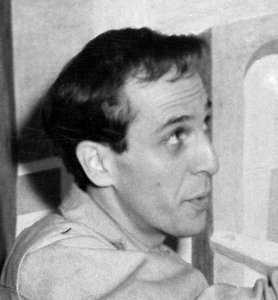
Philip Guston
1913 - 1980 , Kanada
Eckdaten zum Künstler
- Beeinflusste Künstler: ['Piero della Francesca']
- Bemerkenswerte Werke: ['To Fellini']
- Geburtsdatum: 27. Juni 1913
- Geburtsort: Montreal, Kanada
- Künstlerische Richtung:
- Abstrakter Expressionismus
- Neoexpressionismus
- Nationalität: Kanadisch-Amerikanisch
- Todatum: 7. Juni 1980
- Vollständiger Name: Philip Guston
- Von Künstlern Beeinflusst: ['Jackson Pollock']
Verwandte Artikel

Von Pixeln zu Pflastersteinen: Wie Gaming-Ästhetik die Popkultur prägt
Entdecken Sie, wie Gaming-Ästhetik die Popkultur revolutioniert! Von Retro-Pixelkunst bis zu neuen Trends – wir analysieren den Einfluss von Videospielen auf Kunst, Mode und mehr. Expertenwissen für Kulturliebhaber.

Grenzgänge der Ästhetik: Spielwelten und die Traditionen der Bildenden Kunst – Eine Untersuchung von Crossover-Konzepten
Entdecken Sie die Zukunft der Kunst! Expertenwissen zu digitalen Trends, NFTs und Investitionen. Hochwertige Reproduktionen & individuelle Beratung für Sammler – OriginalUniqueArt.
Jenseits von Pixeln und Spieltrieb: Ästhetische und identitätsstiftende Bedeutung von Gaming-Art für den modernen Sammler
Entdecken Sie die faszinierende Welt der Gaming-Art! Expertenwissen über Sammlerstücke, Trends & Investitionen. Hochwertige Reproduktionen und individuelle Kunstberatung bei OriginalUniqueArt.

Pixelierte Prestige: Erkundung von Knappheit, Wert und kultureller Wirkung limitierter Gaming-Gemälde
Entdecken Sie die Welt limitierter Gaming-Gemälde! Expertenwissen zu Wert, Knappheit & Sammlerkultur. Hochwertige Kunst für Kenner und leidenschaftliche Gamer – jetzt informieren!

Pinselstriche und Endgegner: Die Künstler hinter den handgemalten Spielwelten – Inspirationen, Prozesse und persönliche Gaming-Erfahrungen
Entdecken Sie die faszinierende Welt handgemalter Spielwelten! Expertenwissen über Künstler, Techniken & den Einfluss der Kunstgeschichte auf moderne Videospiele. Jetzt lesen!
