- Startseite

- Digitales Kunstwerk
- peugeot
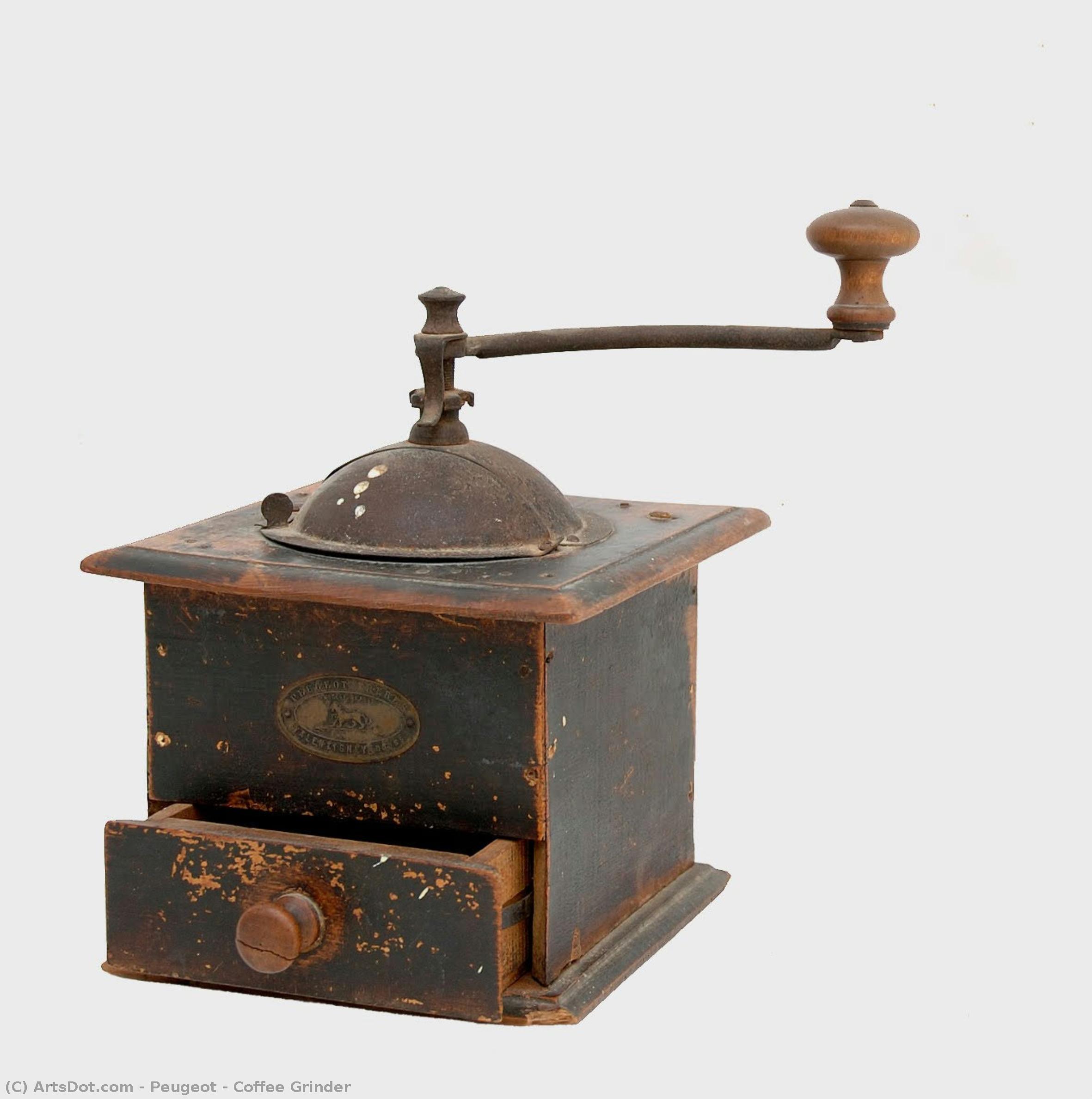
- Coffee Grinder
 Preview
 Druck bestellen Gemälde kaufen
 Versenden
 Teilen
 Details anzeigen
 Zu Favoriten hinzufügen

 Herunterladen
 Ähnliche Objekte
 Röntgenaufnahme
 Diashow anzeigen
Coffee Grinder

 Weiterlesen
Erwerben Sie ein hochauflösendes, optimiertes digitales Bild, das der Online-Vorschau weit überlegen ist.
Jede Datei wird von unseren hauseigenen Spezialisten mit modernsten Werkzeugen und fachmännischer manueller Retusche sorgfältig vorbereitet. Wir stellen sicher, dass jedes Bild eine außergewöhnliche Klarheit, präzise Farbgenauigkeit und feinste Details aufweist.
Die endgültige Datei wird innerhalb von 72 Stunden per E-Mail zugestellt und ist für den sofortigen Einsatz in professionellen, redaktionellen und Druckumgebungen optimiert. Es handelt sich um dieselbe Qualität, der führende Designstudios, Verlage und Galerien vertrauen.
Digitales Kunstwerk
Laden Sie eine hochauflösende Datei für die persönliche Präsentation, den Druck und kreative Projekte herunter.
In jeder Bestellung digitaler Bilder enthalten
Professionelle digitale Bereitstellung, garantiert
Wenn Sie sich für OriginalUniqueArt.com entscheiden, erhalten Sie nicht nur ein Bild – Sie erhalten ein professionell aufbereitetes digitales Kunstwerk, das mit höchster Präzision erstellt und durch eine Zufriedenheitsgarantie abgesichert wird. Hier ist alles, was automatisch mit Ihrer Bestellung geliefert wird:

Schnelle E-Mail-Zustellung
Ihre hochauflösende digitale Bilddatei wird Ihnen innerhalb von 72 Stunden nach der Bestellung per E-Mail zugestellt – bereit zur sofortigen Verwendung.

KI-optimierte digitale Datei
Ihre Kunstwerke werden professionell mithilfe fortschrittlicher KI-Tools und manueller Bearbeitung optimiert, um maximale Detailtreue, Klarheit und Farbgenauigkeit zu gewährleisten.

Kostenloser lebenslanger erneuter Versand
Datei versehentlich gelöscht oder verloren? Keine Sorge – wir senden sie Ihnen jederzeit kostenlos erneut zu.

Keine Einfuhrgebühren – jemals
Genießen Sie Ihr Kunstwerk sofort ohne Zollgebühren, Einfuhrabgaben oder Versandkosten – digitale Downloads sind immer steuerfrei.

Garantierte Farbtreue
Wir garantieren, dass Ihr digitales Bild die Originalfarben mithilfe professioneller Werkzeuge und Farbmanagement so präzise wie möglich wiedergibt.

60-Tage-Zufriedenheitsgarantie
Sollten Sie mit Ihrem digitalen Bild nicht zufrieden sein, werden wir es überarbeiten oder Ihnen innerhalb von 60 Tagen 100% erstatten – ohne Wenn und Aber.

100% Geld-zurück-Garantie
Nicht zufrieden? Erhalten Sie innerhalb von 60 Tagen nach Erhalt Ihrer digitalen Datei eine vollständige Rückerstattung – ohne Angabe von Gründen.

Rabatte bei Großbestellungen
3 Bilder kaufen, 10% sparen – 5 Bilder kaufen, 15% sparen – Ab 10 Bildern 20% sparen. Ideal für kreative Projekte, Galerien und Agenturen.
Details zum Sammlerstück
Biografie des Künstlers
The Enduring Lion: Exploring the Legacy of Peugeot
Peugeot, a name synonymous with automotive innovation and French design heritage, possesses a surprisingly rich artistic lineage often overshadowed by its mechanical prowess. While primarily recognized as a manufacturer, the company’s history is inextricably linked to a vibrant tradition of illustration and painting, particularly during the Belle Époque and beyond. This article delves into the lesser-known world of Peugeot’s artistic endeavors, revealing a family legacy of creativity that shaped not only the brand's visual identity but also offered a captivating glimpse into Parisian life at the turn of the 20th century.
The story begins in 1858 with Émile Peugeot, who secured the iconic lion trademark – a symbol that would become inextricably linked to the family’s automotive empire. However, the Peugeot family's artistic roots extend far beyond this foundational moment. Armand Peugeot, Émile’s brother, was a passionate inventor and artist himself, commissioning elaborate illustrations for the company’s early catalogues and promotional materials. These weren’t mere advertisements; they were meticulously crafted scenes depicting the burgeoning world of automobiles, showcasing their capabilities and appealing to a growing audience of enthusiasts. This initial artistic direction established a precedent – that Peugeot would not only build vehicles but also visually represent its ambition and technological advancements.
The Rise of the Artistic Peugeot: A Family Affair
Throughout the late 19th and early 20th centuries, several generations of Peugeot men continued to nurture this artistic tradition. Armand’s son, Émile II, further expanded the company's visual presence, employing a team of illustrators who captured the glamour and excitement surrounding early automobiles. These artists weren’t simply documenting vehicles; they were creating evocative narratives – depicting elegant couples embarking on journeys, showcasing the sophistication of Peugeot cars in opulent settings, and subtly conveying the brand’s commitment to quality and innovation. Notably, these illustrations often featured a distinctly Parisian aesthetic, reflecting the family's deep connection to the city.
Crucially, this artistic endeavor wasn’t confined solely to commissioned work. The Peugeot family actively fostered an environment of creativity within the company. They recognized that visual communication was paramount in shaping public perception and driving sales. This led to a deliberate cultivation of talent – encouraging employees with artistic inclinations to pursue their passions, often providing them with opportunities to develop their skills.
A Shift Towards Automotive Art: The Late 19th & Early 20th Centuries
As Peugeot transitioned into the automotive industry in earnest, its artistic output evolved. The late 1890s and early 1900s saw a surge in detailed illustrations of the company’s pioneering vehicles – the Panhard-Peugeot, the Peugot, and later, the renowned Type 32. These images weren't just technical drawings; they were imbued with a sense of dynamism and excitement, capturing the spirit of innovation that defined the era. The artists employed techniques reminiscent of Orientalist painting—a style popular at the time—using rich colors, dramatic lighting, and evocative compositions to create visually arresting scenes.
Furthermore, Peugeot began collaborating with prominent Parisian artists, including Léon Serpollet, a visionary architect and engineer who played a pivotal role in the development of early automobiles. These collaborations resulted in stunning illustrations that showcased both the technological advancements and the artistic sensibilities of the Peugeot brand. The influence of these partnerships extended beyond mere visual representation; they fostered a shared understanding of design principles and a commitment to pushing the boundaries of innovation.
Beyond the Automobile: Julius LeBlanc Stewart & The Legacy Continues
While the core of Peugeot’s artistic output remained firmly rooted in automotive illustration, the family's interest in visual arts continued into the 20th century. The name Julius LeBlanc Stewart is particularly noteworthy. Though not directly employed by Peugeot, Stewart’s evocative Belle Époque portraits and Orientalist scenes—capturing the glamour of Parisian life—demonstrate a lineage of artistic talent within the Peugeot family. His work reflects a similar aesthetic sensibility to earlier Peugeot illustrations – a blend of elegance, sophistication, and a keen eye for detail.
Today, Peugeot’s artistic legacy is often overlooked amidst its automotive achievements. However, by examining this lesser-known chapter in the company's history, we gain a deeper appreciation for the family’s commitment to innovation, design, and visual communication. The lion emblem, initially a symbol of branding, has become inextricably linked to a rich tradition of artistic expression—a testament to the enduring power of creativity within the Peugeot family.

peugeot
France
Kurzinfos
- Artistic Movement Or Style: Automotive Design
- Artists Or Movements Influenced By This Artist:
- Citroën
- Mercedes-Benz
- Artists Who Influenced This Artist:
- Panhard-Daimler
- Léon Serpollet
- Full Name: Peugeot
- Nationality: French
- Notable Artworks:
- Legendary French Designer Paints Vivid Automotive Art
- Peugeot 206
- Peugeot 208
- Place Of Birth: Paris, France

